Consistent Coffee At Home: Master Your Daily Brew
Achieving consistent coffee at home primarily hinges on controlling key variables: fresh beans, proper grind, precise measurements, and optimal water temperature.
Tired of unpredictable brews, where one morning's cup is heavenly and the next is disappointingly bland or bitter? You're not alone. Many coffee lovers dream of replicating that perfect café experience within their own kitchens, aiming to create consistent coffee at home every single day. As someone who's spent years perfecting my home brewing ritual and helping countless others elevate their morning routine, I understand the frustration and the ultimate joy of a perfectly brewed cup. This article will guide you through the essential steps and nuanced details to consistently create delicious coffee, transforming your daily ritual into an art form and saving you those daily café runs.
Understanding the Fundamentals of Consistent Coffee at Home
Creating truly consistent coffee at home begins with a solid understanding of the basics. Think of it like building a house; you need a strong foundation before you can add the intricate details. Many people overlook these fundamental elements, which are often the culprits behind inconsistent results. By paying close attention to these initial steps, you set yourself up for success in achieving delicious, consistent coffee at home.
The Importance of Fresh, Quality Beans
The quality and freshness of your coffee beans are arguably the most critical factors for consistent coffee at home. Beans are at their peak flavor within two to three weeks of roasting. After this period, they begin to degas, losing their volatile aromatics and oils, which are essential for flavor. My personal experience has shown that investing in freshly roasted, whole beans from a reputable local roaster or an online specialty shop makes an enormous difference. Always look for a roast date on the bag, not just a "best by" date.
The Role of Water Quality
You might not realize it, but water makes up over 98% of your coffee, so its quality is paramount. Tap water, depending on your location, can contain minerals, chlorine, or other impurities that negatively impact taste. Hard water can lead to under-extraction, while overly soft water might result in over-extraction. For consistent coffee at home, I highly recommend using filtered water. A simple charcoal filter pitcher or a water filter attached to your faucet can dramatically improve your coffee's flavor profile.
Grinding: The Unsung Hero
Grinding your beans just before brewing is a non-negotiable step for consistent coffee at home. Pre-ground coffee stales rapidly because more surface area is exposed to oxygen. A quality burr grinder (not a blade grinder, which "chops" beans unevenly) is essential. The grind size needs to be appropriate for your brewing method; too fine, and your coffee will be bitter and over-extracted; too coarse, and it will be weak and under-extracted. Achieving the right, consistent grind size is a game-changer for your daily brew.

Mastering Your Brewing Method for Consistent Coffee
Once you have your fresh beans, quality water, and a reliable grinder, the next step in creating consistent coffee at home is to master your chosen brewing method. Each method has its unique characteristics and requires specific attention to detail to achieve optimal results time after time. Don't be afraid to experiment, but once you find what you like, strive for consistency.
Drip Coffee Makers: Simplicity and Consistency
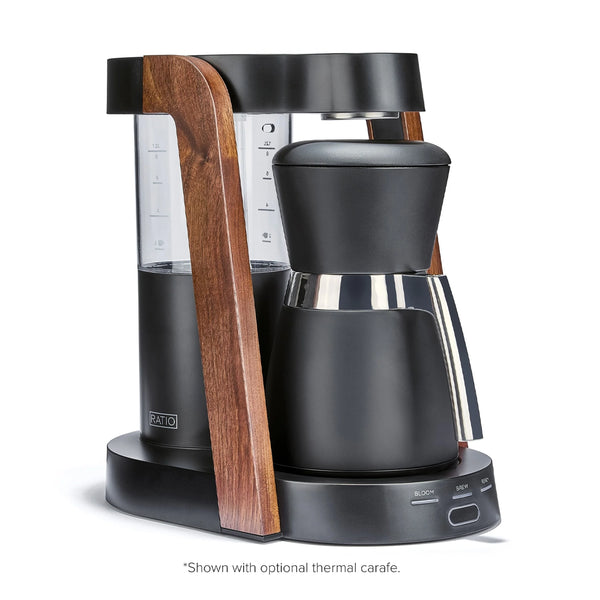
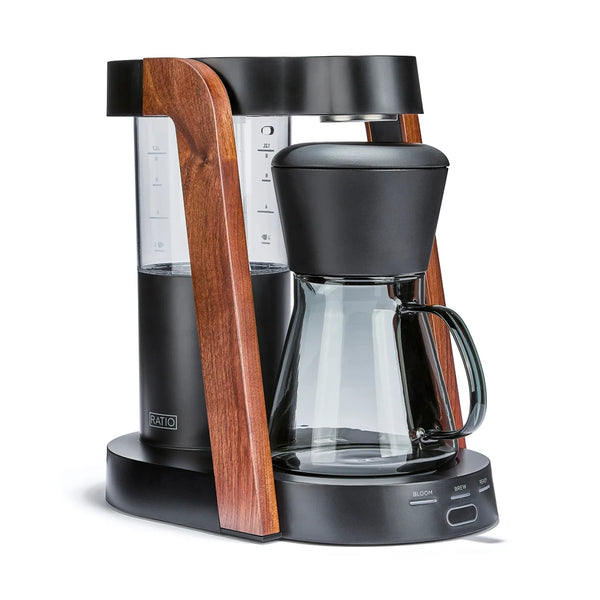
For many, a drip coffee maker is the go-to for ease and convenience. To get consistent coffee at home with a drip machine, focus on a few key areas. First, ensure your machine maintains a stable brewing temperature (ideally between 195°F and 205°F). Second, use the correct coffee-to-water ratio. I often recommend starting with a 1:16 ratio (1 gram of coffee for every 16 grams of water) and adjusting to taste. Regularly clean your machine to prevent mineral buildup and old coffee residue from affecting flavor.
Pour-Over: Precision and Control
The pour-over method offers incredible control, allowing you to fine-tune variables for exceptional consistent coffee at home. The secret lies in consistent water temperature, a controlled pour rate, and a precise bloom. Use a gooseneck kettle for even water distribution. After adding your ground coffee, pour just enough hot water to saturate the grounds and let it sit for about 30 seconds (the "bloom") to allow gases to escape. Then, continue pouring in slow, concentric circles. This method rewards patience and precision with a clean, nuanced cup.
French Press: Full-Bodied Flavor
If you love a rich, full-bodied cup, the French press is an excellent choice for consistent coffee at home. The immersion brewing process extracts more oils and sediment, contributing to its signature texture. The key here is a coarse, even grind to prevent a muddy cup and an appropriate steep time (typically 4 minutes). Avoid plunging too quickly, as this can agitate the grounds and create bitterness. Consistency in steep time and grind size will ensure your French press delivers a reliable, flavorful brew every time.
Espresso Machines: The Barista at Home
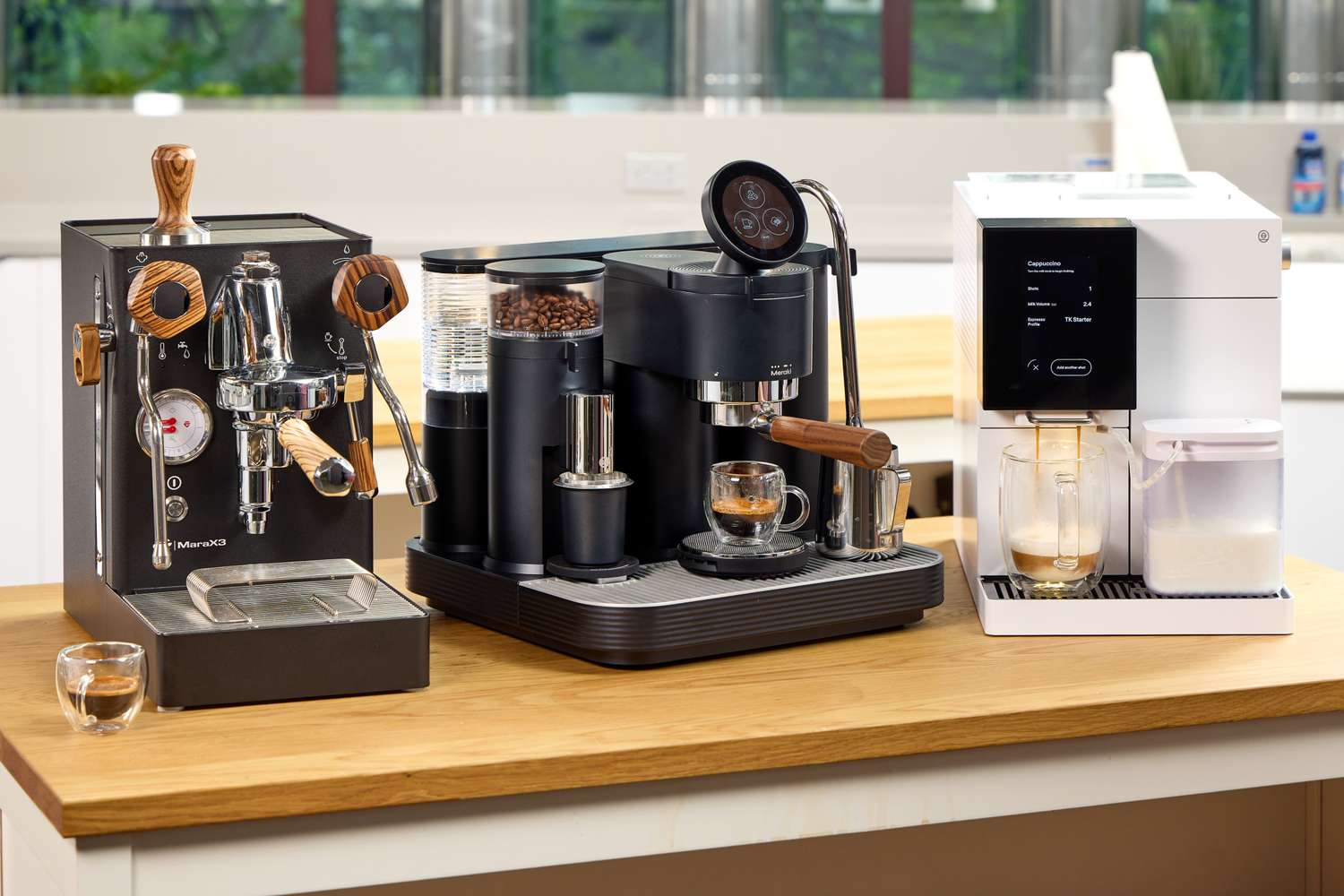
For the ultimate challenge and reward in consistent coffee at home, an espresso machine is where it's at. Achieving a perfect shot requires attention to detail: a very fine, consistent grind, precise dosing (the amount of coffee), proper tamping pressure, and consistent water temperature and pressure. It's a journey of trial and error, but once you dial in your grind and technique, the rich, crema-topped espresso shots will be incredibly satisfying and consistently delicious.
Key Variables for Unwavering Consistency
Beyond the brewing method itself, several critical variables need your unwavering attention if you want to create truly consistent coffee at home. These are the details that separate a good cup from a great one, and more importantly, a consistently great one. Over my years of brewing, I’ve learned that neglecting even one of these can throw off the entire experience.
Accurate Measurements: Scales Are Your Best Friend
Eyeballing your coffee and water quantities is a recipe for inconsistency. For predictable, delicious, and consistent coffee at home, a digital kitchen scale is indispensable. Measure your coffee beans by weight (grams) and your water by weight as well. This eliminates the variability of scoops and ensures that your coffee-to-water ratio remains constant from one brew to the next. Trust me, it makes a huge difference.
Water Temperature: The Goldilocks Zone
The temperature of your water profoundly impacts extraction. Too hot, and you risk burning the coffee and extracting bitter compounds. Too cold, and you'll get an under-extracted, sour, and weak cup. The ideal brewing temperature is generally between 195°F and 205°F (90-96°C). Using a thermometer, especially with pour-over or French press, ensures you hit this sweet spot every time, which is crucial for consistent coffee at home.
Brew Time: The Art of Extraction
Brew time, also known as contact time, is how long the water is in contact with the coffee grounds. This variable directly influences extraction. Each brewing method has an optimal brew time range. For example, a French press typically brews for 4 minutes, while an espresso shot might take 25-30 seconds. Using a timer for every brew session helps eliminate guesswork and is vital for producing consistent coffee at home. Pay attention to how changes in brew time affect the flavor; it’s a subtle but powerful lever.
Storage Solutions for Freshness
Proper storage is crucial for maintaining the freshness of your coffee beans, which in turn impacts how consistent coffee at home tastes. Store whole beans in an opaque, airtight container, away from light, heat, and moisture. Avoid the refrigerator or freezer for daily use, as condensation can introduce moisture and cause the beans to absorb other odors. A cool, dark pantry shelf is usually ideal. Once opened, try to consume your beans within two weeks for optimal flavor.

Common Mistakes to Avoid on Your Coffee Journey
Even with the best intentions, it's easy to fall into common traps that hinder your quest for consistent coffee at home. Recognizing and rectifying these mistakes can significantly elevate your brewing game, ensuring that every cup meets your expectations. From my own early experiments, these were often the biggest hurdles to overcome.
Ignoring Your Grind Size
One of the most frequent mistakes I see is a lack of attention to grind size. Using the wrong grind for your method is a sure way to get inconsistent coffee. For example, a fine espresso grind in a French press will lead to over-extraction and a gritty cup. Conversely, a coarse grind in a pour-over will result in under-extraction and a weak, watery brew. Always match your grind size to your brewing method, and don't be afraid to make small adjustments to find the perfect setting for your specific beans and equipment.
Using Stale Beans
As mentioned earlier, stale beans are the enemy of consistent coffee at home. If your beans don't have a roast date, or if they're several weeks past their roast date, you're starting with a disadvantage. No matter how perfect your brewing technique, stale beans simply won't yield a vibrant, flavorful cup. Make it a habit to purchase fresh, whole beans frequently and in smaller quantities if you don't brew often.
Neglecting Equipment Cleaning
A dirty coffee maker or grinder can harbor old coffee oils and mineral deposits that impart off-flavors to your fresh brew. This is a common oversight that leads to inconsistent coffee. Regularly cleaning all components that come into contact with coffee – carafes, brew baskets, burrs – is essential. A quick rinse with hot water after each use and a deeper cleaning with specialized descaling solutions or soap every few weeks will keep your equipment in top condition and ensure purity of flavor.

Advanced Tips for the Coffee Enthusiast
Once you've mastered the fundamentals and are consistently producing great coffee, you might be ready to explore advanced techniques. These tips can further refine your brewing, allowing you to truly personalize your consistent coffee at home experience and delve deeper into the fascinating world of coffee.
Experimenting with Roasts and Origins
Don't be afraid to venture beyond your comfort zone when it comes to coffee beans. Different roast levels (light, medium, dark) and origins (Ethiopian, Colombian, Brazilian, etc.) offer unique flavor profiles. Light roasts often highlight floral and fruity notes, while darker roasts bring out chocolatey and nutty characteristics. Exploring these variations will broaden your palate and help you discover new favorites, making your journey to consistent coffee at home even more exciting. Keep notes on what you like and what you don't.
Understanding Water Chemistry
For the truly dedicated, understanding water chemistry can unlock a new level of consistency. Beyond just filtering, some enthusiasts even build their own brewing water by adding specific minerals in precise quantities. While this might sound extreme, commercial products are available that allow you to easily adjust your water's mineral content. The right mineral balance can enhance sweetness, acidity, and body, making your consistent coffee at home truly shine.
Batch Brewing for Convenience
If you find yourself needing multiple cups throughout the day or serving a household, batch brewing might be your next step. This involves brewing a larger quantity of coffee and storing it correctly. A good thermal carafe can keep coffee hot without "stewing" it on a hot plate. Alternatively, consider making cold brew concentrate, which can be stored in the refrigerator for up to two weeks and diluted with hot water for an instant, consistent cup. This method saves time without sacrificing flavor for your consistent coffee at home.
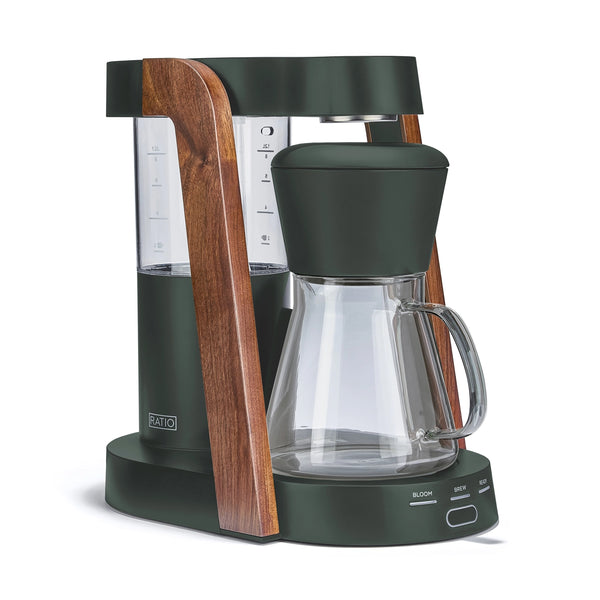
Frequently Asked Questions of What is the best way to create consistent coffee at home instead of buying coffee every day?
How often should I clean my coffee maker?
You should rinse your coffee maker's carafe and brew basket after every use. A deeper cleaning, including descaling, should be done monthly or every three months depending on your water hardness, to prevent mineral buildup and ensure optimal taste.
What's the ideal water temperature for brewing coffee?
The ideal water temperature for brewing coffee is typically between 195°F and 205°F (90-96°C). This range ensures proper extraction of flavors without scorching the grounds or leaving the coffee under-extracted.
Does storing coffee in the freezer keep it fresh?
For short-term storage (daily use), avoid the freezer as condensation can degrade quality and cause off-flavors. For long-term storage (weeks or months), an unopened, airtight bag can be frozen, but it's best to consume beans within 2-3 weeks of roasting.
What's the difference between burr and blade grinders?
A burr grinder crushes beans into uniformly sized particles, which is essential for consistent extraction and flavor. A blade grinder chops beans unevenly, creating a mix of fine dust and coarse chunks, leading to inconsistent and often bitter coffee.
How can I tell if my coffee beans are fresh?
Fresh coffee beans will often have a visible roast date (ideally within 2-3 weeks). They also emit a strong, pleasant aroma, and when brewed, they'll "bloom" by bubbling and expanding as hot water hits them, indicating active CO2 release.
Conclusion
Creating consistent coffee at home is a rewarding journey that empowers you to enjoy exceptional brews daily, without the daily café expense. It's a blend of science, art, and personal preference, underpinned by a commitment to quality and precision. By focusing on fresh, high-quality beans, filtered water, a consistent grind, accurate measurements, and optimal brewing temperatures, you lay the groundwork for unparalleled consistency. Don't be discouraged by initial inconsistencies; every misstep is a learning opportunity. Embrace the process, experiment with different variables, and slowly build your confidence. Soon, you'll be effortlessly crafting delicious, consistent coffee at home that rivals your favorite coffee shop. Ready to elevate your morning? Start by investing in a digital scale or a burr grinder today, and share your home brewing victories in the comments below!