
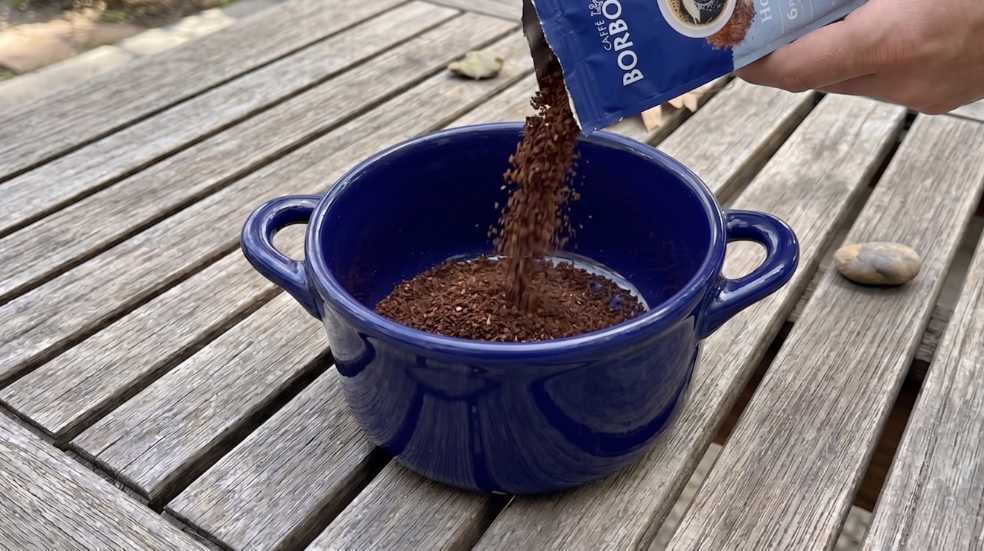
Coffee Grounds Mosquitoes: Do They Really Work?
Yes, coffee grounds can repel mosquitoes, primarily by deterring egg-laying and acting as a mild irritant to adult mosquitoes through their strong scent when burned.
Stepping outside for a relaxing evening only to be swarmed by buzzing mosquitoes is a universally frustrating experience. Many of us, myself included, have searched for natural, easy solutions to this age-old problem. You might have heard whispers or seen online hacks suggesting that ordinary coffee grounds could be your secret weapon against these persistent pests. It sounds almost too good to be true, doesn't it? As someone who’s spent countless hours battling these tiny vampires and exploring various pest control methods, I’m here to delve deep into whether this popular DIY remedy actually holds up to scrutiny. Let's unpack the truth about using coffee grounds to keep mosquitoes at bay and what you can realistically expect from this intriguing claim.

The Buzz About Coffee Grounds and Mosquitoes
The idea of using coffee grounds to repel mosquitoes has circulated widely across gardening forums and social media for years. Many folks swear by it as a simple, eco-friendly solution to an annoying problem. The appeal is clear: it’s readily available, often free (if you're saving your used grounds), and avoids harsh chemicals. People often sprinkle dry coffee grounds around their patios or, more commonly, burn them to create a mosquito-deterring smoke.
This widespread belief stems from a combination of anecdotal success stories and a general understanding that strong smells can often deter pests. It taps into our desire for natural home remedies that align with a more sustainable lifestyle. However, it's crucial to understand the mechanisms at play to discern if these common kitchen scraps are truly an effective mosquito repellent or just a hopeful myth.
The Science Behind the Scent
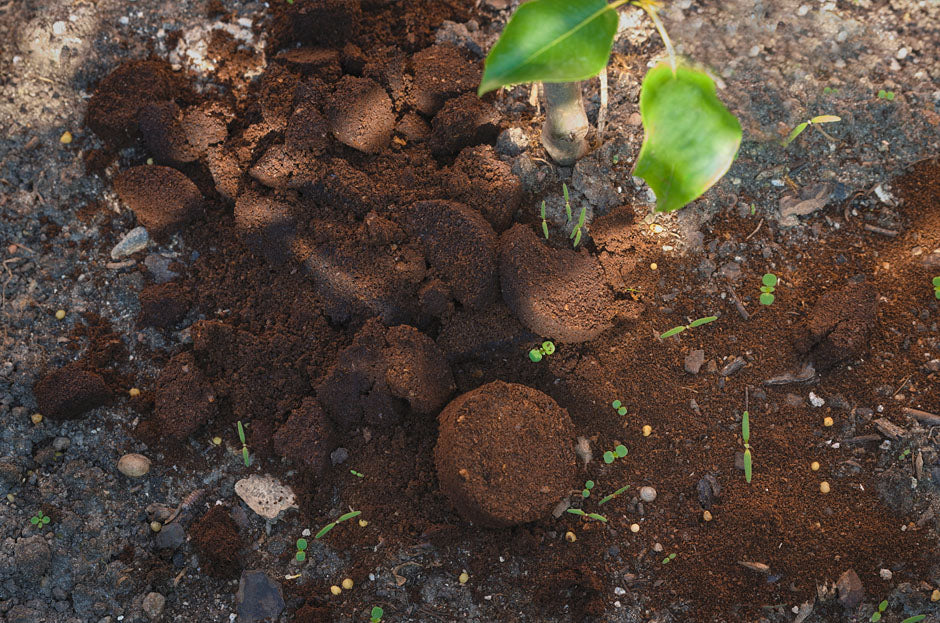
At the heart of the coffee grounds repellent theory is the aroma. Coffee grounds, especially when burned, release a potent, distinctive scent. This smell is generally pleasant to humans but is believed to be quite offensive to mosquitoes. Researchers have explored various compounds in coffee, including caffeine, diterpenes (like cafestol and kahweol), and chlorogenic acids. These compounds, particularly when released into the air through burning, are thought to irritate mosquitoes' olfactory systems, making them less likely to linger.
Specifically, the act of burning coffee grounds creates smoke, which is a known irritant to many insects. Mosquitoes, like many flying insects, rely heavily on their sense of smell to locate hosts, detecting carbon dioxide and various volatile organic compounds from our breath and skin. A strong, unfamiliar smell like that from burning coffee grounds can disrupt this process, essentially "masking" human scents or making the area undesirable. This scientific basis gives some credence to the idea that coffee grounds might offer a degree of deterrence.

How to Use Coffee Grounds for Mosquitoes (If You Dare)
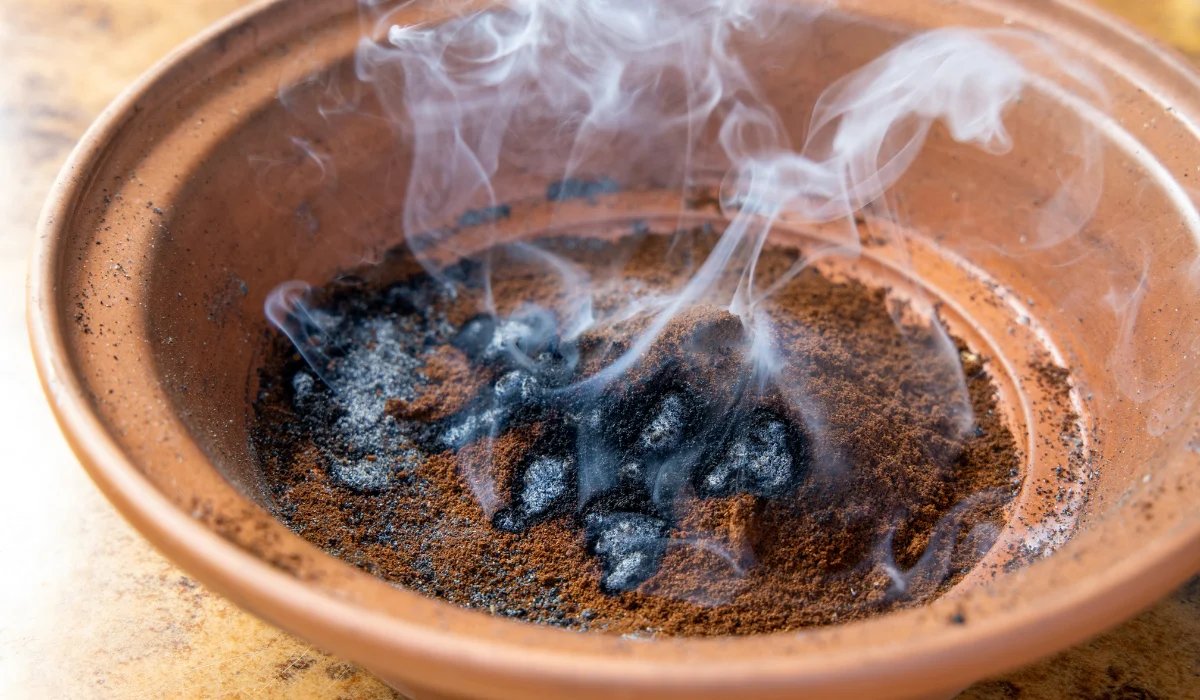
If you're curious to try this method, there are a couple of popular ways people use coffee grounds to ward off mosquitoes. The most common approach involves burning the dried grounds to create smoke. First, you'll need to thoroughly dry your used coffee grounds, which can take a few days spread out on a tray. Once completely dry, pile them into a non-flammable container like an old ceramic dish or an aluminum foil pan. Light the pile, and let it smolder, producing a smoky plume. This method is often done outdoors on patios or decks where mosquitoes are a nuisance.
Another method involves sprinkling dried coffee grounds directly around areas where mosquitoes might breed or congregate, such as stagnant water sources in plant saucers or low-lying areas. The idea here is that the coffee compounds will make the water undesirable for mosquitoes to lay eggs in. From my own experience, I've tried both. Burning some dried coffee grounds on my porch has indeed seemed to reduce the immediate mosquito presence, though it's a temporary effect, and the smoke can be quite strong. Simply sprinkling them, however, felt less effective for adult mosquitoes, though I noticed fewer larvae in a bird bath where I regularly added them. It's a bit of a trial-and-error approach, and expectations should be tempered.

What the Experts Say: Separating Fact from Fiction
While personal experiences with coffee grounds vary, scientific studies offer a clearer picture. Research has shown that coffee grounds can be effective in controlling mosquito larvae. When added to stagnant water, the caffeine and other compounds in the grounds can act as an ovicide and larvicide, preventing mosquito eggs from hatching and killing existing larvae. This is a significant finding, as preventing breeding is a crucial step in mosquito control.
However, the efficacy of coffee grounds as a repellent for adult mosquitoes is less conclusive. While the smoke from burning coffee grounds may offer a temporary deterrent due to its strong smell and irritant properties, it’s generally not considered a long-term or highly effective solution compared to commercial repellents. Entomologists often point out that while the smoke can confuse mosquitoes, they may simply move to an adjacent area where the smoke isn't as dense. Therefore, while coffee grounds are a promising tool for larval control, their role as an adult mosquito repellent is more limited and debated among experts.
Limitations and Considerations
Despite the enthusiasm, using coffee grounds for mosquito control comes with several limitations. The repellent effect from burning coffee grounds is typically short-lived and only effective in the immediate vicinity of the smoke. Once the smoke dissipates, mosquitoes are likely to return. This means you'd need to constantly burn fresh grounds for continuous protection, which might not be practical or pleasant for prolonged outdoor activities. The smoke itself, while deterring mosquitoes, can also be bothersome to people with respiratory sensitivities.
Furthermore, relying solely on coffee grounds for adult mosquito control might leave you vulnerable to bites, especially in areas with high mosquito populations or disease risk. While effective against larvae in standing water, this doesn't address the adult mosquitoes already flying around. From my own adventures in backyard pest management, I've learned that a multi-pronged approach is always best. Coffee grounds can be a helpful addition to your strategy for larval control, but they shouldn't be your sole line of defense against adult mosquitoes.

Alternative, Proven Mosquito Repellents
When it comes to keeping adult mosquitoes away, proven solutions are often the most reliable. For personal protection, repellents containing DEET, picaridin, or oil of lemon eucalyptus (OLE) are recommended by the Centers for Disease Control and Prevention (CDC) for their effectiveness and safety when used as directed. These active ingredients create a barrier that mosquitoes simply don't want to cross, offering hours of protection. I've found that a good quality DEET spray is invaluable when I'm working in my garden during peak mosquito hours.
For area control, consider options like citronella candles (though their range is limited), mosquito coils, or outdoor fans, which can disrupt mosquito flight patterns. Additionally, taking proactive steps like eliminating standing water sources, maintaining your yard, and ensuring window screens are in good repair are foundational to any effective mosquito management plan. Relying on a mix of these proven methods rather than just coffee grounds will give you much better peace of mind.

My Personal Takeaway and Practical Tips
Having experimented with various home remedies and professional solutions over the years, my personal takeaway on coffee grounds for mosquito control is nuanced. While they might not be the magic bullet for adult mosquitoes that many hope for, they definitely have a role to play, particularly in larval control. I’ve personally seen reduced mosquito larvae in areas where I've consistently added used coffee grounds to small pockets of standing water that are hard to completely drain. It’s a low-cost, environmentally friendly approach worth trying for that specific purpose.
Here are my practical tips based on what I’ve learned:
- Target Larvae: Focus your coffee ground efforts on preventing breeding. Sprinkle dried coffee grounds into bird baths (change water regularly too!), old tire swings, or other places where standing water collects and cannot be easily dumped.
- Don't Rely Solely on Burning: While burning coffee grounds might offer temporary relief, don't expect it to clear your entire yard for a long evening. Use it as a supplementary measure, perhaps alongside a proven personal repellent.
- Dry Grounds Thoroughly: If you do decide to burn coffee grounds, make sure they are completely dry to ensure they smolder effectively and produce smoke rather than just damp clumps.
- Combine Strategies: The most effective mosquito control combines several methods. Think of coffee grounds as one small tool in your larger arsenal, alongside personal repellents, yard maintenance, and professional treatments if needed.
Embracing this holistic approach will definitely improve your outdoor experience, making those backyard barbecues and quiet evenings far more enjoyable, rather than a frantic slapping match.
Frequently Asked Questions About Coffee Grounds and Mosquitoes
Can coffee grounds kill mosquito larvae?
Yes, absolutely. Studies have shown that caffeine and other compounds in coffee grounds can be lethal to mosquito larvae, preventing their development and significantly reducing populations in stagnant water.
How long does the repellent effect of burning coffee grounds last?
The repellent effect from burning coffee grounds is quite temporary, usually lasting only as long as the smoke is actively produced and remains in the immediate area. Once the smoke dissipates, mosquitoes are likely to return.
Is it safe to burn coffee grounds indoors to repel mosquitoes?
No, it is not recommended to burn coffee grounds indoors. Burning anything in an enclosed space can produce harmful carbon monoxide and other irritants, posing a risk to respiratory health. This method is strictly for outdoor use.
Do unused (fresh) coffee grounds work better than used coffee grounds?
Both used and fresh coffee grounds contain the active compounds that deter mosquitoes and larvae, but used grounds are generally preferred because they are a waste product and more sustainable to use. The effectiveness difference isn't drastically significant.
What are the main benefits of using coffee grounds for mosquito control?
The main benefits include being an eco-friendly and low-cost solution, particularly effective for preventing mosquito breeding by killing larvae in standing water, and it helps repurpose household waste.
Conclusion
The quest for a natural, effortless way to banish mosquitoes often leads us to intriguing remedies like using coffee grounds. While the idea of a simple, backyard solution is incredibly appealing, the scientific evidence suggests a more nuanced reality. Coffee grounds certainly hold promise, particularly in their ability to disrupt the mosquito life cycle by effectively killing larvae in standing water. This makes them a valuable, eco-friendly tool in a broader mosquito management strategy. However, relying solely on burning coffee grounds to repel adult mosquitoes might leave you itching for more robust protection.
Instead of seeing coffee grounds as a standalone superhero, consider them a dependable sidekick in your fight against mosquitoes. Combine their larvicidal power with proven personal repellents, diligent yard maintenance, and strategic area treatments. By adopting a comprehensive approach, you can significantly reclaim your outdoor spaces and enjoy the fresh air without the constant buzz and bite. Don't stop exploring effective solutions; your comfort and peace of mind are worth it! Share your own experiences with coffee grounds or other natural repellents in the comments below – we'd love to hear what works for you!