Why Coffee Brewing Is So Expensive: Unpacking The Cost
Brewing coffee at home in the United States, while often seen as a budget-friendly alternative to daily cafe visits, can surprisingly become quite an expensive endeavor. The upfront investment in quality equipment, the ongoing cost of specialty beans, and the pursuit of the perfect cup all contribute to a price tag that might make you pause. From premium grinders to artisan beans, the journey to exceptional home-brewed coffee often involves a series of choices that push the cost beyond simple convenience.

The Core Components Driving Up Coffee Brewing Costs
Several key factors contribute to the expense of brewing coffee at home, moving beyond just the coffee grounds themselves. It's a combination of initial investments and ongoing commitments to quality that truly adds up.
High-Quality Beans: The Heart of Your Brew
In the United States, the appreciation for single-origin and specialty coffee has boomed, transforming how many Americans approach their daily brew. Gone are the days when any old bag of grounds would do; today, many home brewers actively seek out unique flavor profiles and ethically sourced options. This shift is a major reason why coffee beans themselves can become a significant expense.
Specialty coffee beans are often sourced from specific regions, sometimes even individual farms, meaning their supply can be limited. Roasters might pay a premium for these unique varietals, and they invest in meticulous roasting processes to highlight specific notes like chocolate, berry, or citrus. This dedication to quality and ethical sourcing, often involving direct trade or fair trade practices, directly translates into a higher price per pound. Moreover, to truly enjoy these beans, freshness is key, meaning buying smaller quantities more frequently can also contribute to the overall cost.

Specialty Equipment: The Home Barista's Arsenal
For many American coffee enthusiasts, the kitchen isn't just a place to eat; it's a personal coffee lab, complete with an impressive array of gadgets. The desire to replicate café-quality drinks at home drives a significant investment in specialized brewing equipment. This often starts with a high-quality grinder and extends to advanced brewing devices.
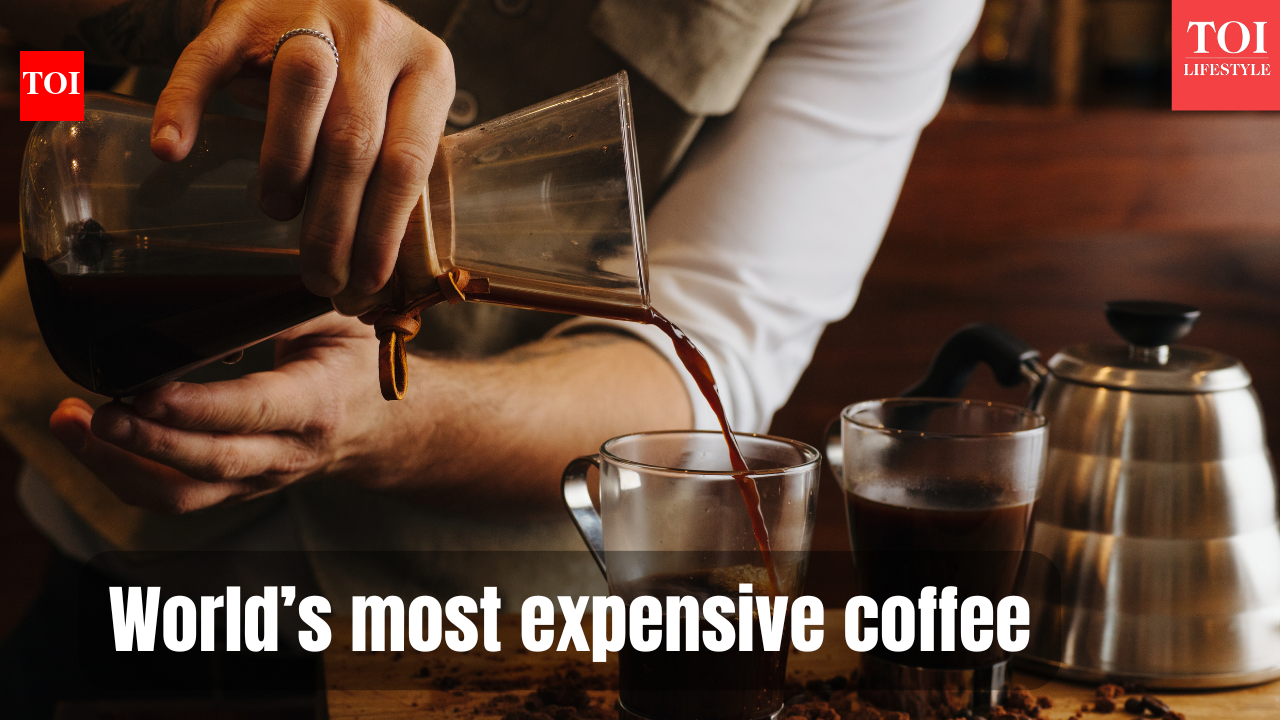
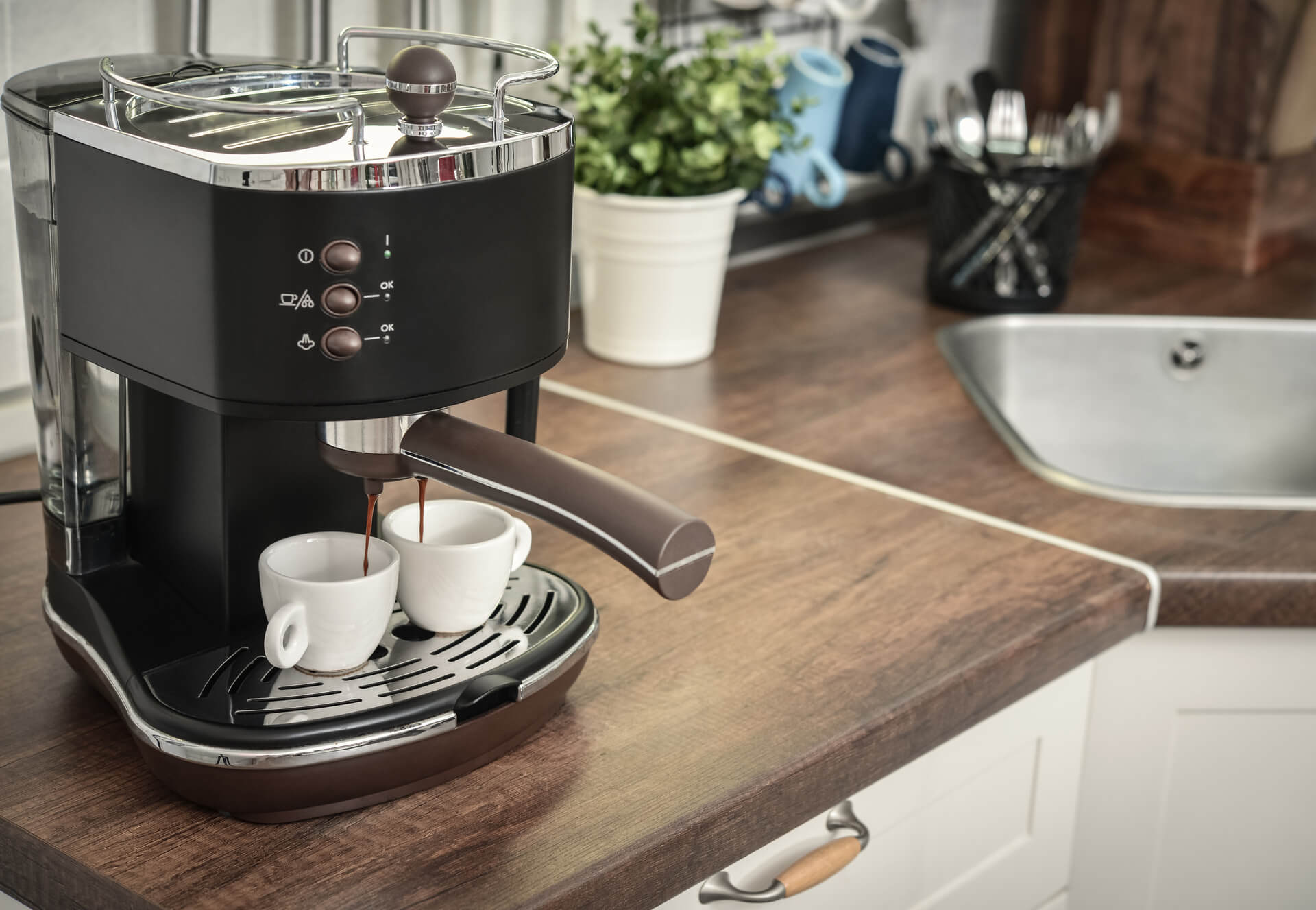
A good burr grinder is often the first major investment, ranging from $100 for reliable entry-level models to $500+ for professional-grade options. Unlike blade grinders, burr grinders produce a consistent particle size, which is vital for even extraction and a flavorful cup. Beyond the grinder, a precision brewing device like a high-end pour-over kit (Chemex, Hario V60), an AeroPress, or a sophisticated espresso machine (which can easily run into the thousands of dollars) adds to the bill. Accessories like accurate digital scales with built-in timers, temperature-controlled gooseneck kettles, and even water filtration systems further enhance the brewing experience, but each adds to the cumulative cost.
Water Quality & Filters: An Unsung Hero
It's a fact often overlooked in American households, but the quality of your water drastically impacts your coffee's taste. Tap water in many US cities can contain chlorine, minerals, or other impurities that can distort the delicate flavors of specialty coffee. This awareness has led many home brewers to invest in water purification solutions.
Whether it's a simple pitcher filter, a more advanced countertop filtration system, or even specific mineral additives designed to create "perfect" brewing water, ensuring optimal water quality is another expense. These systems require regular filter replacements, which represent an ongoing, often forgotten, cost. Using better water not only improves taste but can also protect your expensive brewing equipment from mineral buildup, reducing the need for costly maintenance or replacements down the line.

Accessories & Maintenance: The Hidden Costs
As many American homeowners know, setting up a dedicated coffee station involves more than just the primary brewing device. Beyond the beans and big-ticket machines, a collection of essential accessories and regular maintenance tasks quietly add to the overall expense of coffee brewing. These items might seem small individually, but they quickly accumulate.
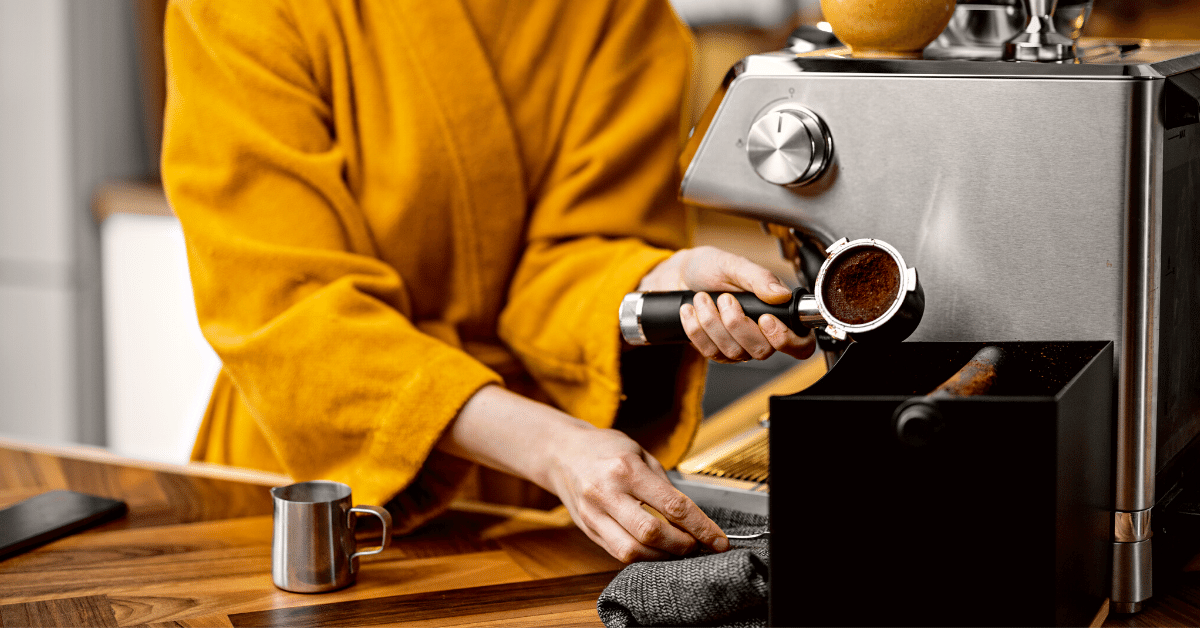
Consider insulated carafes to keep coffee warm, specialty mugs that enhance the drinking experience, and dedicated cleaning brushes for grinders and espresso machines. Every piece contributes to the aesthetic and functional pleasure of the ritual. Furthermore, coffee equipment requires diligent cleaning and maintenance. Descaling solutions for kettles and espresso machines, cleaning tablets for brew groups, and replacement parts like gaskets or filters are all necessary. Neglecting these tasks can lead to premature equipment failure, forcing an even more expensive replacement.
The Pursuit of Perfection: The Endless Upgrade Cycle
For many Americans, coffee brewing isn't just a habit; it's a passionate hobby, a journey of continuous improvement and refinement. This pursuit of the "god shot" or the ultimate pour-over often leads to an endless cycle of upgrades and experimentation, significantly contributing to the overall cost.
Once you have a good grinder and brewer, the next step might be a more precise scale, then a better kettle, then trying different brewing methods, and inevitably, experimenting with even rarer and more expensive beans. Each step promises a slightly better cup, driving further investment. This enthusiasm often involves trying various coffee subscriptions, attending workshops, or even acquiring multiple brewing devices for different coffee styles. The joy of the hobby lies in this exploration, but it undeniably makes coffee brewing a pricier endeavor than simply hitting the drive-thru.
Key Takeaways on Coffee Brewing Expenses
- Quality Beans are Pricey: Specialty coffee, with its unique origins and meticulous processing, commands a higher price.
- Equipment is an Investment: High-performance grinders, espresso machines, and precision tools are significant upfront costs.
- Water Matters: Filtering your water and maintaining optimal mineral content adds an ongoing expense.
- Accessories Accumulate: From specialized cups to cleaning supplies, the smaller items add up.
- The Hobby Factor: The desire for continuous improvement and new experiences drives further spending.
Frequently Asked Questions
Is it really cheaper to brew coffee at home?
Initially, buying an expensive setup might not seem cheaper than daily cafe visits. However, over time, the cost per cup for home-brewed coffee, even specialty coffee, is generally much lower than purchasing drinks from a cafe. The savings become evident after the initial equipment investment pays off.
What's the most important piece of equipment to invest in first?
Most coffee experts in the US agree that a high-quality burr grinder is the most crucial first investment. Consistent grind size is fundamental to good coffee, regardless of your brewing method. Without it, even the best beans and brewers will struggle to produce their full potential.
How can I save money while still enjoying quality home-brewed coffee?
Start with essential, mid-range equipment and upgrade slowly. Focus on buying fresh, quality beans in reasonable quantities. Consider batch brewing larger amounts for the week, and explore more budget-friendly brewing methods like the French press or AeroPress, which don't require electricity or precise water temperature control initially.
Conclusion
The journey into home coffee brewing in the United States, while deeply rewarding, can indeed become a costly pursuit. From carefully selected specialty beans to sophisticated grinders and espresso machines, every step toward the perfect cup carries a price tag. While the initial investment might seem daunting, understanding these factors helps clarify why your coffee hobby might be emptying your wallet a bit faster than expected. Embrace the process, prioritize your purchases, and remember that the satisfaction of a perfectly brewed cup at home is often considered priceless by enthusiasts.