
Why Coffee Brewing Business Is Profitable: Maximize Your ROI
The coffee brewing business stands out as a consistently profitable venture in the United States, primarily due to high consumer demand, excellent profit margins on beverages, and its deep integration into American daily life and culture. For many Americans, coffee is an essential daily ritual, transforming coffee shops into community hubs and reliable sources of revenue.
What Makes Coffee Brewing So Appealing for Business Owners?
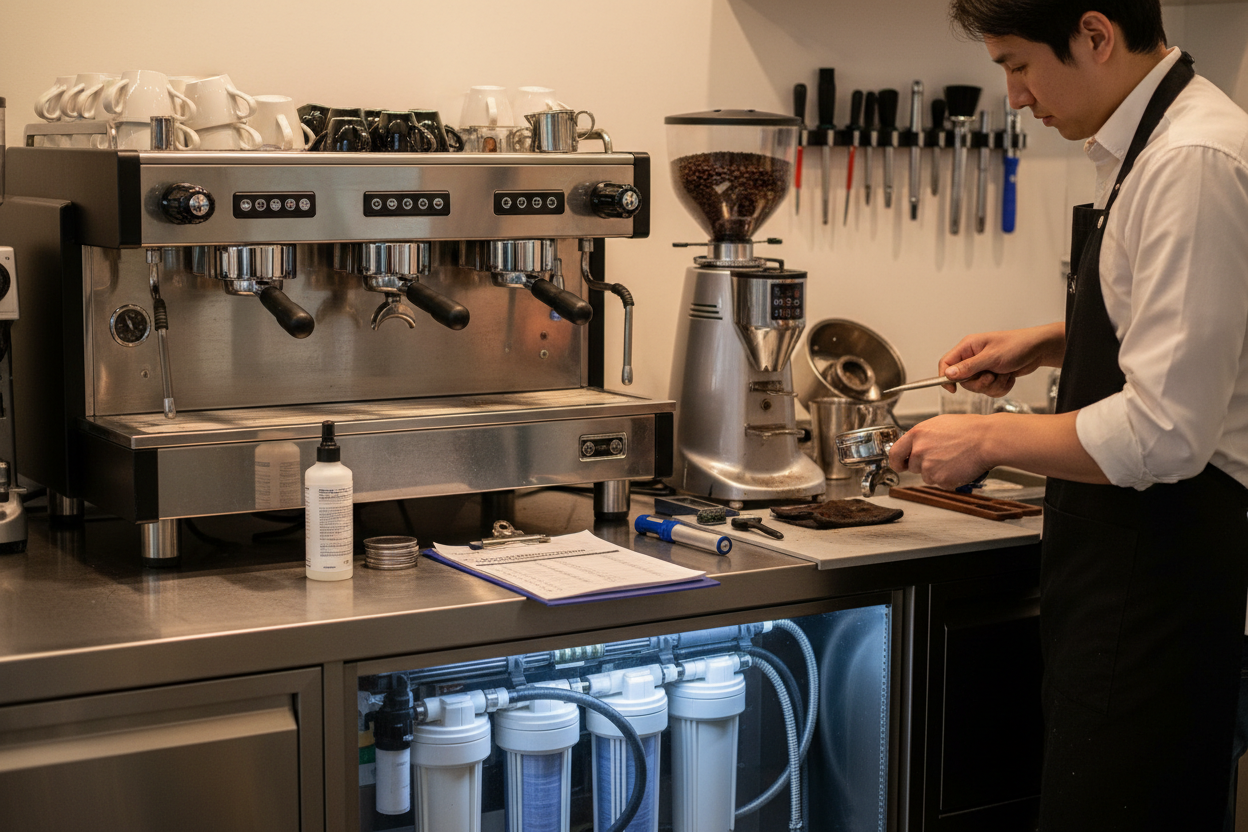
Starting a coffee brewing business, whether it's a cozy cafe, a bustling drive-thru, or a specialty mobile cart, taps into a vibrant market where demand rarely wanes. Essential context for understanding this profitability includes recognizing the widespread habit of coffee consumption across all demographics, the relatively low cost of raw materials versus the high price point of prepared drinks, and the versatile business models available.
High Profit Margins on Every Cup
In the United States, starting your day often means a stop at the local coffee spot, and for good reason: coffee boasts some impressive financial figures. The key to the coffee brewing business's profitability lies in its robust profit margins. While a pound of quality coffee beans might cost a few dollars, it can yield dozens of cups of brewed coffee. Even after factoring in labor, milk, cups, and overhead, a single cup of coffee, especially a specialty drink like a latte or cappuccino, can have a profit margin upwards of 70-80%. This significant markup on each sale quickly accumulates, driving strong overall revenue.

Consistent and Growing Demand Across the Nation
Americans have an enduring love affair with coffee, making it a staple in daily routines from coast to coast. This isn't just a trend; it's a deeply ingrained cultural habit. According to recent reports, over 60% of American adults drink coffee daily, consuming an average of about three cups. This consistent, high-volume demand ensures a steady stream of customers. People view coffee not just as a beverage but as a small, affordable luxury that brightens their day, a necessary energy boost, or a reason to socialize. This makes the coffee market resilient, even during economic downturns, as consumers often forgo larger expenses but keep their daily coffee habit.
Diverse Revenue Streams Beyond Just Brewed Coffee
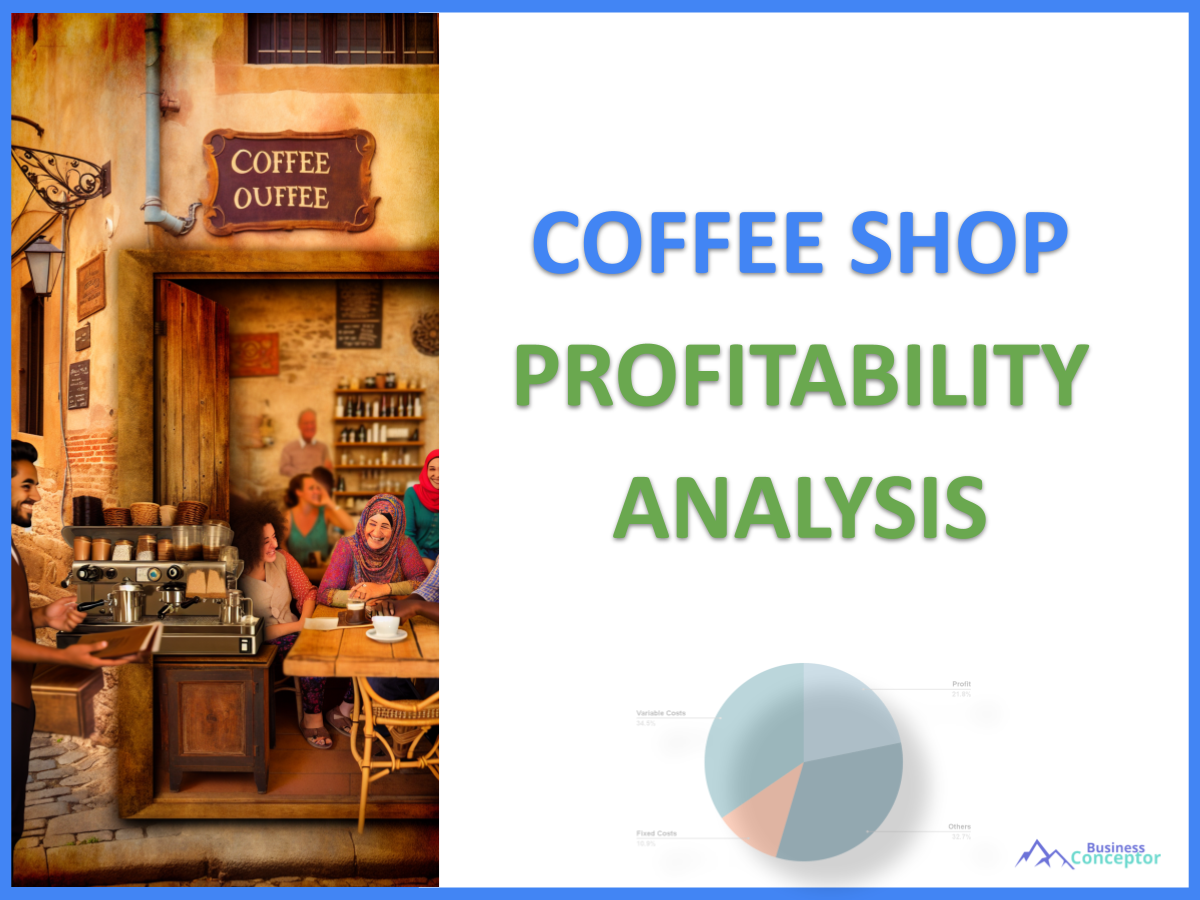
Beyond the classic drip coffee or latte, successful coffee businesses in the United States excel by offering a wide array of products, maximizing their earnings potential. A well-designed coffee shop doesn't just sell beverages; it can become a hub for pastries, sandwiches, snacks, and even branded merchandise like mugs and T-shirts. Many American coffee businesses also thrive on selling whole beans for home brewing, offering subscriptions, or providing catering services for local events. By diversifying their offerings, businesses create multiple points of sale and cater to varied customer preferences, boosting average transaction values and overall profitability.

Building Community and Fostering Brand Loyalty
In countless American towns and cities, coffee shops are more than just places to grab a drink; they are vibrant community centers where people connect, work, and relax. This role as a social hub is a powerful driver of repeat business and brand loyalty. When a coffee shop provides a welcoming atmosphere, consistent quality, and friendly service, it builds a loyal customer base. Americans love supporting local businesses, and a personalized, familiar coffee experience encourages patrons to return day after day, week after week. This loyalty translates directly into stable, predictable revenue, reducing marketing costs over time.
Scalability and Adaptability to Market Trends
The US coffee market is dynamic, allowing entrepreneurs to start small and grow their ventures in various exciting ways. Whether you begin with a mobile coffee cart serving morning commuters or a small kiosk in a busy office building, the coffee business offers incredible scalability. Once successful, you can expand to a full-service café, open multiple locations, or even develop a franchise model. Furthermore, the industry adapts well to changing consumer tastes. From plant-based milk options to ethically sourced beans and seasonal drink specials, businesses that stay agile can continually refresh their offerings to meet evolving American preferences, ensuring long-term relevance and profitability.
Key Variables Affecting Profitability
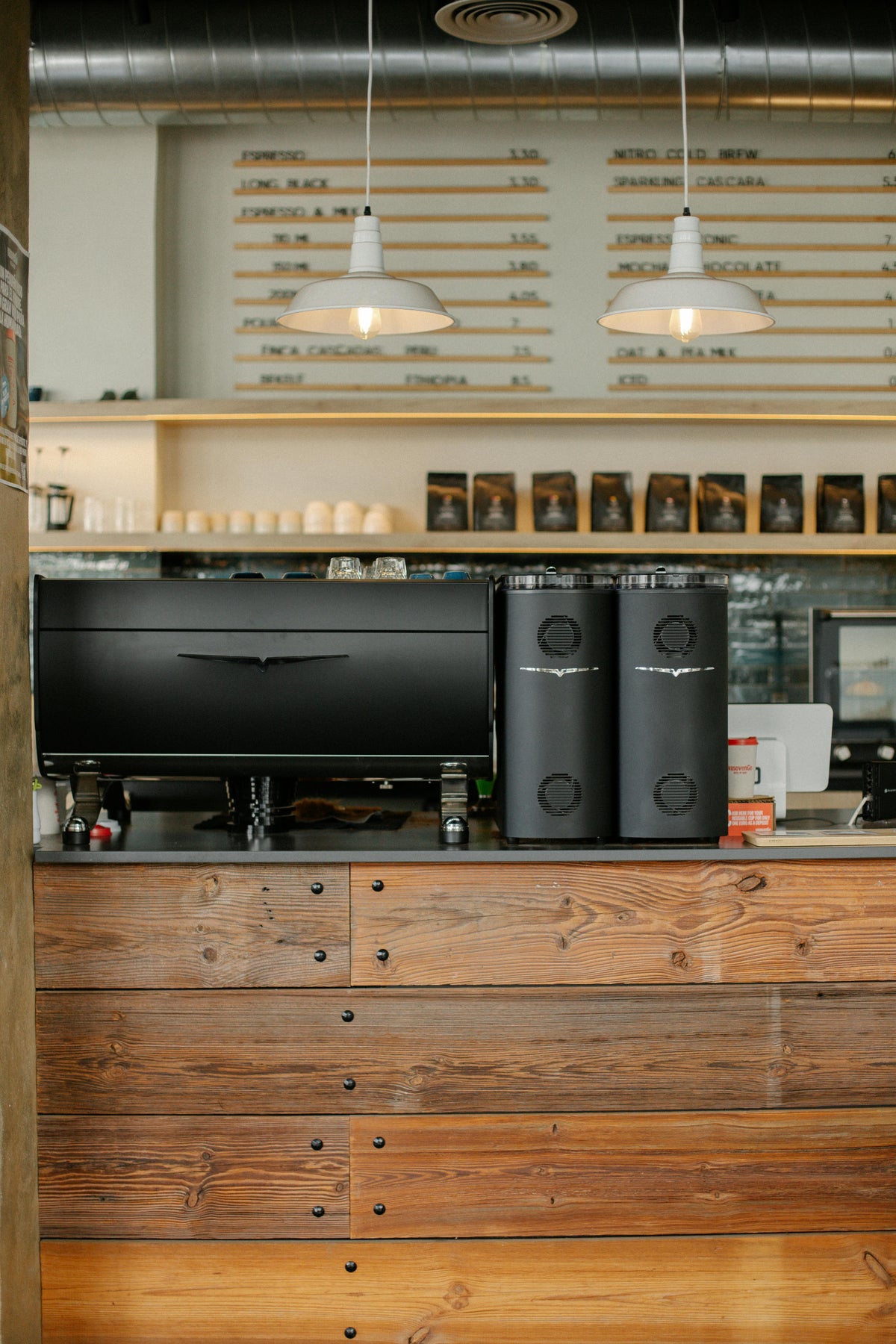
Several factors can influence how profitable a coffee brewing business becomes in the US market:
- Location: High-traffic areas (e.g., near offices, universities, or shopping centers) command more customers but also higher rent.
- Business Model: A drive-thru kiosk generally has lower overhead than a full-service cafe with extensive seating. Mobile carts have the lowest fixed costs but may face mobility restrictions.
- Menu and Pricing: Offering premium, high-margin specialty drinks (e.g., cold brews, elaborate lattes) can significantly increase revenue compared to just basic drip coffee. Competitive pricing is crucial.
- Operational Efficiency: Managing inventory, minimizing waste, optimizing staff schedules, and using energy-efficient equipment directly impact the bottom line.
- Marketing and Branding: A strong brand identity and effective local marketing can differentiate a business in a competitive market and attract more customers.
Common Mistakes and Limitations
While highly profitable, the coffee business isn't without its challenges in the US:
- Underestimating Startup Costs: A full-service cafe can require significant upfront investment in equipment, build-out, permits, and initial inventory.
- Oversaturation: Some urban areas are highly competitive, requiring unique offerings or exceptional service to stand out.
- Staffing Challenges: High employee turnover and the need for skilled baristas can impact service quality and operational costs.
- Quality Control: Inconsistent drink quality or poor customer service can quickly erode brand loyalty.
- Reliance on a Single Product: A menu too narrow without diverse offerings might limit revenue potential and customer appeal.
Frequently Asked Questions
Is it expensive to open a coffee shop in the US?
The cost varies greatly. A small mobile cart or kiosk might start from $20,000 – $60,000. A full-service café, including leasehold improvements, equipment, and initial inventory, can range from $80,000 to over $300,000, depending on size and location.
How long does it take for a coffee business to become profitable?
Many coffee businesses aim to break even within the first 6 to 18 months. Achieving consistent profitability depends on factors like startup costs, operational efficiency, pricing, and customer acquisition rates.
What is a good profit margin for a coffee shop?
A healthy gross profit margin for coffee drinks can be 70-85%. After all operating expenses, a net profit margin of 10-20% is generally considered good for a well-managed coffee shop.
Do I need special licenses to sell coffee in the US?
Yes, you'll need various permits, including a business license, health permits, and potentially food service permits from your local and state authorities. Requirements vary by location, so checking with your local county or city administration is essential.
Your Next Steps: Brew Your Business Dreams
The coffee brewing business presents a compelling opportunity for entrepreneurs in the United States, blending passion with significant profit potential. If you're considering entering this market, start by researching your local area for demand and competition. Develop a detailed business plan outlining your concept, financial projections, and marketing strategy. With careful planning and a commitment to quality and community, your coffee brewing venture can thrive.