Why Coffee Brewing Jobs Are Bad: The Harsh Reality
While the idea of crafting delicious lattes and connecting with customers in a cozy café often sparks a romantic image, a coffee brewing job in the USA comes with its unique set of challenges. For many, the reality of working as a barista involves more than just perfecting espresso shots; it encompasses low wages, demanding customer service, physical strain, and often limited career advancement.

Introduction: The American Dream of the Perfect Cup
In the bustling coffee shops across America, from the independent neighborhood spot in Portland, Oregon, to the corporate giants in New York City, countless individuals embark on careers as coffee brewers, or baristas. Many are drawn to the vibrant culture, the artistry of latte art, and the chance to be part of their community's daily ritual. However, behind the aromatic steam and friendly smiles, the role of a barista often presents significant hurdles that can make it a less-than-ideal long-term career path for many in the United States. This article will delve into the often-overlooked downsides of coffee brewing jobs, helping you make an informed decision about stepping behind the espresso machine.
Understanding the Barista Role: More Than Just Brewing Coffee
Across the diverse landscape of American coffee culture, from the drive-thru espresso stands of the Pacific Northwest to the artisan cafes of Brooklyn, New York, the barista's role is often underestimated. Many newcomers to the industry might envision a relaxed environment focused solely on the craft of coffee. In reality, being a barista in the U.S. hospitality scene is a multifaceted job that demands a wide array of skills beyond just brewing.
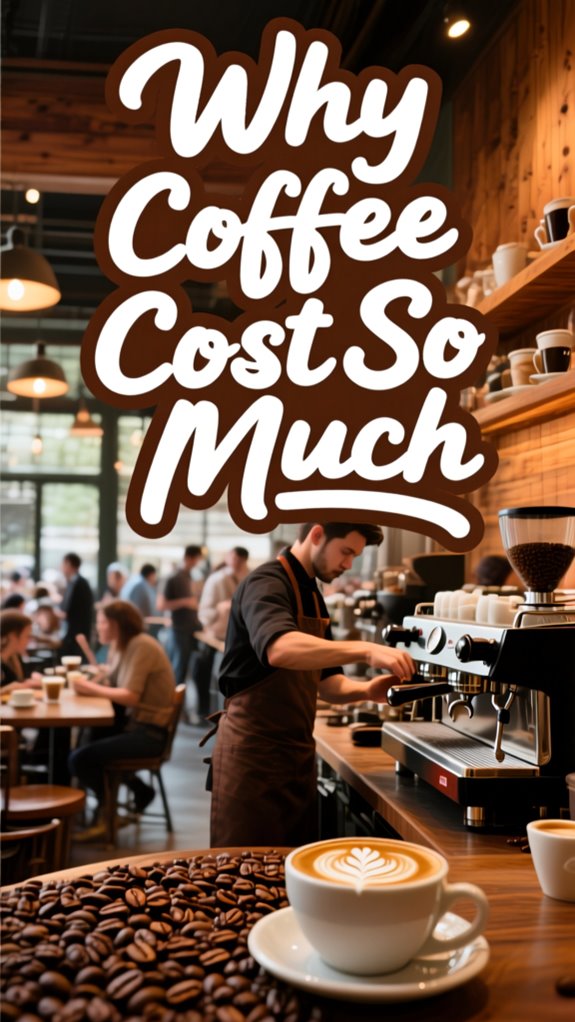
A barista is essentially the front-line ambassador of a coffee shop. They are responsible for expertly preparing a variety of coffee and tea beverages, often customizing orders to individual preferences. This also includes handling cash and card transactions, cleaning and maintaining equipment, managing inventory, and keeping the café tidy. Moreover, excellent customer service is paramount, requiring baristas to greet customers, take orders accurately, and resolve any issues with a positive attitude. It's a role that blends culinary skill, retail operations, and customer relations, making it far more complex and demanding than often perceived.
The Grind of Low Wages and Limited Benefits
In many parts of the United States, especially in areas with a lower cost of living, coffee brewing jobs are frequently associated with some of the lowest wages in the service industry. While the lure of making a living doing something you love is strong, the financial reality can be harsh.
Most barista positions start at or just above the state or federal minimum wage, which, depending on where you are in the U.S., might not be enough to comfortably cover basic living expenses. For instance, in a city like Des Moines, Iowa, where the minimum wage is tied to the federal rate, a barista might struggle significantly more than one in Seattle, Washington, where the city's minimum wage is considerably higher. While tips can supplement income, they are often unpredictable and can vary wildly based on location, time of day, and customer generosity. Furthermore, many coffee shops, particularly smaller independent ones, struggle to offer comprehensive benefits packages. This means baristas often go without health insurance, paid sick leave, or retirement plans, leaving them vulnerable to financial instability, especially during illness or unforeseen events. The constant worry about making ends meet can quickly erode the joy of the job.

High-Pressure Environment and Demanding Customer Service
Anyone who has worked in customer service in the United States can attest to its unique challenges, and coffee brewing jobs are no exception. From the bustling morning rush in a downtown Chicago café to the steady flow of afternoon regulars in a suburban California spot, the environment can be incredibly high-pressure.
Baristas are expected to prepare drinks quickly and accurately, often managing multiple complex orders simultaneously while maintaining a friendly demeanor. The "rush" periods can be frantic, testing one's ability to multitask under stress. Moreover, dealing with the public means encountering a spectrum of personalities. Baristas frequently face demanding or impatient customers, special requests, and sometimes even outright rudeness. This requires significant emotional labor – the effort to suppress genuine feelings and display desired emotions – which can be draining. Maintaining a positive attitude and a welcoming smile, even when feeling overwhelmed or undervalued, is an unspoken requirement that contributes to burnout.
Physical Strain and Health Concerns
Working behind the counter of a coffee shop in America, whether it's a small local joint in Austin, Texas, or a large chain store in Boston, Massachusetts, involves a surprising amount of physical exertion. It's not just standing around; it's a physically demanding role that can take a toll on the body.
Baristas spend entire shifts on their feet, often for eight hours or more without much opportunity to sit down. This constant standing can lead to foot, leg, and back pain, and contribute to conditions like plantar fasciitis or varicose veins over time. The repetitive motions involved in making drinks – grinding beans, tamping espresso, steaming milk, and pouring – can strain wrists, shoulders, and arms, potentially leading to repetitive strain injuries such as carpal tunnel syndrome. Beyond this, baristas are constantly exposed to hot liquids, steam, and sharp objects, increasing the risk of minor burns, cuts, and slips on wet floors. The combination of long hours, constant movement, and potential hazards makes it a job that can seriously impact a person's long-term physical well-being.

Limited Career Growth and Skill Development
For many looking for a long-term career path in the United States, coffee brewing jobs often present a significant hurdle: limited opportunities for growth. While some might see it as a stepping stone, the path to advancement within the industry itself can be narrow and slow.
In a small, independent coffee shop in, say, Asheville, North Carolina, the hierarchy might only extend to a manager position, which might already be filled or rarely opens up. For larger chains, there might be more structured paths to shift supervisor, assistant manager, or even store manager roles. However, these positions are competitive, often require significant experience, and still might not offer the kind of salary or benefits that lead to long-term financial stability. The skills developed as a barista – excellent customer service, time management, and beverage preparation – are valuable, but they are often not seen as highly specialized or transferable to other, higher-paying industries without additional training or education. This can lead to a feeling of stagnation, where individuals passionate about coffee find themselves unable to advance their careers or increase their earning potential significantly.
Irregular Hours and Work-Life Balance Challenges
The American coffee shop experience often starts early and ends late, meaning baristas in places like a bustling Manhattan café or a quiet suburban coffee stand face a challenging schedule that can disrupt personal life. The nature of the business dictates when people want their coffee, leading to shifts that can make maintaining a healthy work-life balance difficult.
Many coffee shops open before dawn to catch the morning commute, requiring baristas to start their shifts as early as 4 or 5 AM. Others stay open late into the evening, catering to students or those seeking a nighttime pick-me-up. Weekend and holiday shifts are also common, as these are peak times for many establishments. This irregular scheduling can make it hard to plan social activities, attend family events, or pursue hobbies. It can also disrupt sleep patterns, leading to fatigue and stress. For those with family responsibilities or who are trying to balance work with education, the unpredictable and often inconvenient hours of a coffee brewing job in the USA can be a major source of frustration and burnout.

Common Misconceptions About Barista Work
In the diverse tapestry of American service jobs, barista work often carries a few popular, yet often misleading, perceptions. These myths can set unrealistic expectations for those considering the role, making the reality even tougher to face.
One common misconception is that being a barista is a "chill" or easy job. The idea of calmly preparing drinks in a relaxed atmosphere is appealing, but as discussed, the reality involves intense pressure, multitasking, and demanding customer interactions, especially during peak hours. Another myth is that it's a quick and glamorous path to coffee entrepreneurship. While some baristas do eventually open their own shops, the journey is long, requires significant capital, business acumen beyond brewing skills, and an understanding of the immense operational challenges. Finally, some might believe it's always a deeply artistic and fulfilling creative outlet. While latte art can be beautiful, and there's certainly skill involved, a large portion of the job is repetitive, involves cleaning, and lacks the creative freedom many imagine, especially in corporate settings.
Is a Coffee Brewing Job Always Bad? Nuances and Exceptions
While we've explored many of the downsides, it's crucial to acknowledge that a coffee brewing job isn't universally bad for everyone in the USA. There are significant nuances and exceptions that can greatly alter a person's experience.
For individuals seeking part-time work, perhaps during college in a university town like Madison, Wisconsin, or as a secondary income, the flexibility and lower commitment can be a benefit. For those genuinely passionate about coffee and its intricate science, working in a specialty café that emphasizes education and quality can be highly rewarding, offering opportunities to deepen knowledge and skill. Some independent cafes, run by thoughtful owners, might offer better wages, benefits, and a more supportive work environment than larger chains, fostering a strong sense of community. Furthermore, for some, a barista job serves as an excellent first job, teaching invaluable customer service, responsibility, and teamwork skills that are highly transferable. It can also be a social hub, connecting individuals with their local community. The key lies in finding the right fit – an employer who values their staff, a supportive team, and personal circumstances that align with the job's demands.
Key Takeaways
- Low Wages: Many barista jobs in the USA offer near-minimum wage pay, often relying heavily on unpredictable tips, making financial stability a challenge.
- Limited Benefits: Comprehensive health insurance, paid time off, and retirement plans are often absent, especially in smaller establishments.
- High Pressure: The role demands fast-paced work, multitasking, and constant interaction with a diverse range of customers, leading to emotional and mental strain.
- Physical Demands: Long hours of standing and repetitive motions can cause significant physical discomfort and lead to long-term health issues.
- Stagnant Career Growth: Opportunities for advancement within the coffee industry can be limited, and the skills acquired may not easily translate to higher-paying careers without further education.
- Poor Work-Life Balance: Irregular and early/late shifts, as well as weekend work, can make it difficult to maintain a healthy personal life and social schedule.
FAQs
What are the biggest challenges for baristas in the US?
The biggest challenges for baristas in the US typically include low wages and inconsistent tips, demanding customer service that requires constant positivity under pressure, the physical strain of long hours on their feet with repetitive motions, and often limited opportunities for career advancement.
Can you make a living as a barista in the US?
Making a comfortable living as a barista in the US is challenging for most. While it's possible to cover basic expenses, especially with good tips in high-traffic, higher-cost-of-living areas, it rarely offers the financial stability or growth opportunities associated with a "living wage" in many parts of the country without significant supplementary income.
Are there any benefits to working as a barista?
Absolutely! Beyond the downsides, benefits include developing excellent customer service and communication skills, learning a craft (coffee preparation), often working in a dynamic and social environment, making connections within the community, and for some, the flexibility of part-time hours.
What other jobs are similar to barista work but with better prospects?
Roles in the broader hospitality industry like hotel front desk, event coordination, or even some aspects of catering can offer similar customer interaction skills but often come with more structured career paths, better pay, or benefits. For those interested in food and beverage, becoming a chef's assistant or working in a fine dining restaurant might also offer more specialized skill development.
How can someone improve their experience if they choose a barista job?
To improve the experience, look for specialty coffee shops known for valuing their employees, offering competitive wages and benefits, and providing training or growth opportunities. Consider locations with a higher minimum wage or where tipping culture is stronger. Treating it as a temporary role or a stepping stone while pursuing education or other career goals can also shift perspective and reduce long-term frustrations.
Conclusion: Weighing Your Options in the American Coffee Scene
Deciding whether a coffee brewing job is right for you in the United States requires a careful look beyond the appealing aroma of fresh coffee. While the role offers unique joys and opportunities for connection, it also comes with substantial drawbacks regarding financial stability, physical demands, and career progression. For some, it's a fulfilling passion or a perfect temporary gig. For others, particularly those seeking a long-term, financially secure career, the "bad" aspects can quickly outweigh the good. By understanding these realities, you can make a more informed decision and navigate the vibrant, yet challenging, world of American coffee brewing.