How to Add a Mini Fridge to Your Home Coffee Bar
Adding a mini-fridge to your home coffee bar typically involves choosing the right spot, ensuring power access, and organizing its contents effectively.
Ah, the dream of a perfectly equipped home coffee bar – a sanctuary where every brew is a masterpiece and every ingredient is just within reach. If you've ever found yourself wishing for perfectly chilled milk, fresh cream, or even a cold brew concentrate right at your fingertips, you're not alone. I’ve spent countless hours perfecting my own coffee setups, both for personal enjoyment and for clients, and I can tell you first-hand that integrating a mini-fridge is a game-changer. It elevates convenience, preserves freshness, and truly completes the experience. We're not just talking about storing a carton of milk; we're talking about crafting a seamless coffee ritual. Let's dive into how you can transform your coffee nook into the ultimate beverage hub by adding a mini-fridge, making every coffee moment effortlessly delightful.
Why a Mini-Fridge is a Must-Have for Your Coffee Bar
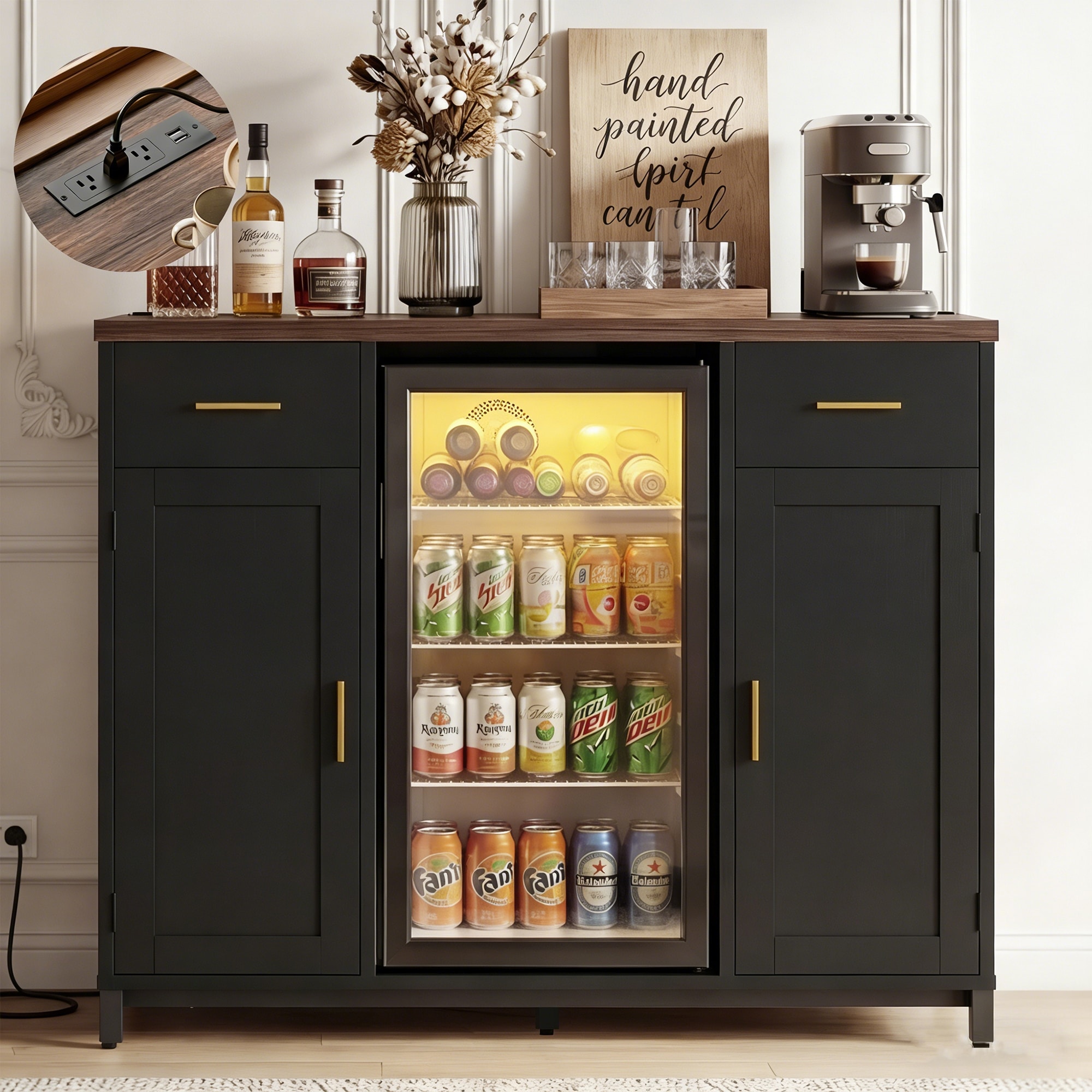
Imagine stepping up to your home coffee bar, ready to craft that perfect latte, only to realize you have to trek to the kitchen for milk. It breaks the flow, doesn't it? A dedicated mini-fridge solves this immediately, placing all your dairy, syrups, and cold brew concentrates right where you need them. From my own experience setting up various coffee stations, adding a mini-fridge has consistently been one of the most impactful upgrades for both convenience and maintaining ingredient freshness.
Beyond just milk, a mini-fridge opens up a world of possibilities for your coffee bar. You can store specialty creamers, a variety of flavored syrups that need refrigeration, and even pre-made cold brew for those grab-and-go mornings. This not only enhances your daily brewing ritual but also keeps your main kitchen fridge less cluttered, which is a win-win in any household. It transforms your coffee bar from a simple brewing station into a fully self-sufficient beverage hub, ready for any craving.
Choosing the Perfect Mini-Fridge for Your Setup
Selecting the right mini-fridge is a crucial first step, and it really depends on your available space and your specific coffee habits. You'll want to consider factors like the fridge's physical dimensions, its internal capacity, and even how much noise it generates. I once chose a particularly noisy mini-fridge for a client's quiet office space, and we quickly learned that the constant hum was a distraction, leading to an immediate swap.
Here are the key considerations when picking out your ideal mini-fridge:
- Size and Capacity: Measure your available space meticulously. Will it sit on a counter, fit under a cabinet, or be a standalone unit? Think about what you'll store. Do you just need a quart of milk, or do you want to keep multiple types of dairy, cold brew, and perhaps even some sparkling water? A good rule of thumb for a small coffee bar is a 1.6 to 2.5 cubic foot mini-fridge, which offers ample space without being too bulky.
- Noise Level: Some mini-fridges can be surprisingly loud. If your coffee bar is in a living area or a place where quiet is valued, look for models advertised as "silent" or with low decibel ratings. Compressor-based fridges are typically more efficient but can be noisier than thermoelectric models, which are quieter but generally less powerful.
- Energy Efficiency: Look for ENERGY STAR certified models. While a mini-fridge uses less power than a full-sized refrigerator, efficiency still matters for your electricity bill and environmental impact.
- Features: Do you need a small freezer compartment for ice? Adjustable shelves can be incredibly useful for accommodating different-sized bottles and containers. Reversible doors can also be a lifesaver if you're tight on space and need flexibility in door swing direction.
- Aesthetics: A mini-fridge should complement your coffee bar's overall look. They come in various finishes, from sleek stainless steel to retro colors, so you can find one that blends seamlessly with your decor.

Source: pineandpoplar.com
Strategic Placement and Power Considerations
Once you have your perfect mini-fridge, its placement and power source are paramount for both functionality and safety. You can't just plug it in anywhere; careful planning ensures longevity for your appliance and prevents potential hazards. I’ve seen setups where poor ventilation led to overheating, significantly shortening the life of the unit and causing frustration.
Consider these points for optimal placement and power:
- Ventilation is Key: A mini-fridge needs airflow around its compressor coils to operate efficiently and prevent overheating. Leave several inches of space on all sides and the back, especially if it's nestled into a cabinet or against a wall. Avoid placing it in direct sunlight or next to heat-generating appliances like ovens or dishwashers, as this forces the mini-fridge to work harder.
- Level Surface: Always place your mini-fridge on a sturdy, level surface. An unlevel fridge can cause the compressor to work inefficiently, leading to excess noise and premature wear. Many models have adjustable feet to help you achieve perfect balance.
- Dedicated Power Outlet: It's best to plug your mini-fridge directly into a wall outlet. Avoid overloading circuits by sharing an outlet with other high-wattage appliances like coffee makers, grinders, or blenders. If you must use an extension cord, ensure it's a heavy-duty, grounded cord rated for the appliance's wattage, and keep it as short as possible. Using a surge protector is also a smart move to protect your mini-fridge from power fluctuations.
- Cord Management: Keep power cords tidy and out of the way to prevent tripping hazards. Adhesive cable clips or sleeves can help secure the cord neatly along the wall or behind the coffee bar setup, maintaining a clean and professional look.

Source: wayfair.com
Optimizing Your Mini-Fridge for Coffee Essentials
Having a mini-fridge is one thing; optimizing it for your coffee bar is another. The goal is to make it as functional and efficient as possible, ensuring every item serves its purpose and is easily accessible. Think of it as a small, specialized pantry just for your brews.
Here’s how to best stock and organize your mini-fridge:
- Dairy Selection: Dedicate space for your preferred milk – whole, skim, oat, almond – and perhaps a small container of half-and-half or heavy cream for specialty drinks. I personally love having a small bottle of condensed milk on hand for a Vietnamese-style iced coffee treat. Keep these in easy-to-grab spots, perhaps in the door bins if they fit well.
- Cold Brew Concentrate: If you're a cold brew enthusiast, a jug of concentrate is a must. Store it upright, and consider clear, airtight containers to easily see the remaining quantity.
- Flavored Syrups: Many specialty coffee syrups, especially those made with natural ingredients, require refrigeration after opening. Group them together for quick access, ensuring they don't block air vents inside the mini-fridge.
- Ice, Glorious Ice: A small freezer compartment in your mini-fridge is fantastic for ice cubes, essential for iced coffees and cold brews. If your model doesn't have one, consider a small, insulated ice bucket that you can refill from your main freezer as needed.
- Small Extras: Don’t forget about lemon wedges for iced tea, sparkling water for spritzers, or even a small container of whipped cream. These little additions can elevate your coffee bar's versatility.
- Temperature and Cleaning: Set your mini-fridge to around 35-38°F (1.7-3.3°C) for optimal freshness of dairy products. Regular cleaning, say once a month, will prevent odors and maintain hygiene. A simple wipe-down with a mild, food-safe cleaner works wonders.
Source: walmart.com
Seamless Integration and Aesthetic Touches
A well-planned coffee bar mini-fridge isn't just about functionality; it's also about creating an appealing and cohesive aesthetic. You want the mini-fridge to look like it belongs, not like an afterthought. When I design home coffee bars, I always emphasize blending the utilitarian with the beautiful.
Here are some tips for making your mini-fridge a natural part of your coffee oasis:
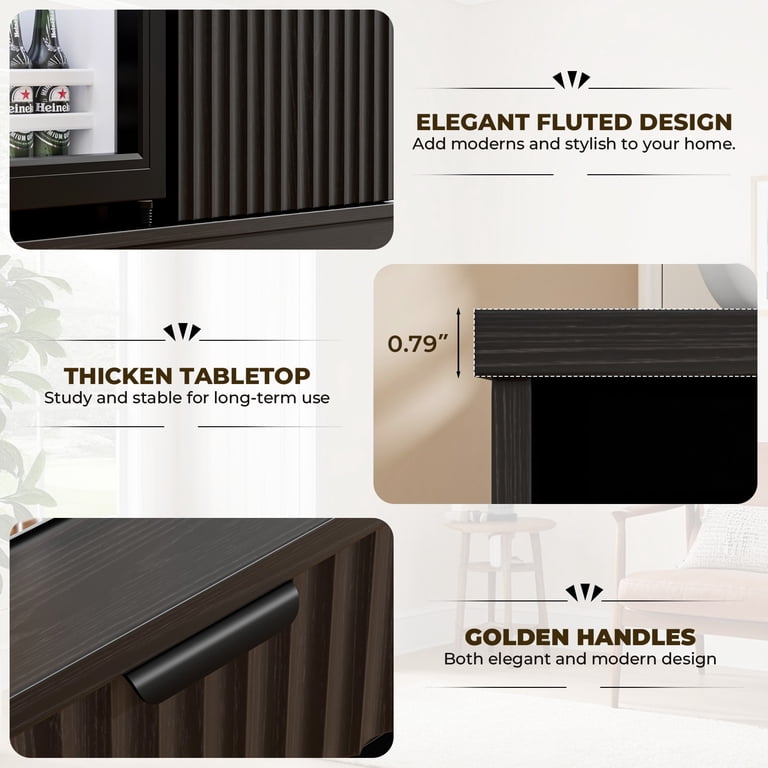
- Match Your Style: Choose a mini-fridge that complements the existing decor of your coffee bar and the surrounding room. If your coffee station has a sleek, modern feel, a stainless steel or black mini-fridge might be perfect. For a rustic or vintage vibe, consider a retro-styled model in a fun color.
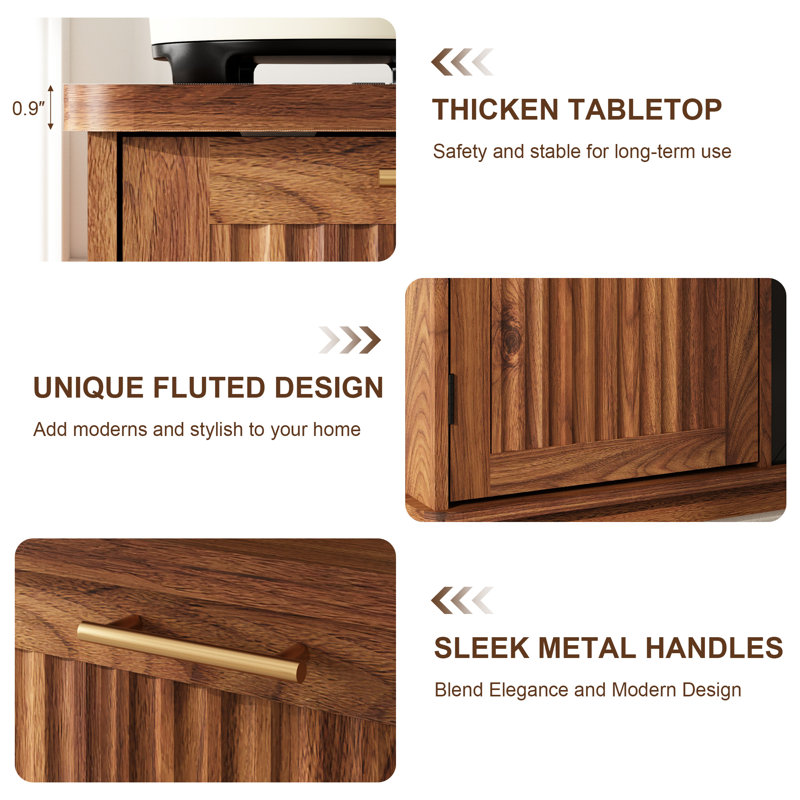
- Built-in or Freestanding: Decide if you want your mini-fridge to appear built-in or as a freestanding appliance. For a truly integrated look, you might incorporate it into custom cabinetry, ensuring proper ventilation. Freestanding options offer more flexibility and can be moved if you decide to reconfigure your space.
- Conceal Cords: Messy cords can quickly detract from an otherwise beautiful setup. Use cord covers, cable ties, or channel strips to keep power cords hidden and tidy. Running them behind cabinets or along baseboards can make a huge difference in the overall appearance of your mini-fridge setup.
- Add Decorative Elements: Surround your mini-fridge with intentional decor. This could include a stylish coffee mug rack above it, a small tray for sugar and stirrers on top, or even a small plant to add a touch of greenery. These elements help to frame the mini-fridge and make it feel like an integral part of your coffee bar.

Source: dutchcraftfurniture.com
Troubleshooting Common Mini-Fridge Issues
Even the most reliable mini-fridge can sometimes act up. Knowing a few basic troubleshooting steps can save you a service call and get your coffee bar back in perfect working order quickly. From my experience, many issues are simple fixes, often related to power or placement.
Here are some common problems and their solutions for your mini-fridge:
- Mini-Fridge Not Cooling: First, check the power. Is it plugged in securely? Is the outlet working (test with another appliance)? If power is fine, check the thermostat setting – it might have been accidentally turned down. Ensure the door seal is intact and closing tightly; a loose seal lets cold air escape. Lastly, verify there’s adequate ventilation around the unit.
- Excessive Noise: A humming mini-fridge is normal, but loud rattling or buzzing might indicate an issue. First, make sure the mini-fridge is level; an uneven surface can cause vibrations. Check if anything inside is rattling against the walls or shelves. Sometimes, the compressor fan might be hitting something or needs a clean.
- Frost Buildup: This often happens in models without automatic defrost. If you see a thick layer of frost, it’s time to manually defrost the unit. Unplug it, empty its contents, and let the ice melt naturally (placing towels to catch water). To prevent future buildup, ensure the door seal is good and avoid leaving the door open for extended periods.
- Water Leaking or Condensation: Leaks typically stem from a clogged defrost drain or a faulty door seal. Check the drain hole at the back inside the mini-fridge (if applicable) and clear any obstructions. A loose or damaged door seal will also cause condensation and potential leaks as warm, humid air enters.

Source: pineandpoplar.com
Frequently Asked Questions of How to Add a Mini-Fridge to Your Home Coffee Bar
How often should I clean my coffee bar mini-fridge?
It's a good practice to give your mini-fridge a thorough cleaning every 1-3 months, depending on how frequently you use it and how messy it gets. A quick wipe-down of spills as they happen will also help maintain cleanliness.
Is a mini-fridge energy efficient?
Most modern mini-fridges are quite energy efficient, especially those with an ENERGY STAR rating. They consume significantly less power than full-sized refrigerators, making them a cost-effective addition to your coffee bar.
Can I store ice cream in a mini-fridge?
Many mini-fridges, particularly those with a small freezer compartment, can keep ice cream frozen. However, their freezer sections might not be as cold or consistent as a dedicated freezer, so monitor the temperature to ensure optimal storage.
What's the best temperature for a coffee bar mini-fridge?
The ideal temperature for storing dairy and most coffee bar essentials in your mini-fridge is between 35-38°F (1.7-3.3°C). This range helps keep items fresh without freezing them.
Do mini-fridges need special wiring?
No, a standard 120V household outlet is typically sufficient for a mini-fridge. However, avoid plugging it into an overloaded circuit with other high-draw appliances to prevent tripping breakers.
Conclusion
Adding a mini-fridge to your home coffee bar is more than just a convenience; it's an elevation of your entire coffee experience. By thoughtfully selecting the right unit, ensuring proper placement, and optimizing its contents, you'll create a seamless, efficient, and ultimately more enjoyable brewing station. This dedicated mini-fridge ensures your milk is always cold, your syrups are perfectly chilled, and your coffee ritual flows without interruption. It's a small change that delivers big returns in daily satisfaction and the overall functionality of your home.
Ready to transform your coffee corner? Take these steps to heart, choose the perfect mini-fridge, and share your upgraded coffee bar setup with us! Explore new cold brew recipes or experiment with various milk frothing techniques, all made easier with your new, perfectly integrated mini-fridge.