
Coffee Grind Size for Different Roasts: Optimize Flavor
Understanding Grind Size Settings for Different Coffee Roasts
Adjusting your coffee grind size is crucial for proper extraction and optimal flavor, especially when brewing different roast levels.
Unlocking the full potential of your coffee beans hinges on a single, often overlooked, factor: the grind size. Many home baristas and coffee enthusiasts diligently choose their beans and brewing method, only to miss the nuanced art of matching the grind setting to the roast. This oversight can lead to a cup that's either disappointingly weak and sour or aggressively bitter and unpleasant. Through years of hands-on experimentation and countless brewing sessions, I’ve discovered that mastering this relationship between roast level and grind size is not just a technicality but the secret handshake to consistently delicious coffee. In this comprehensive guide, we'll delve deep into why understanding grind size settings for different coffee roasts is paramount, transforming your daily brew from good to extraordinary.

The Foundation: Why Grind Size Matters
At its core, coffee brewing is about extraction – drawing out soluble flavors and aromas from ground coffee using hot water. Think of each coffee particle as a tiny flavor packet. The magic happens when water interacts with the surface area of these particles. When you adjust your coffee grind size, you're directly controlling this surface area. A finer grind exposes more surface area to the water, allowing for quicker and more intense extraction. Conversely, a coarser grind offers less surface area, leading to a slower and gentler extraction.
Getting this balance right is key to avoiding two common pitfalls: under-extraction and over-extraction. Under-extracted coffee often tastes sour, weak, and underdeveloped because the water hasn't had enough time to pull out all the good stuff. On the other hand, over-extracted coffee tastes bitter, astringent, and can feel dry in your mouth, indicating that too many undesirable compounds have been leached out. From countless hours spent fine-tuning my own brewing, I've learned that grind size is your primary lever for dialing in that perfect extraction for any given roast.

Understanding Coffee Roasts: A Quick Primer
Before we dive into specific grind settings, let's briefly define what we mean by different coffee roasts. Each roast level interacts with heat differently, developing unique characteristics that demand tailored brewing approaches. Understanding these nuances is fundamental to mastering grind size settings for different coffee roasts.
Light roasts are typically stopped shortly after the first crack, preserving much of the bean's original characteristics, including its acidity, floral notes, and fruity flavors. These beans are denser and have a lighter brown color. Medium roasts continue past the first crack but stop before the second crack, offering a balanced flavor profile with more body and less acidity than light roasts, often showcasing nutty or caramel notes. The bean surface is dry. Dark roasts are roasted into or past the second crack, resulting in a darker, often oily, bean surface. These roasts feature bolder, smoky, and chocolatey flavors, with significantly reduced acidity. Their internal structure becomes more porous due to prolonged heat exposure.
 level”
style=”max-width: 100%; height: auto; border: 2px solid black; border-radius: 10px; display: block; margin: 0 auto;”
loading=”lazy”
/>
Optimal Grind Size Settings for Each Roast level
adjusting your grind size for each roast isn't just a suggestion; it's a necessity for achieving the best flavor. Each roast level has a distinct physical structure and chemical composition that dictates how it should be ground and extracted. Here’s a breakdown based on my experience.
Light Roasts: Finer Grind, Slower Extraction
Light roast beans are denser and harder than their darker counterparts. This density means that water has a harder time penetrating the bean particles to extract flavors. To compensate, a finer grind is usually necessary to increase the surface area and facilitate proper extraction. For brewing methods like pour-over, AeroPress, or even espresso, I typically opt for a grind that's noticeably finer than what I'd use for a medium roast. This allows the water to extract those delicate, complex flavors – the bright acidity and fruity notes – without leaving them behind.
In my journey to perfect light roast espresso, I've found that pushing the grind significantly finer, often just shy of what would choke the machine with a darker roast, is key. It's a delicate dance, but when you hit that sweet spot, the espresso is incredibly vibrant and nuanced, showcasing the true character of the bean. If your light roast tastes sour or watery, your grind is almost certainly too coarse.
Medium Roasts: The Versatile Middle Ground
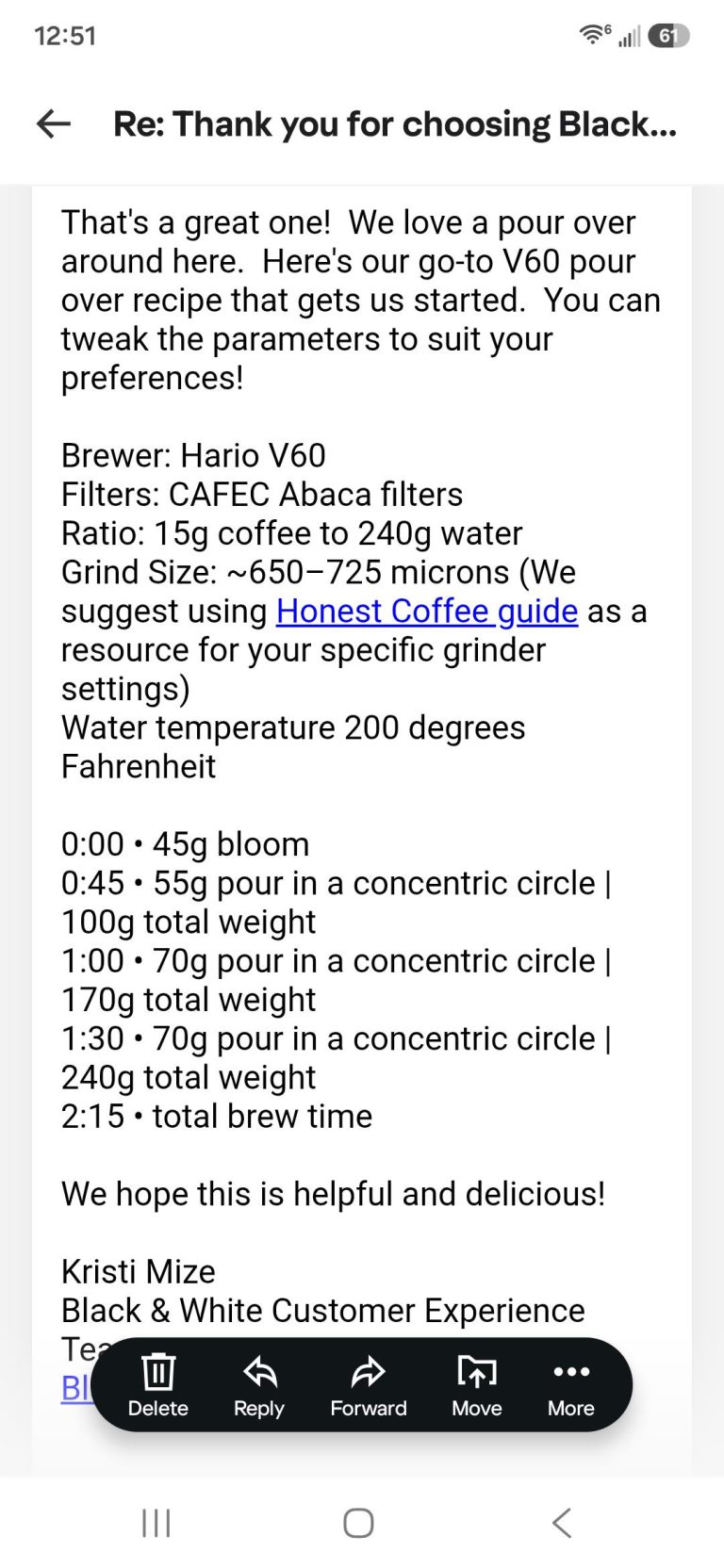
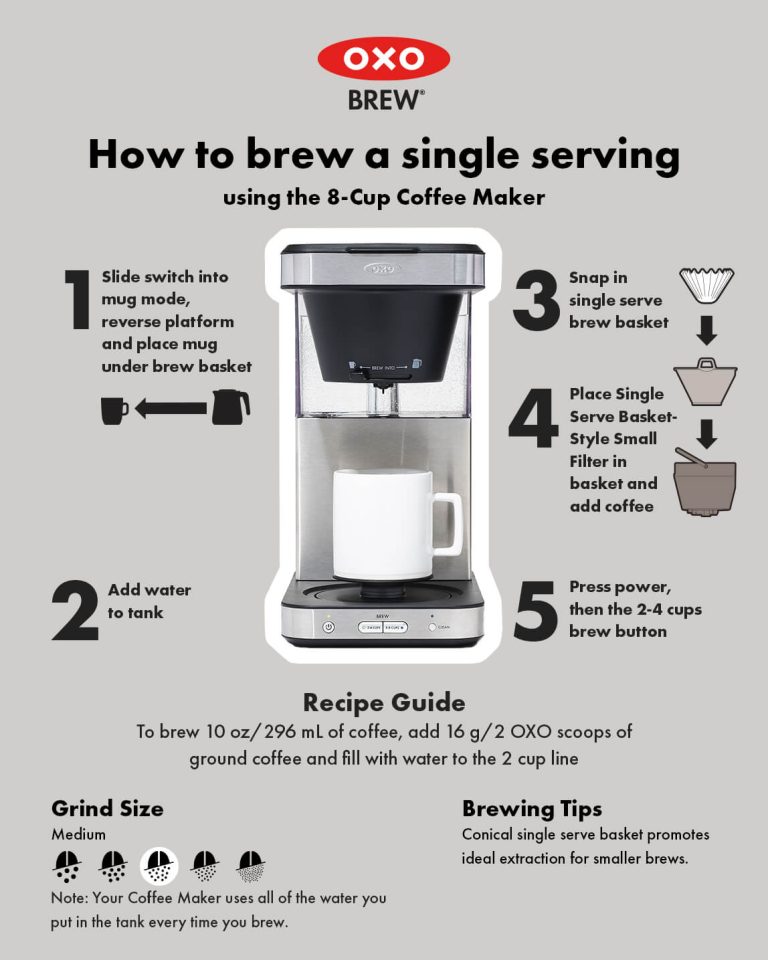
Medium roast beans offer a beautiful balance, making them incredibly versatile. Their density is moderate, and their flavor profile is often well-rounded, allowing for a broader "sweet spot" in terms of grind size. For automatic drip coffee makers, pour-overs, or even a balanced French press, a medium grind typically works wonders. This allows for a good rate of extraction, bringing out a harmonious blend of sweetness, acidity, and body.
This is often the "safe zone" for experimentation. If you're unsure where to start, a medium grind is a great jumping-off point for most brewing methods with medium roasts. From there, you can make minor adjustments – slightly finer for a bit more body and punch, slightly coarser for a lighter, cleaner cup – until you find what you love. I often use a medium grind for my everyday pour-over with medium roasts, finding it consistently delivers a satisfying cup.
Dark Roasts: Coarser Grind, Faster Extraction
Dark roast beans are more porous and brittle due to longer roasting times, and they often have oils on their surface. This means they are much more soluble and extract flavors much faster. Grinding dark roasts too finely is a common mistake that leads to overwhelmingly bitter, burnt-tasting coffee. To avoid over-extraction and tame the bitterness, a coarser grind is generally preferred. This limits the surface area exposed to water, slowing down the extraction and allowing you to capture the rich, smoky, and chocolatey notes without drawing out harsh bitterness.
I vividly remember one of my earliest attempts at brewing a dark roast in a French press, grinding it to what I thought was a "standard" medium. The resulting brew was so astringent it was almost undrinkable. That experience taught me the critical lesson: for dark roasts, especially in immersion brewers like a French press or automatic drip, a distinctly coarser grind is your best friend. It lets those bold flavors shine without the accompanying acrid notes.
Factors Beyond Roast: Water, Time, and Equipment
While understanding grind size settings for different coffee roasts is paramount, it's part of a larger ecosystem. Water temperature plays a significant role; generally, water between 195°F and 205°F is ideal, as too cold won't extract effectively, and too hot can burn the grounds. Brew time is also inextricably linked to grind size – a finer grind typically requires a shorter brew time, while a coarser grind needs more time. Adjusting these three elements in harmony is the art of perfect brewing.
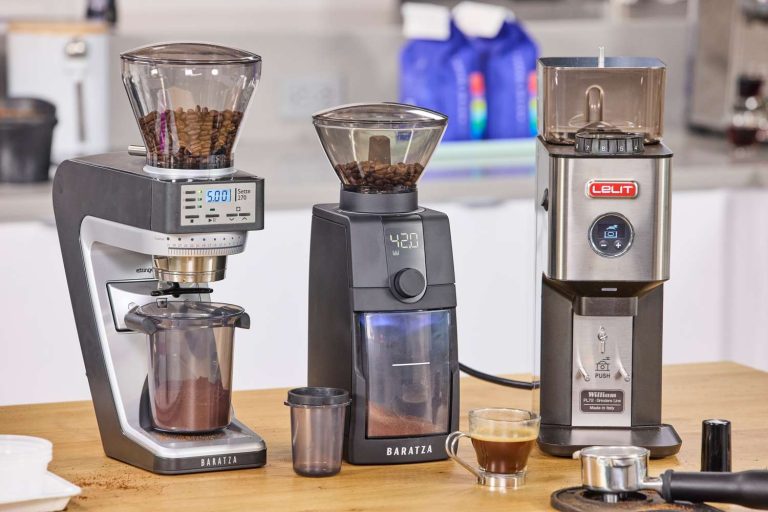
Crucially, none of this is possible without a quality grinder. A burr grinder, whether conical or flat, is essential for producing a consistent grind size. Blade grinders, which chop rather than grind, create an inconsistent mix of fine and coarse particles, leading to uneven extraction and a muddled flavor. Investing in a good burr grinder is perhaps the single most impactful upgrade you can make to your coffee setup, ensuring you can precisely control your grind size settings for different coffee roasts.

Troubleshooting Your Brew: Common Issues & Solutions
Even with the best beans and equipment, dialing in your grind can take a few tries. Knowing how to troubleshoot common issues will help you refine your approach to grind size settings for different coffee roasts.
Under-extraction (Sour, Weak): Grind Finer, Increase Brew Time/Temp.
If your coffee tastes sour, thin, or lacks body, it's likely under-extracted. This means the water didn't have enough time or surface area to pull out the desirable sweet and complex flavors. The primary solution is to grind your coffee finer. This increases the surface area, allowing for more efficient extraction. You might also consider slightly increasing your brew time or ensuring your water temperature is within the optimal range. From my own experiments, a quickly draining pour-over that tastes tart almost always signals a grind that’s too coarse for the roast level.
Over-extraction (Bitter, Astringent): Grind Coarser, Decrease Brew Time/Temp.
Conversely, if your coffee tastes excessively bitter, burnt, or leaves a dry, unpleasant sensation on your tongue (astringency), it's probably over-extracted. This indicates that the water has pulled out too many undesirable bitter compounds. Your immediate fix should be to grind your coffee coarser. This reduces the surface area and slows down the extraction process. Additionally, you could try decreasing your brew time or slightly lowering your water temperature. I’ve often saved an overly aggressive espresso shot from a dark roast by simply making a minor adjustment to a coarser grind.
Why does my coffee taste sour?
Your coffee likely tastes sour because it is under-extracted, meaning the water hasn't fully pulled out all the desirable flavors from the grounds. This is often caused by a grind size that is too coarse for your chosen roast and brewing method, or insufficient brew time.
What makes coffee taste bitter?
Bitterness in coffee is typically a sign of over-extraction, where too many soluble compounds, including bitter ones, have been dissolved into the water. Common culprits are grinding too fine for the roast level, brewing for too long, or using water that is too hot.
How do grind size settings for different coffee roasts affect espresso?
For espresso, light roasts often require a finer grind and higher pressure to fully extract their dense structure and bright acidity, while dark roasts need a slightly coarser grind and sometimes lower pressure to prevent over-extraction and bitterness due to their increased porosity and solubility.

Frequently Asked Questions
What is the most important factor in coffee brewing?
While many factors contribute to a great cup, grind size is arguably the most crucial as it directly controls the extraction rate, impacting flavor development more than any other variable.
Can I use the same grind size for all brewing methods?
No, different brewing methods require different grind sizes; for instance, espresso needs a very fine grind, while a French press needs a very coarse grind to prevent over or under-extraction.
How do I know if my grind size is correct for my roast?
The best indicator is the taste of your coffee: a balanced flavor without excessive sourness (under-extracted) or bitterness (over-extracted) suggests your grind size is well-suited for your roast and brewing method.
Should I adjust my grind size if my coffee machine brews too fast or too slow?
Yes, if your machine brews too fast, your grind is likely too coarse, and you should go finer; if it brews too slowly, your grind is probably too fine, and you should go coarser.
Does the age of the coffee beans affect grind size?
Yes, older beans, especially if they are past their peak freshness, may require a slightly finer grind to help compensate for lost CO2 and extract remaining flavors more effectively.
Conclusion
Mastering grind size settings for different coffee roasts is a truly transformative skill for any coffee lover. It's the key to unlocking the intended flavor profile of your beans, allowing you to consistently brew a cup that truly sings, whether it's the bright acidity of a light roast or the rich depth of a dark one. Don't be afraid to experiment with your grinder settings, paying close attention to the visual texture of the grounds and, most importantly, the taste in your cup. Each minor adjustment offers a new learning opportunity, guiding you closer to your perfect brew. I encourage you to grab your favorite beans, fire up your grinder, and start exploring the exciting world of grind size adjustments today. Share your discoveries or ask questions in the comments below – let's brew better coffee together!
2 Comments