
How Milk, Syrups, and Creamers Affect Your Home Coffee Bar
এই topic-এর জন্য natural SEO setup:
SEO Title:
How Milk, Syrups, and Creamers Affect Your Home Coffee Bar
এই topic-এর জন্য natural SEO setup:
SEO Title:
How Milk, Syrups, and Creamers Affect Your Home Coffee Bar
Yes, milk syrups and creamers significantly impact the flavor, texture, and longevity of your home coffee bar setup.
Setting up a dedicated home coffee bar is a fantastic way to elevate your daily brew, transforming a simple morning ritual into a gourmet experience. But as you explore the vast world of specialty coffee, you might wonder about the role of popular additions like milk syrups and creamers. Are these beloved enhancements merely flavor boosters, or do they subtly (or not so subtly) influence the quality, maintenance, and even the lifespan of your coffee equipment and the overall integrity of your coffee? As someone who has spent years perfecting my own coffee bar, I can tell you that understanding these dynamics is key to unlocking the full potential of your coffee journey and ensuring your home coffee bar remains a source of joy, not a headache.

Understanding Milk Syrups and Creamers
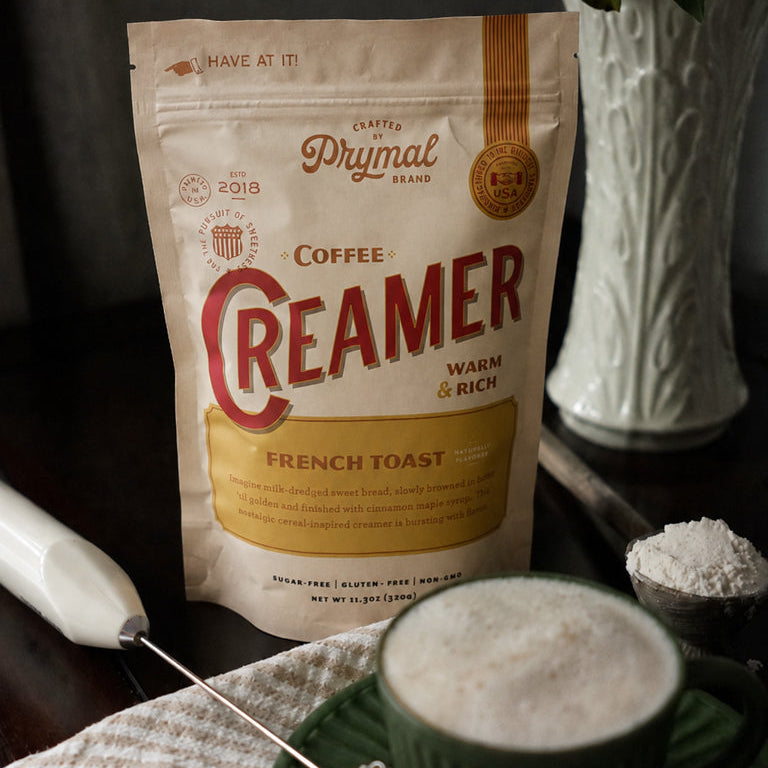
Before we dive into the effects, let's clarify what milk syrups and creamers actually are. Milk syrups are typically concentrated flavorings, often sugar-based, designed to be added to beverages. They come in an incredible array of tastes, from classic vanilla and caramel to more adventurous seasonal options, and are a staple for many looking to customize their coffee. Creamers, on the other hand, are liquid or powdered dairy or non-dairy products that add richness and often sweetness to coffee, ranging from simple half-and-half to flavored liquid creamers that mimic everything from hazelnut lattes to Irish cream.
The primary purpose of both is to enhance and personalize your coffee experience at your home coffee bar, offering a quick way to replicate favorite café drinks. While they both contribute flavor and richness, their composition and consistency can vary significantly. Some syrups are very thick, while others are thinner; creamers can be rich and fatty or lighter and more watery. Understanding these differences is crucial as we examine their broader impact on your home coffee bar.

Impact on Flavor Profile and Coffee Quality
Adding milk syrups and creamers undoubtedly transforms the flavor profile of your coffee, but it’s a double-edged sword when considering overall coffee quality. On one hand, they offer a vast palette for customization, allowing you to create drinks that perfectly match your mood or cravings. I've personally experimented with countless combinations, discovering that a good quality vanilla syrup can elevate a simple espresso shot into something truly special, while a well-chosen creamer can add a luxurious mouthfeel that plain milk just can't achieve.
However, these additions can also mask the inherent flavors of your coffee beans, particularly if you're using high-quality single-origin or specialty coffee. If you've invested in premium beans chosen for their unique tasting notes of chocolate, citrus, or nuts, a heavily flavored syrup or creamer might overwhelm those delicate nuances. It's a balance; for some, the added sweetness and flavor are the goal, while for purists, these additions might be seen as detracting from the coffee's true essence. The key is to choose wisely and consider the type of coffee you’re brewing at your home coffee bar.
How Syrups and Creamers Affect Your Coffee Equipment
One of the most significant impacts milk syrups and creamers have is on your home coffee bar equipment. These products, especially those high in sugar and fats, can be surprisingly tough on your machines if not managed properly. I learned this the hard way when a favorite caramel creamer caused a sticky buildup in my automatic coffee maker's milk frother, leading to a frustrating and extensive cleaning session.
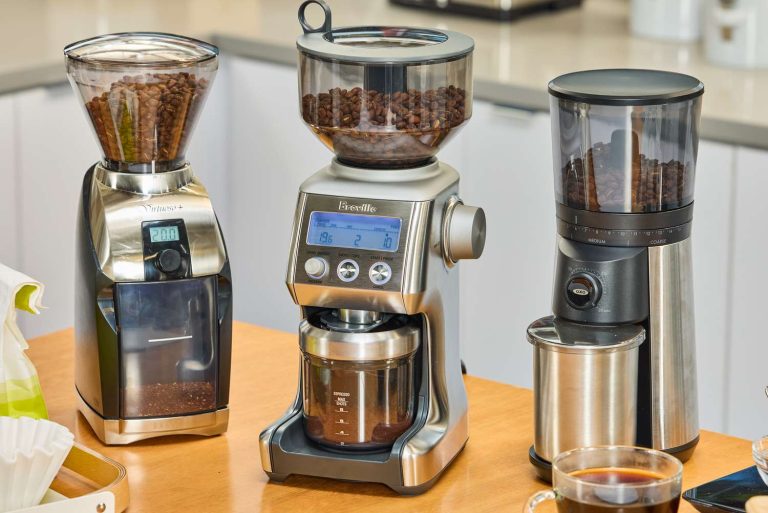
Regular cleaning becomes even more critical when you incorporate these additions into your routine. Sugary syrups can caramelize and leave sticky residues in pump lines, frothing wands, and even the drip tray. Fatty creamers can contribute to clogs and biofilms, particularly in milk systems of espresso machines or specialized milk frothers. Neglecting this extra maintenance can lead to reduced performance, blockages, and even damage to your equipment over time. Ensure you're following manufacturer guidelines for cleaning and descaling, perhaps even more frequently, to keep your home coffee bar running smoothly.

Storage and Shelf Life Considerations for Your Home Coffee Bar
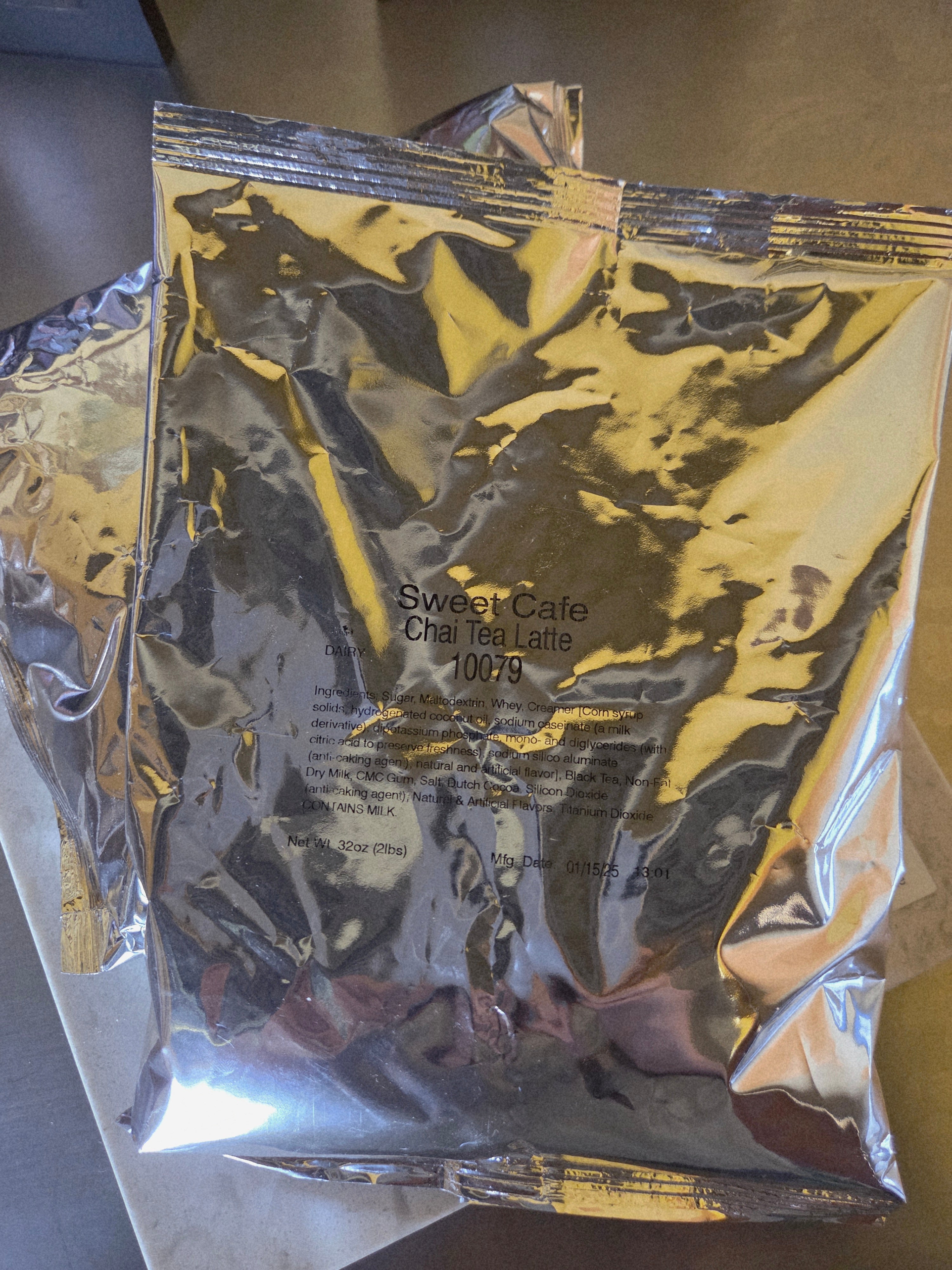
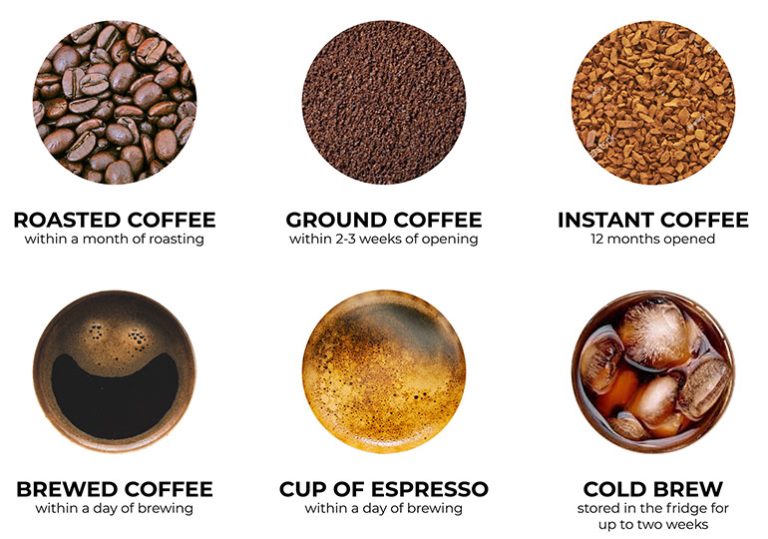
The way you store milk syrups and creamers, and their inherent shelf life, directly impacts your home coffee bar experience. Most syrups, once opened, require refrigeration and have a limited shelf life, typically a few weeks to a few months. Creamers, especially dairy-based or those with perishable ingredients, are even more sensitive and often need to be consumed within a shorter timeframe after opening.
Keeping track of expiration dates and proper storage (usually in the refrigerator for opened bottles) is vital to prevent spoilage and maintain optimal flavor. I've definitely had the experience of excitedly reaching for a favorite syrup only to discover it had gone bad, which is a real bummer when you're craving a specific drink. This also means you might need more dedicated space in your fridge for your home coffee bar ingredients. Improper storage not only affects the taste of your coffee but can also pose health risks, so always err on the side of caution.

Cost-Benefit Analysis: Are Syrups and Creamers Worth It?
When setting up and maintaining a home coffee bar, cost is always a factor. While milk syrups and creamers offer undeniable convenience and customization, they do add to the overall expense. A single bottle of premium syrup can range from $7-$15, and specialty creamers can also add up. If you're buying multiple flavors and using them regularly, these costs can quickly accumulate, sometimes rivaling the price of buying a coffee out.
However, the benefit lies in the value of convenience, personalization, and the significant savings compared to daily café visits. Crafting your favorite latte or flavored coffee at home, even with the added cost of syrups and creamers, is almost always more economical than buying it from a coffee shop. For many, the ability to create bespoke coffee beverages on demand, tailored exactly to their preference, far outweighs the additional monetary investment. It truly enhances the at-home coffee experience, making your home coffee bar a personal sanctuary.
Tips for Integrating Syrups and Creamers Smartly
To truly enjoy the benefits of milk syrups and creamers without the drawbacks, a smart approach is key. Here are some practical tips I've gathered over the years to keep your home coffee bar in top shape:
- Prioritize Cleaning: This is non-negotiable. After every use of a milk frother or espresso machine that came into contact with syrups or creamers, rinse thoroughly. Perform deeper cleans, like backflushing espresso machines or running descaling cycles, more frequently than recommended if you're a heavy user.
- Start Small with Flavors: Don't buy every flavor imaginable at once. Start with one or two classics you know you love, like vanilla or caramel. This prevents waste if you don't use them up and helps manage fridge space. You can always expand your collection as you discover new favorites for your home coffee bar.
- Measure Accurately: Over-sugaring or over-creaming can overwhelm your coffee and lead to excessive residue. Use measuring spoons or a pump (many syrups come with them) to control the amount. Less is often more, allowing the coffee's flavor to still shine through.
- Consider Homemade Alternatives: If you're concerned about artificial ingredients or cost, try making your own simple syrups. A basic sugar syrup infused with vanilla bean or cinnamon sticks is easy and often tastes fresher, giving you more control over the sugar content.
- Separate Components: If your espresso machine has a built-in milk system, consider frothing milk separately in a standalone frother if you're adding heavily flavored creamers. This minimizes direct contact with your machine's internal components.
- Balance with Coffee Quality: If you're using expensive, high-quality beans, try to use less syrup or creamer to allow the coffee's natural notes to come through. For everyday brews or darker roasts, feel free to experiment more boldly.
By implementing these strategies, you can fully enjoy the versatility and deliciousness that milk syrups and creamers bring to your home coffee bar without compromising your equipment or coffee quality.

Frequently Asked Questions
Do milk syrups and creamers expire quickly?
Yes, most milk syrups and creamers, especially once opened, have a limited shelf life and typically require refrigeration. Always check the label for specific storage instructions and expiration dates to ensure freshness and safety at your home coffee bar.
Can I use regular sugar instead of syrup in my coffee bar?
Absolutely! Regular sugar provides sweetness without the added flavors or thickness of syrups. Many prefer it for a simpler, purer coffee experience, and it's less likely to cause sticky residue in equipment.
How often should I clean my espresso machine if I use syrups and creamers?
If you regularly use syrups and creamers, it's advisable to clean your espresso machine's milk frothing system or internal components daily after use, and perform deeper cleaning cycles (like descaling) more frequently than the standard recommendations, perhaps bi-weekly instead of monthly.
Do flavored creamers affect coffee acidity?
Flavored creamers, especially those with dairy or sugar, can buffer the acidity of coffee, making it taste smoother and less tart. This can be beneficial for those who find coffee too acidic on its own, but it also alters the original balance.
Are there sugar-free syrup options that are better for equipment?
Yes, sugar-free syrups exist and can reduce the risk of sticky, caramelized residue in your equipment. However, they often contain artificial sweeteners, which might affect the taste differently and still require diligent cleaning of your home coffee bar equipment.
Conclusion
The journey of creating the perfect cup at your home coffee bar is incredibly personal, and milk syrups and creamers are powerful tools in that exploration. While they offer a delightful array of flavors and textures, their impact extends beyond taste to include your equipment's longevity, storage needs, and overall budget. The key is to approach their use with awareness and good practices. By understanding how these popular additions affect your coffee quality and home coffee bar maintenance, you can make informed choices that elevate your daily ritual. So, go ahead, experiment with new flavors, personalize your brews, and most importantly, keep that coffee bar sparkling clean. For more insights on perfecting your home brewing setup, consider exploring additional resources on equipment care and ingredient selection.

One Comment