
Home Coffee Bar Layout: Plan a Workflow-Friendly Setup
Plan zones for prep, brewing, and serving to streamline your home coffee bar experience.
There's something uniquely satisfying about crafting the perfect cup of coffee right in your own home. Whether you're a seasoned espresso enthusiast or just enjoy a morning pour-over, a well-designed home coffee bar can transform your daily ritual from a frantic scramble into a serene, efficient pleasure. As someone who has spent countless hours perfecting various home coffee setups, I can tell you that the secret to this delightful experience lies not just in your equipment, but in how you plan a workflow-friendly layout for your home coffee bar. This article will dive deep into creating a space that makes every brew seamless and enjoyable, drawing on practical insights and proven design principles to help you elevate your coffee game.
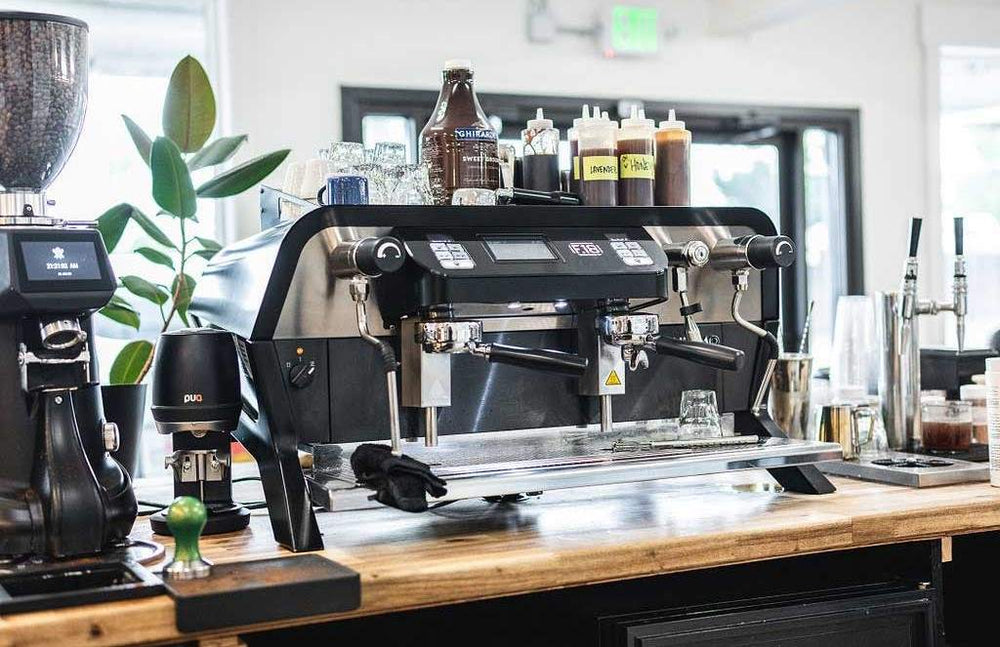
Why a Workflow-Friendly Layout Matters for Your Home Coffee Bar
Imagine trying to bake a cake without knowing where your flour or sugar is, or having to walk across the kitchen every time you need to grab an ingredient. That's often what an unorganized coffee bar feels like! A workflow-friendly layout for a home coffee bar isn't just about aesthetics; it's about pure, unadulterated efficiency and enjoyment. When every tool and ingredient is precisely where you need it, your movements become fluid, your process becomes consistent, and your coffee-making becomes a truly enjoyable act, not a frustrating chore. This thoughtful approach saves time, reduces spills and mess, and ultimately contributes to a better-tasting cup.
In my own early days of being a home barista, my coffee station was a chaotic mess. The grinder was on one side of the kitchen, the espresso machine on another, and I'd inevitably forget the tamper or a cleaning cloth. It often felt like I was running a marathon just to get my morning caffeine fix! Once I finally sat down to intentionally plan a workflow-friendly layout for my home coffee bar, everything changed. My morning coffee ritual became less stressful and more meditative, allowing me to truly savor the experience. This kind of ergonomic design isn't just for professional baristas; it's a game-changer for any home coffee bar setup.

Defining Your Coffee Bar Workflow Zones
To plan a truly workflow-friendly layout for a home coffee bar, it's incredibly helpful to think in terms of distinct zones. Much like a chef's kitchen, applying a "golden triangle" concept – albeit a more linear one for coffee – can dramatically improve your home barista setup. Each zone serves a specific purpose, minimizing unnecessary movement and keeping related items together.
Here’s how I break down the essential zones for any home coffee bar:
- Zone 1: Prep and Storage: This is where your journey begins. Here, you'll store your coffee beans, scale, grinder, filters, and any other raw materials or initial preparation tools. It’s also a good place for clean cups, ready to be used. Keeping fresh beans sealed and grinders easily accessible in this area streamlines the first crucial steps of coffee preparation.
- Zone 2: Brewing: This is the heart of your home coffee bar setup. This zone is dedicated to your primary brewing equipment – whether it's your espresso machine, drip coffee maker, French press, or pour-over kettle and stand. Ensure easy access to a water source and power outlets here. A knock box for espresso pucks or a small trash bin for spent filters also fits perfectly within this zone to maintain cleanliness during brewing.
- Zone 3: Finishing and Serving: Once your coffee is brewed, this zone comes into play. It’s ideal for milk frothers, syrups, sugar, stirrers, and any accompaniments you or your guests might enjoy. This is also where you'll serve your crafted beverages, so having a small clear space for cups and saucers makes sense. This final zone completes the coffee-making process efficiently and elegantly.
Considering a dedicated space versus a multi-purpose one is key. Even a small corner can be transformed into an efficient coffee station organization if you clearly define these zones. Always think about the logical progression of tasks; your movements should flow naturally from one zone to the next.
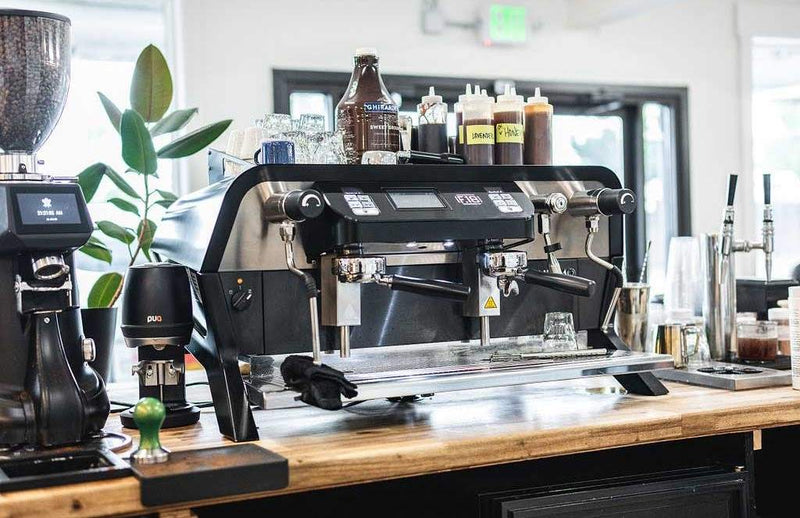
Key Elements to Consider for Your Home Coffee Bar Layout
When you're ready to plan a workflow-friendly layout for a home coffee bar, several practical elements need your attention. Overlooking these details can quickly turn your dream setup into a frustrating reality.
- Space Assessment: Start by taking stock of your available real estate. Measure your counter space, consider vertical space for shelving, and pinpoint existing power outlets. Water access, whether through a plumbed-in machine or a nearby sink, is also a critical factor. Understanding these constraints will help you make realistic design choices for your coffee bar layout.
- Equipment Integration: What coffee gear do you have, or plan to acquire? The size and type of your espresso machine, grinder, kettle, and other appliances will dictate how much space you need in each zone. My personal advice is to measure everything precisely and even create paper cutouts of your equipment to test different arrangements on your counter.
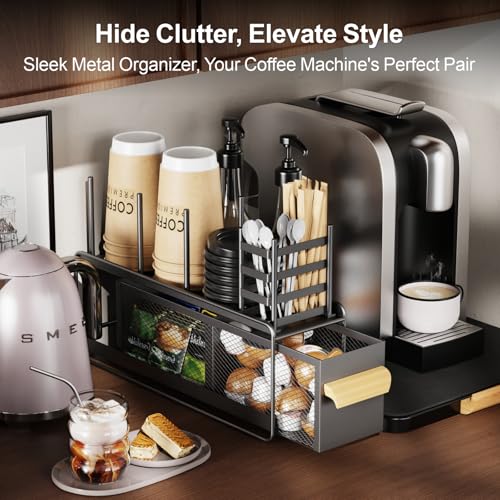
- Storage Solutions: Clutter is the enemy of a workflow-friendly layout. Incorporate smart storage for all your coffee essentials. This could include drawers for small tools like tampers and stirrers, wall-mounted shelves for mugs and beans, or stylish canisters to keep ingredients fresh and accessible. For instance, to organize coffee bar accessories, I love using small drawers beneath my counter for stirrers, cleaning brushes, and extra filters.
- Lighting: Good lighting is often an underestimated element. Task lighting directly above your coffee bar can make a huge difference, especially during those early morning brews. It helps with precision when grinding, brewing, and monitoring extraction.
- Cleaning Station: Even the most beautiful coffee bar can quickly look messy without a designated cleaning spot. A small, easily accessible trash bin for coffee grounds, a few cleaning cloths, and a brush should be integrated into your layout, ideally near the brewing zone.
- Ergonomics: Think about the height of your counter and how comfortably you can operate your machines. An ideal height for a coffee bar generally aligns with standard kitchen counter heights (around 36 inches), but consider your own stature. Ensure frequently used items are within easy reach to prevent strain or awkward movements. A home coffee bar should be a joy to use, not a backache waiting to happen.
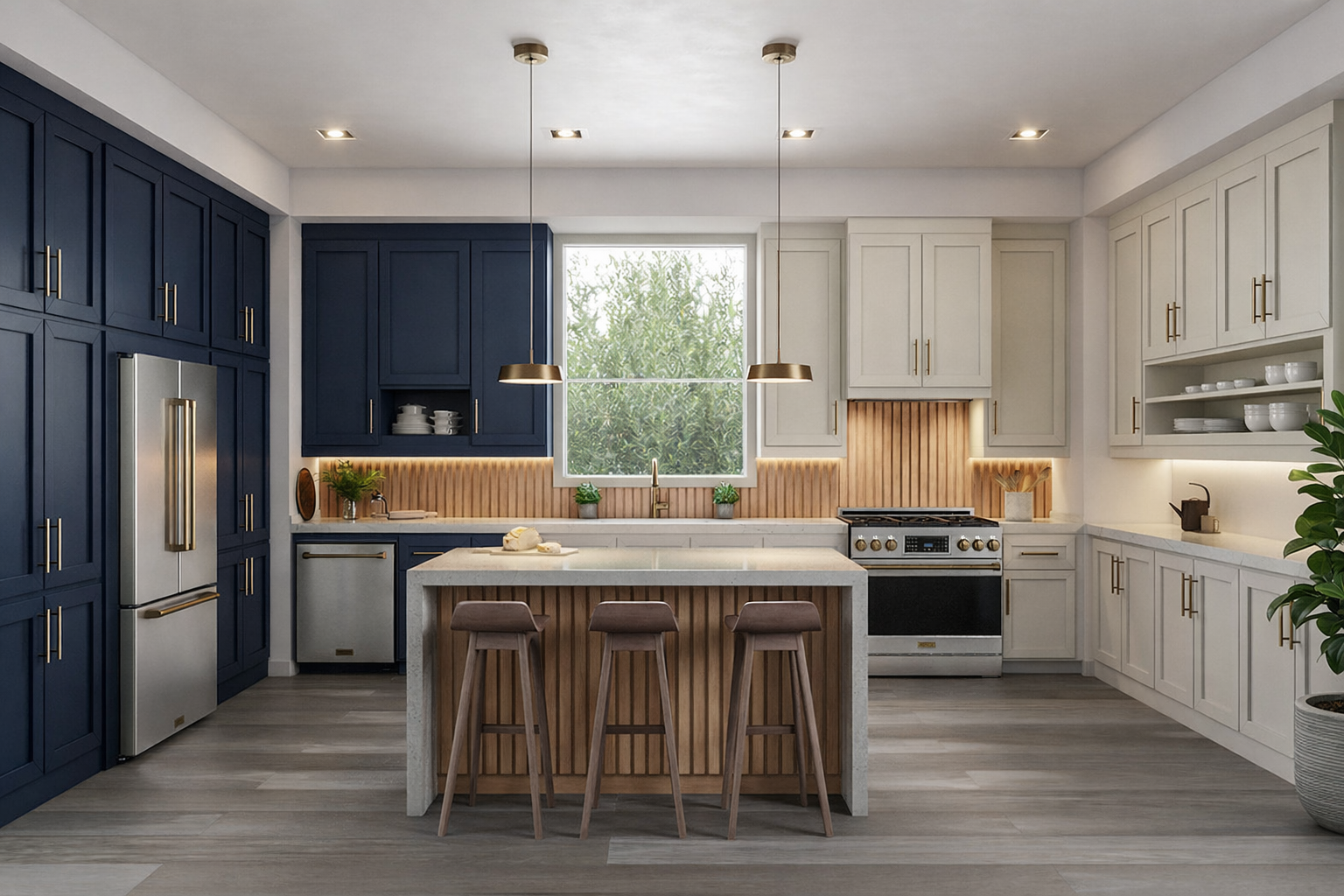
Source: thorkitchen.com
Designing Your Layout: Practical Steps and Examples
Now that we've covered the crucial elements, let's get into the practical steps to design your ideal workflow-friendly layout for a home coffee bar. This process doesn't have to be daunting; think of it as an exciting creative project!
- Inventory Your Gear: Before you move anything, list every single item you want on your coffee bar – from your espresso machine and grinder down to your favorite mugs, syrups, and cleaning cloths. This full picture prevents surprises later.
- Map Out Your Flow (Sketch It!): Grab a pen and paper, or even use an online design tool. Draw your counter space and then roughly sketch where each zone (prep, brew, finish) will be. Then, place your main equipment within these zones. Visualize your movements: where do you stand? What's the first thing you reach for? Where do you dispose of grounds? This visual planning is invaluable for your home barista setup.
- Prioritize Frequently Used Items: Your most-used items should be the easiest to access. Your grinder and espresso machine, for example, need prime real estate. Less frequently used items, like extra filters or seasonal syrups, can be stored a bit further away or in a cabinet.
- Think Vertically: Especially if you're dealing with a small coffee bar, don't forget the space above your counter. Wall-mounted shelves, floating racks for mugs, or even a small spice rack for syrups can free up valuable counter space, enhancing your coffee station organization.
- Consider Future Expansion: While you're planning your current workflow-friendly layout for a home coffee bar, allow a little flexibility for future additions. You might upgrade your grinder or add a pour-over setup down the line. A bit of foresight can save you from a complete redesign later.
I remember my first home coffee bar setup was a linear arrangement along one wall, which worked well for a smaller space. For a larger area, I later moved to an L-shaped design, which created a more distinct prep area separate from the brewing station. Don't be afraid to experiment! My advice is to physically move items around a few times before settling on a permanent arrangement. It’s the best way to truly feel out the coffee workflow.
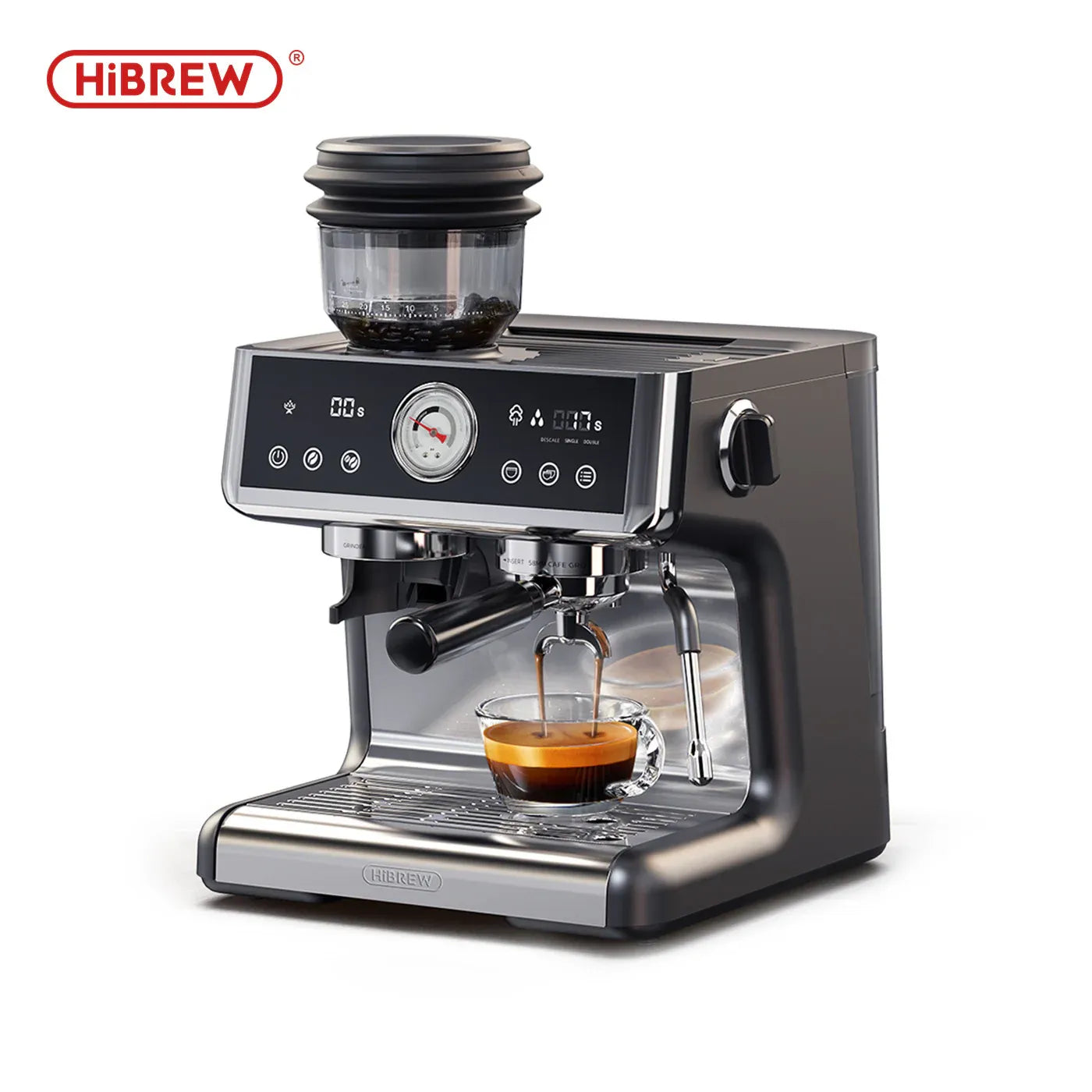
Optimizing for Different Coffee Brewing Methods
The beauty of a home coffee bar is its adaptability to your preferred brewing methods. When you plan a workflow-friendly layout for a home coffee bar, it’s crucial to consider the specific needs of each. Different brewing styles demand different setups for maximum efficiency.
For a dedicated espresso setup, counter space is king. You'll want your espresso machine and grinder to be side-by-side, or at least very close, for a seamless "grind, dose, tamp, pull" sequence. Incorporate a knock box directly beneath the portafilter or immediately adjacent to the machine. A tamping mat is also essential for protecting your counter and providing a stable surface. This kind of espresso bar setup often benefits from being a bit self-contained, with all necessary tools within arm's reach.
If drip or pour-over coffee is your go-to, your coffee bar design might focus more on a water kettle, a precise scale, and easy access to filters. The brewing zone for pour-over typically includes a stand for the dripper over a mug, with the kettle nearby. These methods require less immediate cleanup than espresso, so a slightly simpler cleaning station might suffice.
For those who love a French press, the setup is often more minimalist. The press itself, a kettle, and perhaps a timer are the main components. These can often share space with other brewing methods or be easily stored away, making them excellent for a multi-purpose coffee station organization.
Consider a modular design for flexibility. If you switch between brewing methods, having components that can be easily moved or stored can significantly improve your workflow-friendly layout. For example, a dedicated shelf for your pour-over kit that can be pulled out when needed, and tucked away when you're primarily making espresso.

Troubleshooting Common Home Coffee Bar Layout Challenges
Even with the best intentions, you might run into a few snags when trying to plan a workflow-friendly layout for a home coffee bar. Don't worry, these are common hurdles, and there are clever solutions for each.
- Limited Space: This is perhaps the most frequent challenge. When every inch counts, going vertical is your best friend. Install floating shelves above your counter for mugs, coffee beans, and accessories. Consider a slim rolling cart that can be tucked away when not in use. Multi-purpose items, like an espresso machine with a built-in grinder, can also save precious counter space. Don't forget under-cabinet storage solutions for a truly compact coffee station organization. To make a coffee bar in a small kitchen, focus on only essential items and creative vertical storage.
- Lack of Outlets: Modern coffee gear requires power, and often, more outlets than a typical kitchen counter provides. A high-quality power strip specifically designed for kitchen appliances can be a lifesaver. Just be mindful of overloading circuits. In my experience, I once underestimated the power draw of my espresso machine and grinder running simultaneously, tripping the breaker. Now, I always ensure I have enough dedicated outlets or a robust power strip to support my home coffee bar setup.
- Mess and Clutter: Even with the perfect layout, a coffee bar can quickly become cluttered. The key here is discipline and designated homes for everything. Make it a habit to wipe down surfaces daily and put items back immediately after use. Incorporate attractive storage like airtight containers for beans and clear jars for sugar to keep things tidy yet accessible. A small, decorative tray can also help corral smaller items like stirrers and sugar packets, preventing them from scattering across your counter.
Addressing these common issues proactively will ensure that your home coffee bar remains a functional and enjoyable space for years to come.

Frequently Asked Questions of How do you plan a workflow-friendly layout for a home coffee bar?
What's the best way to organize coffee beans and grounds?
Store whole beans in airtight, opaque containers in a cool, dark place to maintain freshness. Ground coffee should also be kept in airtight containers and used quickly, ideally within a week of grinding.
Should my coffee grinder be next to my espresso machine?
Yes, for an espresso setup, placing your grinder immediately next to your espresso machine creates a highly efficient workflow, minimizing travel distance for freshly ground coffee and streamlining the dosing process.
How do I keep my home coffee bar clean and tidy?
Establish a habit of daily wiping down surfaces and emptying the knock box/trash. Use small, designated containers for accessories, and ensure every item has a specific home to prevent clutter from accumulating.
Can I use a regular kitchen counter as a coffee bar?
Absolutely! Many home coffee bars are built on existing kitchen counters. The key is to define your zones, organize your equipment, and ensure adequate power and access to water, even if it's just a nearby sink.
What are essential items for a basic home coffee bar?
For a basic setup, you'll need a brewing device (drip machine, pour-over, or French press), a coffee grinder, fresh coffee beans, a kettle (electric is often preferred), and your favorite mug.
Conclusion
Planning a workflow-friendly layout for a home coffee bar is an investment in your daily happiness and efficiency. By strategically defining zones for preparation, brewing, and finishing, and by thoughtfully considering key elements like space, equipment, and storage, you can transform any corner into a barista's dream. It's about creating a seamless journey from bean to cup, reducing effort, and maximizing enjoyment. This intentional design isn't just about making coffee; it's about elevating a simple daily ritual into a moment of mindful pleasure.
Don't let the idea of a perfect setup intimidate you. Start small, experiment with different arrangements, and observe your own movements. Embrace the process of perfecting your home coffee bar layout, and watch as your morning (or afternoon) coffee experience becomes more delightful and less demanding. What's your next step in designing your dream coffee bar? Share your ideas in the comments below or start sketching your ideal home coffee bar setup today!
One Comment