Home Office Coffee Bar Ergonomics: Optimize Your Workspace Comfort
Prioritizing good posture, proper lighting, and noise control are key ergonomic considerations for working near a coffee bar.
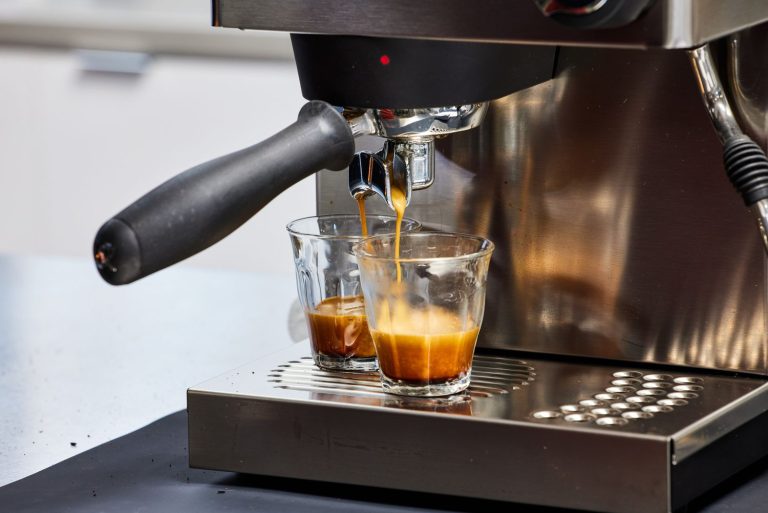
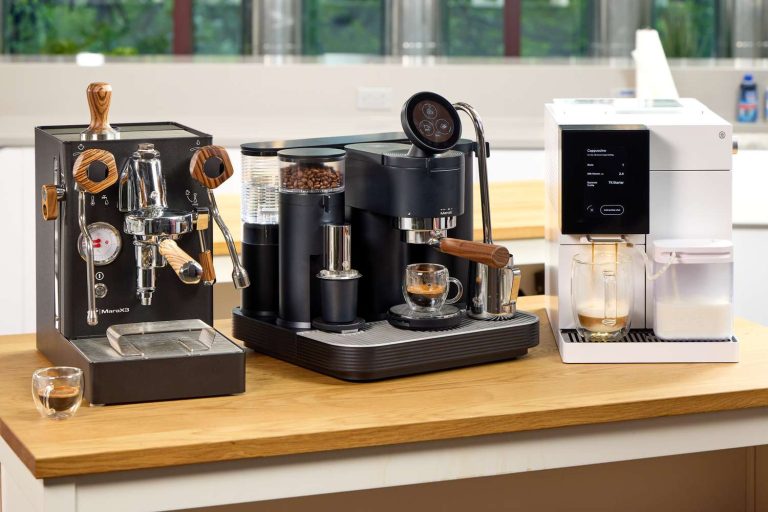
Many of us dream of the perfect home office setup, and for coffee lovers, that often includes having a dedicated coffee bar nearby. While the convenience of a fresh brew is undeniable, integrating a coffee station into your workspace without compromising your health and productivity requires careful thought. As someone who has spent years optimizing home office environments, I've seen firsthand how easily poor setup choices can lead to discomfort, strain, and reduced focus. This article will delve into the essential ergonomic considerations for working near a coffee bar in a home office, ensuring your daily caffeine ritual enhances, rather than detracts from, your well-being.

Understanding the Unique Challenges
Bringing a coffee bar into your home office can introduce a unique set of ergonomic challenges that extend beyond just reaching for your mug. It's not just about having your favorite brew within arm's reach; it's about how that proximity impacts your posture, concentration, and overall workspace environment. From managing spills to mitigating operational noise, each aspect demands attention to maintain a productive and healthy setting.
One of the primary issues is the temptation to integrate the coffee bar directly into your main desk area. While this might seem efficient, it often leads to a cramped workspace, pushing essential work items out of optimal reach or creating clutter. Another common pitfall is underestimating the sensory impact of a coffee station – the whirring of a grinder, the hiss of a steamer, the aroma of brewing coffee, and even the subtle heat and steam can all affect your concentration and comfort. For instance, I once helped a client set up their home office where their espresso machine was right next to their monitor. They constantly complained of eyestrain from the steam fogging their glasses and the persistent noise made conference calls a nightmare. Addressing these often-overlooked elements is crucial when considering the ergonomic implications for working near a coffee bar.

Optimizing Your Workstation Layout
The physical placement of your coffee bar in relation to your main workstation is perhaps the most critical ergonomic consideration. An ideal setup balances convenience with the need for a distraction-free, healthy workspace. Think of your coffee bar as a separate zone, even if it's just a few steps away, to prevent it from encroaching on your primary work area.
When planning your layout, consider the "reach zone" for both your work tasks and your coffee ritual. Your main desk should be exclusively for tasks that require focused attention, with your keyboard, mouse, and monitor positioned ergonomically for good posture. The coffee bar, on the other hand, should be accessible but not so close that you're constantly stretching or swiveling awkwardly from your ergonomic chair. In my own office, I've found that having the coffee bar on a separate, dedicated cart or counter about 4-5 feet away works perfectly. This encourages a brief stretch break each time I get up for a refill, which is an excellent micro-break for your body. The height of your coffee bar also matters; ideally, it should be at a comfortable standing height to avoid hunching over when preparing your drink. Ensuring sufficient space around the coffee station prevents clutter and allows for easy cleanup, further enhancing the ergonomic considerations for working near a coffee bar.
Managing Noise and Distractions
The delightful sounds of brewing coffee can quickly become distracting when you're trying to focus on a deadline or an important video call. Grinders, espresso machines, and even automatic drip coffee makers produce varying levels of noise, which can break concentration and contribute to auditory fatigue. This is a significant aspect of ergonomic considerations for working near a coffee bar that often gets overlooked.
To mitigate noise, consider placing your coffee bar on a sturdy, sound-absorbing mat or a heavy counter surface to dampen vibrations. If possible, opt for quieter coffee makers or grinders, or schedule your coffee preparations for natural break times. For example, instead of grinding beans fresh for every cup, I often pre-grind enough for the morning during a scheduled break, or use a batch brew system. Another effective strategy is to use noise-canceling headphones during focused work periods. If your home office is shared or open plan, a small partition or even a tall plant can help absorb some sound and visually separate the coffee zone, reducing the cognitive load from visual distractions. Properly managing these elements is vital for maintaining an ergonomic and productive home office environment.

Addressing Lighting and Air Quality
Beyond noise, the presence of a coffee bar introduces specific lighting and air quality factors that warrant ergonomic attention. Steam, heat, and aromas are all byproducts of coffee preparation that can impact your comfort and the longevity of your electronic equipment. These subtle environmental shifts are crucial ergonomic considerations for working near a coffee bar.
For instance, steam from an espresso machine can increase humidity in the immediate area and, over time, potentially affect electronics if the coffee bar is too close to your computer setup. Positioning the coffee bar away from direct airflow into your work area helps prevent steam and strong aromas from constantly drifting towards you. Ensuring adequate ventilation in your home office, perhaps by opening a window periodically or using an air purifier, can help disperse any lingering scents and maintain fresh air quality. As for lighting, while natural light is always preferred for your primary workspace, make sure the coffee bar area itself has sufficient task lighting. This prevents eye strain when measuring beans or filling water reservoirs, especially if you're making coffee in dimmer conditions. You don't want to be squinting to see the water level, which can cause unnecessary neck strain, going against the principles of sound ergonomic considerations for working near a coffee bar.
Maintaining Good Posture and Movement
While the allure of an immediately accessible coffee can be strong, it’s crucial not to let it compromise your fundamental ergonomic practices at your main desk. The core principle of ergonomics is maintaining good posture and incorporating movement throughout your workday, and this applies even when considering your coffee breaks. Neglecting these aspects can undermine all other ergonomic considerations for working near a coffee bar.
Think of your coffee bar as an opportunity for purposeful movement rather than a reason to stay glued to your chair. Instead of wheeling your chair over, make it a habit to stand up, stretch, and walk the few steps to prepare your coffee. This brief physical break can significantly reduce sedentary time and alleviate stiffness from prolonged sitting. When you are at the coffee bar, pay attention to your posture: stand tall, avoid slouching, and use both hands for tasks like pouring or lifting, distributing the weight evenly. I've often seen people hunch over their coffee machines, leading to shoulder and back strain. Remind yourself to engage your core and keep your shoulders relaxed. This deliberate movement and attention to posture during short breaks contribute positively to overall ergonomic health and are key ergonomic considerations for working near a coffee bar.
The Role of Equipment and Accessories
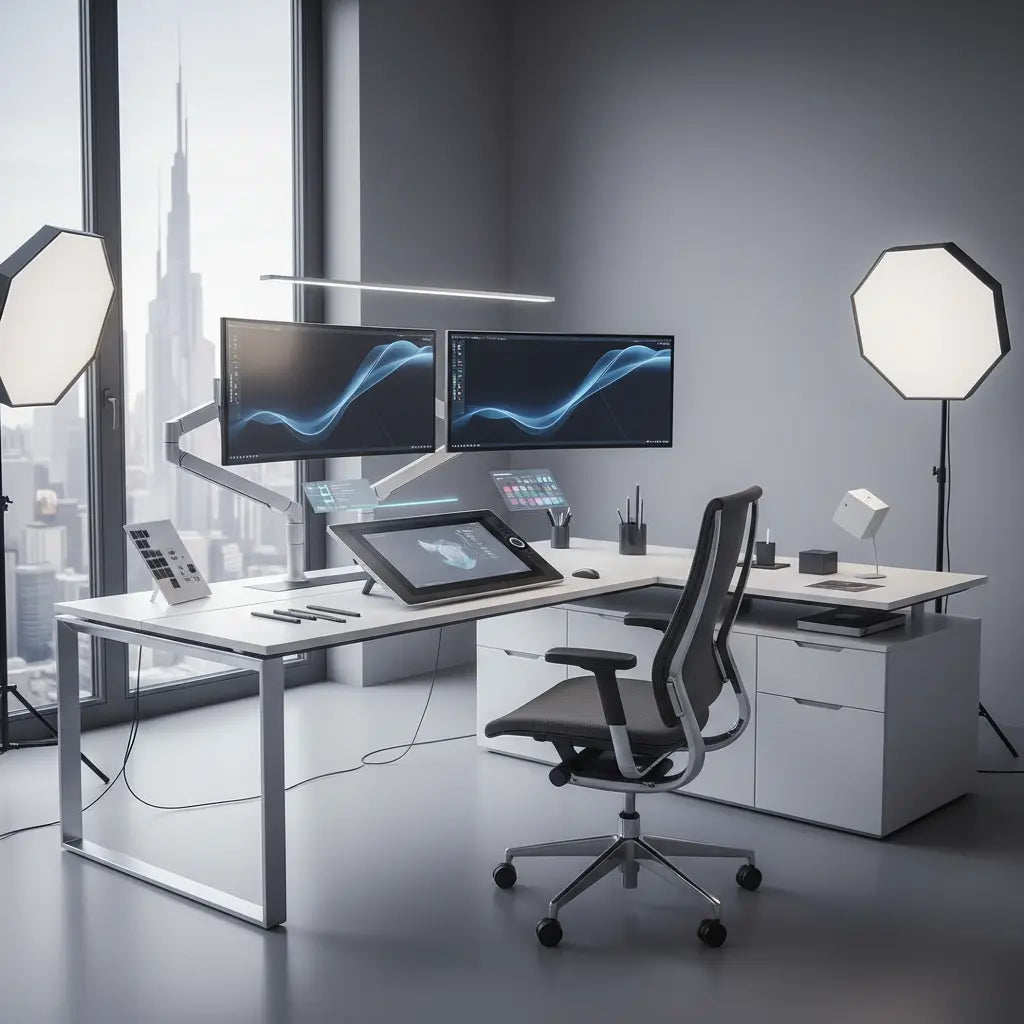
The specific equipment and accessories you choose for your coffee bar can significantly impact its ergonomic profile. From the coffee machine itself to storage solutions and mugs, thoughtful selection can enhance usability and safety, further supporting excellent ergonomic considerations for working near a coffee bar.
Consider the design of your coffee maker: is it easy to fill the water reservoir without awkward lifting or reaching? Are the controls intuitive and well-placed? Some machines have top-loading reservoirs that are much easier on your back and shoulders than those requiring you to pull out a heavy tray. Look for accessories that promote safety and ease of use, such as spill-proof mugs that prevent hot liquid mishaps, and sturdy, non-slip mats for under your equipment. Organized storage for beans, sugar, and stirrers can prevent clutter and ensure everything is within easy, comfortable reach, minimizing unnecessary bending or twisting. For instance, I use wall-mounted shelves for mugs and a small drawer for stirrers, keeping the counter free and accessible. This not only makes the area more functional but also minimizes potential hazards and discomfort, which are vital ergonomic considerations for working near a coffee bar.
Frequently Asked Questions of What are the ergonomic considerations for working near a coffee bar in a home office?
How far should my coffee bar be from my main desk?
Ideally, your coffee bar should be far enough from your main desk to encourage you to stand up and walk a few steps, promoting movement and reducing distractions, typically 4-6 feet or in a separate zone. This separation helps maintain focus at your primary workstation and allows for natural micro-breaks.
What type of chair is best for working near a coffee bar?
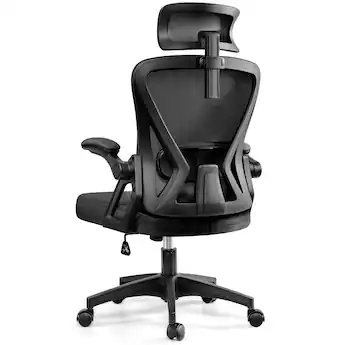
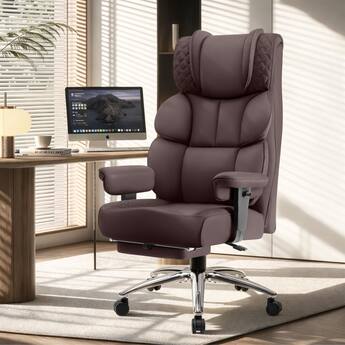
The best chair for working near a coffee bar is a high-quality ergonomic office chair that supports good posture at your desk. It should allow for easy movement to and from your coffee station without sacrificing proper seating support when you are actually working.
How can I reduce noise from my coffee machine?
To reduce noise, place your coffee machine on a heavy, sound-absorbing mat or a sturdy counter. You can also opt for quieter models of grinders or coffee makers, or schedule your coffee preparation during designated breaks to minimize disruption.
Are there specific coffee makers that are more ergonomic?
Ergonomic coffee makers are those designed with ease of use in mind, featuring simple, well-placed controls and easily accessible water reservoirs that don't require awkward lifting or reaching. Look for machines with quiet operation and stable bases to enhance the ergonomic experience.
Should I take breaks when getting coffee?
Yes, absolutely! Getting coffee should be viewed as an intentional break from sitting, providing an excellent opportunity to stand, stretch, and move your body. These micro-breaks are crucial for overall ergonomic health and help prevent fatigue.
Conclusion
Integrating a coffee bar into your home office can be a fantastic way to enhance your daily routine, but it requires careful attention to ergonomic considerations. By thoughtfully optimizing your workstation layout, managing noise and distractions, addressing lighting and air quality, prioritizing good posture and movement, and selecting appropriate equipment, you can create a setup that supports both your caffeine habit and your overall well-being. Don't let the convenience of a nearby brew lead to discomfort or reduced productivity. Take the time to evaluate your current setup with these ergonomic insights in mind, making small adjustments that can yield significant benefits for your health and focus. Share your own home office coffee bar setup tips in the comments below, or explore additional resources on creating an optimal ergonomic workspace.