How to Troubleshoot a Semi-Automatic Espresso Machine
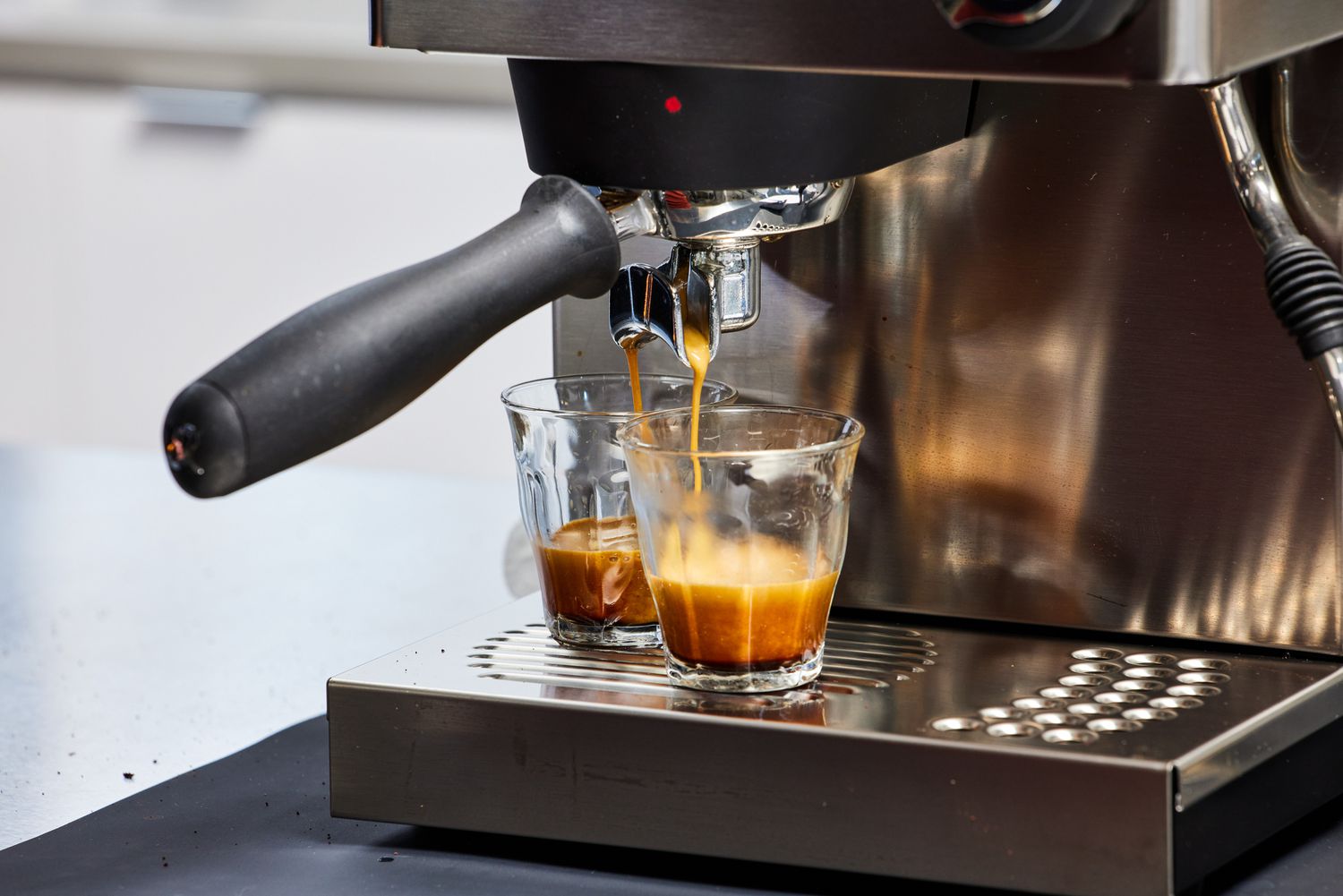
Troubleshooting common issues when using a semi-automatic espresso machine involves systematically checking grind size, water levels, tamping pressure, and machine cleanliness.
There’s nothing quite like the ritual of crafting a perfect espresso at home, especially with the hands-on control a semi-automatic espresso machine offers. However, even the most dedicated home baristas occasionally run into a snag or two. From a weak shot to no steam, these machines, while robust, can present a few challenges. Having spent countless mornings dialing in shots and occasionally wrestling with a grumpy machine, I can tell you that most problems have straightforward solutions. This guide will walk you through how you can troubleshoot common issues when using a semi-automatic espresso machine, turning potential frustration into a deeper understanding of your beloved coffee companion.
Understanding Your Semi-Automatic Espresso Machine
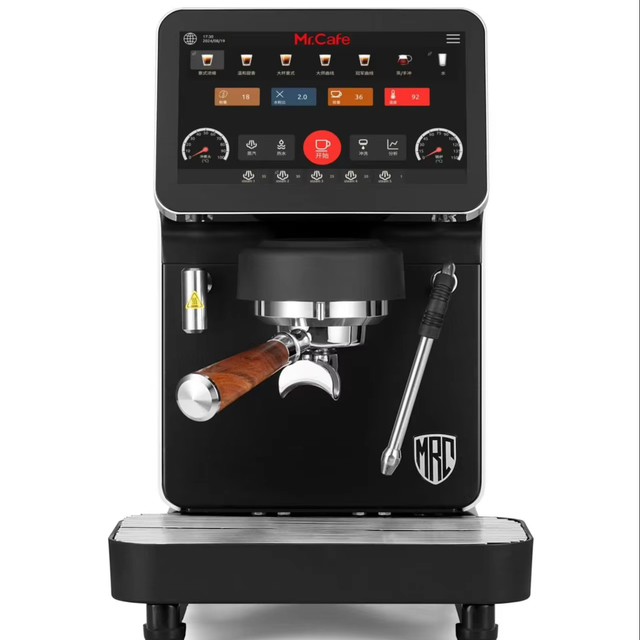
Before we dive into the nitty-gritty of fixing things, it’s helpful to understand what a semi-automatic espresso machine is and how it generally operates. Unlike super-automatic machines that handle everything at the push of a button, a semi-automatic gives you control over the grind, dose, tamp, and shot time, truly engaging you in the art of espresso making. This control is what many of us love, but it also means there are more variables to consider when things go awry. Learning how to troubleshoot common issues when using a semi-automatic espresso machine empowers you to keep enjoying those delicious brews.
What is a Semi-Automatic Espresso Machine?
A semi-automatic espresso machine requires you to grind your beans, dose them into the portafilter, tamp them down, and then initiate and stop the extraction process manually. You’re essentially acting as the barista, managing key aspects like water temperature, pressure, and flow time to achieve that perfect shot. This hands-on approach offers immense satisfaction when everything clicks, delivering a rich, aromatic espresso.
Why Troubleshooting Matters
Troubleshooting isn't just about fixing a problem; it's about building a relationship with your machine. Every time you successfully troubleshoot common issues when using a semi-automatic espresso machine, you gain a deeper understanding of its mechanics and the science behind espresso extraction. This knowledge allows you to consistently pull better shots and extend the life of your equipment. Plus, it saves you the hassle and cost of frequent professional repairs, letting you get back to brewing excellent coffee sooner.

Common Espresso Machine Problems and Solutions
Even with the best semi-automatic espresso machine, you're bound to encounter a few hiccups. From my own kitchen experiences, the key is not to panic but to approach each issue systematically. Here’s how you can troubleshoot common issues when using a semi-automatic espresso machine, covering the most frequent complaints I’ve heard and personally dealt with.
No Coffee Dispensing / Slow Flow
This is often one of the most frustrating issues: you start the machine, and either nothing comes out, or it drips painfully slowly.
- Check the grind size: If your coffee grounds are too fine, they can create excessive resistance, choking the machine. Try adjusting your grinder to a coarser setting. I remember once I mistakenly used grounds meant for a pour-over, and my machine just grunted!
- Tamping pressure: Over-tamping can also lead to a similar issue by compacting the grounds too much. Aim for firm, even pressure without leaning into it with all your weight.
- Portafilter and group head cleanliness: Old coffee grounds can build up and block the flow. Give your portafilter and the group head a thorough cleaning. A regular backflush is crucial here.
- Low water level: It might sound obvious, but ensure your water reservoir is full. Some machines won't pump if the level is too low.
- Pump issues or blockages: In rarer cases, the pump might be failing, or there could be a mineral blockage in the lines. Regular descaling helps prevent this.
Weak or Watery Espresso Shots
A watery shot lacks crema, body, and flavor – a truly disappointing outcome. If you're trying to troubleshoot common issues when using a semi-automatic espresso machine, this is a prime candidate for immediate action.
- Grind size too coarse: If your grind is too coarse, water passes through the coffee too quickly, resulting in under-extraction. Adjust your grinder to a finer setting.
- Insufficient coffee dose: Make sure you're using enough coffee for your portafilter basket. An under-dosed basket leaves too much headspace, leading to poor extraction.
- Uneven tamping: Uneven tamping can create channels in the coffee bed, allowing water to bypass most of the grounds. Always tamp evenly.
- Low brew temperature: If your machine isn't heating properly, the water won't extract the flavors effectively. Ensure the machine is fully warmed up. My machine often needs 15-20 minutes.
- Brew pressure issues: While harder to diagnose without a pressure gauge, persistent watery shots can indicate low pump pressure.
Bitter or Over-extracted Espresso
On the flip side, a bitter shot often means over-extraction, where too many undesirable compounds have been pulled from the coffee. This is another key area when you troubleshoot common issues when using a semi-automatic espresso machine.
- Grind size too fine: A grind that's too fine forces water to linger too long, leading to over-extraction and bitterness. Try a slightly coarser grind.
- Too much coffee / over-dosing: Using too much coffee for your basket can also extend contact time excessively.
- Too high brew temperature: Water that's too hot can scorch the coffee. Check your machine's temperature settings if adjustable, or allow it to cool slightly between shots if you're pulling multiple back-to-back.
- Extraction time too long: A standard espresso shot should extract in about 25-30 seconds. If your shots are running much longer, stop the extraction sooner.
No Steam or Weak Steam
If your lattes and cappuccinos are falling flat, your steam wand might be the culprit. Knowing how to troubleshoot common issues when using a semi-automatic espresso machine involving steam is crucial for milk-based drinks.
- Clogged steam wand tip: This is the most common reason. Milk residue can dry and block the small holes. Use a paperclip or steam wand cleaning tool to clear them immediately after each use.
- Insufficient heat-up time: Your machine needs to reach a higher temperature for steam than for brewing. Give it ample time to fully heat up before attempting to steam milk.
- Low water level: Again, a simple check, but critical.
- Boiler issues / scale buildup: Limescale can accumulate in the boiler or steam lines, reducing steam pressure. Regular descaling is essential. I've had to perform an emergency descale more than once after neglecting this.
- Air in the lines: Purge your steam wand before and after steaming to clear any water or air, ensuring pure steam.
Leaks and Drips
A puddle under your machine is never a welcome sight. When you troubleshoot common issues when using a semi-automatic espresso machine, addressing leaks quickly can prevent further damage.
- Loose portafilter: Ensure your portafilter is locked in tightly. A loose fit often causes leaks around the group head.
- Worn group head gasket: Over time, the rubber gasket around the group head can become hard and brittle, preventing a proper seal. This is a common part to replace, and thankfully, usually a straightforward DIY fix.
- Cracked water reservoir: Inspect the reservoir for any hairline cracks.
- Loose fittings or internal hoses: If the leak is internal and persistent, it might be a loose connection or a damaged hose inside the machine. This might require professional attention if you're not comfortable opening up your machine.
- Drip tray overflowing: Another obvious one, but worth checking!
Machine Not Heating Up
If your espresso machine isn't heating, it's essentially a very fancy paperweight. This is a critical problem when you troubleshoot common issues when using a semi-automatic espresso machine.
- Power supply issues: First, check if the machine is properly plugged in and the outlet is working. Test with another appliance.
- Thermal fuse or thermostat failure: These safety components can trip or fail if the machine overheats or due to a fault. This often requires professional repair.
- Heating element failure: The heating element is what brings the water to temperature. If it fails, no heat. This is a more serious repair, usually best left to a technician.
- Scale buildup: Heavy limescale can insulate the heating element, making it inefficient or even causing it to fail. Regular descaling is your best defense.

Source: seriouseats.com
Preventative Maintenance for a Happy Machine
Learning how to troubleshoot common issues when using a semi-automatic espresso machine is valuable, but prevention is always better than cure. A little regular care goes a long way in keeping your machine running smoothly and your coffee tasting fantastic. Think of it as a small investment of time that pays dividends in delicious espresso.
Regular Cleaning Rituals
Daily cleaning is non-negotiable. After every session, I make sure to:
- Wipe down the steam wand: Immediately after use, wipe it with a damp cloth to prevent milk residue from drying and clogging.
- Rinse the portafilter and basket: Remove residual coffee grounds and oils.
- Flush the group head: Run a blank shot (without coffee) to rinse away loose grounds.
- Empty and clean the drip tray: Prevents mold and odors.
Periodically, you’ll also want to: - Backflush: Using a blind basket and espresso machine cleaner, backflush your group head to remove built-up coffee oils. This is usually a weekly or bi-weekly task, depending on usage.
Descaling for Longevity
Limescale is the silent killer of espresso machines, especially for those in hard water areas. When you troubleshoot common issues when using a semi-automatic espresso machine, scale is often an underlying factor.
- What it is: Limescale is mineral buildup from water, which can clog pipes, reduce heating efficiency, and damage internal components.
- How often: Depending on your water hardness and machine usage, descale every 1-3 months. Your machine might even have a descaling indicator.
- Process: Use a dedicated espresso machine descaling solution and follow your machine’s instructions carefully. This typically involves running the solution through the brew and steam circuits.
Using Quality Water
The water you use has a huge impact on both the taste of your espresso and the health of your machine. This is a simple but impactful tip when considering how to troubleshoot common issues when using a semi-automatic espresso machine.
- Filtered water: Using filtered water significantly reduces mineral content, thereby slowing down limescale buildup. I personally use a filtered water pitcher for all my coffee brewing.
- Avoid distilled water: While low in minerals, distilled water can be too "pure" and potentially harm some machine components or even strip flavor from your coffee. Balanced filtered water is key.
Source: nytimes.com
When to Call a Professional
While it’s empowering to troubleshoot common issues when using a semi-automatic espresso machine yourself, there are times when it’s best to call in the experts. My rule of thumb is this: if it involves opening the machine up beyond simple panel removal, or if you suspect electrical issues, it's time to find a qualified technician. Attempting complex repairs without the right tools or knowledge can void warranties, cause further damage, or even be dangerous. For instance, issues like a persistent heating element failure, severe internal leaks, or consistent pump problems that aren't resolved by basic cleaning and descaling usually warrant professional attention. Don't be afraid to admit when a problem is beyond your skill set – your machine, and your safety, are worth it.

Frequently Asked Questions of How can you troubleshoot common issues when using a semi-automatic espresso machine?
How often should I descale my semi-automatic espresso machine?
You should descale your machine every 1-3 months, depending on your water hardness and how frequently you use it. Regular descaling prevents mineral buildup and ensures optimal performance.
Why is my espresso tasting sour or under-extracted?
Sour or under-extracted espresso typically indicates that your grind is too coarse, your coffee dose is too low, or the water temperature is not hot enough. Try grinding finer, increasing your coffee dose, or allowing the machine to heat up longer.
What causes a semi-automatic espresso machine to leak from the group head?
Leaks from the group head are most commonly caused by a worn-out group head gasket or a portafilter that isn't properly sealed. Replacing the gasket is a common and relatively easy fix.
My steam wand has no pressure, what should I do?
Lack of steam pressure is usually due to a clogged steam wand tip from dried milk residue, or internal scale buildup in the boiler or steam lines. Clean the tip with a paperclip and consider descaling your machine.
How can I make my espresso shots more consistent?
Consistency comes from controlling variables: use a consistent grind size, dose, and tamping pressure every time. Also, ensure your machine is fully warmed up and that you’re using fresh, quality beans.
Conclusion
Mastering the art of espresso with a semi-automatic machine is a rewarding journey, and knowing how to troubleshoot common issues when using a semi-automatic espresso machine is a crucial part of that experience. By understanding the fundamentals of your machine, recognizing the signs of common problems, and performing regular maintenance, you'll not only fix issues faster but also deepen your appreciation for every shot you pull. Don't let a minor hiccup deter you; armed with these tips, you're well-equipped to tackle most challenges that come your way. So, roll up your sleeves, embrace the process, and continue crafting those exquisite espressos at home. For more insights and tips, be sure to explore our other coffee guides and share your own troubleshooting triumphs in the comments below!