Espresso-Fine Grounds: Do All Grinders Deliver?
No, not any coffee grinder can make truly espresso-fine grounds; it requires a specialized burr grinder designed for precision.
Brewing the perfect shot of espresso at home is a dream for many coffee lovers, and a crucial component of that dream is achieving the right grind. As someone who has spent years perfecting home espresso and advising countless enthusiasts, I can tell you that the journey starts long before the hot water meets the coffee. Understanding your grinder's capabilities, especially when it comes to producing the ultra-fine, consistent particles necessary for authentic espresso, is absolutely key. Many home baristas learn this the hard way, investing in machines only to find their grinder simply can't keep up. Let's dive deep into why grinder quality matters so much for espresso and what to look for.

Understanding Espresso and Its Unique Grind Requirement
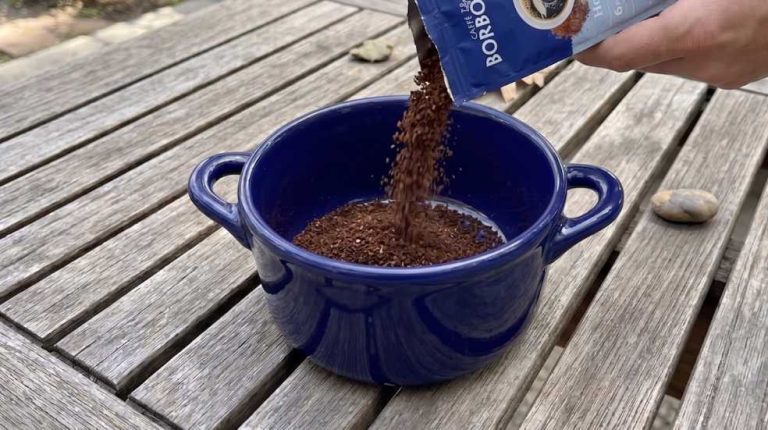
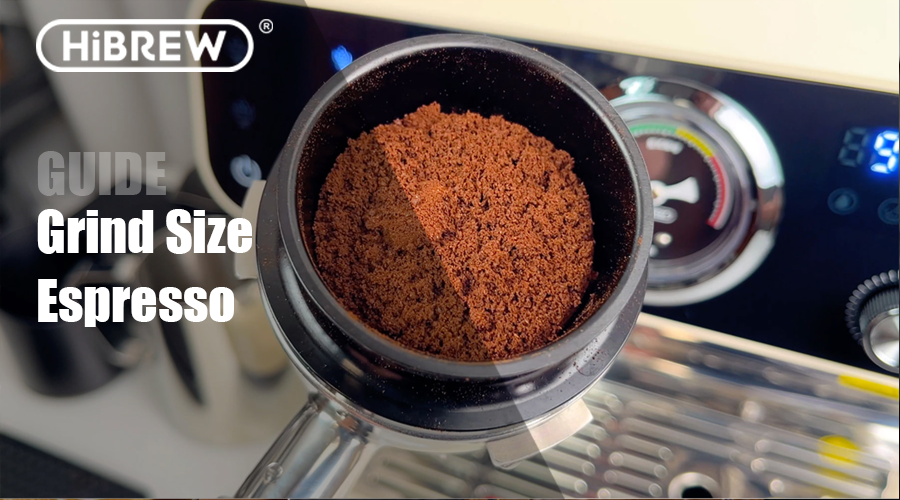
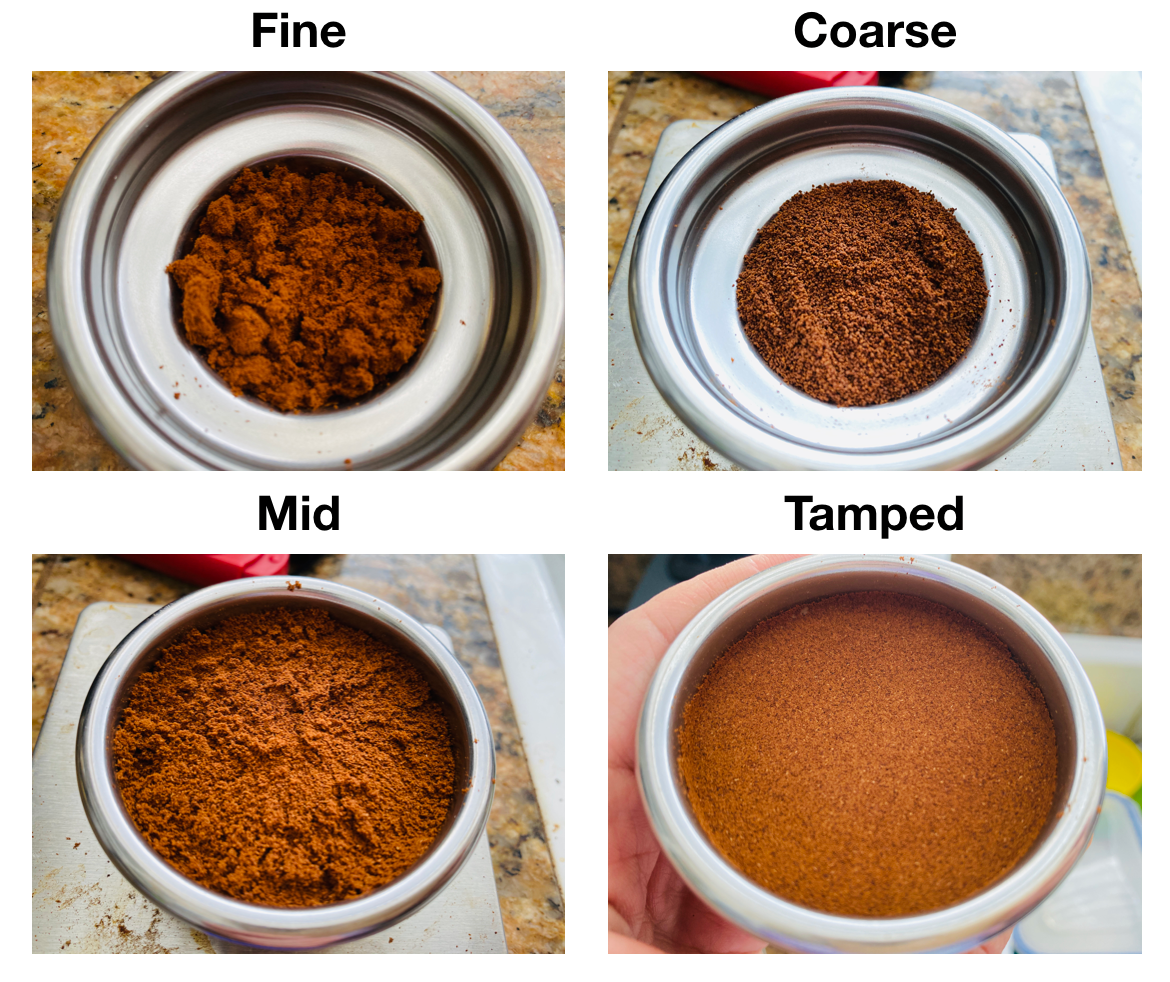
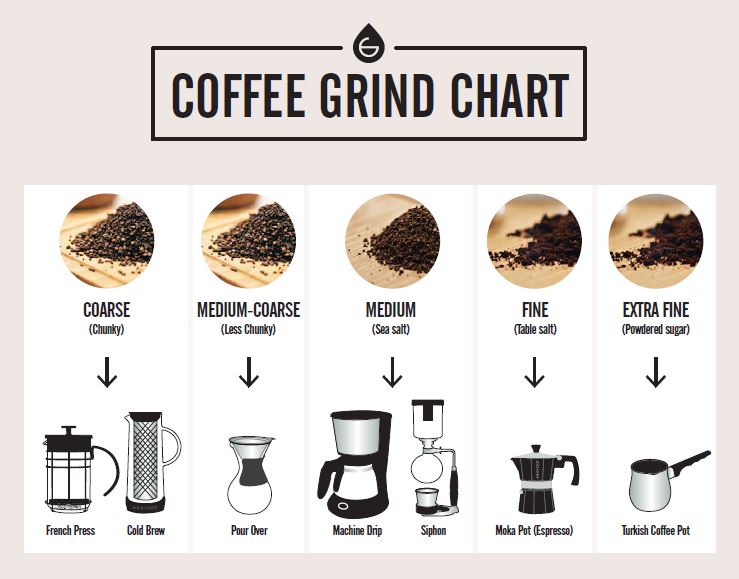
Espresso is more than just strong coffee; it's a method of brewing that uses pressurized hot water forced through a compact bed of very fine coffee grounds. This high-pressure extraction demands a specific grind size to create the resistance needed for a proper shot. If your grounds are too coarse, the water rushes through too quickly, resulting in an under-extracted, weak, and sour shot. Conversely, if the grounds are too fine, the water struggles to pass, leading to an over-extracted, bitter, and thick shot. The ideal espresso-fine grounds are incredibly consistent, resembling powdered sugar or flour, but with enough texture to allow water flow under pressure. This consistency is paramount for flavor.
Achieving this uniform, espresso-fine consistency is where many grinders fall short. It's not just about making the particles small; it's about making them uniformly small. A grinder that produces a mix of fine dust and tiny boulders will result in uneven extraction, no matter how good your espresso machine is.

The Two Main Types of Coffee Grinders
When we talk about coffee grinders, we generally refer to two categories: blade grinders and burr grinders. Each has its own mechanism and vastly different capabilities, especially concerning espresso-fine grounds.
Blade Grinders
Blade grinders, often found in kitchens as "spice grinders," operate much like a blender. They use a spinning blade to chop and shatter coffee beans into smaller pieces. While they are inexpensive and readily available, they are fundamentally ill-suited for making espresso-fine grounds. The chopping action creates an inconsistent particle size distribution, with a lot of "fines" (super-fine dust) mixed with larger, uneven chunks. This unevenness leads to unpredictable extraction, often resulting in shots that are both sour and bitter simultaneously. From my experience, trying to use a blade grinder for espresso is a recipe for frustration and wasted beans. It simply cannot produce the uniform espresso-fine grounds needed.
Burr Grinders
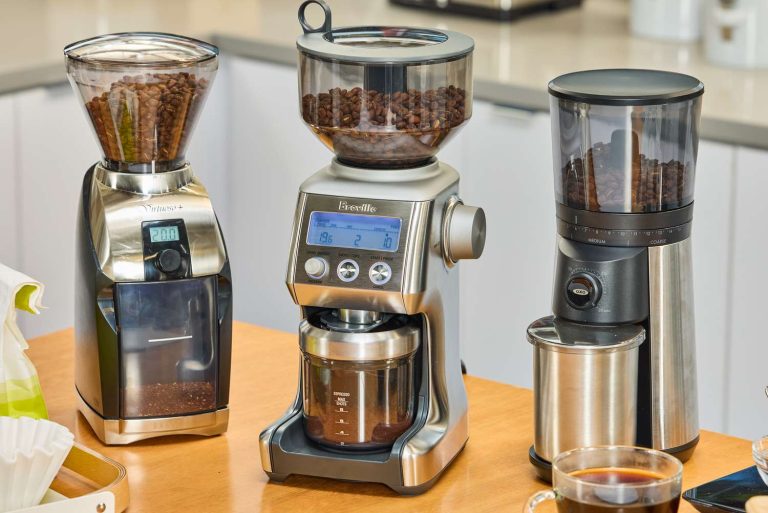
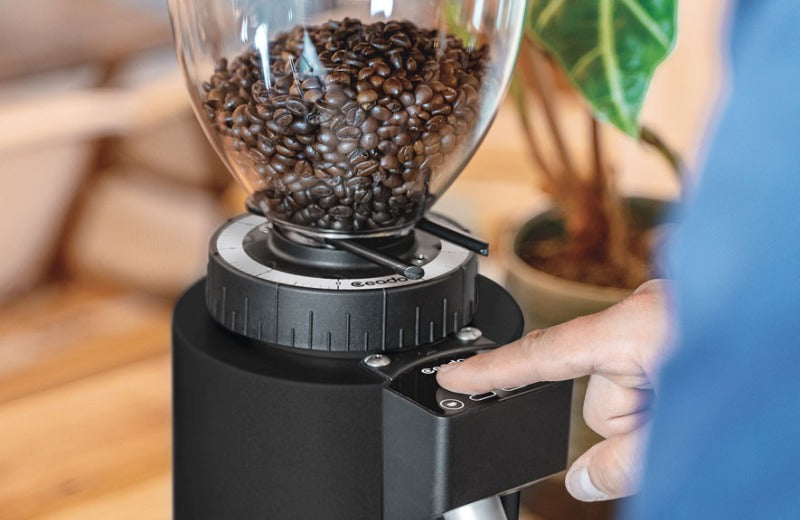
Burr grinders, on the other hand, grind coffee beans between two abrasive surfaces, or "burrs." These burrs can be conical or flat. The coffee beans are crushed and ground between these surfaces, producing a much more consistent particle size. This consistent grind is essential for espresso-fine grounds because it allows for even water flow and optimal extraction. Burr grinders come in a wide range of prices and capabilities, but even within this category, not all are created equal when it comes to espresso.
Why Burr Grinders Vary in Espresso Capability
Even among burr grinders, there's a significant difference in their ability to achieve true espresso-fine grounds. Several factors contribute to this variance.
Grind Adjustment Range and Stepless vs. Stepped Adjustments
A key feature for espresso is the grinder's adjustment mechanism. Espresso brewing is incredibly sensitive to small changes in grind size. A good espresso grinder needs to offer very fine increments of adjustment.
- Stepped Grinders: Many entry-level burr grinders have "stepped" adjustments, meaning they click into predefined settings. While great for pour-over or French press, these steps can sometimes be too large for dialing in espresso. One step might be too coarse, and the next too fine, leaving you unable to find that sweet spot for perfect espresso-fine grounds.
- Stepless Grinders: High-end espresso grinders often feature "stepless" adjustments, allowing for continuous, minute changes in grind size. This precision is invaluable for espresso, letting you truly fine-tune your grind to the exact espresso-fine grounds needed for your specific beans and machine.
Burr Quality and Material
The quality of the burrs themselves plays a massive role.
- Material: Burrs are typically made from stainless steel or ceramic. Stainless steel burrs are common and effective, while ceramic burrs are known for their durability and tend to stay sharper longer.
- Design and Size: The design, sharpness, and size of the burrs influence consistency and speed. Larger, more precisely machined burrs generally produce more uniform espresso-fine grounds with less heat retention, which can degrade coffee flavor. Cheaper burr grinders might use smaller, less robust burrs that wear out faster and produce less consistent espresso-fine grounds over time.
Motor Power and Speed
A powerful motor ensures the burrs can grind through hard coffee beans without stalling or overheating, which can impact the consistency of espresso-fine grounds and even the flavor. Slower grinding speeds, often found in higher-end models, can also reduce heat and static, leading to a fluffier, more consistent dose of espresso-fine grounds.
The Real-World Impact: My Personal Experience with Grinders
Early in my coffee journey, I tried to "make do" with a simple stepped burr grinder that was advertised as suitable for all brew methods, including espresso. I quickly learned the hard truth: while it could make small particles, it struggled to make consistent espresso-fine grounds. My espresso shots were all over the place – sometimes sour, sometimes bitter, rarely balanced. I'd adjust the grind one click, and it would either choke the machine or gush out like water. It was incredibly frustrating.
It wasn't until I invested in a dedicated espresso grinder with stepless adjustments and larger, higher-quality burrs that I truly understood the difference. The ability to make tiny, incremental adjustments meant I could dial in my espresso to perfection. The consistency of the espresso-fine grounds transformed my shots from acceptable to exceptional. My pucks were more uniform, and my extraction was even. This experience cemented my belief: the grinder is arguably more important than the espresso machine itself for achieving great results. A high-quality espresso machine can't fix a bad grind.
Limitations of Entry-Level Burr Grinders for Espresso
While any burr grinder is better than a blade grinder, many entry-level burr grinders still face significant limitations when it comes to producing genuine espresso-fine grounds.
- Limited Grind Range: Their finest setting might not be fine enough for true espresso, or the steps between settings are too large for precise dialing in.
- Inconsistent Grind: Smaller, less powerful motors and less precise burrs can lead to a less uniform grind, even at their finest setting. This means more "fines" and "boulders" in your espresso-fine grounds.
- Heat Build-up: Cheaper grinders can generate more heat during prolonged grinding, which can pre-bake your coffee, affecting its flavor.
- Durability: Burrs can dull faster, leading to a quicker decline in grind quality for espresso-fine grounds.
So, while an entry-level burr grinder might technically grind coffee "finely," it might not deliver the consistent, precise espresso-fine grounds necessary for delicious espresso. For pour-over or French press, these grinders are often perfectly adequate, but espresso is a different beast entirely.
What to Look for in an Espresso Grinder
If you're serious about brewing espresso at home, here's what to prioritize when choosing a grinder:
- Burr Type and Material: Conical burrs are popular for home espresso due to their efficiency and consistent grind, while flat burrs are also excellent. Look for durable materials like stainless steel or ceramic.
- Grind Adjustment: Opt for stepless adjustment or a grinder with very small, micro-steps. This allows for the fine-tuning essential for espresso-fine grounds.
- Motor Power and RPM: A robust motor that grinds at a lower RPM (revolutions per minute) can reduce heat and static, preserving flavor and consistency.
- Dosing Mechanism: Consider grinders that dose directly into your portafilter. Single-dose grinders are also popular for minimizing waste and ensuring freshness.
- Build Quality: A solid construction with minimal wobble will ensure stability and consistent grinding for years to come.
- Price: Be prepared to invest. A capable espresso grinder will often cost as much as, or more than, your espresso machine. This upfront investment is crucial for consistent espresso-fine grounds and delicious results.
Source: grosche.ca
Frequently Asked Questions of Can Any Coffee Grinder Make Espresso-Fine Grounds?
Can I use a blade grinder for espresso?
No, blade grinders chop coffee beans inconsistently, creating an uneven mix of fine dust and coarse chunks, which is unsuitable for the precise extraction required for espresso-fine grounds.
What is the difference between a burr grinder and a blade grinder for espresso?
Burr grinders crush beans between two abrasive surfaces for consistent particle size, while blade grinders chop beans unevenly, making burr grinders essential for consistent espresso-fine grounds.
Do I really need a dedicated espresso grinder?
For truly excellent and consistent espresso, yes, a dedicated espresso grinder is highly recommended because it offers the precision, fine adjustment, and consistency needed for espresso-fine grounds.
Can I use a hand grinder for espresso-fine grounds?
Yes, many high-quality manual burr grinders can produce excellent espresso-fine grounds, offering precision and consistency comparable to electric models, though they require more effort.
How fine should espresso grounds be?
Espresso grounds should be incredibly fine and uniform, resembling powdered sugar or flour, to create the necessary resistance for proper pressurized water extraction.
Conclusion
The quest for the perfect home espresso shot often begins with the grinder. While the idea of using "any" coffee grinder to achieve espresso-fine grounds is appealing for its simplicity, the reality is that the nuanced, high-pressure extraction of espresso demands specialized equipment. Blade grinders are a definite no-go, and even many basic burr grinders fall short due to their lack of fine adjustment and inconsistent grind quality. Investing in a quality burr grinder, ideally one with stepless adjustments and robust burrs, is not just a recommendation; it's a fundamental requirement for anyone serious about making delicious, consistent espresso. Don't compromise on your grinder; it's the foundation of every great shot. Take the plunge and upgrade your grinding experience, and you'll taste the difference immediately. Share your own grinder experiences in the comments below, or explore our other guides on perfecting your home brewing setup!