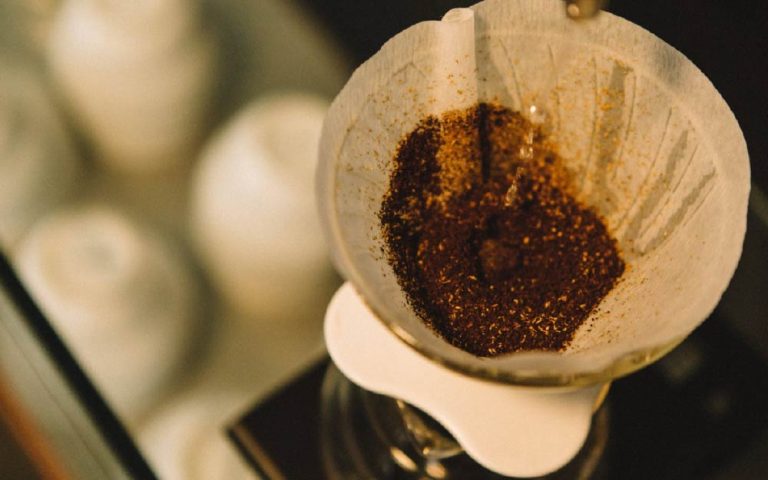
How to Brew Geisha Coffee: A Guide to Getting the Most From Every Cup
Brewing Geisha coffee without wasting your beans involves meticulous attention to grind size, water quality, temperature, and precise brewing techniques tailored to its delicate characteristics.
As someone who’s spent countless hours perfecting the art of specialty coffee brewing, I understand the unique reverence – and apprehension – that comes with a bag of precious Geisha beans. This isn't just any coffee; it's an investment in an unparalleled sensory experience. Knowing how to brew Geisha coffee without wasting your beans means treating each step with the care it deserves, unlocking its full, exquisite potential with every single cup.

Understanding Geisha Coffee: Why It's Special
Geisha coffee, often referred to as Gesha, is a variety celebrated for its distinctive aromatic and flavor profile. Originating from the Gori Gesha forest in Ethiopia, it rose to international fame after its rediscovery and cultivation in Panama, particularly at Hacienda La Esmeralda. What makes Geisha coffee so special are its complex notes of jasmine, bergamot, peach, and tropical fruits, often with a tea-like delicacy and bright acidity. It truly offers a unique journey for your palate.
This exceptional profile also explains its significant cost. Geisha coffee is notoriously challenging to grow, requiring specific microclimates and meticulous care, leading to lower yields compared to other varietals. Its scarcity, combined with high demand from connoisseurs and top baristas worldwide, drives up its price, making it one of the most expensive and sought-after coffees on the planet. For this very reason, the idea of "wasting beans" isn't just about financial loss; it's about missing out on a truly extraordinary taste experience that fewer people get to savor.

The Foundation: Sourcing and Storage
The journey to brewing Geisha coffee without wasting your beans begins long before the hot water meets the grounds. It starts with your selection and how you care for them. From my personal experience, the quality of your raw materials dictates everything.
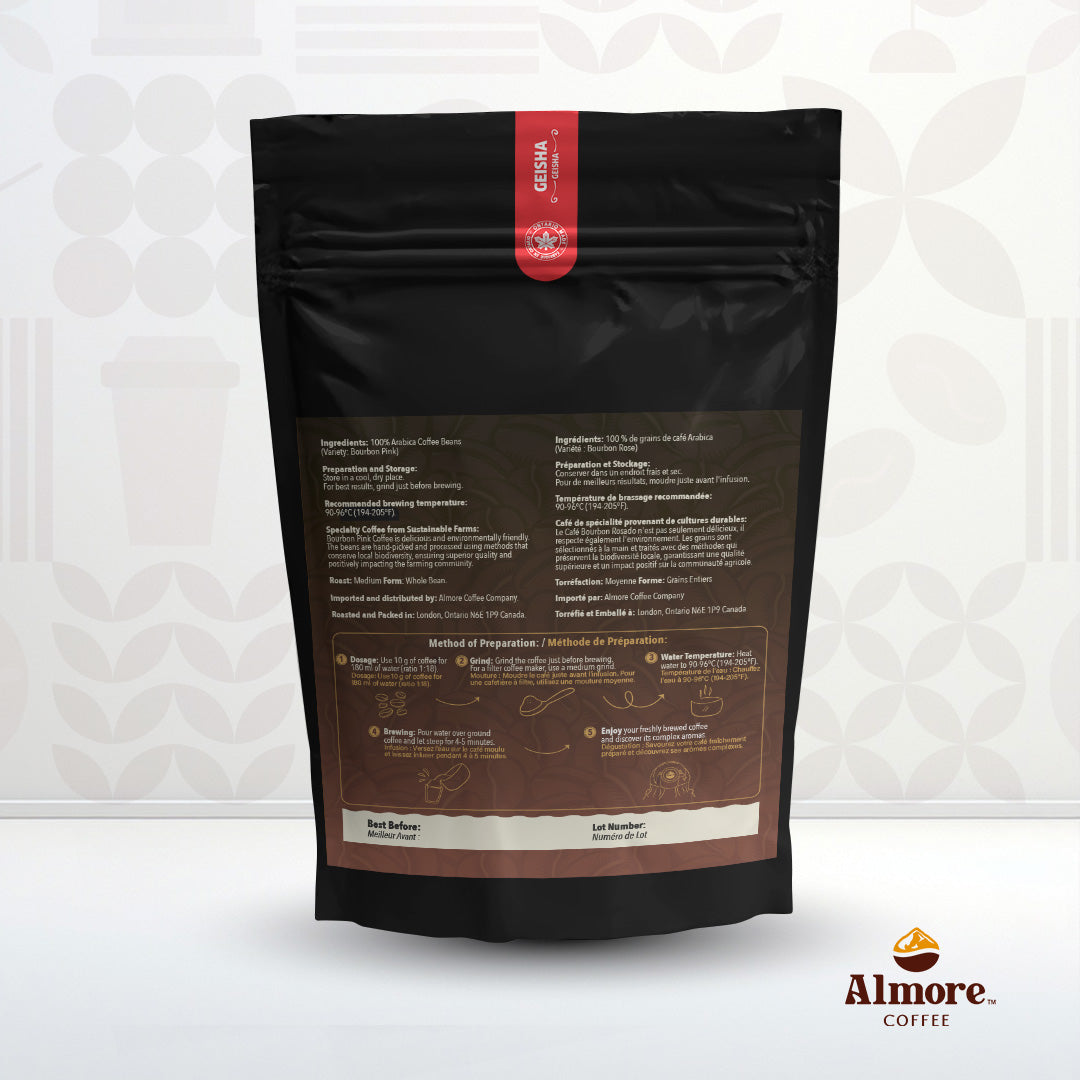
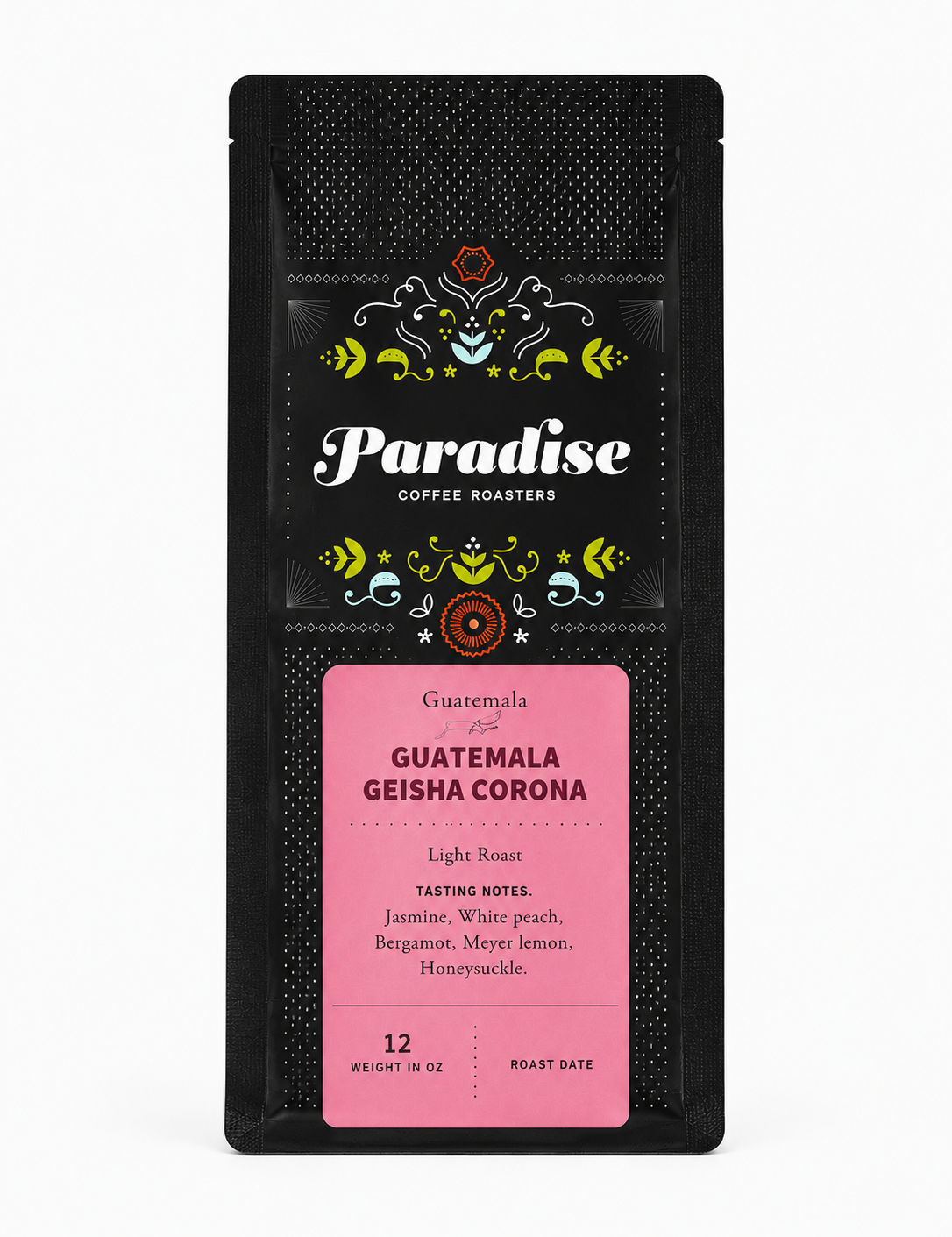
First, always seek out Geisha beans from reputable roasters who specialize in specialty coffee. Look for transparency regarding the coffee's origin, processing method, and, most importantly, the roast date. Freshly roasted Geisha coffee, typically within 5-14 days of roasting, offers the most vibrant flavors. Buying from a trusted source ensures you're getting genuine Geisha beans that have been handled with care up to that point.
Once you have your precious Geisha coffee, proper storage is paramount to preserve its delicate aromatics and avoid any premature degradation. My go-to method is an opaque, airtight container, stored in a cool, dark place away from direct sunlight, heat, and moisture. Avoid the refrigerator or freezer, as fluctuations in temperature and moisture can damage the beans and introduce unwanted flavors.
Mastering the Grind: Precision is Key
Grind consistency is arguably one of the most critical factors in brewing Geisha coffee successfully and avoiding wasted beans. An inconsistent grind leads to uneven extraction, resulting in either a sour, under-extracted cup or a bitter, over-extracted one. Neither truly showcases the nuanced flavors of Geisha.
When I started my journey with specialty coffee, I learned quickly that a blade grinder is the enemy of consistency. It chops beans rather than grinding them evenly, creating a mix of fine dust and large chunks. For Geisha coffee, you absolutely need a high-quality burr grinder, preferably conical or flat burr. These grinders crush the beans uniformly, allowing for predictable and optimal extraction.
My personal preference for brewing Geisha often leans towards a pour-over, which typically requires a medium-fine to medium grind. The key is to experiment slightly; if your brew time is too fast and the coffee tastes sour, go a little finer. If it's too slow and tastes bitter, coarsen your grind. Achieving a consistent grind ensures that water interacts with all coffee particles equally, extracting all those beautiful floral and fruity notes without the unpleasantries.

Water: The Unsung Hero of Your Brew
Think of water not just as a solvent, but as an ingredient – and a crucial one at that – when brewing Geisha coffee. It makes up 98% of your cup, so its quality profoundly impacts the final flavor. Hard tap water, or water with too many dissolved solids, can mute the delicate notes of Geisha or introduce off-flavors.
I always recommend using filtered water, ideally third-wave water or an equivalent that has a balanced mineral content. Water that is too soft (distilled) can lead to aggressive, unrefined extraction, while water that is too hard can hinder proper flavor development. The ideal water for brewing Geisha coffee has a TDS (Total Dissolved Solids) of around 100-150 ppm. This careful consideration for water quality directly contributes to not wasting your precious Geisha beans by ensuring a clean, vibrant expression of their inherent flavors.
Temperature control is equally vital. My countless brewing experiments have taught me that water that’s too hot can scorch the delicate aromatics of Geisha, leading to bitterness. Conversely, water that’s too cool will under-extract, resulting in a thin, sour cup. The sweet spot for Geisha coffee is typically between 195-205°F (90-96°C). Using a variable temperature kettle is a game-changer for hitting this precise range every single time.
Brewing Methods for Geisha: Highlighting the Best
Choosing the right brewing method is critical to extracting the best from your Geisha coffee without wasting its potential. Given its delicate and complex profile, methods that offer control and highlight clarity are usually preferred.
For me, the Pour Over method (like Hario V60 or Kalita Wave) is king for Geisha coffee. It allows for exceptional control over water flow, temperature, and contact time, resulting in a clean, vibrant cup that truly lets Geisha's intricate flavors shine. The typical technique involves a precise bloom phase (allowing the coffee to degas for 30-45 seconds) followed by slow, controlled pours, aiming for an even saturation of the coffee bed. Consistency in pouring is key here to avoid channeling and ensure a full, even extraction.
The AeroPress is another fantastic choice for brewing Geisha coffee, especially if you appreciate versatility and want to experiment. Its immersion and pressure-assisted extraction can yield a full-bodied yet clean cup. I've found that a slightly finer grind than pour-over, combined with a shorter steep time and a gentle press, can produce an incredibly aromatic and sweet Geisha brew.
While the French Press can be used, I personally caution against it for Geisha coffee. The immersion method and presence of fine sediments can sometimes obscure the delicate floral and tea-like nuances that make Geisha so special. If you do choose this method, ensure a very coarse, even grind and filter the coffee immediately after pressing to minimize over-extraction.

The Art of Extraction: Time and Technique
Perfecting the extraction for your Geisha coffee involves a few key elements working in harmony to ensure you don't waste any of its incredible flavor. It’s all about balance and precision.
First, let's talk about the brew ratio. While the "golden ratio" of 1:15 (1 gram of coffee to 15 ml of water) is a good starting point, for Geisha coffee, I often lean towards a slightly tighter ratio, like 1:16 or even 1:17, to highlight its delicate characteristics without over-extracting. This means, for instance, using 15 grams of coffee with 255 ml of water for a 1:17 ratio.
The bloom phase is non-negotiable when brewing Geisha coffee. This initial pour of hot water (about twice the weight of your coffee grounds) allows the coffee to "degas," releasing trapped carbon dioxide. This critical step ensures even saturation for subsequent pours and prevents sour or uneven extraction. I typically let it bloom for 30-45 seconds, watching for a consistent "rise" of the coffee bed.
Your pouring technique is also vital. For pour-overs, aim for slow, circular pours, starting from the center and spiraling outwards, then back in. Avoid pouring directly onto the filter paper, which can create bypass and under-extract your coffee. The goal is even saturation of the entire coffee bed throughout the brew.
Finally, manage your total brew time. For a 250-300ml pour-over, a total brew time of 2:30 to 3:30 minutes is often ideal for Geisha. If your brew runs too fast, your grind might be too coarse or your pour too aggressive, leading to under-extraction. If it runs too slow, your grind might be too fine or your pour too gentle, leading to over-extraction. Adjust your grind size slightly with each brew until you hit that perfect balance.

Tasting and Adjusting: Refine Your Brew
The real magic of brewing Geisha coffee, and truly avoiding waste, comes from learning to taste critically and make small adjustments. Each batch of beans, even from the same bag, can behave slightly differently, and your environment (humidity, atmospheric pressure) can also play a role.
When tasting Geisha coffee, look for specific characteristics: the vibrant florals (jasmine, rose), bright citrus (lemon, bergamot), and stone fruit notes (peach, apricot). It should have a clean, tea-like body and a lingering, pleasant aftertaste. This is the flavor profile you’re aiming to unlock.
If your Geisha brew tastes sour or weak, it’s likely under-extracted. This could mean your grind is too coarse, your water temperature is too low, or your brew time was too short. Try grinding a bit finer or increasing your water temperature slightly for the next batch.
If it tastes bitter or astringent, it’s probably over-extracted. Here, your grind might be too fine, your water temperature too high, or your brew time too long. Coarsening your grind or reducing the water temperature can help.
A flat or muted cup often indicates poor water quality or a lack of proper bloom. Revisit your water source and ensure a thorough bloom phase.
To keep track of my experiments and progress, I always recommend keeping a brew journal. Note down your grind setting, water temperature, coffee-to-water ratio, bloom time, total brew time, and tasting notes. This detailed record is invaluable for replicating excellent brews and troubleshooting less-than-perfect ones, ensuring that every bag of Geisha coffee you purchase reaches its full potential.
Frequently Asked Questions
Can I brew Geisha coffee in an automatic drip machine?
While technically possible, an automatic drip machine rarely provides the precise control over water temperature and flow rate needed to fully appreciate Geisha's delicate nuances. It's generally not recommended if you want to avoid wasting your premium beans.
What's the best grind size for Geisha coffee?
The best grind size typically ranges from medium-fine to medium, similar to table salt, especially for pour-over methods. However, precision burr grinders are essential for consistency, and slight adjustments will depend on your specific brewing method and desired extraction.
How do I know if my Geisha coffee is fresh?
Fresh Geisha coffee will have a roast date on the bag, ideally purchased within 5-14 days of that date. When brewing, fresh beans will bloom significantly, releasing carbon dioxide, which is a key indicator of freshness.
Is Geisha coffee worth the price?
For coffee enthusiasts seeking unique, complex, and exquisite flavors, Geisha coffee is often considered well worth its higher price. Its distinct aromatic profile and unparalleled taste experience set it apart from other varieties.
What water should I use for Geisha coffee?
For brewing Geisha coffee, use filtered water with a balanced mineral content, ideally with a Total Dissolved Solids (TDS) of 100-150 ppm. This ensures a clean base that allows the coffee's delicate flavors to shine through without interference.
Conclusion
Brewing Geisha coffee is truly a rewarding experience, a journey of sensory exploration that brings unparalleled flavors to your cup. By understanding the critical role of sourcing, meticulous storage, precise grinding, and carefully controlled water quality and temperature, you're not just making coffee; you're honoring the exceptional characteristics of these rare beans. Embracing methods like the pour-over and diligently fine-tuning your technique ensures that every gram of Geisha coffee delivers its absolute best, preventing any waste and elevating your coffee ritual. Now, go forth and brew with confidence, knowing you have the tools to create an extraordinary cup every single time. Explore new Geisha varietals, experiment with your personal settings, and share your triumphs with fellow enthusiasts – the world of specialty coffee is waiting!