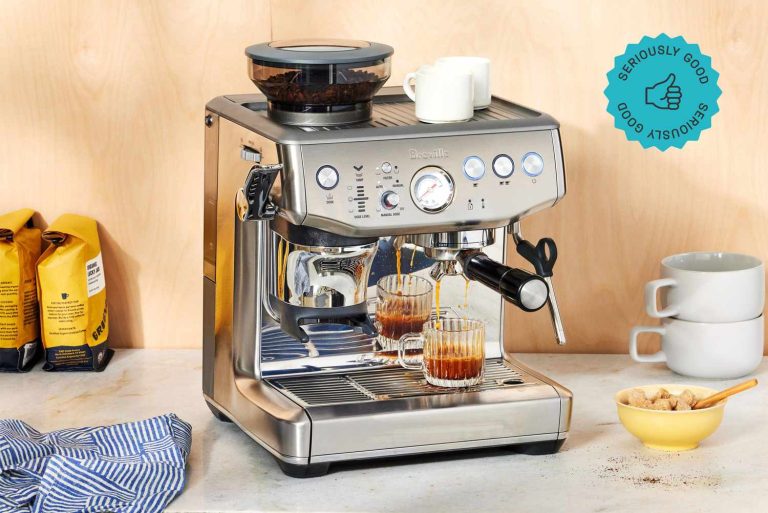
Why Does My Coffee Taste Like Hay? How to Fix Muted Flavors
Your coffee tastes like hay because of factors like poor quality or stale beans, incorrect roasting, under-extraction during brewing, an inconsistent grind, or even dirty equipment.
Many coffee lovers have experienced that disappointing moment: you brew a fresh cup, anticipating rich aromas and vibrant flavors, only to be met with a flat, grassy, or straw-like taste. This phenomenon of "Why Does My Coffee Taste Like Hay?" can be incredibly frustrating, especially when you're investing in quality beans. As someone who's spent years meticulously refining brewing techniques and sourcing beans, I understand the disheartening experience of muted tasting notes. This guide will walk you through the common culprits behind that undesirable hay-like flavor and equip you with practical, expert-backed solutions to ensure your next cup is nothing short of brilliant.

Understanding "Hay-like" Coffee
When we talk about coffee tasting like hay, we're referring to a set of unpleasant, often muted, or dull flavors that lack the desirable complexity coffee should offer. This isn't just about a subtle off-note; it's a prominent, sometimes overwhelming, vegetal or dry grass characteristic. It often signals that something fundamental went wrong along the coffee's journey from bean to cup. Identifying this specific off-flavor is the first step toward understanding why your coffee tastes like hay and how to fix it.
This flavor profile typically indicates underdevelopment or degradation in the coffee. Instead of tasting bright fruits, deep chocolates, or nutty undertones, you're left with an experience that feels raw and unfinished. It can strip away the joy of your morning ritual, making you wonder if you're doing something wrong. But rest assured, recognizing this issue is common, and with a few adjustments, you can transform your brew.
Primary Causes of Hay-like Coffee
Several critical factors can contribute to your coffee tasting like hay, each playing a distinct role in the final flavor profile. Understanding these causes is essential for accurately diagnosing and fixing muted tasting notes in your brew. From the initial bean quality to the brewing process, every step matters.
Poor Bean Quality and Origin
The foundation of any great cup of coffee is the quality of the green beans themselves. If the beans are inherently low-grade, poorly harvested, or have defects, they will inevitably lead to an undesirable taste. Beans that are picked unripe, or those that have fermented improperly at the farm level, often carry these grassy or hay-like notes right from the start. It’s hard to make bad beans taste good, no matter how skilled your brewing.
Improper Roasting
Roasting is a delicate art, transforming green beans into the aromatic brown beans we recognize. If coffee is under-roasted, it won't develop its full flavor potential, leaving behind those raw, vegetal notes that contribute to hay-like coffee. An uneven roast can also leave some beans underdeveloped, causing a mix of desirable and undesirable flavors. I've personally experimented with various roasts, and an underdeveloped light roast is a common culprit for that unmistakable hay taste.
Stale Coffee Beans
Coffee is a perishable product, and its flavor compounds degrade over time. Once roasted, coffee beans begin to release CO2 and lose their volatile aromatic compounds. If your coffee is past its prime, meaning it's been sitting around for weeks or months after its roast date, its vibrant flavors will fade, replaced by dull, woody, or hay-like notes. Improper storage, exposing beans to air, light, moisture, or heat, dramatically accelerates this staling process.
Grind Size and Consistency
The way you grind your coffee significantly impacts extraction. If your grind is too coarse for your chosen brewing method, water will pass through too quickly, resulting in under-extraction. This leaves many desirable flavors trapped in the grounds and releases more of those unpleasant, underdeveloped characteristics, making your coffee taste like hay. Furthermore, an inconsistent grind with varied particle sizes leads to uneven extraction, where some particles are over-extracted and others under-extracted, creating a muddled flavor.
Brewing Technique Issues
Even with perfect beans and grind, faulty brewing techniques can ruin your cup. Under-extraction is a major player here. This can happen due to:
- Insufficient Water Temperature: Water that isn't hot enough (typically below 195°F / 90°C) cannot efficiently extract the flavor compounds from the coffee grounds.
- Incorrect Brew Ratio: Too little coffee for the amount of water, or vice versa, throws off the balance of extraction.
- Too Short Brew Time: Not giving the water enough contact time with the grounds prevents full flavor development.
- Poor Water Quality: Water heavily chlorinated or high in minerals can interact negatively with coffee compounds, muting flavors or introducing off-tastes.
Equipment Cleanliness
This is often overlooked, but dirty brewing equipment can drastically impact your coffee's taste. Residual coffee oils and old grounds can build up in your grinder, brewer, or espresso machine over time. These stale, rancid oils impart bitter, acrid, or even hay-like flavors to your freshly brewed coffee, no matter how good your beans are. I once helped a friend troubleshoot his perpetually bad coffee, and a deep clean of his neglected espresso machine made all the difference; his coffee stopped tasting like hay overnight.

Fixing Muted Tasting Notes: A Step-by-Step Guide
Transforming your coffee from tasting like hay to a rich, flavorful experience is absolutely achievable with a methodical approach. By addressing each potential variable, you can systematically eliminate the causes of muted notes. Let's dive into practical steps to fix why your coffee tastes like hay.
Start with Quality Beans
Always begin with freshly roasted, high-quality specialty coffee beans. Look for a roast date on the bag, aiming to buy beans that were roasted within the last 1-3 weeks. Specialty coffee often comes with tasting notes, which can guide you towards flavors you enjoy and away from potential blandness. Trust me, the difference between generic store-bought beans and specialty-grade coffee is monumental in avoiding that hay-like flavor.
Master Your Roast
While you might not be roasting your own beans, understanding roast profiles is key. When purchasing, look for roasters who provide detailed information about their beans. If you find your coffee tastes like hay, consider trying a slightly darker roast from the same origin, as darker roasts tend to have more developed flavors and fewer grassy notes. Be aware of the roast date; older roasts are more likely to have lost their vibrancy.
Optimize Storage
Once you have fresh, quality beans, store them correctly. Keep whole beans in an airtight container, away from direct sunlight, heat, and moisture. Avoid the refrigerator or freezer for daily storage, as temperature fluctuations and condensation can degrade flavor. Grind your beans right before brewing to preserve their volatile aromas and oils, which will help prevent your coffee from tasting like hay.
Perfect Your Grind
Investing in a good burr grinder is non-negotiable for consistently delicious coffee. Adjust your grind size to match your brewing method. For French press, use a coarse grind; for pour-over, a medium-fine; and for espresso, a very fine grind. Experiment with small adjustments until you find the sweet spot where your coffee extracts evenly, preventing those undesirable hay-like notes from appearing.
Refine Your Brewing
This is where many subtle adjustments can make a huge impact.
- Water Temperature: Aim for water between 195°F and 205°F (90°C-96°C). A kettle with temperature control is a great asset.
- Brew Ratio: A common starting point is a 1:15 to 1:17 coffee-to-water ratio (e.g., 1 gram of coffee to 15-17 grams of water). Use a kitchen scale for precision.
- Brew Time: Adjust your brew time. If your coffee tastes like hay and is weak, try extending the brew time slightly or making your grind finer to increase extraction.
- Water Quality: Use filtered water. Hard water or water with off-flavors can severely impact your coffee's taste. Simple charcoal filters can make a noticeable difference in preventing muted notes.
Maintain Clean Equipment
Regularly clean all your coffee equipment. This includes your grinder (to remove old grounds and oils), your brewing device (pour-over dripper, French press, espresso machine components), and your serving vessels. A quick rinse isn't always enough. Use specialized coffee cleaning tablets or solutions periodically to remove stubborn coffee oils that contribute to those stale, hay-like flavors.

Personal Journey: From Bland to Brilliant
I vividly remember one particular batch of beans that consistently gave me a hay-like coffee. It was a single-origin from a new roaster I was trying, and despite all my usual precautions, every cup tasted flat, grassy, and utterly disappointing. I followed all my own advice: checked the roast date (fresh!), adjusted my grind (fine-tuned for my pour-over), and even changed my water filter. Yet, that stubborn hay flavor persisted.
It turns out, the issue was a combination of two things I hadn't properly considered for that specific bean: the roaster's profile and my brewing temperature. I learned that particular bean had been roasted very light, and my usual 200°F water wasn't quite hot enough to fully extract its delicate nuances without underdevelopment. I pushed the water temperature up to 205°F and extended my brew time by 15 seconds. The transformation was incredible! The hay disappeared, replaced by bright citrus and floral notes. This experience taught me that while general rules are great, each bean has its own sweet spot, and sometimes you need to push the boundaries of your typical routine. It truly reinforced that patience and a willingness to experiment are crucial when fixing muted tasting notes and figuring out why your coffee tastes like hay.

Beyond the Basics: Advanced Tips for Flavor Enhancement
Once you've mastered the fundamentals of avoiding hay-like coffee, you can delve deeper into enhancing your coffee's flavor profile. This level of exploration is where the true artistry of coffee brewing shines. It’s about understanding the nuances that elevate a good cup to a truly exceptional one.
- Explore Different Varietals: Don't stick to just one type of bean. Each coffee varietal (like Bourbon, Typica, Gesha) and origin offers unique flavor characteristics. Experiment with a natural processed Ethiopian for bright fruit notes, or a washed Colombian for balance. This broadens your palate and helps you appreciate the vast spectrum of coffee flavors, moving far beyond the fear of why your coffee tastes like hay.
- Consider Different Brew Methods: Your brewing method significantly influences the flavor profile. A pour-over highlights clarity and delicate notes, while a French press offers a fuller body and richer mouthfeel. Trying out an AeroPress, Chemex, or even a moka pot can reveal entirely new dimensions in the same beans. Each method extracts flavors differently, providing new avenues to explore and refine, ensuring you never encounter hay-like coffee again.
- Dialing in Espresso: For espresso lovers, precision is paramount. Adjusting your dose, yield, and shot time to hit the "golden ratio" for extraction (often 1:2 ratio of coffee to liquid in 25-30 seconds) can unlock incredible flavors. Small changes in grind size or tamp pressure can transform a sour, grassy shot into a sweet, balanced one. This level of control is key to avoiding muted tasting notes in espresso.
- Cupping for Analysis: To truly understand why your coffee tastes like hay or other off-notes, try cupping. This is a standardized method for evaluating coffee flavors. You'll grind multiple samples, steep them in hot water, and taste them systematically. This practice trains your palate to identify specific flavors, defects, and nuances, giving you a deeper appreciation and control over your brewing.

Frequently Asked Questions
Why does my coffee taste like hay even with fresh beans?
Even with fresh beans, your coffee might taste like hay due to under-extraction caused by an overly coarse grind, insufficient water temperature, or too short a brewing time. It could also point to poor quality green beans from the start, or improper storage that led to premature staling.
Can different brewing methods cause hay-like flavors?
Yes, absolutely. Brewing methods can definitely cause hay-like flavors if not executed correctly. For example, a French press with too coarse a grind and too short a steep can under-extract, leading to a grassy taste, just as a pour-over with too fast a flow rate can.
What's the ideal water temperature to avoid muted notes?
The ideal water temperature to avoid muted notes and ensure optimal extraction is typically between 195°F and 205°F (90°C to 96°C). Water that is too cool will lead to under-extraction and potentially hay-like flavors.
How often should I clean my coffee equipment?
You should rinse your brewing equipment after every use and perform a deeper clean regularly, ideally weekly for daily brewers and monthly for more thorough descaling or component cleaning. This prevents the buildup of old coffee oils and residue that can cause your coffee to taste like hay.
Does water quality really affect coffee taste?
Yes, water quality dramatically affects coffee taste. Water that is too hard, too soft, or contains high levels of chlorine or other minerals can interact with coffee compounds, muting desirable flavors and sometimes introducing undesirable tastes. Using filtered water is highly recommended to fix muted tasting notes.
Conclusion
Unlocking the full potential of your coffee, moving beyond that disappointing hay-like flavor and fixing muted tasting notes, is a journey of understanding and refinement. By meticulously addressing factors like bean quality, proper roasting, optimal storage, precise grinding, and refined brewing techniques, you can transform your daily cup. Don't be discouraged by past experiences; every bland brew is an opportunity to learn and improve. I encourage you to experiment with one or two of these tips this week. Pay attention to the subtle changes and note what works best for your setup and palate. Share your brewing journey or any triumphs you've had in the comments below – let's inspire each other to brew better!