How to Brew Experimental Flavored Coffee Beans With Espresso and V60
Experimental and flavored coffee beans require careful adjustments to grind size, dose, and water temperature to extract their unique profiles effectively in espresso and V60.
Diving into the world of experimental and flavored coffee beans offers an exciting adventure for any home barista or coffee enthusiast, but mastering their unique characteristics in your espresso machine or V60 brewer can feel like navigating uncharted waters. As someone who's spent countless hours experimenting with these intriguing beans, I know the thrill of a perfect shot and the frustration of a muddled cup. This guide is designed to equip you with the knowledge and practical tips you need to confidently handle these distinctive beans, ensuring you unlock their full aromatic and taste potential whether you're pulling a rich espresso or brewing a clean V60. We'll explore why these beans behave differently and how to adapt your brewing strategy to celebrate their unique qualities.

Understanding Experimental and Flavored Coffee Beans
Before we dive into brewing techniques, let's understand what makes experimental and flavored coffee beans so unique. "Experimental" often refers to beans processed using innovative methods that push the boundaries of traditional washed, natural, or honey processes. Think anaerobic fermentation, carbonic maceration, or extended maceration, which can drastically alter the bean's internal structure and chemical composition. These processes create incredibly complex and sometimes wild flavor profiles, from intense fruit notes to funky, wine-like characteristics.
Flavored coffee beans, on the other hand, are typically specialty-grade beans infused with natural or artificial flavorings after roasting. These can range from subtle vanilla and hazelnut to more adventurous caramel, chocolate, or seasonal spice blends. The key difference here is the introduction of external compounds that interact with the coffee's inherent flavors. Successfully handling both types of beans requires a thoughtful approach, focusing on respecting their distinct properties to achieve a delicious cup.

Pre-Brewing Essentials for Unique Beans
Handling experimental or flavored coffee beans starts even before you touch your grinder. The initial steps are crucial for setting yourself up for success, especially since these beans often present a steeper learning curve than your standard roast. I've personally learned that patience and meticulous preparation are your best friends here.
Assessing the Roast Level and Bean Density
The roast level is a fundamental indicator for any coffee, but it's especially important for these unique beans. Experimental processing can result in beans with varying densities and moisture content, even within the same batch. Darker roasts are typically more porous and brittle, demanding a coarser grind and cooler water to avoid over-extraction and bitterness. Lighter roasts, often associated with experimental processes, are denser and require finer grinding and hotter water to fully extract their complex acids and aromatics. Flavored beans might also have unique roast profiles depending on the flavor chosen; sometimes, a slightly darker roast is used to better hold the added flavors. Feel the beans, look at their color, and listen for the crackle as you grind.
Storage Considerations
Proper storage is paramount for preserving the delicate flavors of both experimental and flavored coffee beans. Air, light, moisture, and heat are the enemies of freshness. Always store your beans in an opaque, airtight container in a cool, dark place. For flavored beans, this is even more critical because the added oils can degrade faster or impart off-flavors if exposed to adverse conditions. I always advise keeping flavored beans separate from your unflavored specialty beans to prevent flavor transfer, which I once learned the hard way when my expensive Geisha started tasting faintly of hazelnut! This simple tip can save you from a major coffee faux pas and preserve the integrity of all your precious beans.
Why Do Experimental Beans Behave Differently?
Experimental beans behave differently primarily due to their unique processing methods. Traditional processing aims for consistency, but experimental methods intentionally introduce variables like anaerobic environments or specific microbial cultures. These processes alter the sugars, acids, and other compounds within the coffee cherry, leading to a wider range of flavors and often a less predictable roast. The resulting beans can be more delicate or volatile during brewing, necessitating precise adjustments to extract their intended profile without highlighting undesirable notes. Understanding these underlying changes helps in predicting their brewing behavior.

Espresso: Taming the Wild Shot
Brewing experimental or flavored coffee beans as espresso is where your barista skills truly get to shine. The pressure and short extraction time amplify every nuance, making precise adjustments essential. It's a dance of variables, and I've found that a methodical approach yields the best results.
Grind Size Adjustments for Espresso
For espresso, grind size is your most powerful tool. With experimental beans, especially those with unusual processing, the internal structure can be inconsistent. You might find you need a slightly coarser grind than usual to prevent channeling, as these beans can sometimes produce more fines. Conversely, some highly dense, light-roasted experimental beans might demand an even finer grind to achieve proper extraction. For flavored beans, the added oils can sometimes make the grinds clumpier, so a slightly coarser setting might also help improve flow and prevent blockages. Start with your usual espresso grind setting, then adjust incrementally based on your shot time and flow rate.
Dosing and Ratio Strategies
Dosing and brew ratio are critical to controlling the intensity and balance of your espresso. For experimental beans, I often start with a slightly lower dose or a longer ratio (e.g., 1:2.5 or 1:3 instead of the standard 1:2) to allow their complex flavors to unfold without becoming overpowering. This can help to mellow out any extreme acidity or funkiness that might emerge. With flavored beans, a slightly higher dose or shorter ratio might be beneficial to ensure the coffee flavor isn't completely masked by the added flavoring. Pay close attention to your shot weight and time, aiming for consistency while adjusting to taste.
Temperature and Pressure Profiling
Water temperature plays a significant role in extracting different compounds. For very light-roasted experimental beans, a slightly higher water temperature (e.g., 200-205°F or 93-96°C) can help break down their dense cell structure and extract more sweetness and complex acids. For darker-roasted flavored beans, a slightly lower temperature (e.g., 195-200°F or 90-93°C) can prevent over-extraction and bitterness, which often accompanies the added flavorings. If your machine allows for pressure profiling, experimenting with a pre-infusion or a gentle ramp-up can also unlock subtle notes in experimental beans, mitigating channeling and promoting a more even extraction.
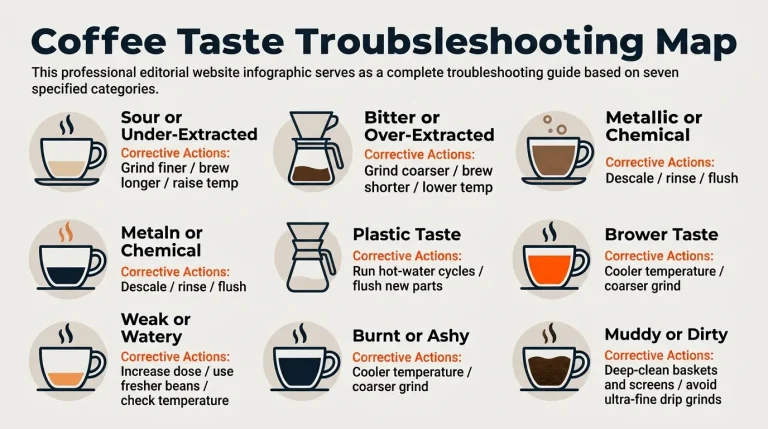
Troubleshooting Common Espresso Issues
When pulling shots of experimental or flavored coffee beans, you might encounter specific challenges. If your shot is too fast and sour, try a finer grind or a higher dose. If it's too slow and bitter, coarsen your grind or reduce your dose. Channeling, a common issue with inconsistent bean structures, can sometimes be mitigated by a thorough puck preparation, including WDT (Weiss Distribution Technique). For flavored beans, an overly oily puck can sometimes clog screens; regular cleaning is essential. Don't be afraid to pull several shots, tasting each one, to truly dial in these unique beans. It's all part of the fun of handling experimental coffee beans and exploring their potential.
V60: Highlighting Nuance with Pour Over
The V60 is celebrated for its ability to highlight the delicate nuances and clarity of specialty coffee, making it an excellent choice for experimental and flavored coffee beans. However, this clarity also means that any brewing errors are easily noticeable. I approach V60 brewing with these beans as a careful exploration, aiming to draw out their most beautiful characteristics.
Grind Size for V60 Perfection
For V60, the grind size is typically medium-fine to medium, but experimental and flavored beans demand precision. Experimental beans, especially those with intricate processing, often benefit from a slightly coarser grind than you might initially think. This helps prevent clogging and allows for a more even flow, mitigating the risk of over-extraction that can mute their delicate flavors. For flavored beans, a consistent grind is crucial to ensure the flavor is evenly distributed without becoming overwhelming. If your brew time is too long, coarsen the grind; if it's too fast, go a touch finer.
Water Temperature and Pouring Techniques
Water temperature for V60 is just as crucial as for espresso. For light-roasted experimental beans, aiming for water between 205-210°F (96-99°C) often helps fully extract their complex acids and sugars, enhancing brightness and sweetness. For medium-dark flavored beans, a slightly lower temperature, perhaps 200-205°F (93-96°C), can prevent the added flavors from becoming harsh or artificial-tasting.
Your pouring technique is also vital. A gentle, controlled pour, starting with a bloom phase, is essential for both types of beans. For experimental beans, I find a slow, steady spiral pour often works best to ensure even saturation and a clean extraction. For flavored beans, avoid aggressive pouring that might disrupt the bed and lead to uneven extraction of the flavor compounds. Maintaining a consistent water level and avoiding pouring directly onto the filter paper will yield the best results.
Brew Ratios and Contact Time
The brew ratio is your main lever for controlling strength and body in V60. A common starting point is 1:15 or 1:16 (coffee to water), but feel free to adjust. For experimental beans, I sometimes opt for a slightly wider ratio (e.g., 1:17) to allow their complex notes to express themselves without becoming overwhelming. This often translates to a longer contact time, which can be beneficial for lighter roasts. For flavored beans, you might find a slightly tighter ratio (e.g., 1:14) enhances the flavor intensity without making the coffee taste weak. Monitor your total brew time; aiming for 2:30-3:30 minutes is a good range for most V60 brews.
Adjusting for Unique Flavor Profiles
The real art of handling experimental or flavored coffee beans in a V60 is adjusting your method to the specific flavor profile. If an experimental bean tastes too acidic or sour, a slightly finer grind, hotter water, or longer contact time might be needed to increase extraction. If it's bitter or hollow, coarsen the grind, lower the temperature, or reduce contact time. For flavored beans, if the added flavor is too subtle, try a slightly finer grind or tighter ratio. If it's overpowering, a coarser grind or wider ratio can balance it out. Always taste and adjust incrementally; each bean is a new adventure. This iterative process is how you learn to truly handle experimental coffee beans and flavored coffee beans to their full potential.
Advanced Tips and Best Practices
Once you've mastered the basics, there are several advanced strategies and best practices that can elevate your brewing experience with experimental and flavored coffee beans. These insights come from years of experimenting and countless cups of coffee.
The Importance of Water Quality
Good water quality is often overlooked but is absolutely critical, especially with experimental and flavored coffee beans. Water that is too hard can mute delicate flavors and contribute to scale buildup, while water that is too soft might lead to overly acidic or thin coffee. Ideal brewing water has a balanced mineral content that allows the coffee's inherent flavors to shine. I’ve found that using filtered water or even specialty brewing water formulated for coffee can make a dramatic difference, revealing hidden complexities in experimental beans and ensuring flavored beans taste as intended. Don't let your water sabotage your efforts to handle experimental coffee beans perfectly.
Sensory Evaluation and Tasting Notes
Developing your palate and keeping detailed tasting notes is perhaps the most valuable skill when dealing with these unique beans. Experimental beans often defy traditional tasting categories, requiring you to describe what you truly taste and smell. Is it tropical fruit? A hint of funk? Wine-like acidity? For flavored beans, note how the added flavor interacts with the coffee's natural profile. Does it complement or overpower? I recommend using a standardized tasting wheel to help articulate your observations. Consistent note-taking helps you track your adjustments, understand how different parameters affect the final cup, and remember what worked (or didn't work) for specific beans.
Experimentation and Documentation
The very nature of "experimental" beans encourages experimentation, and flavored beans often demand it to find their sweet spot. Don't be afraid to try unconventional approaches. Maybe a slightly higher dose, an unusual brew ratio, or a different pour pattern will unlock something incredible. The key is to document everything: grind setting, dose, water temperature, brew time, and your tasting notes. This systematic approach allows you to learn from each brew, iterate on your process, and replicate successful results. My personal brewing journal is filled with scribbled notes and revelations, helping me confidently handle experimental coffee beans every time.
Why Do Some Flavored Coffees Taste Artificial?
Flavored coffees can sometimes taste artificial due to the quality of the flavorings used, the method of application, or simply because the added flavor clashes with the coffee's natural profile. Cheap, synthetic flavorings are a common culprit. Additionally, if the coffee itself is low quality or over-roasted before flavoring, the artificial notes become more pronounced. Brewing with too high a temperature can also burn off delicate flavor compounds, leaving behind harsher, less pleasant notes. Choosing flavored beans from reputable roasters who use natural, high-quality flavorings is crucial.
Frequently Asked Questions
What are the main differences between experimental and flavored coffee beans?
Experimental coffee beans involve innovative processing methods that alter the bean's internal chemistry and flavor development naturally. Flavored coffee beans, conversely, have external flavorings added after the roasting process, imparting distinct aromas and tastes.
Can I use the same brewing parameters for both types of beans?
No, it's generally not recommended. Experimental beans often require adjustments to extract complex natural flavors, while flavored beans need different parameters to balance the added flavor with the coffee's base notes, often requiring cooler temperatures.
How do experimental processes impact the roast profile of coffee beans?
Experimental processes can significantly alter bean density and moisture content, making them react differently during roasting. This often leads to varied heat transfer, requiring roasters to adapt profiles to avoid scorching or underdeveloped flavors, particularly with light roasts.
Is it harder to dial in espresso or V60 for these special beans?
Both espresso and V60 present unique challenges. Espresso amplifies inconsistencies and demands precise adjustments due to pressure, while V60's clarity means any flaw in extraction or flavor balance is easily detected. It often depends on the specific bean and your familiarity with the brewing method.
What's the best way to store experimental or flavored coffee beans?
Store both types of beans in an airtight, opaque container away from light, heat, and moisture. For flavored beans, it's best to store them separately from unflavored beans to prevent any flavor transfer.
Conclusion
Mastering how to handle experimental or flavored coffee beans in your espresso machine or V60 is a journey of discovery that rewards patience, precision, and an open mind. By understanding the unique characteristics of these beans, from their varied roast levels to their distinct processing methods, you can make informed adjustments to your grind size, dose, water temperature, and pouring techniques. Embrace the trial and error, document your findings, and trust your palate to guide you towards truly exceptional cups. Each brew is an opportunity to explore new dimensions of flavor and elevate your home barista skills.
Now, it's your turn! Grab a bag of those intriguing experimental or flavored beans you've been curious about, apply these tips, and share your brewing adventures in the comments below. What unique flavors have you discovered, and what challenges did you overcome? Let's keep the conversation brewing!