
Why Is My Pour Over Coffee Weak? How to Fix Under-Extraction
Making a truly excellent cup of pourover coffee at home is a rewarding ritual, but when your brew turns out weak or underextracted, it can be incredibly frustrating. Weak or underextracted pourover coffee is often caused by an incorrect grind size, insufficient water temperature, or an uneven pour technique. Don't let a less-than-perfect cup deter you from the joy of pourover; understanding the common culprits and applying targeted solutions can elevate your morning routine from merely acceptable to truly exceptional. This comprehensive guide is designed to empower you with the knowledge and practical tips needed for troubleshooting weak or underextracted pourover coffee, ensuring every future brew is full-bodied, flavorful, and perfectly balanced.
Understanding Weak vs. Underextracted Coffee
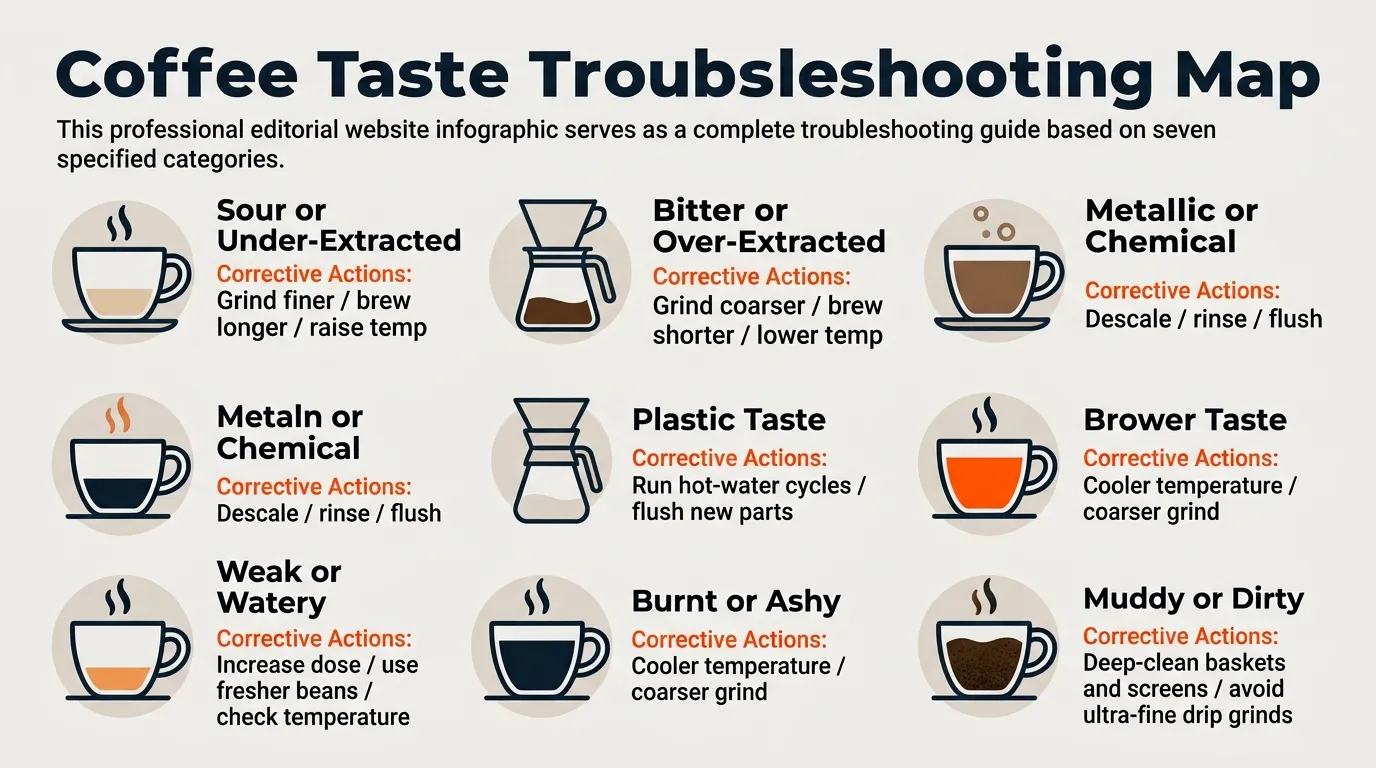
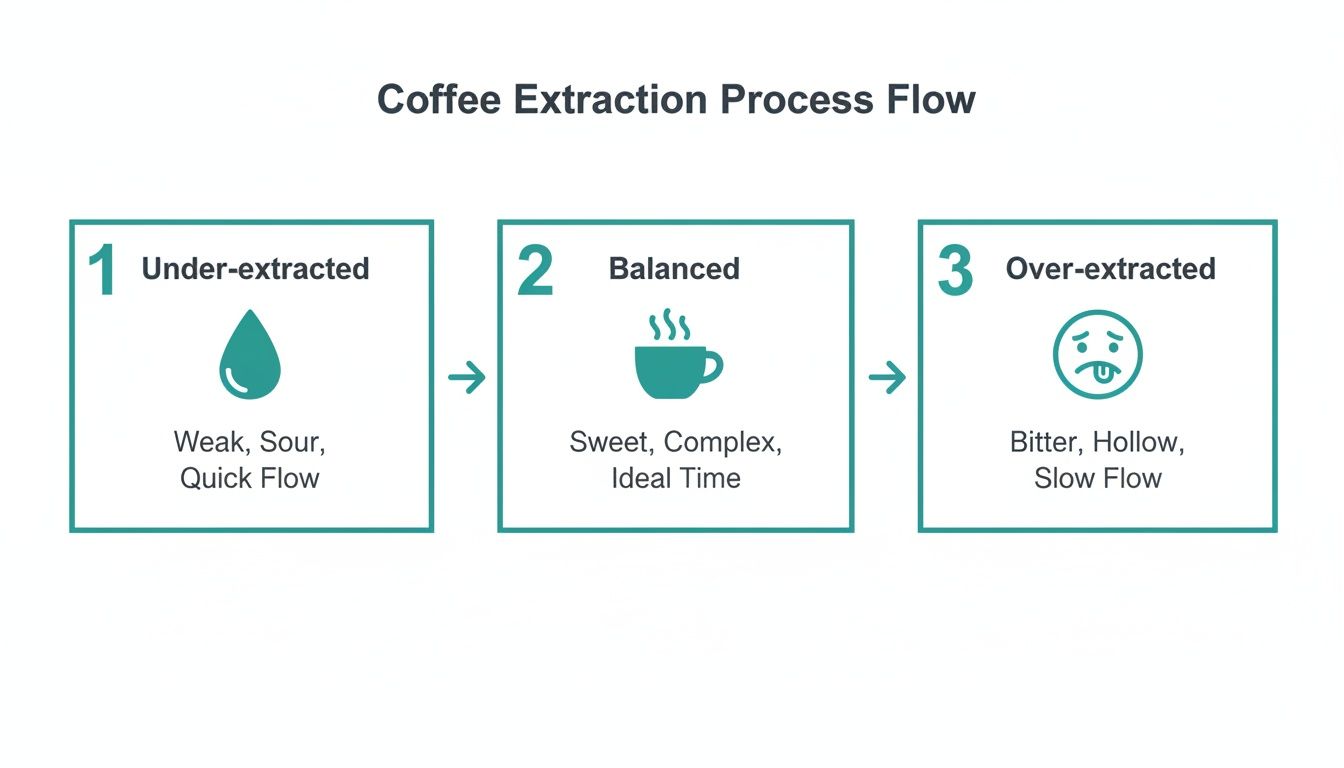
Before we dive into troubleshooting, it's crucial to understand what "weak" and "underextracted" actually mean in the context of your pourover. While often used interchangeably, there's a subtle but important distinction. Weak coffee simply refers to a brew that lacks intensity, often due to too much water or not enough coffee. Underextracted coffee, on the other hand, is when insufficient soluble compounds have been drawn from the coffee grounds during the brewing process, leading to a specific set of undesirable flavors.
An underextracted cup often tastes sour, acidic, or thin, sometimes even like diluted tea. You might also notice a lack of body or a quick fade in flavor after the first sip. This isn't just about strength; it's about the incomplete development of the coffee's inherent flavors, leaving behind the more desirable sweet, complex notes. Recognizing these specific taste profiles is the first step in effectively troubleshooting weak or underextracted pourover coffee.
Common Culprits Behind Underextraction
When your pourover disappoints with its lack of depth and flavor, a few usual suspects are often to blame. These factors directly impact how effectively water extracts the delicious compounds from your coffee grounds. Identifying which of these elements is off-kilter is key to successful troubleshooting weak or underextracted pourover coffee.
From my own experience, I've learned that a slight oversight in any one of these areas can drastically alter the final taste. It's a delicate balance, and even seasoned home baristas can fall into these traps if they're not paying close attention to their brewing parameters. Let's break down the primary causes you should investigate.
Grind Size: The Foundation of Extraction
Perhaps the most critical factor in troubleshooting weak or underextracted pourover coffee is your grind size. The surface area of your coffee grounds dictates how quickly and effectively water can extract flavor. If your grind is too coarse, water flows through too quickly, and there isn't enough contact time to dissolve the desirable compounds.
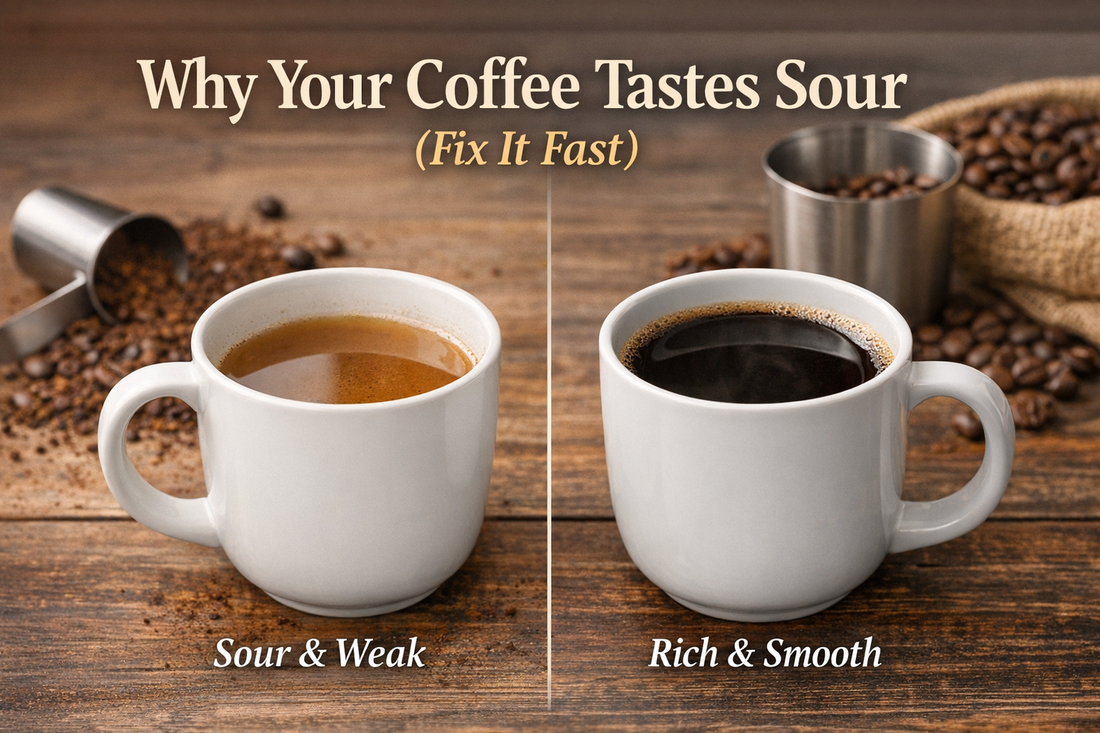
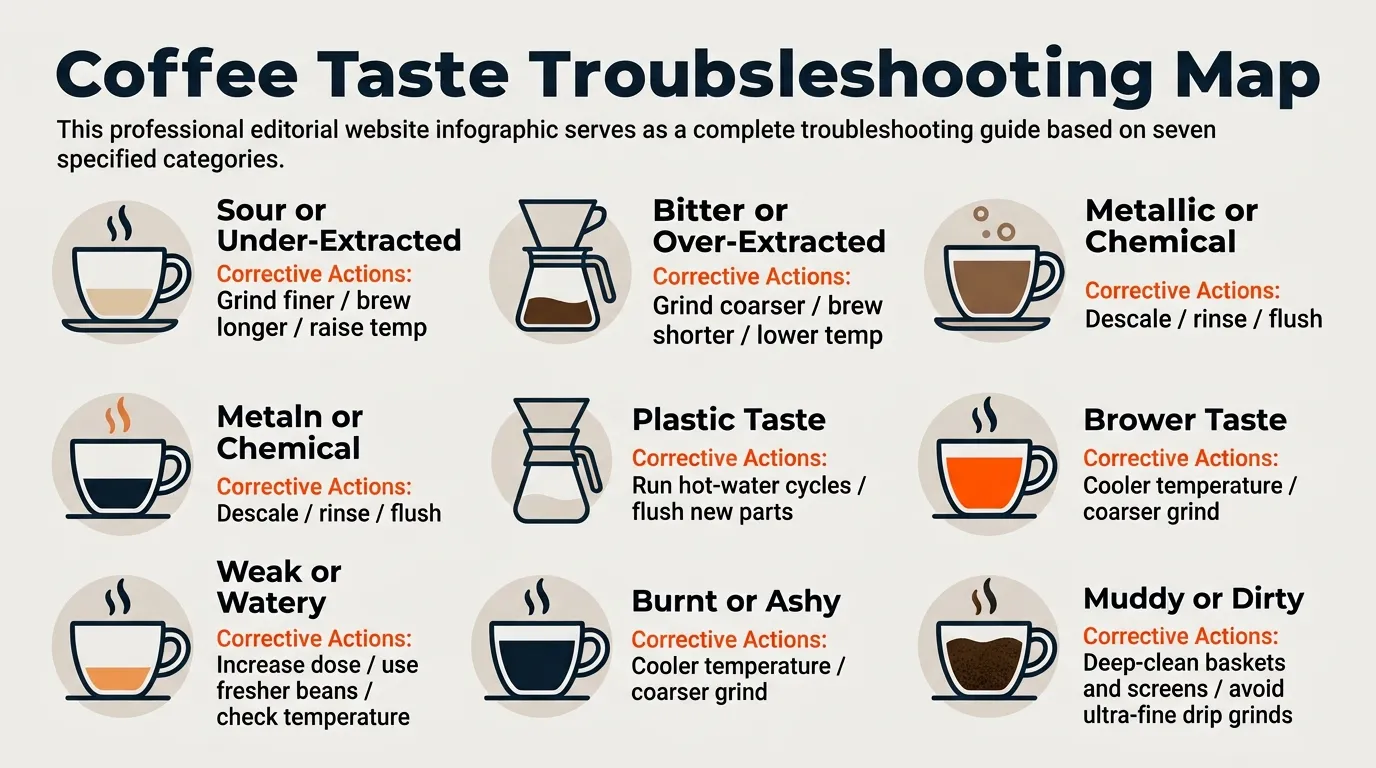
Think of it like this: extremely coarse grounds are like large rocks; water washes over them without fully penetrating. For pourover, you typically want a medium-fine grind, resembling table salt or sand. If your coffee tastes sour or watery, try grinding a bit finer. This increases the surface area, allowing for greater contact with the hot water and facilitating a more thorough extraction of those delicious flavors. adjusting your grind size is often the quickest and most impactful change you can make when troubleshooting weak or underextracted pourover coffee.
Water Temperature: The Heat of the Matter
Water temperature plays a crucial role in the solubility of coffee compounds. If your water isn't hot enough, it simply won't be able to dissolve the flavors from the coffee grounds efficiently, leading to an underextracted brew. Ideal brewing temperatures typically fall between 195°F and 205°F (90°C and 96°C).
Using water that's too cool will result in a flat, sour, or weak taste. I once made the mistake of not letting my kettle fully heat up, thinking "hot enough" was good enough. The resulting cup was a pale imitation of the coffee it should have been. Investing in a good gooseneck kettle with temperature control is a game-changer for precision. Ensuring your water is within the optimal range is a fundamental step in troubleshooting weak or underextracted pourover coffee.
Pouring Technique: Precision is Key
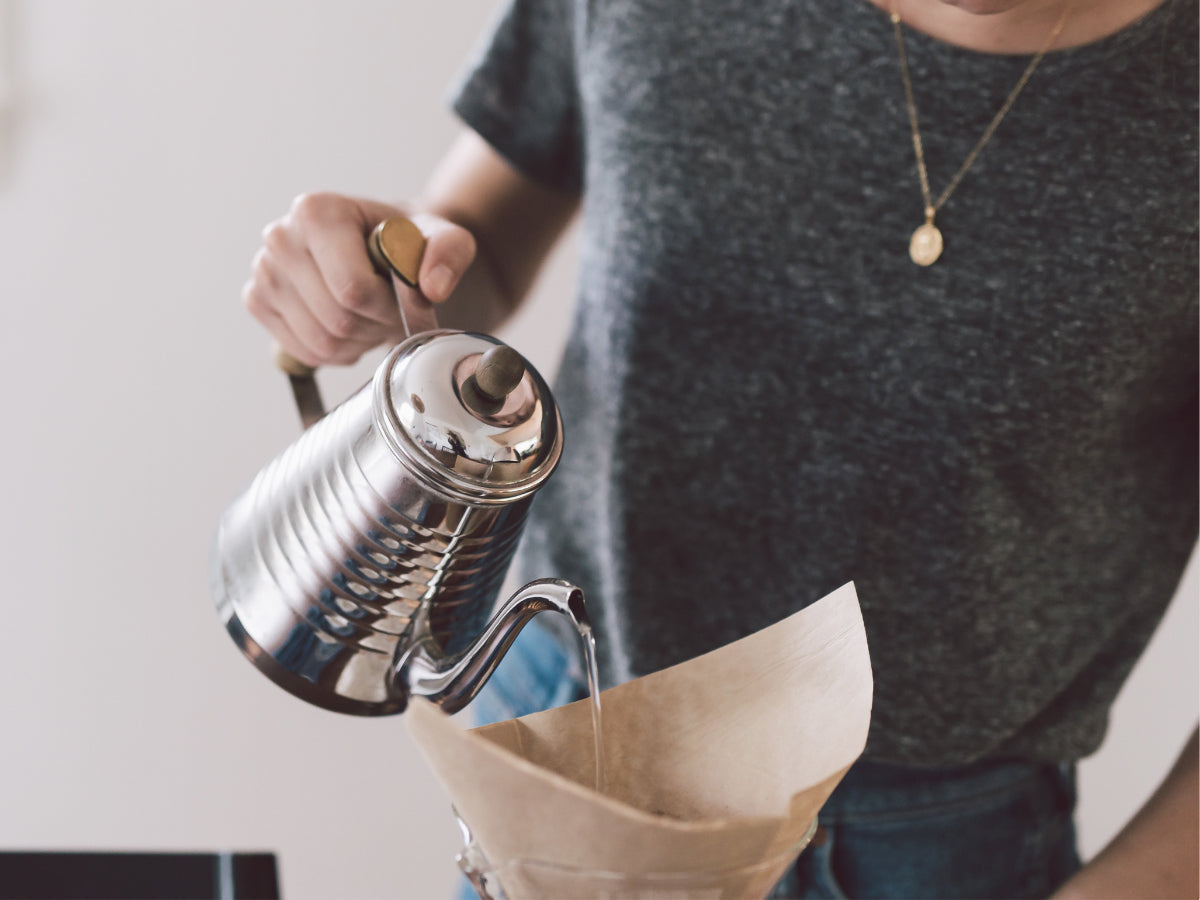
Your pouring technique is more than just aesthetics; it significantly impacts how evenly your coffee grounds are saturated and extracted. An inconsistent or too-fast pour can create channels in the coffee bed, leading to uneven extraction where some grounds are over-extracted and others are underextracted. This unevenness often manifests as an overall weak or sour flavor profile.
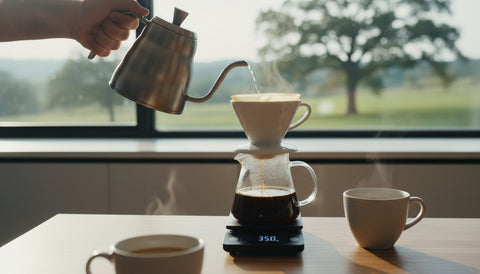
Start with a slow, controlled bloom pour, just enough water to saturate all the grounds and allow them to degas. Then, pour in slow, concentric circles, ensuring all grounds are evenly wetted without disturbing the coffee bed too much. My personal breakthrough in pourover came when I focused intently on maintaining a steady, consistent pour rate. This consistency prevents dry spots and ensures every particle has its moment with the hot water, making it a vital aspect of troubleshooting weak or underextracted pourover coffee.
Brew Time and Ratio: The Balance Act
The total brew time and your coffee-to-water ratio are interconnected variables that directly influence extraction. If your brew time is too short, or if you're using too much water for the amount of coffee, you'll inevitably end up with a weak or underextracted cup. A typical starting point for pourover is a ratio of 1:15 to 1:17 (coffee to water), meaning for every gram of coffee, you use 15-17 grams of water.
For example, if you're using 20 grams of coffee, you'd aim for 300-340 grams of water. Aim for a total brew time of about 2:30 to 3:30 minutes for a standard cup. If your brew finishes much faster, it's a strong indicator of underextraction. Adjusting your grind size finer will slow down the flow rate and increase contact time, helping to extend the brew time and improve extraction. Experimenting with these variables is essential when troubleshooting weak or underextracted pourover coffee.
Water Quality: An Overlooked Factor
While often overlooked, the quality of your brewing water can profoundly affect the taste and extraction of your coffee. Water that is too soft (lacking minerals) or too hard (excessive minerals) can hinder proper extraction. Soft water may lead to a dull, flat taste, while overly hard water can prevent full flavor development and leave a chalky residue.
Minerals in water, particularly calcium and magnesium, play a crucial role in carrying the dissolved flavors from the coffee grounds. Using filtered water or specialty brewing water is a simple yet effective way to ensure your water isn't sabotaging your efforts. I've personally found that once I started paying attention to my water's mineral content, the clarity and sweetness in my pourover brews significantly improved, making it a hidden gem in troubleshooting weak or underextracted pourover coffee.
Coffee Bean Freshness and Quality
Even with perfect technique, stale or low-quality coffee beans will yield a disappointing brew. Coffee is a perishable product, and its aromatic compounds quickly degrade once roasted. Stale beans have lost many of their volatile flavors, making full extraction impossible regardless of your brewing method.
Always use freshly roasted beans, ideally within 2-4 weeks of their roast date. Store them in an airtight container, away from light and heat. Furthermore, the inherent quality of the beans themselves—their origin, processing, and roast level—plays a huge role. Specialty-grade coffee beans are simply going to offer a better foundation for a delicious cup. If you're consistently troubleshooting weak or underextracted pourover coffee, consider upgrading your bean source.
My Personal Journey: Learning from Underextraction
I remember my early days with pourover, filled with enthusiasm but often met with cups that tasted… thin. I'd religiously follow recipes, but my coffee frequently tasted sour and lacked the rich body I craved. It was frustrating, and I almost gave up on the method, thinking it was just too finicky. My big "aha!" moment came when I started experimenting with grind size, truly understanding its impact.
I had been using a blade grinder (a big no-no for consistent pourover!), which created an inconsistent mix of fine dust and large chunks. Switching to a burr grinder was transformative, immediately improving the evenness of my extraction. Then, I learned the importance of proper water temperature and a controlled pour. Instead of just dumping water, I began to see the pourover as a gentle dance. Each adjustment, whether it was grinding slightly finer or slowing my pour, brought me closer to that elusive perfect cup. These lessons in troubleshooting weak or underextracted pourover coffee truly elevated my brewing game, transforming frustration into consistent enjoyment.
Frequently Asked Questions of Troubleshooting Weak or Underextracted Pourover Coffee
Why does my pourover coffee taste sour and watery?
Your pourover coffee likely tastes sour and watery due to underextraction. This usually indicates your grind is too coarse, your water temperature is too low, or your brew time is too short, preventing full flavor development.
What is the ideal grind size for pourover to avoid underextraction?
The ideal grind size for pourover coffee is typically a medium-fine consistency, similar to table salt or sand. This allows for optimal water contact and sufficient extraction time without clogging the filter.
How can I make my pourover coffee stronger without increasing the amount of coffee?
To make your pourover coffee stronger without adding more grounds, you can try grinding finer, increasing your water temperature to the optimal range (195-205°F), or slowing down your pour to extend the brew time and enhance extraction.
Does water quality really affect pourover coffee extraction?
Yes, water quality significantly affects pourover coffee extraction. Water with an imbalanced mineral content can hinder the dissolution of coffee compounds, leading to a weak or underextracted brew, so filtered water is often recommended.
How do I know if my pourover brew time is too short?
If your pourover finishes significantly faster than the recommended 2:30 to 3:30 minute window for a standard cup, it's a strong indicator that your brew time is too short. This often results from a grind that is too coarse, allowing water to flow through too quickly.
Conclusion
Mastering the art of pourover coffee is a journey, not a destination, and troubleshooting weak or underextracted pourover coffee is a fundamental part of that process. By systematically addressing factors like grind size, water temperature, pouring technique, brew time, and water quality, you can transform a disappointing cup into an exceptional one. Embrace the experimentation, pay close attention to your senses, and remember that every less-than-perfect brew is a valuable learning opportunity. Continue to refine your technique, and you'll soon be consistently brewing pourover coffee that truly sings. For more tips on elevating your home brewing, explore our other guides and join our community of coffee enthusiasts!