
Why Choose a Manual Espresso Machine? Benefits Explained
Many prefer manual espresso machines for unparalleled control, superior taste, and the rewarding ritual of crafting coffee.
In a world increasingly dominated by convenience, you might wonder why some coffee aficionados choose to bypass the push-button simplicity of fully automatic or capsule machines. The truth is, for a dedicated segment of coffee lovers, the journey to a perfect shot of espresso is as important as the destination itself. This isn't just about making coffee; it's about an engaging craft, a pursuit of perfection, and a deep connection to the brewing process. If you’ve ever yearned for a richer, more personal coffee experience, understanding the allure of manual espresso machines might just change the way you view your morning brew.
The Art of Control: Precision in Every Shot
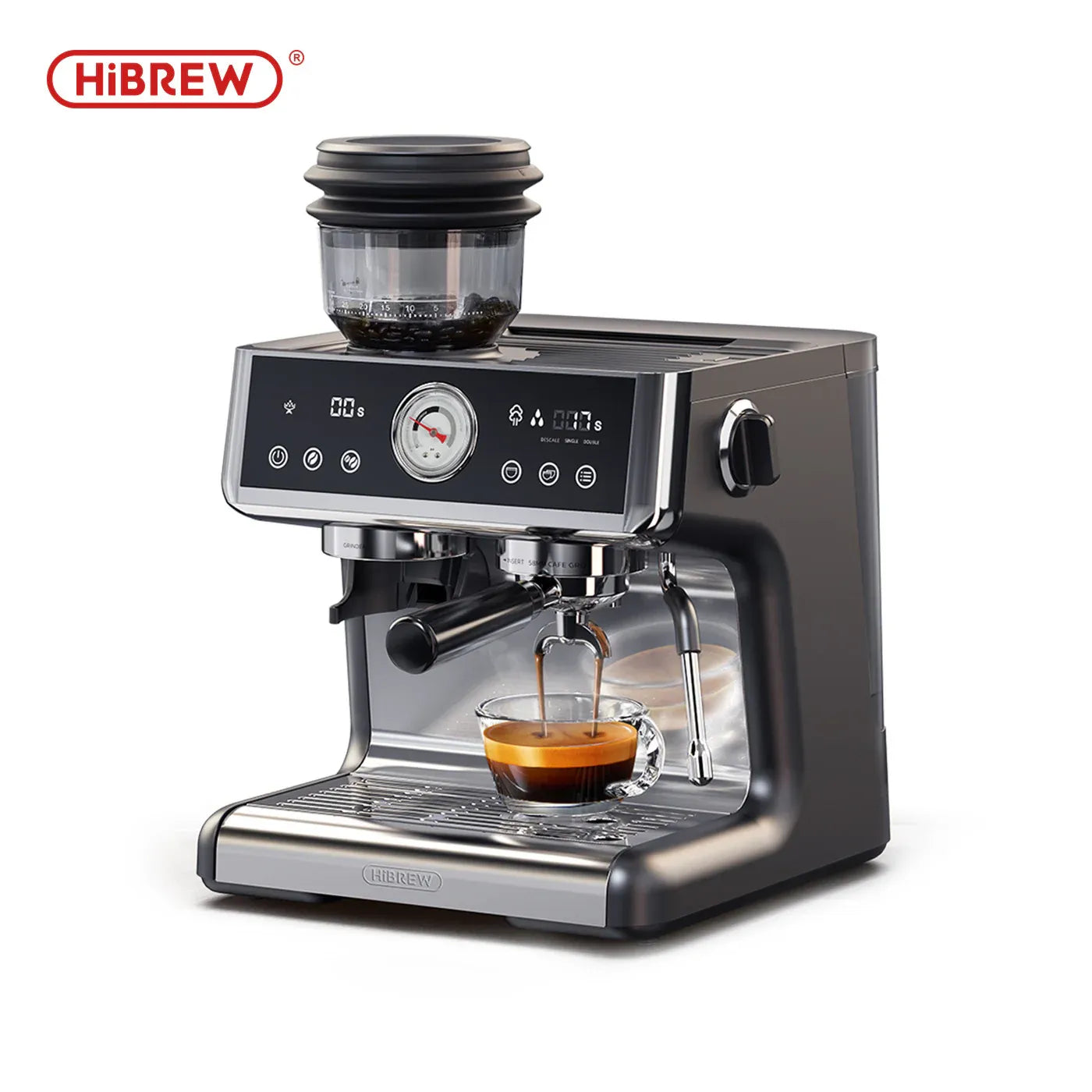
One of the most compelling reasons people gravitate towards manual espresso machines is the unparalleled level of control they offer over the entire brewing process. Unlike automatic machines that pre-program settings, manual options empower you to fine-tune every variable. This includes crucial elements like grind size, tamping pressure, water temperature, and extraction time.
Imagine having the ability to adjust your grind from a coarser setting to a superfine powder, or to vary the pressure applied to the coffee puck. These micro-adjustments directly impact the flow rate and flavor extraction, allowing for a truly personalized espresso shot. For many, this hands-on approach transforms coffee making from a routine task into a precise art form, where each decision contributes to the final cup. I remember my first manual machine; the sheer excitement of dialing in a new bean and witnessing the subtle changes with each tweak was truly addictive.
Unlocking Superior Flavor Profiles
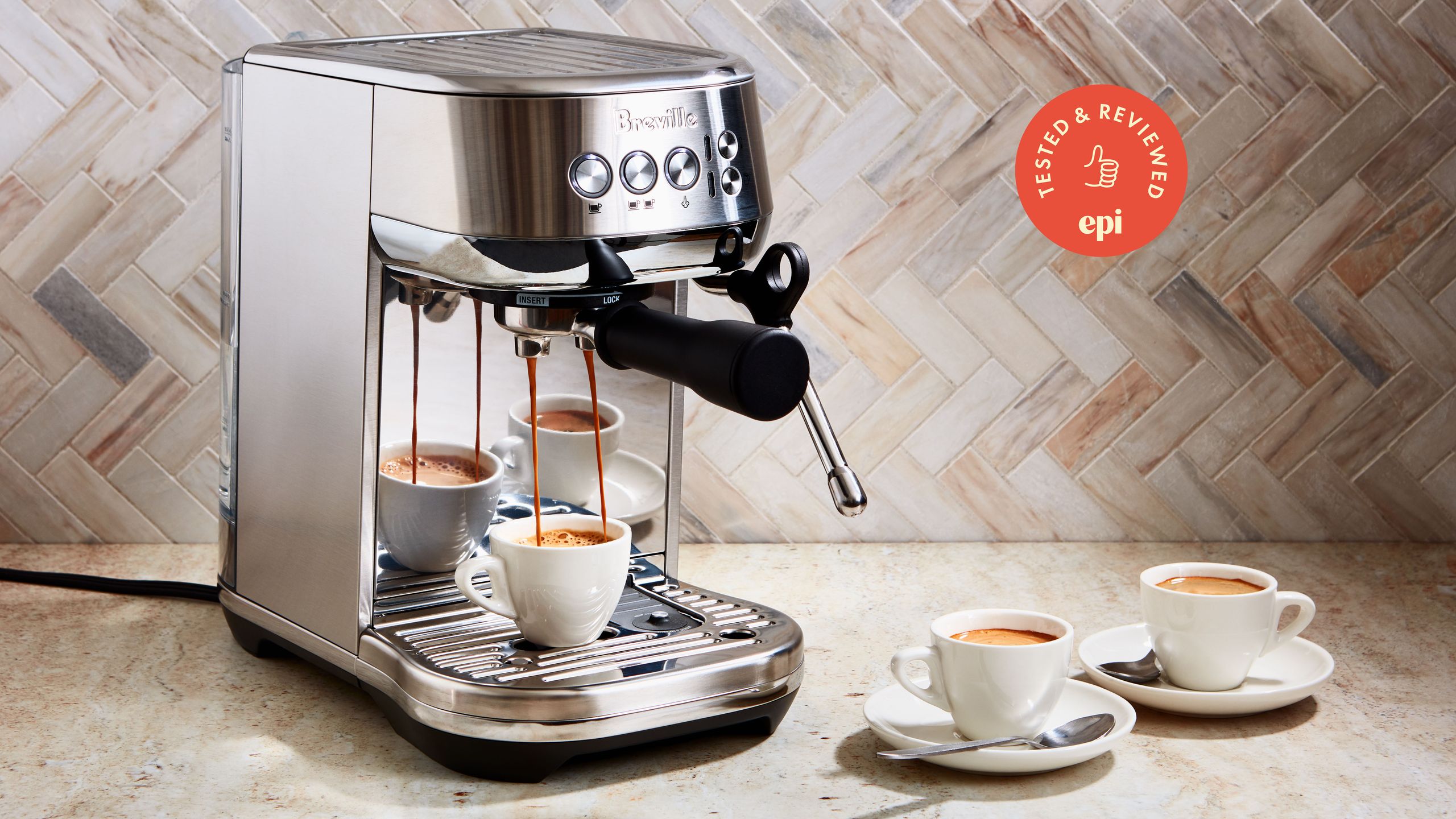
Beyond control, the pursuit of superior flavor is a huge draw for enthusiasts of manual espresso machines. These machines often yield a depth and complexity of taste that fully automatic or capsule systems struggle to match. The ability to precisely control variables means you can optimize the extraction for your specific coffee beans, highlighting their unique nuances.
Freshly ground, high-quality beans, combined with precise control over water temperature and pressure, lead to an espresso with exceptional crema, body, and aroma. You can taste the difference—a richer, more vibrant flavor that truly reflects the origin and roast of the beans. Capsule machines, while convenient, are limited by pre-ground coffee and fixed parameters, often resulting in a more uniform, less dynamic flavor profile. With a manual machine, the world of specialty coffee truly opens up, inviting you to explore endless taste possibilities.

The Rewarding Ritual: A Mindful Experience
For many, operating a manual espresso machine is more than just making coffee; it's a mindful, rewarding ritual. It encourages slowing down, focusing on the moment, and appreciating the process itself. From grinding the beans and feeling their texture, to leveling and tamping with just the right pressure, and finally watching the rich espresso cascade into your cup—each step is an engagement.
This deliberate approach offers a sense of accomplishment that a push-button machine simply cannot replicate. It’s a moment of calm and creativity at the start of the day, a small act of self-care. It transforms the mundane into something special, fostering a deeper connection not just with the coffee, but with the craft of preparing it. It’s like baking bread from scratch versus buying it from a store; the effort put in enhances the enjoyment of the final product.

Durability, Longevity, and Sustainability
When you invest in a quality manual espresso machine, you're often investing in a piece of equipment built to last. Many manual machines, especially the lever-style or semi-automatic models, are constructed with robust materials like stainless steel and brass components. They are designed for repairability and longevity, often outliving their more complex electronic counterparts.
This emphasis on durability also ties into sustainability. Manual machines typically produce less waste compared to capsule systems, which generate single-use plastic or aluminum pods. By choosing fresh, whole beans, you reduce your environmental footprint while enjoying better coffee. It’s a choice that reflects a conscious decision to value quality and sustainability over fleeting convenience, aligning with a more environmentally friendly lifestyle.

Cost-Effectiveness Over Time
While the initial investment in a high-quality manual espresso machine might seem higher than a basic capsule maker, it often proves to be more cost-effective in the long run. The ongoing cost of coffee beans, especially when purchased in bulk, is significantly lower than continually buying espresso capsules. Over months and years, these savings add up considerably.
Think of it like this: a quality manual setup is an investment that pays dividends in both superior coffee and reduced recurring expenses. The only real consumables are fresh coffee beans and water, giving you complete control over your budget without compromising on taste. My own experience showed that after about a year, the cost of beans for my manual machine was far less than what I used to spend on proprietary capsules.
Beyond the Bean: The Journey of Mastery
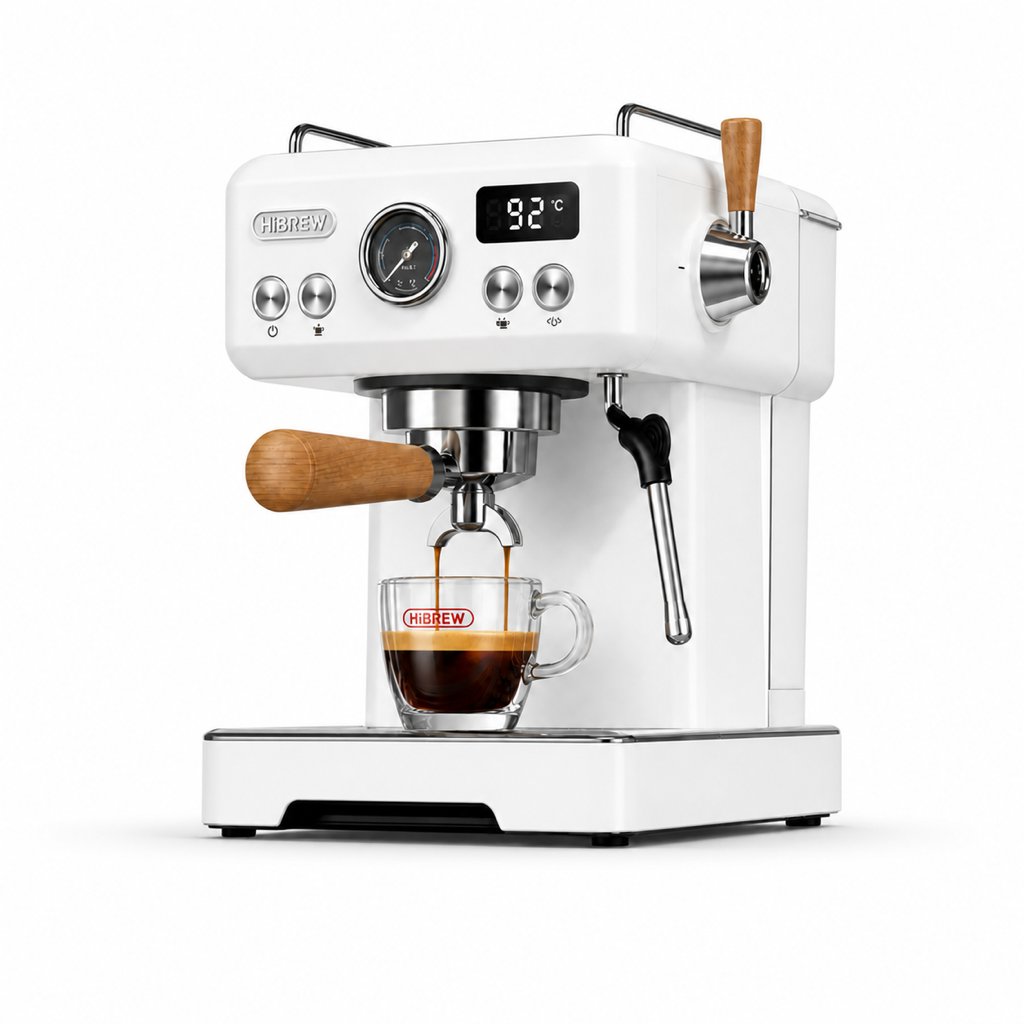
Embracing a manual espresso machine is also an invitation to a journey of continuous learning and mastery. There's a tangible learning curve involved, but for many, this is part of the appeal. It encourages experimentation, problem-solving, and a deeper understanding of coffee science. You learn about grind particle distribution, the impact of water temperature on extraction yield, and how to read an espresso shot by its flow rate and crema.
This journey transforms you from a casual coffee drinker into a budding home barista. You develop skills that allow you to replicate cafe-quality drinks and even experiment with different roasts and origins. It's a hobby that offers endless opportunities for improvement, connecting you with a passionate community of fellow espresso enthusiasts who share tips, tricks, and insights. This pursuit of perfection is incredibly gratifying.
Addressing Common Concerns: The Manual Espresso Machine Experience
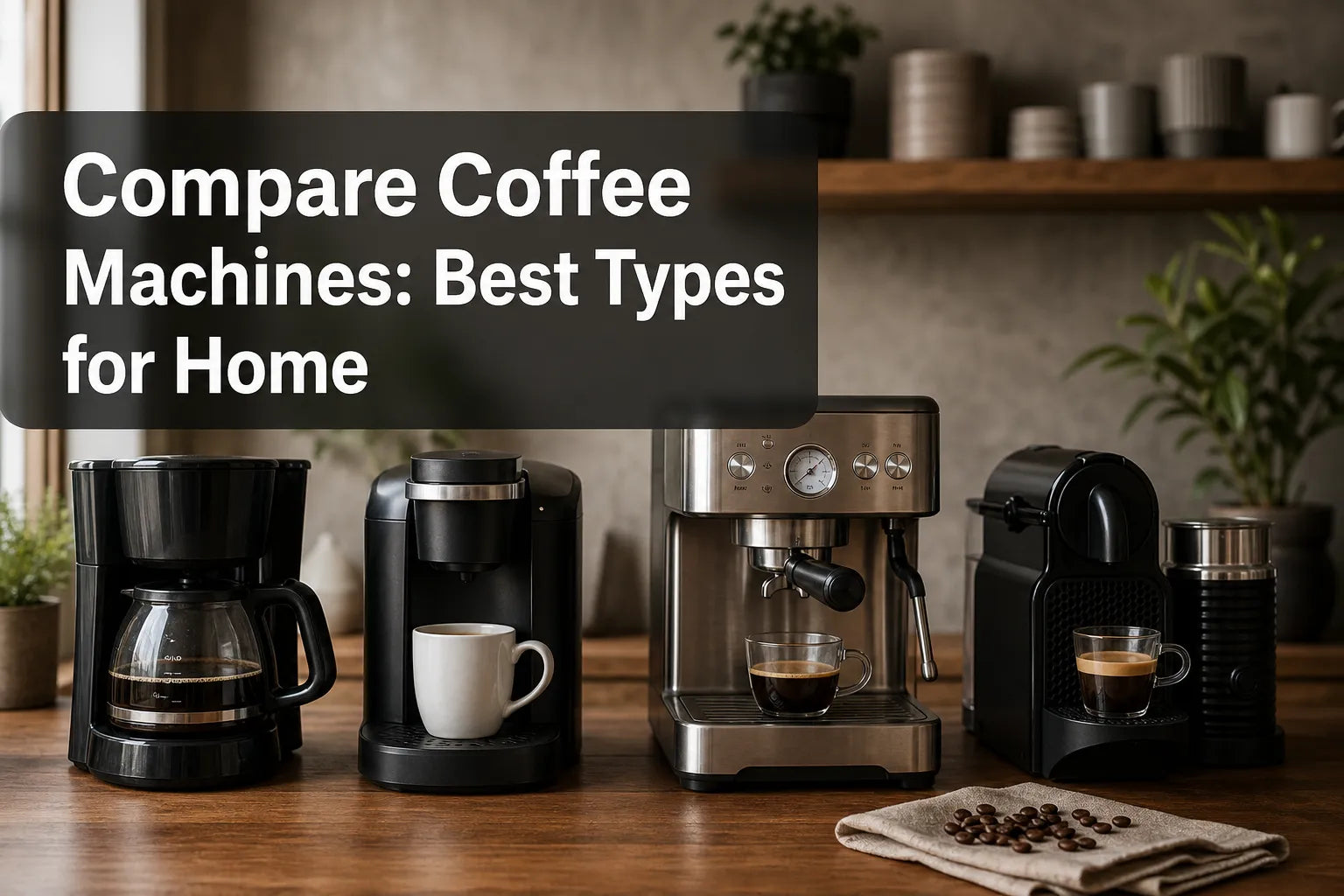
It's true that manual espresso machines require more time and effort compared to their automatic counterparts. They demand active participation, from grinding and tamping to monitoring the shot. Cleaning also involves more steps than simply tossing a used capsule. For those with extremely busy schedules, this might seem like a deterrent.
However, for advocates of manual brewing, these "concerns" are precisely what make the experience so rewarding. The extra few minutes spent are seen as an investment in quality and a moment of mindfulness. The cleaning process becomes an integral part of maintaining a high-performance machine. The commitment transforms coffee making into a cherished daily ritual rather than a chore, enriching the overall coffee experience and delivering superior results.

Frequently Asked Questions
Can you really make café-quality espresso at home with a manual machine?
Absolutely! With practice and attention to detail regarding grind, temperature, and pressure, manual espresso machines can produce espresso shots that rival or even surpass those from many professional cafés.
How much effort does a manual espresso machine require daily?
While it takes more effort than pressing a button, the daily routine typically involves grinding fresh beans, tamping them, pulling the shot, and a quick rinse—a rewarding process that usually takes about 5-10 minutes.
Are manual espresso machines more expensive than automatic ones?
The initial cost can vary widely, but while some high-end manual machines are expensive, many excellent models are comparable to or even less than mid-range automatics. Over time, the cost of beans for a manual machine is significantly lower than buying capsules.
What's the main difference in taste?
Manual machines allow for precise control over extraction, resulting in espresso with a more nuanced, complex, and richer flavor profile, often with a thicker, more stable crema compared to the more uniform taste from automatic or capsule machines.
How long do manual espresso machines typically last?
Many well-maintained manual espresso machines, especially those made with durable materials like stainless steel or brass, can last for decades, often outliving multiple automatic machines due to their robust construction and repairability.
Conclusion
The preference for manual espresso machines isn't simply about being old-fashioned; it's a conscious choice for superior taste, profound control, and a deeply rewarding daily ritual. It's for those who appreciate the craft, who enjoy the journey as much as the destination, and who seek to transform a simple beverage into an art form. This approach offers a tactile, sensory experience that fosters a genuine connection with your coffee. If you're ready to elevate your coffee experience from convenient to captivating, consider diving into the rewarding world of manual espresso machines. Share your own coffee journey or aspirations in the comments below!