Diffusion Sheets: Best Materials For DIY Coffee Bar Lighting
For DIY coffee bar lighting, the best diffusion sheets are acrylic, polycarbonate, and specialized LED films.
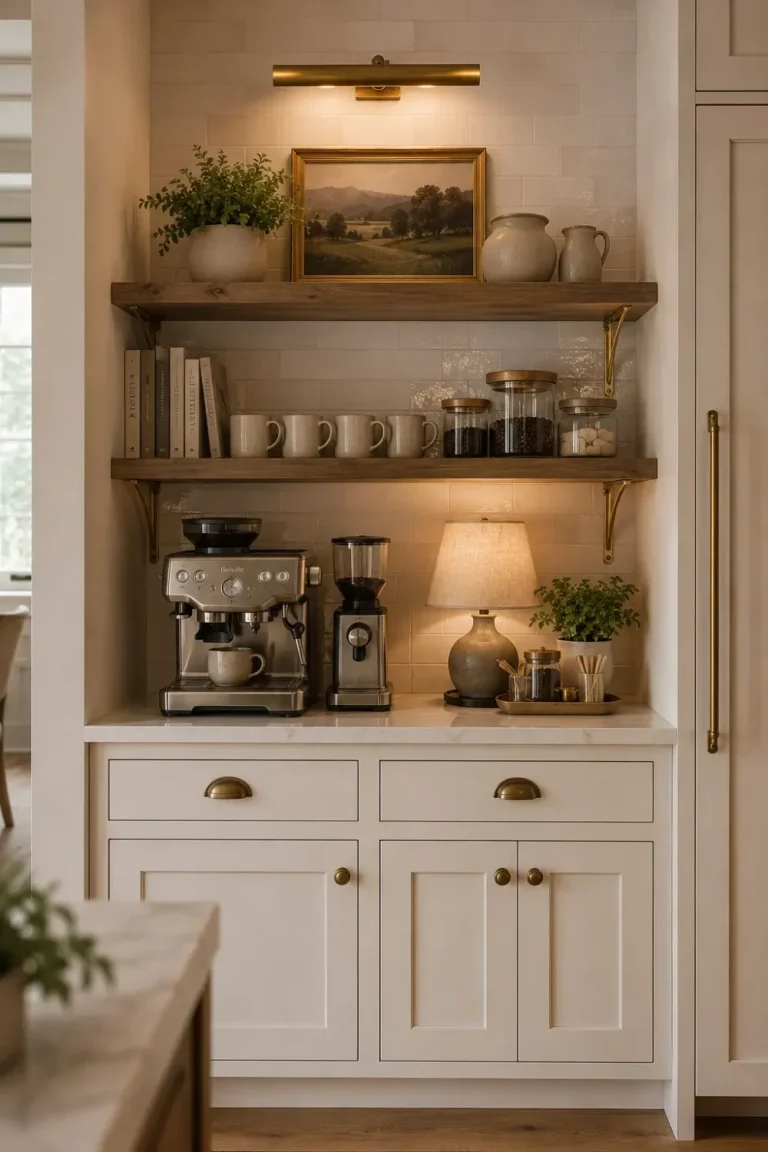
Crafting the perfect ambiance for your home coffee bar is more than just about the beans or the brew; it's also about the mood, and lighting plays a pivotal role in setting that tone. As someone who's spent countless hours experimenting with different setups to create that inviting glow, I've learned firsthand that choosing the right materials for diffusion sheets can transform harsh LED light into a warm, welcoming illumination. Whether you're aiming for a cozy nook or a vibrant display, understanding what materials work best for diffusion sheets in DIY coffee bar lighting is key to achieving that professional, custom look.
Why Diffusion Sheets are Essential for Your Coffee Bar Lighting
You know that feeling when you walk into a coffee shop, and the lighting just feels right? It’s not too bright, not too dim, and certainly not harsh. That's the magic of diffusion. When you're building a DIY coffee bar lighting setup, especially with modern LED strips or puck lights, you'll quickly notice that direct light can be quite intense. It creates strong shadows, glare, and can feel clinical rather than cozy.
This is where diffusion sheets come in. These materials scatter the light, spreading it out evenly and softening its intensity. Think of them as tiny light sculptors, transforming a concentrated beam into a gentle wash. For your coffee bar, this means eliminating those annoying hot spots, reducing glare off shiny surfaces like your espresso machine, and creating a uniformly illuminated space that invites relaxation and conversation. Without proper diffusion sheets, your DIY coffee bar lighting might end up feeling more like an operating room than a cozy retreat.

Top Materials for Diffusion Sheets in DIY Coffee Bar Lighting
When it comes to selecting materials for diffusion sheets, you have a few excellent options, each with its own benefits. I've personally worked with all these in various DIY lighting projects, including a few coffee bar setups, and can attest to their effectiveness.
Acrylic (Plexiglass)
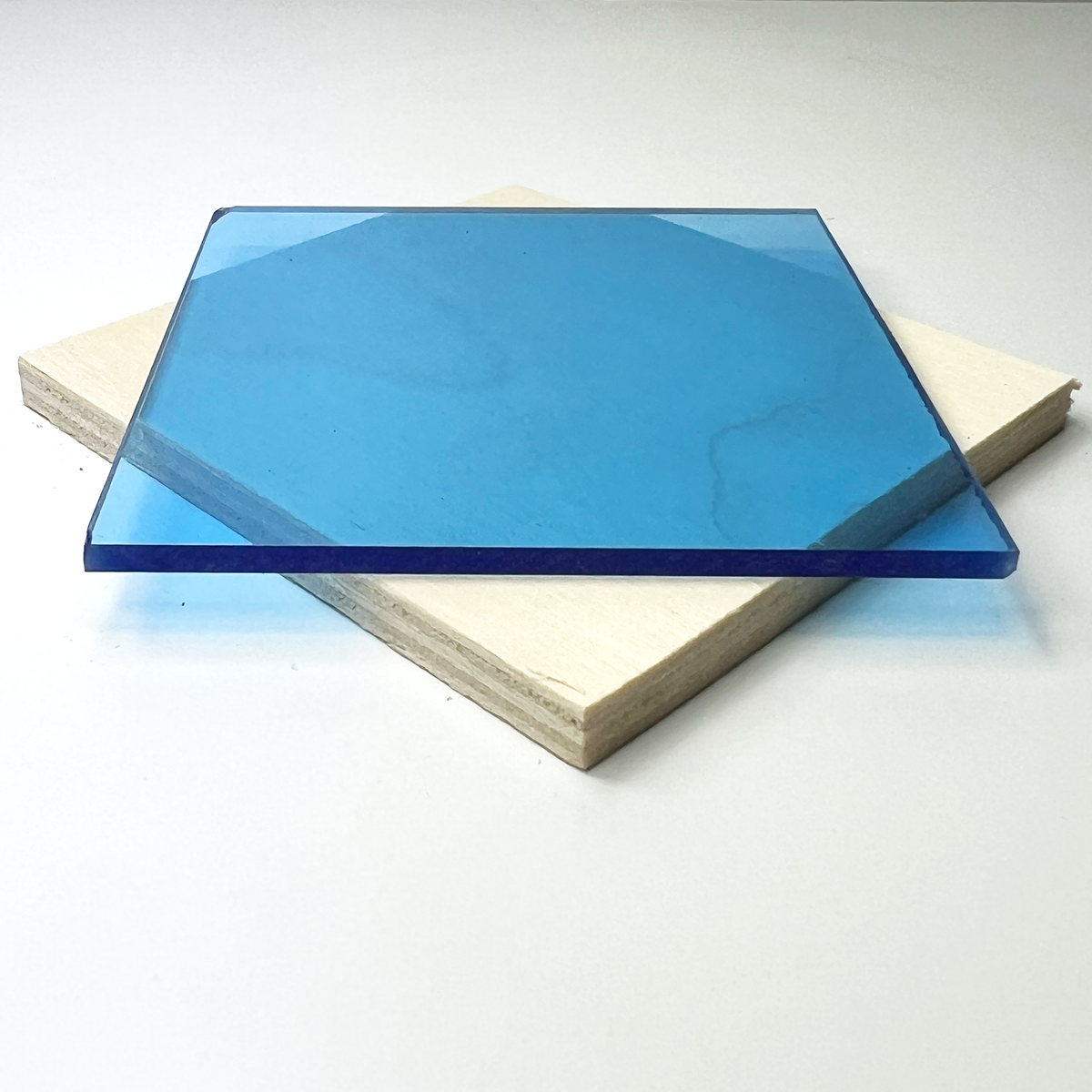
Acrylic, often known by brand names like Plexiglass, is a fantastic choice for diffusion sheets. It's a rigid plastic that's highly versatile and readily available. When choosing acrylic for DIY coffee bar lighting, you'll want to look for "frosted," "opal," or "white diffusing" grades.
The main benefits of acrylic are its excellent light transmission properties, which allow a significant amount of light through while effectively scattering it. It's also relatively easy to cut and shape with the right tools, making it DIY-friendly. I've used 1/8-inch thick opal acrylic for under-cabinet lighting in a coffee bar, and the results were beautiful, providing a soft, consistent glow that really made the counter pop. However, it can scratch more easily than polycarbonate, so handle it with care during installation.
Polycarbonate
Polycarbonate is another excellent material for diffusion sheets, often considered a step up in durability from acrylic. It's incredibly impact-resistant, making it almost unbreakable under normal circumstances – a great peace of mind if your coffee bar sees a lot of action or has kids around. Like acrylic, it comes in various grades designed for light diffusion.
While polycarbonate might be slightly more expensive and a bit harder to cut than acrylic, its superior strength and heat resistance can be a big plus for certain DIY coffee bar lighting applications, especially if your lights run a bit warmer or are in an exposed area. I once built a custom overhead light fixture for a coffee bar using polycarbonate diffusion sheets, and it withstood accidental bumps and steam from the espresso machine without a problem.
Specialized LED Diffusion Films
For a more flexible and often thinner solution, specialized LED diffusion films are a brilliant option. These films are engineered specifically to work with LED light sources, providing optimal light scattering and color uniformity. They can be applied directly to a clear surface or used as a standalone flexible sheet.
These films are fantastic for situations where space is tight or you need a very thin diffusion layer. They are usually peel-and-stick or can be adhered with a spray adhesive. Their precision engineering means you often get excellent light quality without significant light loss. I've found these films to be particularly useful for small, intricate DIY coffee bar lighting designs where rigid sheets just wouldn't fit.
Other DIY Alternatives (Use with Caution!)
While the above are the gold standards, some DIYers consider other materials. Wax paper, parchment paper, or even thin fabric might seem like quick fixes for diffusion sheets, but I'd advise caution. They can be fire hazards, especially with hotter light sources (though less so with modern LEDs). More importantly, they often provide inconsistent diffusion, can yellow over time, and lack the professional finish you're likely aiming for in your DIY coffee bar lighting project. In my experience, it's best to invest a little more in proper diffusion materials for safety and aesthetics.

Factors to Consider When Choosing Your Diffusion Material
Choosing the right diffusion sheets isn't a one-size-fits-all decision. Several factors will influence which material works best for your specific DIY coffee bar lighting needs. Thinking through these will help you make an informed choice that you'll be happy with for years to come.
Light Transmission and Diffusion
This is probably the most crucial factor. You want a material that effectively scatters light to eliminate glare and harsh shadows, but without blocking too much light. Different grades of acrylic, polycarbonate, and diffusion films offer varying levels of "haze" or "opalness," which directly impacts how much light passes through and how widely it's diffused. For a brightly lit coffee bar, you might choose a less opaque diffusion sheet, while for a soft accent light, a more opaque one might be better.
Durability and Heat Resistance
Consider where your DIY coffee bar lighting will be installed. Will it be exposed to steam, accidental bumps, or direct sunlight? Polycarbonate excels in durability and heat resistance, making it a robust choice. Acrylic is also quite durable but can be more prone to scratching. Modern LED lights produce very little heat, but it’s still wise to choose materials that can withstand minor temperature fluctuations without deforming or discoloring over time.
Ease of Fabrication
How comfortable are you with cutting and shaping materials? Acrylic is generally easier to score and snap or cut with a fine-tooth saw. Polycarbonate is tougher and might require more robust tools, like a jigsaw or circular saw with a plastic-cutting blade, to get clean edges. Diffusion films are the easiest to work with, often just requiring scissors or a utility knife. Factor in your tool access and skill level when making your choice.
Cost
Naturally, your budget will play a role. Specialized LED diffusion films can sometimes be pricier per square foot, but their performance is often superior. Acrylic is usually the most budget-friendly rigid option, while polycarbonate sits in the middle or higher end due to its strength. Always weigh the cost against the desired longevity and aesthetic outcome for your DIY coffee bar lighting.
Aesthetics
Finally, think about the finished look. Do you want a crisp, modern appearance, or something softer and more integrated? The specific finish of the diffusion sheet – whether it’s a smooth frost, a textured surface, or a very clear opal – will impact the overall aesthetic of your DIY coffee bar lighting. I personally prefer a smooth, matte finish for a sophisticated look that seamlessly blends with the coffee bar decor.

Tips for Installing Diffusion Sheets
Proper installation of your diffusion sheets is just as important as choosing the right material. A poorly installed sheet can sag, look uneven, or even compromise the effectiveness of your DIY coffee bar lighting. Here are a few practical tips I’ve picked up over the years.
First, measure twice, cut once! This old adage is especially true when working with rigid diffusion sheets like acrylic or polycarbonate. Precise measurements ensure a snug fit and a professional finish. Use a fine-tooth blade for plastics when cutting rigid sheets to prevent chipping or melting.
For mounting, consider using small L-brackets, aluminum channels, or even specialized clips designed for holding panels. These provide secure support and often hide the edges of the diffusion sheets, giving your DIY coffee bar lighting a cleaner look. I often route a shallow groove into the wood frame of my light fixtures to neatly slide in the diffusion sheets.
When working with flexible diffusion films, ensure the surface you’re applying it to is spotlessly clean and dry. Any dust or debris will show through once the light is on. A spray bottle with a tiny bit of soap and water can help position the film before squeegeeing out air bubbles for a flawless application. Take your time; rushing this step can lead to frustrating re-dos.
My Personal Experience and Recommendations
Over the years, I've had my share of lighting triumphs and a few "learning opportunities" building various DIY lighting setups, including several custom coffee bar lights. Early on, I experimented with plain clear acrylic and found that while it protected the LEDs, it did nothing for diffusion, resulting in harsh, spotty light – definitely not the cozy vibe I was going for. That's when I truly appreciated the power of a good diffusion sheet.
I vividly remember one project where I tried to use a heavily textured shower door panel as a diffusion sheet to save a few bucks. While it diffused the light, the texture created distracting patterns on the counter, and the light felt uneven. Lesson learned: specialized diffusion materials are engineered for a reason! They provide a smooth, consistent spread of light that generic materials just can't match for DIY coffee bar lighting.
For most DIY coffee bar lighting projects, especially under-cabinet or shelf lighting, I tend to lean towards opal acrylic. It offers a fantastic balance of diffusion, light transmission, ease of workability, and cost-effectiveness. The 1/8-inch thickness is usually sufficient to prevent sagging and provides a sturdy feel. If the area is prone to impacts or high heat, I'll definitely spring for polycarbonate for that extra peace of mind. For ultra-slim fixtures or specific design challenges, LED diffusion films are invaluable. My main takeaway is always to prioritize light quality and safety; it's worth the small investment to get those amazing diffusion sheets.
Maintenance and Care for Your Diffusion Sheets
Once you've installed your perfect diffusion sheets and your DIY coffee bar lighting is shining beautifully, you'll want to keep it looking great. Proper maintenance ensures longevity and maintains the quality of your diffused light.
For cleaning, always use a soft, lint-free cloth and a mild cleaning solution. A mixture of gentle dish soap and water works wonderfully. Avoid abrasive cleaners, ammonia-based products (like many window cleaners), or harsh chemicals, as these can scratch, cloud, or even damage the surface of your acrylic or polycarbonate diffusion sheets. For films, a simple damp cloth is usually sufficient.
Dust can accumulate on the surface of your diffusion sheets, reducing light output and sometimes casting subtle shadows. A light dusting with a microfiber cloth regularly will keep them clear. If you notice any stubborn smudges or coffee splatters, address them promptly to prevent them from drying and becoming harder to remove. Gentle care for your diffusion sheets ensures your DIY coffee bar lighting continues to impress.

Frequently Asked Questions of What materials work best for diffusion sheets in DIY coffee bar lighting?
What is the primary purpose of diffusion sheets in lighting?
Diffusion sheets scatter and soften direct light, eliminating harsh glare, reducing shadows, and creating a more uniform and pleasant illumination for spaces like a coffee bar. They transform intense light into a gentle glow.
Can I use plain clear acrylic for light diffusion?
No, plain clear acrylic will only protect your light source but won't diffuse the light effectively. You need specialized "frosted," "opal," or "white diffusing" grades of acrylic to achieve proper light scattering for your DIY coffee bar lighting.
How thick should a diffusion sheet be for my coffee bar lighting?
For most DIY coffee bar lighting applications, a thickness of 1/16-inch to 1/8-inch (2-3mm) for rigid acrylic or polycarbonate is usually ideal. This provides good diffusion without being too bulky or prone to sagging.
Are LED diffusion films better than rigid sheets?
"Better" depends on your project. LED diffusion films are excellent for thin, flexible applications or when applied directly to a clear surface, offering precise diffusion. Rigid sheets like acrylic or polycarbonate provide structural integrity and are easier to cut and mount for custom fixtures.
How do I prevent my diffusion sheets from yellowing over time?
To prevent yellowing, especially in direct sunlight or with older, hotter light sources, choose high-quality UV-stabilized acrylic or polycarbonate. Modern LED lights produce very little UV, so most good quality diffusion sheets should resist yellowing well.
Conclusion
Choosing the right diffusion sheets is a game-changer for your DIY coffee bar lighting project, transforming harsh illumination into a warm, inviting glow. Whether you opt for the versatile and budget-friendly acrylic, the incredibly durable polycarbonate, or the precise specialized LED diffusion films, each material brings unique advantages to the table. By considering factors like light transmission, durability, and ease of fabrication, you can select the perfect material to achieve that professional, custom look you're after.
Don't settle for stark, unflattering light in your cherished coffee space. Dive into the world of diffusion and elevate your coffee bar experience. Share your project in the comments below, or check out our other guides for more DIY lighting inspiration!