Do Coffee Grounds Make Soil More Acidic: pH Impact For Gardeners
While fresh coffee grounds are acidic, spent coffee grounds generally have a neutral pH and won't significantly acidify your soil.
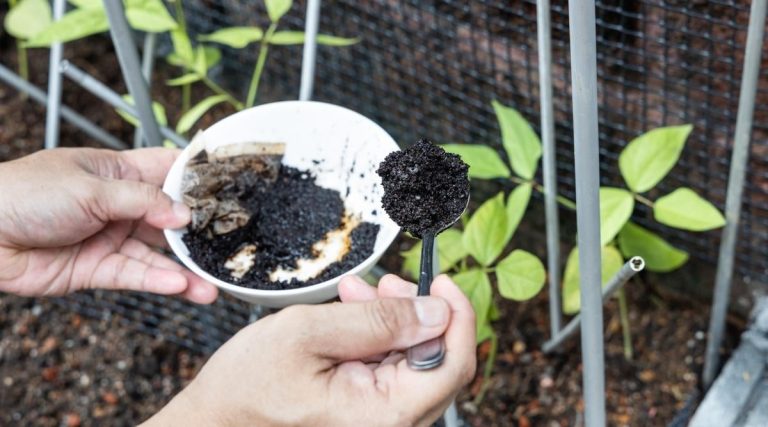
For years, gardeners have debated whether adding coffee grounds to their plants is a secret weapon or a potential pitfall, particularly regarding soil acidity. The truth, as often happens in the nuanced world of gardening, is more complex and far more interesting than a simple yes or no. As someone who's spent countless hours digging in the dirt, experimenting with various soil amendments, and watching plants thrive (or sometimes struggle!), I can tell you that understanding the actual impact of coffee grounds on soil pH is crucial for any gardener looking to boost their garden's health. Let's dig into the science and separate fact from common gardening myths about how coffee grounds make soil more acidic.

Understanding Soil pH: The Foundation of Plant Health
Before we dive deeper into coffee grounds, it's essential to grasp what soil pH really means. Soil pH is a measure of how acidic or alkaline your soil is, expressed on a scale from 0 to 14. A pH of 7 is neutral, anything below 7 is acidic, and anything above 7 is alkaline (or basic). This measurement is incredibly important because it dictates the availability of nutrients to your plants. Most plants prefer a slightly acidic to neutral range, typically between 6.0 and 7.0, because this is where essential nutrients like nitrogen, phosphorus, and potassium are most accessible. When the pH is too high or too low, even if these nutrients are present, plants can't absorb them effectively, leading to stunted growth or nutrient deficiencies.

The pH of Coffee Grounds: Fresh vs. Spent
This is where the big misconception often lies. There's a significant difference between the pH of fresh, unbrewed coffee grounds and the spent coffee grounds you typically add to your garden. Fresh coffee grounds are indeed acidic, usually having a pH between 5.0 and 6.0, which is moderately acidic. This is why a fresh brew tastes bright and sometimes tangy!
However, once you brew coffee, the majority of the acid is extracted into your cup. The resulting spent coffee grounds are surprisingly close to neutral, often ranging from 6.5 to 6.8 pH, sometimes even up to 7.0. This makes them much less likely to dramatically alter your soil's pH than many people assume. In my own experience, I've added spent coffee grounds to my vegetable beds for years without noticing any significant drop in pH when I've tested the soil. The myth that coffee grounds make soil more acidic often stems from confusing the fresh product with the brewed byproduct.

Do Coffee Grounds Make Soil More Acidic Long-Term?
The long-term effect of spent coffee grounds on soil pH is generally minimal. While they might have a slight, temporary acidifying effect immediately after application, their true power lies in their ability to act as a mild, slow-release fertilizer and organic matter. As the coffee grounds decompose, they release nitrogen and other nutrients, and the decomposition process itself is what truly impacts soil pH over time, often buffering it towards neutrality rather than a strong acidic shift. Therefore, for most home gardeners, the concern that coffee grounds make soil more acidic in a detrimental way is largely unfounded.

Beyond Acidity: The True Benefits of Coffee Grounds in Your Garden
If the primary effect isn't making soil more acidic, then what are the benefits? Oh, there are many! Spent coffee grounds are a goldmine for your garden, offering a plethora of advantages that go far beyond just tweaking the pH.
- Nutrient Boost: Coffee grounds are rich in nitrogen, a vital nutrient for leafy green growth. They also contain smaller amounts of phosphorus, potassium, calcium, and magnesium. These nutrients become available to plants as the grounds break down, providing a gentle, sustained feeding.
- Improved Soil Structure: Like other organic matter, coffee grounds help improve soil structure. They can lighten heavy clay soils, making them more friable and improving drainage, while also helping sandy soils retain moisture and nutrients. This makes the soil a much more hospitable environment for roots.
- Enhanced Microbial Activity: Coffee grounds feed beneficial microorganisms, earthworms, and other soil critters. These organisms are crucial for breaking down organic matter, cycling nutrients, and creating healthy, living soil. I've often seen an increase in earthworm activity in beds where I regularly incorporate coffee grounds.
- Pest Deterrent (Sometimes): Some gardeners report that coffee grounds can help deter certain pests like slugs and snails due to their abrasive texture and caffeine content. While not a guaranteed solution, it's an anecdotal benefit many have observed.
- Odor Control: In compost piles, coffee grounds can help neutralize odors while adding a valuable "green" component.
How to Safely and Effectively Use Coffee Grounds in Your Garden
Knowing that coffee grounds won't significantly make soil more acidic gives us confidence to use them widely. Here are some of my favorite ways to incorporate them:
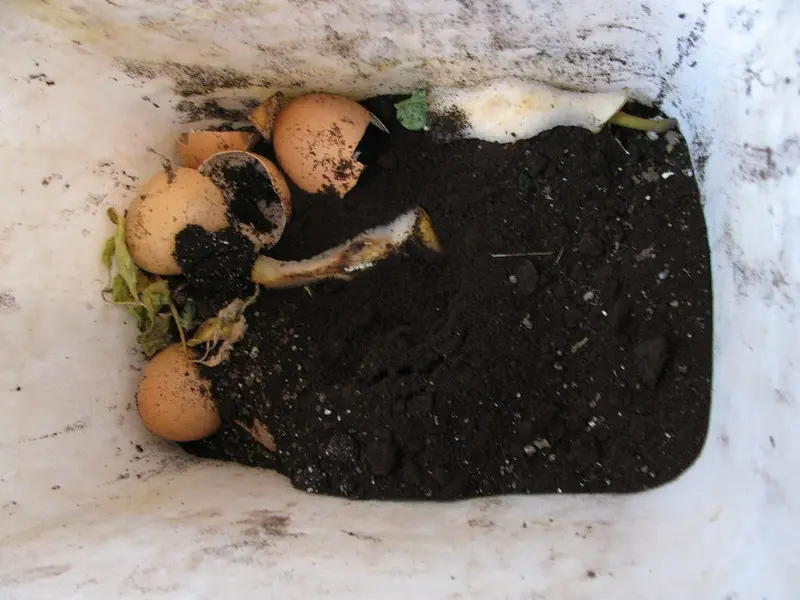
- Compost Pile: This is perhaps the best way to use coffee grounds. Add them to your compost bin as a "green" material (nitrogen-rich). They'll break down beautifully and contribute to nutrient-rich compost that will benefit your entire garden.
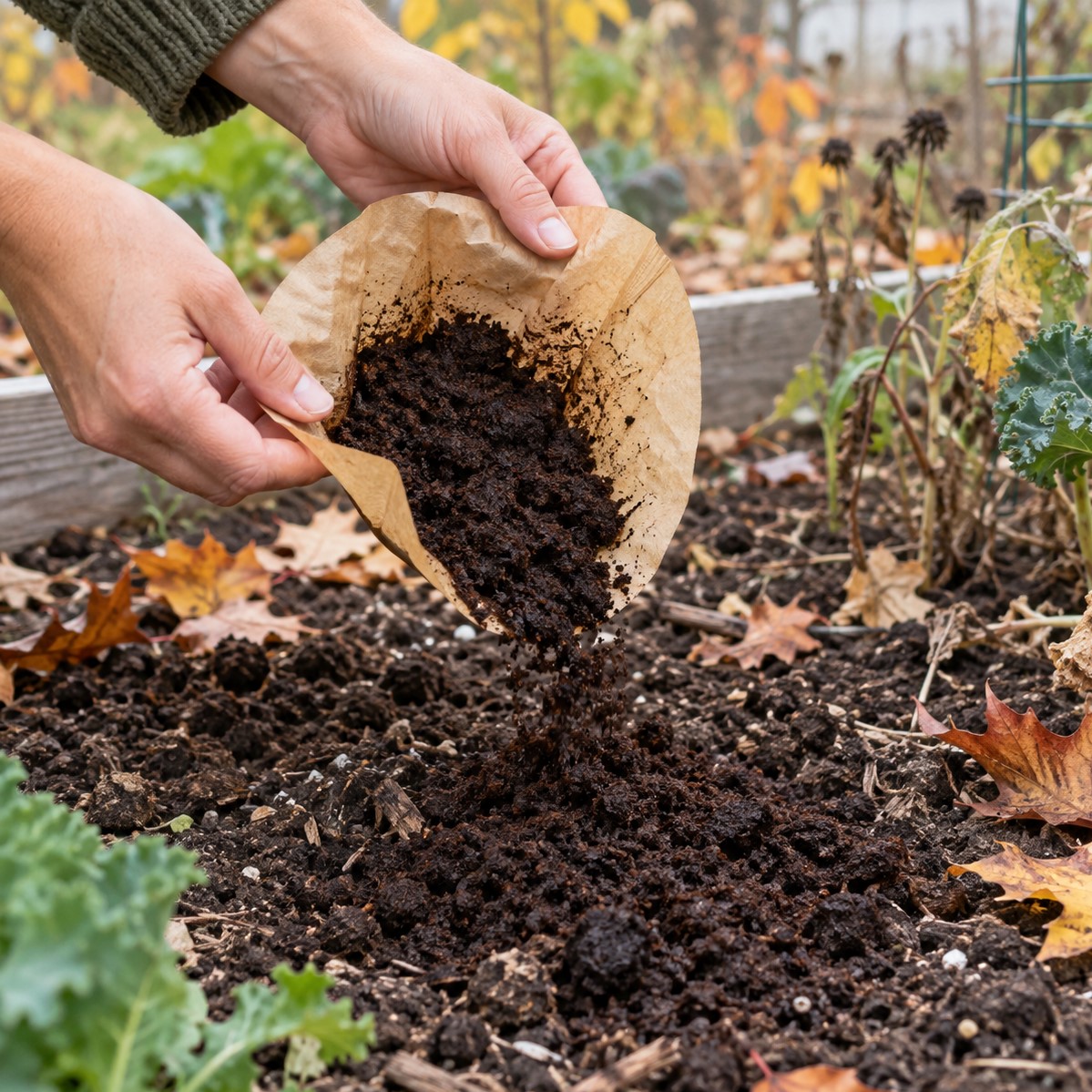
- Direct Soil Amendment: You can mix spent coffee grounds directly into your garden beds. Just be sure to incorporate them into the top few inches of soil rather than leaving thick layers on the surface, which can sometimes compact and inhibit water penetration. A good rule of thumb is to mix them in so they make up no more than 15-20% of your soil volume.
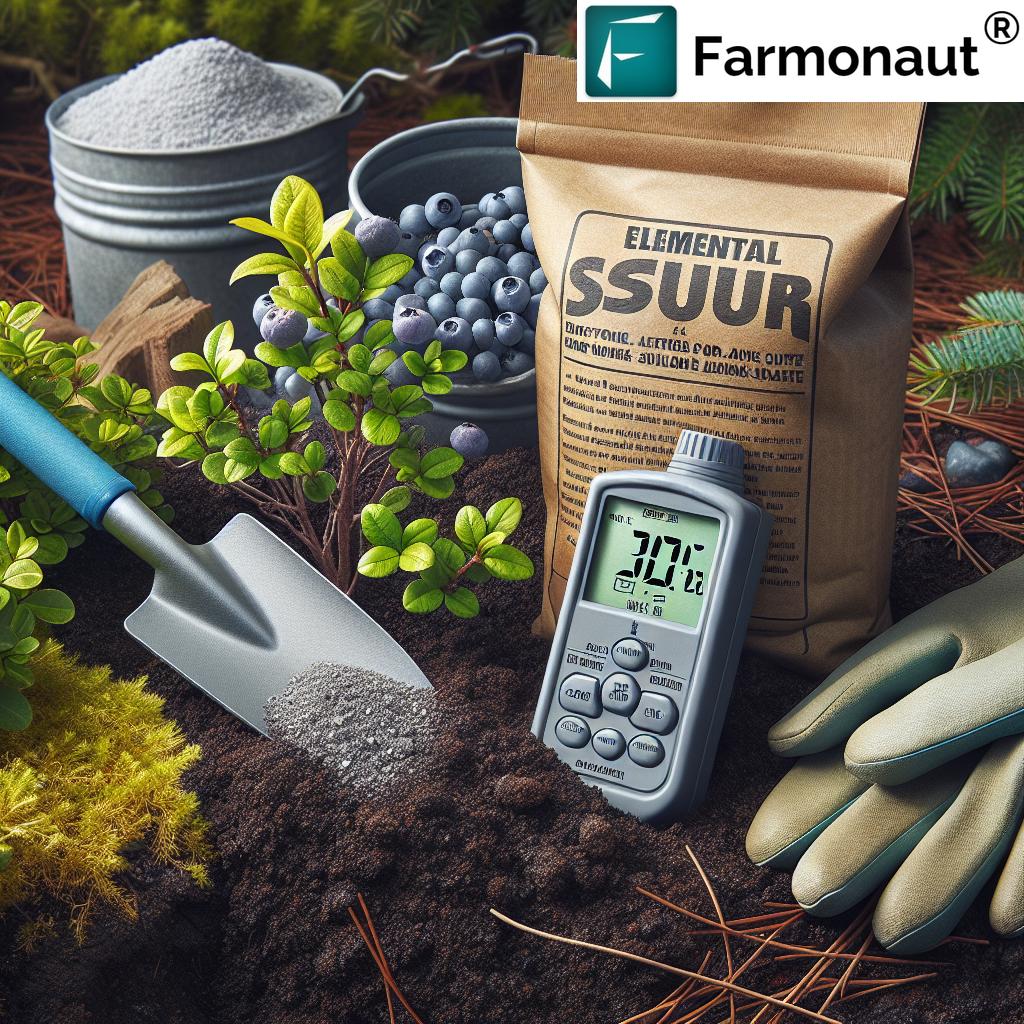
- Mulch (Thin Layer): A very thin layer of coffee grounds can be used as a top dressing around acid-loving plants like blueberries, azaleas, or rhododendrons. While they won't make soil more acidic dramatically, they can provide a slight, beneficial acidic boost for these specific plants, along with all the other organic matter benefits. Just avoid thick layers.
- Liquid Feed: For a quick nutrient boost, you can steep spent coffee grounds in water for a few hours (or overnight) and then use the "coffee tea" to water your plants. This provides a mild, nitrogen-rich liquid fertilizer.

Are there any plants that don't like coffee grounds?
While most plants benefit from the added organic matter and nutrients, some highly sensitive plants or those that prefer very alkaline conditions might not thrive with excessive amounts. However, since coffee grounds don't drastically make soil more acidic, it's more about the overall organic matter balance than pH. Generally, plants that prefer neutral to slightly acidic soil will love them.
Can I use too many coffee grounds?
Yes, absolutely. While coffee grounds make soil better in moderation, overdoing it can lead to issues. A thick, undiluted layer of fresh or spent coffee grounds on the soil surface can compact, hinder water penetration, and potentially encourage fungal growth due to excess moisture. Always mix them into the soil or compost them first. I've personally seen gardeners layer pounds of grounds directly on top of their beds only to find water pooling and little air circulation. Moderation is key.
Addressing Misconceptions: Why the Myth Persists
The idea that coffee grounds make soil more acidic is one of those gardening myths that just keeps circulating. It likely stems from a few sources:
- The Acidity of Brewed Coffee: We know coffee itself is acidic, so it's a logical leap to assume the grounds are too.
- Specific Plant Preferences: Certain plants, like blueberries, thrive in acidic soil and are often recommended for coffee ground application. This connection might lead people to believe the grounds are the primary acidifier, rather than just a beneficial organic amendment.
- Confusion with Fresh Grounds: As discussed, fresh grounds are acidic, but most gardeners use spent grounds.
My goal in sharing these insights is to empower you with accurate information so you can make the best choices for your garden. Don't let the fear that coffee grounds make soil more acidic deter you from using this fantastic, free resource.
Frequently Asked Questions About Coffee Grounds and Soil Acidity
Do coffee grounds acidify soil for all plants?
No, spent coffee grounds have a near-neutral pH and typically won't significantly acidify soil for most plants. Their primary benefit is adding organic matter and nutrients, not drastically altering pH.
What is the ideal pH for plants that benefit from coffee grounds?
Most plants, including those that benefit from the nutrients in coffee grounds, prefer a slightly acidic to neutral pH range, typically between 6.0 and 7.0, where nutrients are most available.
Can I use fresh coffee grounds directly in my garden?
While fresh coffee grounds are acidic, it's generally best to compost them or mix them thoroughly into the soil in small quantities. Heavy applications of fresh grounds can be too strong and potentially inhibit plant growth.
How often can I add coffee grounds to my garden?
You can add spent coffee grounds regularly to your compost pile. If applying directly to garden beds, do so every few weeks in thin layers or mixed into the soil, ensuring they don't form a thick, impenetrable crust.
Will coffee grounds make soil more acidic enough for acid-loving plants?
While coffee grounds won't drastically make soil more acidic on their own, they can offer a mild, beneficial acidic boost and provide nutrients for acid-loving plants like blueberries when used as part of a balanced soil amendment strategy.
Conclusion
The notion that coffee grounds make soil more acidic to a significant, detrimental degree is largely a misconception when it comes to spent grounds. Instead of being a potent acidifier, spent coffee grounds are a wonderful, readily available resource that enriches your soil, boosts microbial life, and provides essential nutrients to your plants. By understanding the true pH of spent grounds and their multifaceted benefits, you can confidently integrate them into your gardening practices, turning a waste product into a valuable asset. So, next time you finish your morning brew, don't toss those grounds – give them to your garden! Your plants will thank you with healthier growth and more vibrant blooms. Feel free to share your own experiences with coffee grounds in the comments below or explore more of our gardening tips for a thriving green space.