Do Coffee Grounds Help Plants Grow Faster? The Truth
Yes, coffee grounds can help plants grow faster by enriching soil with nutrients and improving drainage.
You've probably heard the buzz around using coffee grounds in your garden, a popular hack among home gardeners and plant enthusiasts. But does this kitchen byproduct truly live up to the hype, or is it just another garden myth? As someone who’s spent years experimenting with various organic amendments, I can tell you that understanding the science behind coffee grounds and plants is key to unlocking their potential. We'll dive deep into how coffee grounds actually help plants thrive, separating fact from fiction and offering practical advice you can use in your own green space.
The Science Behind Coffee Grounds and Plant Growth
The journey of understanding how coffee grounds actually help plants grow starts at a molecular level, examining their composition and how they interact with soil. Many gardeners laud coffee grounds as a fantastic soil amendment, but it’s crucial to grasp the "why" behind their touted benefits. Let's explore what makes them so special for your garden.
What Are Coffee Grounds Made Of?
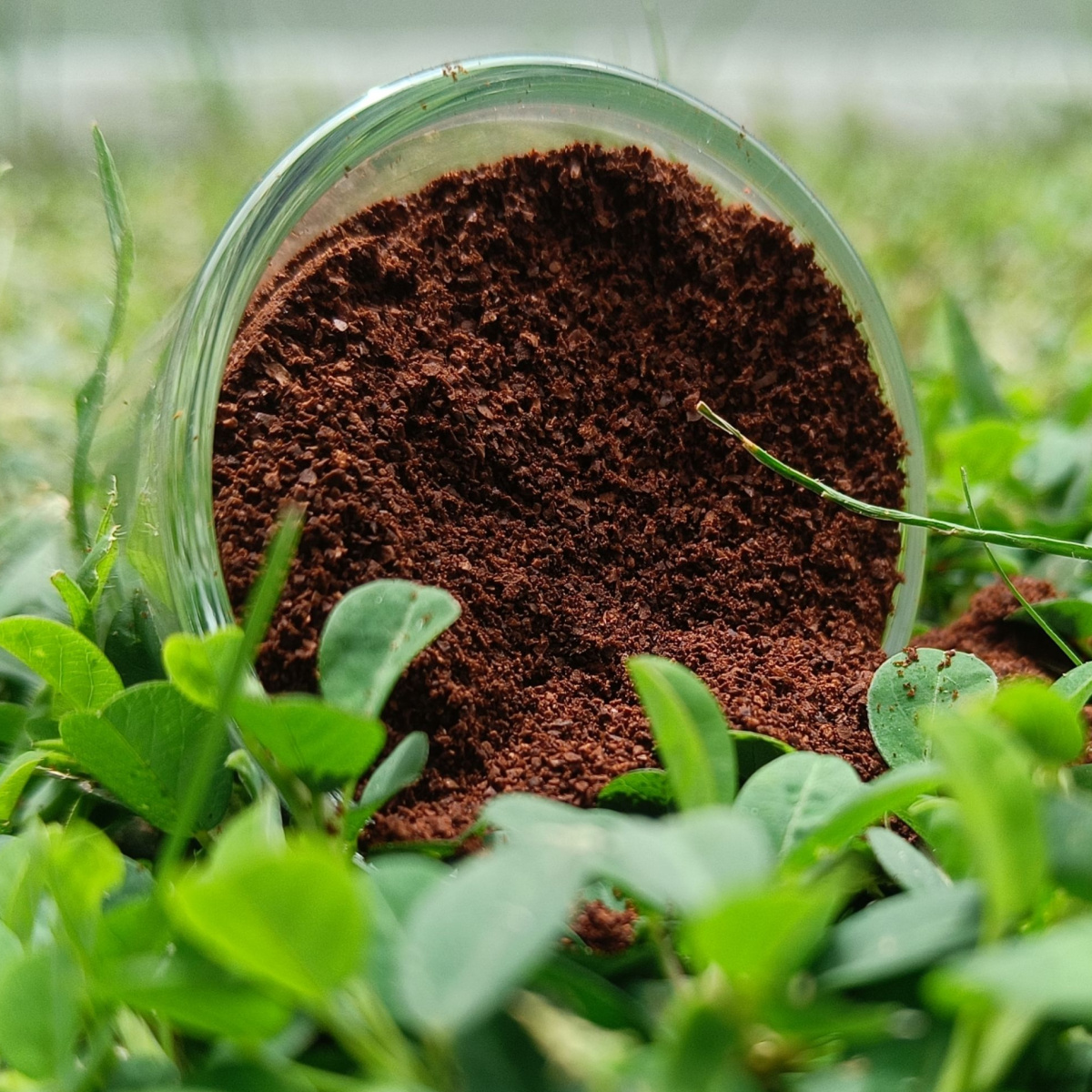
Spent coffee grounds are surprisingly rich in organic matter. After brewing, most of the caffeine and acid are leached out, leaving behind a material primarily composed of carbon, nitrogen, phosphorus, and potassium. These are all vital nutrients that plants crave for healthy development and robust growth. The grounds also contain trace amounts of magnesium, calcium, and copper, further adding to their nutritional profile.
How Coffee Grounds Benefit Soil
Beyond just nutrients, coffee grounds fundamentally improve soil health. They act as a slow-release fertilizer, gradually breaking down and feeding the soil microbiome. This organic input also enhances soil structure, promoting better aeration and water retention, which are critical for root development. The presence of coffee grounds can also help balance the soil’s pH slightly, though their effect is often milder than many assume.
Key Nutrients Coffee Grounds Bring to Your Garden
When we talk about whether coffee grounds actually help plants grow faster, their nutritional contribution is a major factor. Think of them as a gentle, natural supplement for your garden's diet. These grounds are packed with essential elements that fuel various stages of plant development.
Nitrogen Boost
One of the most significant benefits of using coffee grounds is their nitrogen content. Nitrogen is a cornerstone nutrient, essential for lush, green foliage and vigorous stem growth. As the coffee grounds decompose, they release this nitrogen slowly into the soil, providing a sustained food source for your plants. This steady supply can prevent the sudden growth spurts followed by nutrient crashes that sometimes occur with synthetic fertilizers.
Other Essential Minerals
It’s not just about nitrogen; coffee grounds offer a broader spectrum of nourishment. They contain phosphorus, which is vital for root development, flowering, and fruiting. Potassium, another macronutrient found in grounds, helps plants develop strong stems and improves overall plant health and disease resistance. Additionally, you’ll find smaller amounts of magnesium, calcium, and other micronutrients that contribute to the plant’s metabolic functions and cellular structure, proving that coffee grounds are a truly holistic soil amendment.

Beyond Nutrients: The Multifaceted Advantages of Using Coffee Grounds
The benefits of coffee grounds extend far beyond their nutrient profile, touching upon various aspects of soil ecology and plant protection. Many gardeners, including myself, have observed these diverse advantages firsthand. It really makes you appreciate how a simple kitchen waste can become such a versatile garden tool, truly showing how coffee grounds can help plants in multiple ways.
Improving Soil Structure and Drainage
Coffee grounds have a granular texture that can work wonders for soil structure. In heavy clay soils, they help to break up compaction, improving drainage and allowing roots to spread more easily. For sandy soils, they enhance water retention by adding organic matter, which acts like a sponge. This improved soil structure means roots have better access to oxygen and nutrients, directly supporting stronger and faster plant growth.
Attracting Beneficial Organisms
Think of coffee grounds as a buffet for the soil's unsung heroes. Earthworms absolutely love them! These incredible creatures tunnel through the soil, further enhancing aeration and drainage, and their castings are a goldmine of plant-available nutrients. Coffee grounds also feed beneficial microbes and fungi, creating a thriving underground ecosystem that supports overall plant health and nutrient cycling. This biological activity is key to a robust and resilient garden.
Natural Pest Repellent
While not a complete solution, coffee grounds can act as a mild deterrent for certain garden pests. Slugs and snails, for instance, are often put off by the abrasive texture and acidity of the grounds, making it harder for them to move across. Some gardeners also find that coffee grounds can help deter ants and even cats from digging in garden beds. It’s a gentle, eco-friendly way to add an extra layer of protection for your precious plants.

Potential Downsides and How to Avoid Them
While coffee grounds actually help plants in many ways, it's not a one-size-fits-all solution. Like any amendment, they come with a few caveats that, if ignored, can do more harm than good. Understanding these potential issues is crucial for harnessing their benefits safely and effectively in your garden. I’ve certainly learned a few lessons the hard way!
Acidity Concerns
A common misconception is that coffee grounds are highly acidic and will significantly lower your soil's pH. While fresh coffee grounds are acidic, spent grounds are much closer to neutral, typically ranging from pH 6.5 to 6.8. This means their direct impact on soil pH is usually minimal. However, using excessive amounts around acid-sensitive plants without proper incorporation can still slightly shift the pH. Always monitor your soil and use grounds sparingly around plants that prefer alkaline conditions.
Compaction and Mold
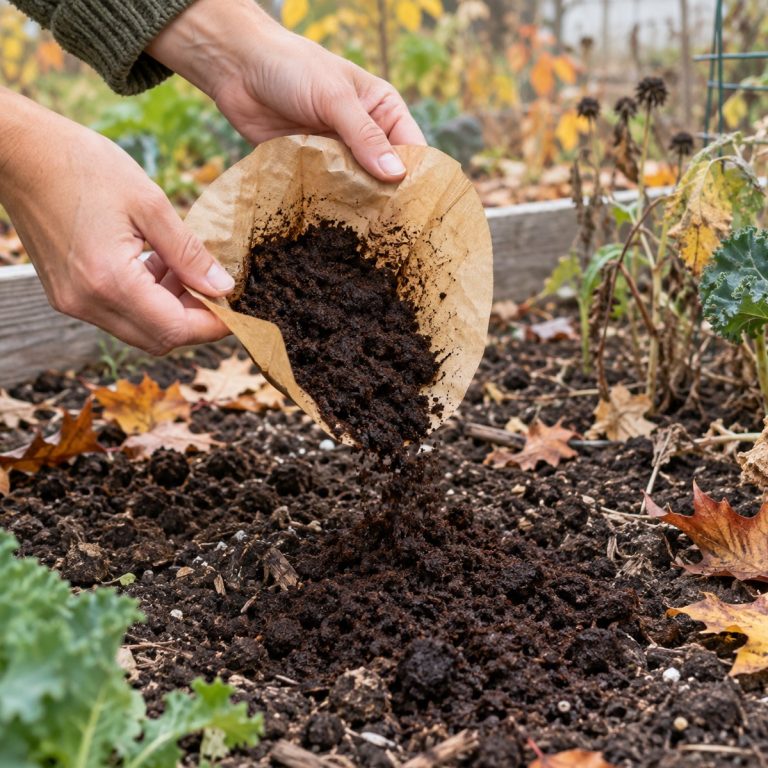
Applying a thick layer of wet coffee grounds directly to the soil surface can lead to problems. The fine texture of the grounds can compact, forming a crust that prevents water and air from reaching plant roots. This dense layer can also create an anaerobic environment, encouraging the growth of mold or fungus, which isn't ideal for young seedlings or delicate plants. To avoid this, always mix coffee grounds into the soil or compost them properly before application. Spreading them thinly and incorporating them ensures they integrate well with the soil, preventing any potential compaction or mold issues.

Best Practices for Using Coffee Grounds in Your Garden
Knowing that coffee grounds actually help plants is one thing, but knowing how to use them effectively is another. Over the years, I've discovered several methods that maximize their benefits while minimizing any potential risks. These tried-and-true techniques will ensure your plants get the most out of this versatile resource.
Composting Coffee Grounds
Composting is arguably the best way to use coffee grounds. Adding them to your compost pile is a fantastic way to introduce nitrogen-rich "green" material. They break down beautifully, enriching your compost with valuable nutrients. This method ensures that the grounds are fully decomposed and integrated into a balanced soil amendment, making them perfectly safe and beneficial for all your plants. The heat from composting also eliminates any lingering acidity.
Direct Application
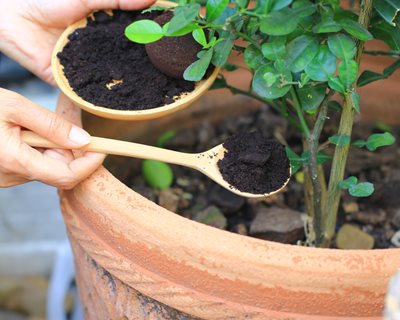
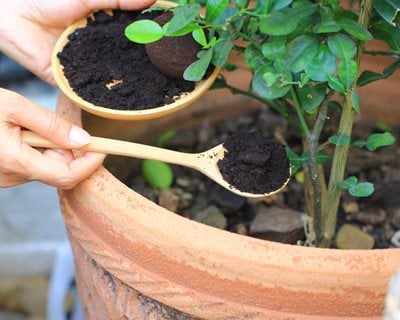
If you're not composting, you can still apply coffee grounds directly to your garden beds. The key is moderation and proper integration. Sprinkle a thin layer of spent coffee grounds around the base of acid-loving plants like blueberries, azaleas, or rhododendrons, then gently scratch them into the top inch or two of soil. For other plants, mix them into the soil when planting or cultivating. This prevents compaction and allows the nutrients to become available gradually, truly showing how coffee grounds can boost plant vitality.
Making Coffee Ground Tea
For a quick nutrient boost, you can brew "coffee ground tea." Simply soak about a cup of used coffee grounds in a five-gallon bucket of water for a day or two. Strain the mixture, and use the diluted liquid to water your plants. This provides a gentle dose of nutrients and can be particularly beneficial for container plants or as a foliar spray. The leftover soaked grounds can then be added to your compost, ensuring nothing goes to waste.

My Personal Experience: Learning and Growing with Coffee Grounds
My journey with using coffee grounds in the garden has been a learning curve, filled with both triumphs and a few "oops" moments. When I first started gardening, I was eager to try every natural hack, and the idea that coffee grounds actually help plants grow faster was incredibly appealing. What I discovered was that successful implementation truly depends on understanding the nuances.
My Early Missteps
Initially, I was a bit overzealous. I’d dump thick, wet layers of coffee grounds directly onto my vegetable beds, thinking "more is better." What I ended up with was a thick, crusty layer that repelled water and, in some damp spots, even started to mold. My plants didn't look happy, and instead of growing faster, some seemed to stall. It taught me a valuable lesson: even good things need to be used correctly. I realized that while coffee grounds are amazing, they aren't a magic bullet if misused.
The Turning Point
My approach changed dramatically after learning about soil science and the importance of aeration. I started incorporating coffee grounds into my compost bin, where they blended beautifully with other organic materials. When I did use them directly, I'd sprinkle them thinly and rake them into the topsoil, or mix them thoroughly into potting mixes. The difference was night and day. My rose bushes, which struggled before, became more vibrant, and my tomato plants produced larger, healthier fruits. This practical application solidified my belief that when used thoughtfully, coffee grounds actually help plants thrive and truly boost their growth.

Frequently Asked Questions
Do coffee grounds acidify soil for all plants?
No, spent coffee grounds are largely pH neutral, typically between 6.5 and 6.8, and have a minimal impact on soil acidity. While fresh grounds are acidic, the brewing process washes most of the acid away.
Can I put coffee grounds directly on plants?
Yes, but in moderation. Sprinkle a thin layer around plants and gently work it into the topsoil to prevent compaction and mold. Avoid thick layers, especially for acid-sensitive plants.
What plants benefit most from coffee grounds?
Acid-loving plants like blueberries, azaleas, rhododendrons, and some roses often benefit from the slight acidity and nutrient boost. Most garden vegetables and general houseplants also respond well to moderate use.
Are coffee grounds a good fertilizer?
Coffee grounds are an excellent slow-release fertilizer, rich in nitrogen, phosphorus, and potassium, as well as micronutrients. They enhance soil health and provide sustained nutrition for plants, making them a valuable soil amendment.
How often should I add coffee grounds to my plants?
For garden beds, incorporating coffee grounds once or twice a season is usually sufficient, perhaps during spring planting and mid-summer. For container plants, a small amount mixed into the soil every few months is often enough.
Conclusion
It's clear that coffee grounds actually help plants grow faster and healthier, but it's all about intelligent application. From enriching your soil with essential nutrients like nitrogen, phosphorus, and potassium, to improving soil structure, attracting beneficial earthworms, and even acting as a mild pest deterrent, these humble kitchen leftovers are a powerful ally for any gardener. My own gardening journey has shown me that with a little knowledge and mindful use, coffee grounds can transform your garden into a more vibrant and productive space. So, the next time you finish your morning brew, think twice before tossing those grounds. Instead, give them a new life in your garden and watch your plants flourish! Start experimenting with composting them or incorporating them into your soil, and share your experiences in the comments below.