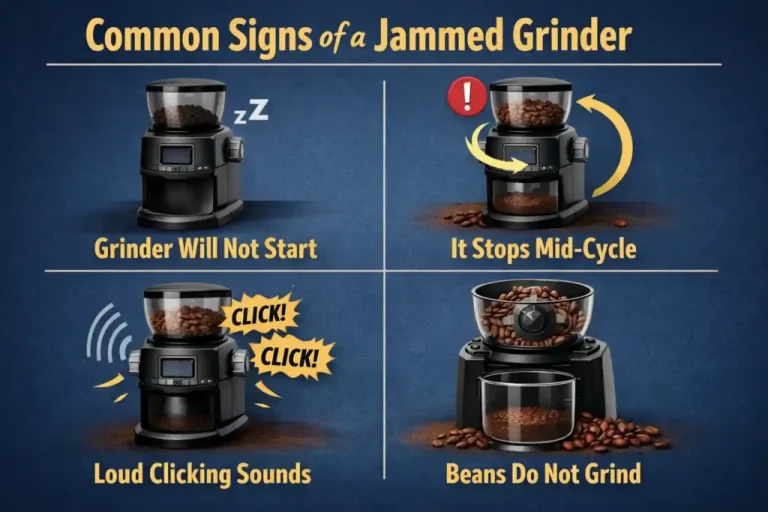
Why Does My Coffee Grinder Grind Too Fast And Uneven: Solutions
Your coffee grinder grinds too fast and unevenly primarily due to the type of grinder you own, worn-out burrs, incorrect settings, or a lack of regular maintenance.
There’s nothing quite like the aroma of freshly ground coffee to kickstart your day. Yet, for many coffee enthusiasts, that perfect morning ritual is often marred by a frustrating problem: a coffee grinder that seems to blitz through beans with alarming speed, leaving behind an inconsistent mess rather than a uniform grind. If you've ever wondered why your coffee grinder grinds too fast and uneven, creating a chaotic mix of fine powder and chunky bits, you're not alone. This common issue can drastically impact the flavor of your brew, leading to either an under-extracted, sour cup or an over-extracted, bitter one. We're diving deep into the mechanics, common culprits, and effective solutions to help you achieve the consistent, delicious coffee you deserve.

Understanding the Problem: The Impact of an Uneven Grind
An uneven grind, often a byproduct of a coffee grinder that grinds too fast, means your coffee particles vary significantly in size. Imagine trying to bake a cake where some flour is finely sifted and some is still lumpy – the results would be unpredictable, right? The same principle applies to coffee. During brewing, water extracts flavor from the coffee grounds. If you have a mix of very fine particles and much coarser ones, the extraction will be inconsistent. The fine particles will over-extract quickly, releasing bitter notes, while the coarse particles will under-extract, contributing sourness and a weak body. This leads to a cup that lacks balance, depth, and the true flavor profile of your beans.
I've personally experienced the disappointment of a poorly ground coffee. Early in my coffee journey, before I understood the nuances of grind consistency, I used a basic blade grinder. Every morning was a gamble; sometimes the coffee was tolerable, other times it was either watery and sour or intensely bitter. It wasn't until I upgraded my equipment and learned about proper grind techniques that I realized the grinder was the real culprit, and it was significantly impacting my brewing experience. A truly consistent grind is the foundation of excellent coffee, allowing for an even extraction that highlights the coffee's inherent flavors, ensuring every sip is a pleasure, not a compromise.
Common Culprits: Why Your Coffee Grinder Grinds Too Fast (and Uneven)
Understanding why your coffee grinder grinds too fast and uneven is the first step to fixing the problem. Several factors contribute to this frustrating issue, ranging from the fundamental design of your grinder to its maintenance routine. Let's break down the most common reasons.
Blade Grinders vs. Burr Grinders: The Fundamental Difference
The most significant factor often comes down to the type of grinder you own.
- Blade Grinders: These grinders operate more like blenders, using a spinning blade to chop and shatter coffee beans. The process is incredibly fast, but also inherently uneven. The blades don't provide a consistent cutting action; instead, they pulverize some beans into a fine powder while larger chunks remain untouched. This "chopping" action also generates a lot of heat, which can prematurely degrade the coffee's delicate aromatics. If your coffee grinder grinds too fast and uneven, and it's a blade grinder, this is your primary reason.
- Burr Grinders: In contrast, burr grinders use two abrasive surfaces (burrs) that grind coffee beans between them, consistently crushing them to a uniform size. They are designed for precision, allowing you to select specific grind settings (from coarse for French press to fine for espresso). While burr grinders can still suffer from unevenness, it's typically due to other factors, not their fundamental design.
Worn-Out or Damaged Burrs
Even the best burr grinders aren't immune to wear and tear. Over time, the sharp edges of your burrs (whether conical or flat) can dull, especially with regular use. Dull burrs don't cut cleanly; instead, they tear and crush the beans less efficiently. This often results in a coffee grinder that grinds too fast because the resistance is lower, and the output is a much more inconsistent grind with a wider distribution of particle sizes. You might notice more "fines" (very tiny particles) even on coarser settings, and larger chunks mixed in. Burrs are typically made from steel or ceramic, and their lifespan depends on usage and material.
Incorrect Grind Settings
Sometimes, the issue isn't the grinder itself but how it's set. If your grinder is set to a much coarser setting than what's ideal for your brewing method, it might seem like the coffee grinder grinds too fast because the beans pass through the burrs with minimal resistance. While this isn't necessarily "uneven" in the way a blade grinder is, it means the grind size isn't appropriate, leading to poor extraction. Furthermore, some entry-level burr grinders lack sufficient micro-adjustments, meaning you might jump from "too coarse" to "too fine" without an ideal middle ground for your desired brew.
Motor Speed and Power
The motor's speed and power also play a role. Grinders with very high-speed motors, especially those with less robust burr sets, can cause beans to shatter rather than grind cleanly. This rapid shattering contributes to an uneven grind, creating a mix of particle sizes and generating excessive heat, which can "burn" the coffee even before brewing. While a powerful motor is good, it needs to be paired with well-designed burrs and, ideally, gear reduction to control the actual burr rotation speed for optimal grinding.
Oily or Stale Coffee Beans
The characteristics of your coffee beans can significantly affect how your coffee grinder grinds too fast or unevenly. Darker roasts tend to be oilier, and these oils can accumulate on the burrs, creating a sticky residue. This buildup can clog the grinder, hinder the burrs' ability to process beans evenly, and cause inconsistency. Stale beans, which are often drier and more brittle, can also shatter unpredictably, contributing to a less uniform grind. Fresh, medium-roasted beans generally grind more predictably.
Lack of Regular Cleaning and Maintenance
Neglecting your grinder's hygiene is a common oversight that leads to performance issues. Over time, coffee oils, fine particles, and chaff can build up within the burr chamber and on the burrs themselves. This residue creates friction, hinders the free flow of beans, and prevents the burrs from achieving a consistent grind. A clogged grinder will often struggle, leading to increased static and an output that seems to have a coffee grinder that grinds too fast and unevenly because the beans aren't being processed effectively.
Static Electricity
While not directly causing your coffee grinder to grind too fast, static electricity significantly contributes to the appearance of an uneven grind and a messy experience. As coffee beans are ground, friction can generate static electricity, especially in dry environments. This causes the grounds to clump together, stick to the grinder chute, and scatter around. When grounds clump, they can trick you into thinking the grind is uneven, and the scattered fines definitely make it look that way. It also makes for a frustrating cleanup.
Grinder Age and Quality
Finally, the age and overall quality of your grinder can play a role. Older grinders, particularly entry-level models, may have less robust motors, lower quality burr materials, or looser burr alignment mechanisms that degrade over time. These factors can all contribute to a coffee grinder that grinds too fast and uneven, making it harder to achieve a consistent, high-quality grind. Higher-end grinders typically feature sturdier construction, better burr materials, and more precise alignment, which translates to superior grind consistency and longevity.

Solutions and Practical Tips to Achieve the Perfect Grind
Now that we've pinpointed why your coffee grinder grinds too fast and uneven, let's explore actionable solutions to get you on the path to consistent, delicious coffee. These tips come from years of personal experimentation and industry best practices.
Invest in a Quality Burr Grinder
If you're currently using a blade grinder and your coffee grinder grinds too fast and uneven, this is the most impactful upgrade you can make. A burr grinder (either conical or flat burr) is designed to crush beans uniformly, offering precise control over grind size. While it's an initial investment, the improvement in your coffee's flavor will be immediately noticeable and well worth it. I vividly remember the day I switched from a blade grinder to my first decent conical burr grinder; the difference in grind consistency and the resulting coffee was like night and day.
Mastering Your Grind Settings
Once you have a burr grinder, learning to use its settings is crucial.
- Experimentation: Start with the manufacturer's recommended settings for your specific brewing method (e.g., coarse for French press, medium for drip, fine for espresso).
- Adjust Gradually: Make small adjustments and taste the results. If your coffee tastes sour or weak, try a finer grind. If it's bitter or astringent, go a bit coarser.
- Understand Your Grinder: Get to know your grinder's adjustment mechanism. Some have stepped adjustments (preset notches), while others offer stepless adjustments (infinite possibilities), providing finer control.
This process helps you understand how different settings affect the overall consistency and extraction, preventing the issue of a coffee grinder that grinds too fast for your desired outcome.
Regular Cleaning is Key
A clean grinder is a happy grinder. Regular maintenance prevents the buildup of coffee oils and fines that can cause your coffee grinder to grind too fast and unevenly.
- Daily Wipe-Down: After each use, wipe down the chute and grind chamber to remove loose grounds.
- Weekly Deep Clean: Disassemble the burrs (following your grinder's instructions) and use a stiff brush to remove all accumulated coffee particles and oils. Compressed air can also be helpful.
- Monthly Descaling: Consider using specialized grinder cleaning tablets (like Urnex Grindz) once a month or as needed. These tablets are food-safe and help absorb coffee oils and clear debris from hard-to-reach areas within the burrs.
Inspecting and Replacing Burrs
Regularly check your burrs for signs of wear.
- Visual Inspection: Look for dull spots, chips, or significant wear patterns.
- Touch Test: Gently feel the burrs; they should feel sharp, not smooth.
- Replacement: Consult your grinder's manual for recommended replacement intervals. For home grinders, steel burrs might last 5-10 years, while ceramic burrs can last even longer. However, heavy use or grinding very light roast beans can accelerate wear. Replacing worn burrs is like giving your coffee grinder a new lease on life, ensuring it doesn't grind too fast and uneven.
Fresh, Quality Beans Matter
The quality and freshness of your beans play a role.
- Freshness: Use freshly roasted coffee, ideally within 2-4 weeks of its roast date. Stale beans are brittle and can lead to more fines.
- Roast Level: Lighter roasts are denser and harder to grind, while darker roasts are oilier. Be mindful of your grinder's capabilities and adjust settings accordingly. Using quality, non-oily beans helps prevent clogging and ensures your coffee grinder grinds consistently.
Taming Static
Static electricity can make a mess and give the impression of an uneven grind.
- RDT (Ross Droplet Technique): Before grinding, add one or two drops of water to your whole coffee beans and shake them. This slight increase in humidity significantly reduces static.
- Anti-Static Features: Some newer grinders incorporate anti-static technology into their design.
- Humidity: Keeping your kitchen at a reasonable humidity level can also help.
Patience and Technique
Even with a great grinder, technique matters.
- Don't Rush: Allow the grinder to work at its own pace. Overloading the hopper or trying to rush the grinding can strain the motor and lead to less consistent results.
- Consistent Feed: For some grinders, a steady, even pour of beans into the hopper can improve consistency.
- Shake it Off: After grinding, a gentle tap on the grinder can help dislodge any static-clinging fines in the chute, preventing buildup.
By implementing these practical steps, you can conquer the issue of a coffee grinder that grinds too fast and uneven, elevating your home brewing to a professional level.
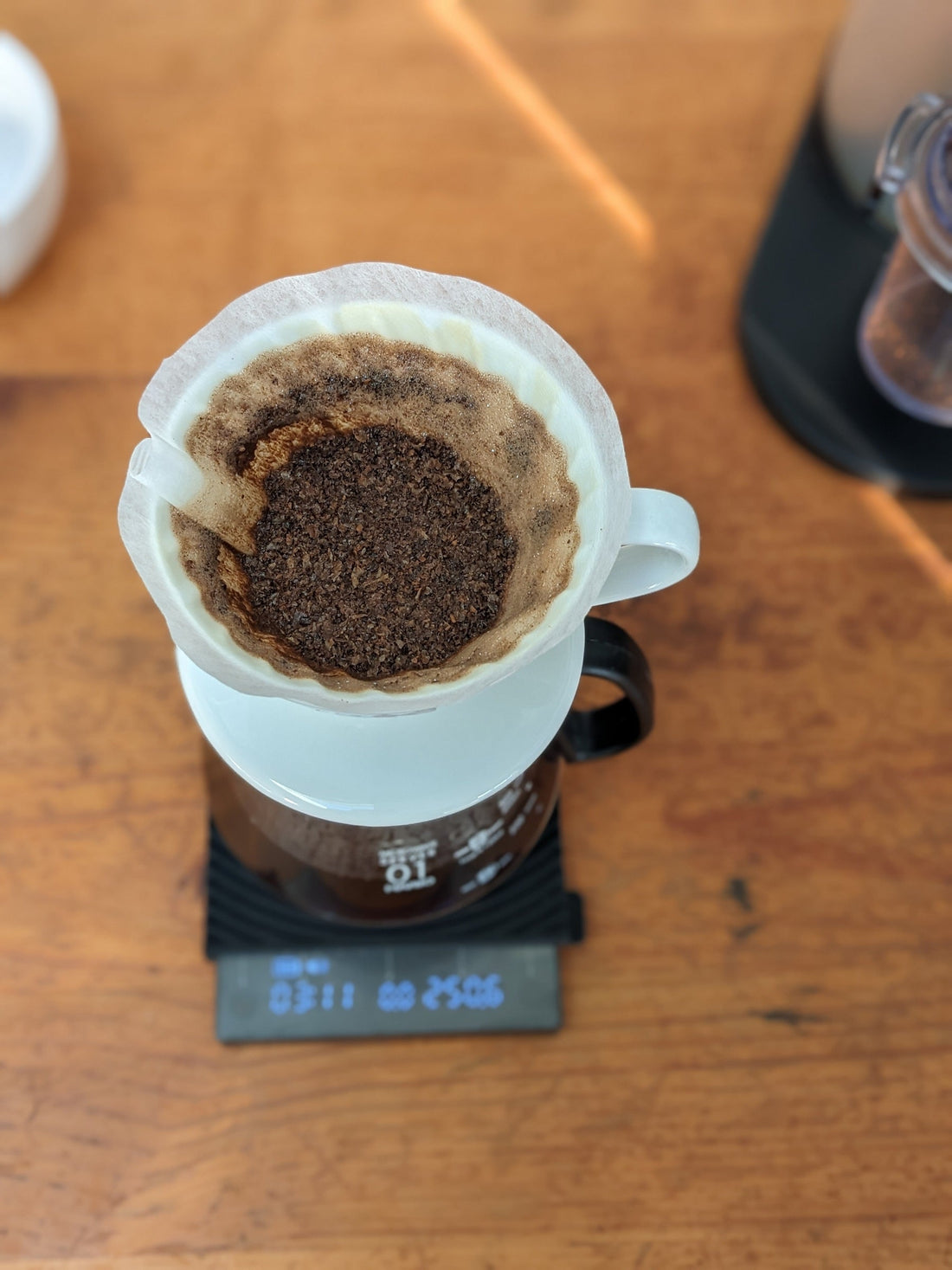
Source: keacoffee.com
Frequently Asked Questions
What makes a coffee grinder grind unevenly?
A coffee grinder grinds unevenly primarily due to being a blade grinder, having worn-out burrs that can't cut cleanly, incorrect grind settings for the desired consistency, or a buildup of old coffee oils and fines clogging the mechanism. These factors prevent the beans from being processed uniformly, leading to a mix of particle sizes.
Can a coffee grinder be too fast?
Yes, a coffee grinder can be "too fast" if it's a blade grinder, which rapidly chops beans inconsistently, or if a burr grinder's motor speed, combined with dull burrs, shatters beans rather than grinds them. An excessively fast grind often compromises consistency and generates heat, negatively impacting coffee flavor.
How often should I clean my coffee grinder?
For optimal performance, you should perform a quick wipe-down after each use, a thorough deep clean (disassembling burrs) weekly or every 1-2 weeks depending on usage, and use specialized grinder cleaning tablets monthly. Regular cleaning prevents oil and fine particle buildup that can lead to an uneven grind.
Do burr grinders really make a difference?
Absolutely! Burr grinders provide a significantly more consistent and uniform grind compared to blade grinders. This consistency is crucial for even coffee extraction, allowing you to unlock the full, balanced flavors of your beans without the bitterness from over-extracted fines or the sourness from under-extracted coarse particles.
Why do my coffee grounds clump together after grinding?
Coffee grounds often clump together due to static electricity generated by the friction of grinding, especially in dry environments. This static charge causes the fine particles to stick to each other and to the grinder's internal surfaces. Using a technique like the Ross Droplet Technique (RDT) can help minimize this effect.
Conclusion
Achieving the perfect cup of coffee at home hinges significantly on the quality and consistency of your grind. Understanding why your coffee grinder grinds too fast and uneven is the first critical step toward transforming your daily brew. Whether it's recognizing the limitations of a blade grinder, addressing worn burrs, mastering your grind settings, or committing to a regular cleaning routine, each adjustment brings you closer to coffee nirvana. Don't let a frustratingly inconsistent grind stand between you and the rich, balanced flavors your beans are capable of delivering. Take these insights and apply them to your coffee ritual. Experiment, observe, and savor the difference a proper grind makes. Start implementing these tips today, and share your journey towards better coffee in the comments below!