
Coffee Grinder vs Spice Grinder: What’s the Difference?
No, a coffee grinder is generally not the same as a spice grinder, and using them interchangeably can often lead to less-than-ideal results.
You might be looking at your kitchen counter, eyeing that sleek appliance, and wondering if it can pull double duty for both your morning brew and your evening curry. It’s a common question, and one I've grappled with myself as someone passionate about flavor and efficiency in the kitchen. While both devices aim to reduce solids to smaller particles, their design, function, and the ultimate impact on your culinary experience diverge significantly. Let's delve into the nuances that separate these two essential kitchen tools and discover why understanding their differences is crucial for any home chef or coffee enthusiast.
Understanding Coffee Grinders
When we talk about a coffee grinder, we're primarily focused on creating a uniform particle size that allows for optimal extraction during the brewing process. The goal is consistency, whether you're making a coarse grind for French press or a super fine grind for espresso. An inconsistent grind means uneven extraction, leading to either sour or bitter coffee, which nobody wants!
There are two main types of coffee grinders:
- Blade Grinders: These operate like a mini-blender, using a spinning blade to chop coffee beans. While they're often more affordable and compact, they don't grind the beans but rather smash and chop them. This creates an inconsistent particle size, with some powdery fines and larger chunks, which is why serious coffee lovers usually steer clear of them.
- Burr Grinders: These are the gold standard for coffee. They work by grinding beans between two abrasive surfaces (burrs) – either conical or flat. This method produces a much more consistent and uniform particle size, allowing for precise control over your brew. A good burr coffee grinder is designed to minimize heat generation, preserving the delicate aromatic oils in coffee beans.
My own experience with coffee grinders taught me early on that investing in a quality burr grinder was a game-changer. The difference in taste and aroma between coffee ground with a blade grinder versus a burr grinder is simply incomparable. It's like comparing a blunt knife to a razor-sharp one; both cut, but one does it far more effectively and with better results.

Understanding Spice Grinders
Now, let's turn our attention to the spice grinder. Similar to coffee grinders, spice grinders are designed to break down dried whole spices into a fine powder or coarser blend, releasing their potent flavors and aromas. However, the unique characteristics of spices often require a slightly different approach than coffee beans. Spices can be oily, fibrous, or very hard, presenting different challenges.
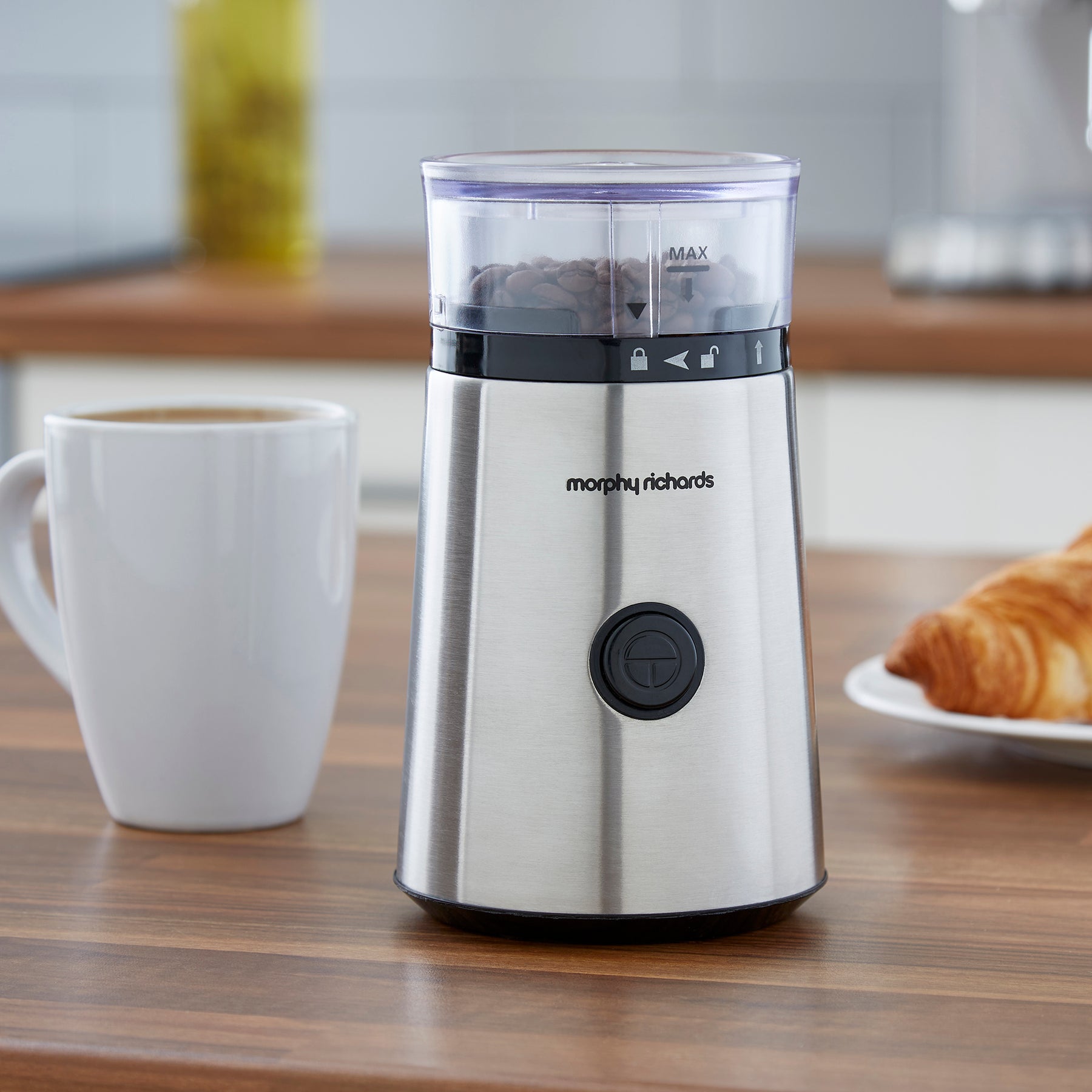
Many home cooks often use a blade grinder for their spices, much like the cheaper coffee blade grinders. These work reasonably well for many dry spices, pulverizing them quickly. Some dedicated spice grinders are simply rebranded blade grinders, often with more robust motors or removable grinding cups for easier cleaning. Traditional methods, like mortar and pestle, are also excellent for spices, allowing for greater control over texture and for bruising herbs to release oils.
For me, grinding whole spices for a curry or a rub is a ritual. The explosion of aroma when fresh cardamom pods or cumin seeds are ground is a sensory delight that pre-ground spices simply cannot replicate. A good spice grinder excels at unlocking these hidden flavors.
Key Differences Between Coffee Grinders and Spice Grinders
While they might look similar, especially the blade-style versions, the fundamental differences between a coffee grinder and a spice grinder lie in their design priorities and the unique demands of what they're grinding.
- Grind Consistency: A burr coffee grinder prioritizes an incredibly uniform grind to ensure even coffee extraction. Spice grinders, especially blade types, are more focused on simply pulverizing spices into a desired fineness, which doesn't always require the same level of particle consistency. Why is a consistent grind important for coffee? Because inconsistent grinds lead to uneven extraction, resulting in either weak, sour, or overly bitter coffee, masking the nuanced flavors.
- Blade/Burr Material and Design: High-quality burr grinders use durable, sharp burrs designed to cut coffee beans precisely. Blade grinders for spices often have robust, simple blades capable of handling the varied textures of different spices, from hard peppercorns to fibrous cinnamon sticks.
- Motor Power and Speed: While both need power, some spice grinders might have motors optimized for handling tougher, oilier spices without overheating.
- Material Retention and Odor Transfer: This is perhaps the biggest practical difference. Coffee beans contain oils, but their aroma is generally consistent. Spices, however, are packed with essential oils and incredibly strong, distinct aromas. Using a coffee grinder for spices will inevitably transfer those potent spice odors and flavors to your next batch of coffee, creating a rather unappetizing blend of cumin-infused espresso or cardamom-laced morning joe. Conversely, grinding coffee in a spice grinder will transfer coffee oils and aromas to your spices, altering their flavor profile.
- Cleaning: Dedicated spice grinders often feature removable cups or easier-to-clean designs specifically because spices tend to leave behind oily residues and strong odors. Coffee grinders, particularly burr types, can be more complex to clean thoroughly, making them less ideal for frequent spice grinding.

Source: hamiltonbeach.com
Can You Use a Coffee Grinder as a Spice Grinder (and Vice Versa)?
This is where the "can you?" meets the "should you?"
Using a Coffee Grinder for Spices:
- Blade Coffee Grinder: Yes, you can use a blade coffee grinder for spices. In fact, many people do this in a pinch, or simply because they don't want another appliance. Blade grinders can effectively pulverize most dry spices. Can blade grinders truly achieve uniform spice grinds? While they can effectively pulverize, they struggle with uniformity, often creating a mix of fine powder and larger pieces, which might not be ideal for all recipes.
- Burr Coffee Grinder: Absolutely not recommended. The design of a burr grinder means spices, especially oily ones, will clog the burrs, be incredibly difficult to clean, and permanently infuse your grinder with strong spice odors. This will ruin your coffee. Trust me, I once tried grinding a small amount of star anise in my burr grinder out of curiosity, and the scent lingered for weeks, making my coffee taste like Christmas potpourri – not in a good way!
Using a Spice Grinder for Coffee:
- Blade Spice Grinder: You can use a blade spice grinder for coffee beans, especially if it's clean and dedicated solely to coffee. However, as discussed, a blade grinder will provide an inconsistent grind, leading to suboptimal coffee flavor. If you're particular about your coffee, you'll notice the difference.
- Dedicated Spice Mill (e.g., small electric mills for specific spices): Generally, no. These are often designed for very specific, small batches and might not have the capacity or motor strength for coffee beans.
The biggest issue with interchangeability is the lasting impact of powerful aromas and oils. How do odors transfer between coffee and spices? Spices contain potent volatile oils that easily permeate the plastic and metal components of a grinder, leading to cross-contamination of flavors between different ingredients, even after cleaning. This lingering scent can ruin the distinct profiles of subsequent items you grind.

The Impact of Grind on Flavor
The way you grind your coffee beans or spices profoundly impacts their flavor. For coffee, the surface area exposed to water determines extraction. A consistent grind allows for predictable extraction, yielding a balanced cup. An inconsistent grind means some particles over-extract (bitter) and some under-extract (sour), resulting in a muddy, unpleasant taste.
For spices, grinding releases their essential oils, activating their flavor and aroma. Whole spices can be robust, but their full potential is unlocked when ground. The fineness of the grind can also influence flavor; a coarser grind might offer textural elements and slower flavor release, while a fine powder integrates more completely into a dish. Using a proper spice grinder ensures you get the most vibrant and aromatic flavor possible from your whole spices.

Tips for Choosing the Right Grinder
When it comes to outfitting your kitchen, having the right tools makes all the difference. Here’s how to choose wisely:
- For Coffee Enthusiasts: If you truly love coffee, invest in a dedicated burr coffee grinder. It's the single best upgrade you can make to your home brewing setup. Look for adjustable grind settings and durable burr materials (ceramic or steel).
- For Spice Lovers: If you frequently cook with whole spices, a dedicated spice grinder is invaluable. A simple blade grinder designed for spices (or a clean, separate blade coffee grinder used only for spices) will serve you well. Some models even have removable, dishwasher-safe grinding cups, which are a huge plus for cleaning. A mortar and pestle is also an excellent traditional option for smaller batches and specific textures.
- For the Occasional User / Budget-Conscious: If you rarely grind spices or only need a very coarse grind, and you already own a blade coffee grinder, you can use it for spices – but be prepared for lingering odors and thoroughly clean it afterward. Alternatively, consider an inexpensive blade grinder dedicated solely to spices.
My best advice? If you enjoy both fresh coffee and cooking with whole spices, have two separate grinders. The small investment is worth protecting the integrity of your coffee and the vibrancy of your culinary creations. It saves you from frustration and ensures your dishes taste exactly as intended.

Maintenance and Cleaning
Proper maintenance and cleaning are crucial for any kitchen appliance, but especially so for grinders where flavor transfer is a concern.
- Coffee Grinders: Regular cleaning of your coffee grinder (especially burr grinders) is essential to remove old coffee oils and fines that can turn rancid and impart off-flavors to fresh coffee. Use a brush or grinder cleaning tablets designed for this purpose. Never use water inside a burr grinder's grinding mechanism.
- Spice Grinders: After grinding spices, clean your grinder immediately. If it's a blade grinder with a removable cup, wash the cup thoroughly. For fixed blade grinders, wipe down the inside with a damp cloth, or even grind a tablespoon of plain white rice to absorb oils and odors, then wipe clean. Ensure it's completely dry before storing to prevent rust or mold. This diligent cleaning prevents cross-contamination and keeps your grinder ready for its next task.
Frequently Asked Questions
Is it hygienic to use the same grinder for coffee and spices?
While technically possible with thorough cleaning for blade grinders, it's not ideal. Spices leave behind strong oils and residues that are difficult to fully remove, potentially leading to flavor transfer and impacting hygiene over time.
Will grinding spices in my coffee grinder make my coffee taste bad?
Yes, absolutely. The potent essential oils from spices will permeate the grinder's components, leading to a noticeable and often unpleasant flavor transfer to your coffee, even after cleaning.
Can I grind wet spices or herbs in a grinder?
Most electric grinders (both coffee and spice) are designed for dry ingredients. Grinding wet or oily spices can clog the mechanism, make cleaning difficult, and potentially damage the motor.
What's the best way to clean a spice grinder to prevent flavor transfer?
After grinding, wipe out the grinder with a damp cloth. For stubborn odors, grind a small amount of plain white rice or stale bread, which can help absorb residual oils and smells, then wipe it clean again.
Is a mortar and pestle a good alternative to an electric spice grinder?
Yes, a mortar and pestle is an excellent traditional alternative, especially for smaller quantities of spices. It offers precise control over texture and can effectively release the oils and aromas of spices, often surpassing electric grinders for certain applications.
Conclusion
Ultimately, while the basic action of reducing solids to powder might seem universal, a coffee grinder and a spice grinder are distinct tools with specific purposes. For the best flavor experience in both your coffee and your cooking, it’s always best to use dedicated appliances. Protecting the integrity of your freshly ground coffee and ensuring your spices deliver their intended vibrant flavors is a small investment in kitchen harmony and culinary excellence. So, take my advice: keep them separate, savor the distinct aromas, and elevate both your morning brew and your evening meals. Explore the possibilities with the right tools, and share your own experiences with dedicated grinders in the comments below!