Coffee Grinder Jamming: Easy Fixes & Prevention
Why Does My Coffee Grinder Keep Jamming Mid-Grind?
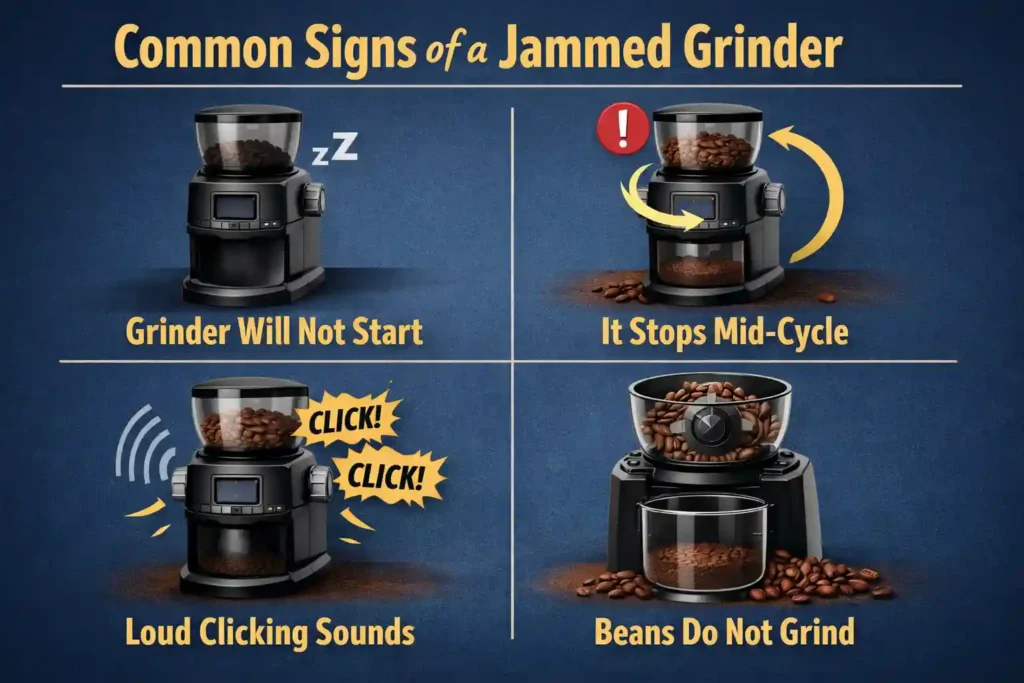
Your coffee grinder keeps jamming mid-grind primarily due to incorrect grind settings, oily bean residue, or inadequate cleaning.
There's nothing quite like the morning ritual of fresh coffee, right? But that blissful moment can quickly turn frustrating when your trusty coffee grinder sputters, struggles, and then abruptly stops, leaving you with half-ground beans and a sense of dread. If you've ever asked yourself, "Why does my coffee grinder keep jamming mid-grind?" you're definitely not alone. It's a common, albeit annoying, issue that can plague even the best machines. As someone who has spent years perfecting my brew and troubleshooting countless coffee mishaps, I understand the annoyance—and more importantly, I know the root causes and how to prevent them. Let's dive deep into understanding why your coffee grinder jams and how to keep it running smoothly, ensuring you always get that perfect, consistent grind.

Understanding Your Coffee Grinder: Burr vs. Blade
Before we troubleshoot why your coffee grinder keeps jamming mid-grind, it’s helpful to understand the type of grinder you’re working with. Primarily, coffee grinders come in two main types: burr grinders and blade grinders. Burr grinders, which use two revolving abrasive surfaces (burrs) to crush coffee beans, are generally preferred by coffee enthusiasts for their consistent and precise grind sizes. These can be conical or flat burrs, and they're designed to deliver an even particle size crucial for optimal extraction.
Blade grinders, on the other hand, operate more like a blender, using a spinning blade to chop and shatter the beans. While more affordable, they tend to produce an inconsistent grind with a mix of fine dust and larger chunks, which can lead to over-extraction and a bitter taste. When it comes to jamming, burr grinders are more susceptible to specific issues like oily bean buildup or incorrect settings due to their precision grinding mechanism, whereas blade grinders might struggle more with simply overpowering the motor if overloaded. My experience tells me that most serious jamming issues we discuss typically pertain to burr grinders because of the tight tolerances required for their operation.

The Most Common Culprits Behind a Jammed Grinder
A jammed coffee grinder can be a real headache, but identifying the cause is the first step to a solution. Here are the most common reasons your coffee grinder keeps jamming mid-grind:
Incorrect Grind Setting
This is perhaps the most frequent culprit. If you set your grinder to an extremely fine setting, especially for a type of coffee that's already dense or oily, the burrs can get clogged. The tiny particles accumulate, creating resistance that the motor can't overcome, leading to a jam. Think of trying to push too much sand through a tiny sieve—it just backs up.
Oily Coffee Beans
Dark roasted coffee beans are naturally more oily. Over time, these oils can build up on the burrs and in the grinding chamber, forming a sticky residue that traps fine coffee particles. This gunk significantly increases friction, making it harder for the burrs to move and process new beans, inevitably causing your coffee grinder to jam.
Too Many Beans
We've all been there—eager to get that full pot brewed, we overload the hopper. Putting too many beans into the grinder at once can overwhelm the motor and the grinding mechanism. The burrs simply can't handle the volume, leading to a stall. This isn't just about the hopper; sometimes the grinding chamber itself can get overpacked, especially if the grind setting is too fine.
Moisture or Humidity
Coffee beans are hydroscopic, meaning they absorb moisture from the air. If your beans are exposed to a humid environment, they can become slightly damp and sticky. This added moisture makes the ground coffee clump together, turning into a paste-like substance that easily clogs the burrs and causes your grinder to jam.
Lack of Cleaning
This goes hand-in-hand with oily beans. Without regular cleaning, old coffee grounds and oils accumulate in every nook and cranny of your grinder. This buildup reduces efficiency, restricts the movement of the burrs, and creates blockages that prevent fresh beans from being properly processed. A dirty grinder is a jammed grinder waiting to happen.
Foreign Objects
Occasionally, a small stone, a piece of stem, or other debris can sneak into your coffee beans during processing or packaging. Even a tiny, hard foreign object can get lodged between the burrs, causing an immediate and often jarring halt to your grinding process. This type of jam can sometimes even damage your burrs if the motor continues to try and force movement.
Worn-Out Burrs
Like any mechanical part, burrs wear down over time, especially with frequent use. Dull or chipped burrs lose their ability to efficiently cut and crush beans, instead just mashing them. This inefficient grinding creates more friction and inconsistent particles, increasing the likelihood that your coffee grinder keeps jamming mid-grind.

My Personal Grind: Tales from a Jammed Machine
I’ll never forget one particularly frustrating morning. I had just gotten a new batch of beautiful, dark-roasted espresso beans—super aromatic, but oh-so-oily. Excited to try them, I loaded up my burr grinder, set it to my usual fine espresso grind, and hit the button. Within seconds, it sounded like it was struggling, then just… stopped. No more grinding, just a low hum. My coffee grinder kept jamming mid-grind, and I was staring at a half-ground mess.
My immediate thought was that the grinder was broken. I unplugged it, took it apart, and sure enough, the burrs were absolutely caked with a sticky, dark brown paste made of coffee oils and fine grounds. I realized my mistake: I hadn’t adjusted my cleaning schedule for these particularly oily beans, and the existing residue combined with the new oil was just too much. After a thorough cleaning with a brush and vacuum, and a conscious decision to run some rice through it occasionally (a trick I picked up years ago for absorbing oils, though some manufacturers advise against it), it worked perfectly again. That experience really drove home the importance of understanding your beans and adapting your grinder maintenance accordingly. It felt like learning a new language for my coffee machine!
Preventative Measures: Keeping Your Grinder Running Smoothly
The best way to deal with a jammed coffee grinder is to prevent it from happening in the first place. Here are my top tips for keeping your grinder in prime condition:
- Regular Cleaning is Key: Make it a habit to clean your grinder regularly. For daily users, a quick brush-out every few days is good, with a deeper clean (disassembling and brushing burrs) every 1-2 weeks, especially if you use oily beans. This prevents the buildup of old grounds and oils that cause your grinder to jam.
- Choose the Right Beans: While dark roasts are delicious, they are oilier. If you frequently experience jamming, consider lighter or medium roasts, or ensure you clean your grinder more often when using dark roasts. Always opt for fresh beans, as stale beans can also contribute to clogging due to their altered consistency.
- Match Grind Setting to Brew Method: Always use the appropriate grind setting for your chosen brewing method. A coarse grind for French press, medium for drip, and fine for espresso. Experiment a little; if your coffee grinder keeps jamming mid-grind on a fine setting, try going slightly coarser and adjust your brew time.
- Don't Overload the Hopper: Only put the amount of beans you need for your current brew into the hopper. This reduces the chances of overwhelming the motor and ensures proper bean flow to the burrs.
- Store Beans Properly: Keep your coffee beans in an airtight container, away from direct sunlight, heat, and humidity. This preserves their freshness and prevents them from absorbing moisture, which can lead to clumping and jams.
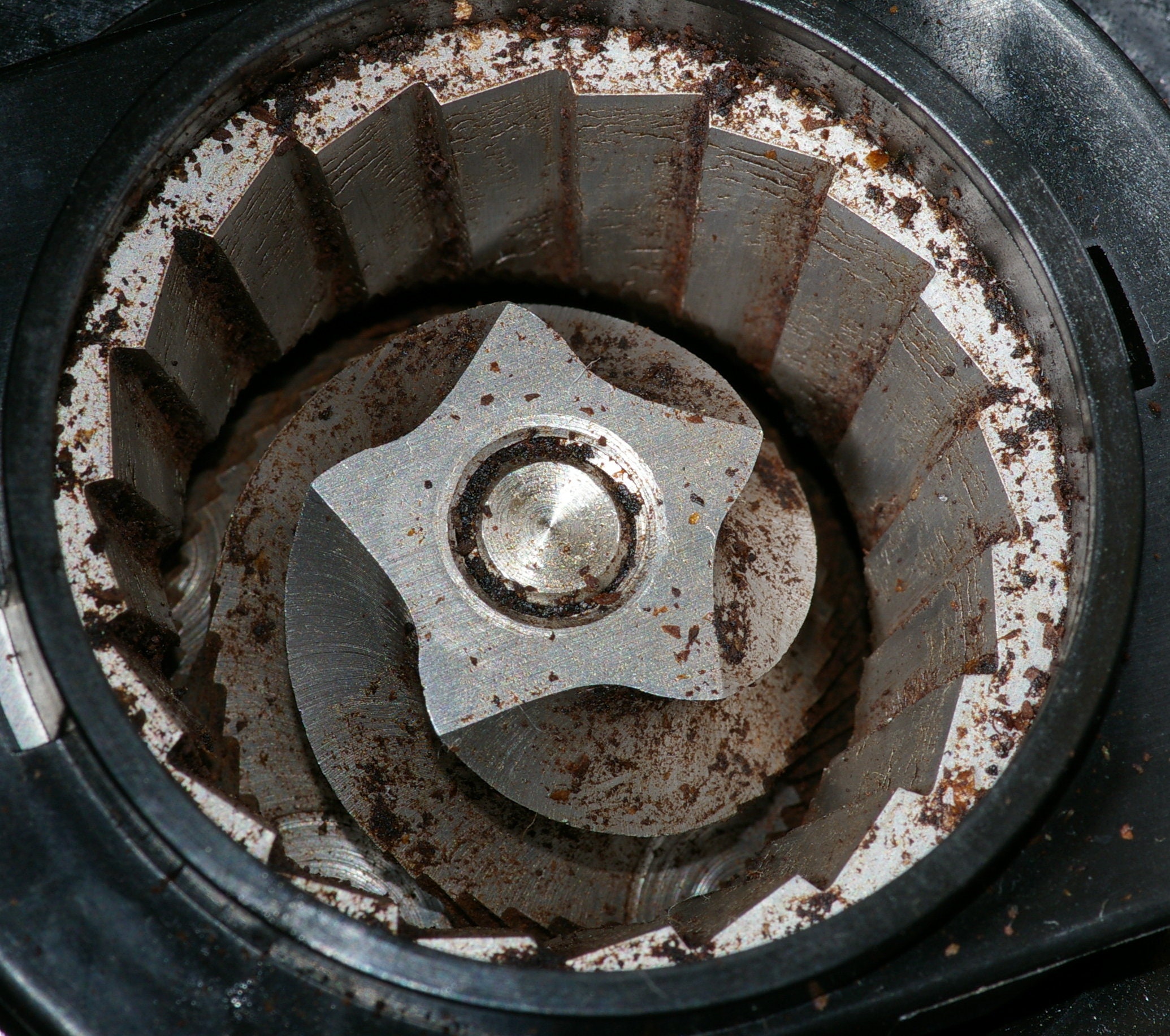
- Monitor Burr Condition: Periodically inspect your burrs for signs of wear and tear, such as dullness or chips. High-quality burrs can last for years, but eventually, they will need replacement to maintain optimal grinding performance and prevent your grinder from jamming.
Source: urnex.com
Troubleshooting a Jammed Coffee Grinder: A Step-by-Step Guide
So, your coffee grinder keeps jamming mid-grind, and you need to fix it now? Don't panic! Follow these steps to safely clear the jam and get back to brewing.
- Unplug First! This is non-negotiable for your safety. Always disconnect the grinder from the power outlet before doing anything else.
- Empty the Hopper: Carefully remove any unground beans from the hopper. You might need to gently shake the grinder to dislodge beans from the chute.
- Remove Grind Chamber/Lid: Take off the top burr (if it's a removable burr grinder) or the lid to access the grinding area. Most grinders have clear instructions in their manual for how to do this safely.
- Brush and Vacuum Old Grounds: Use a small brush (often included with grinders) or a stiff toothbrush to dislodge any packed coffee grounds and oily residue from around the burrs and in the chute. A small vacuum cleaner attachment can be very effective at sucking out stubborn particles.
- Check for Foreign Objects: Carefully inspect the burrs and the grinding chamber for any small stones, metal fragments, or other debris that might be lodged. If you find one, gently remove it with tweezers or pliers.
- Attempt a Coarser Grind: Once cleared, if your grinder has adjustable burrs, try reassembling it and setting it to a coarser grind setting before adding a small amount of beans. This can help prevent immediate re-jamming if the previous setting was too fine.
- Manual Burr Clearing (if applicable): Some high-end burr grinders have a manual override or a specific cleaning cycle. Consult your grinder's manual to see if this is an option. If not, carefully rotating the lower burr by hand (if it's accessible and safe to do so) can sometimes dislodge stubborn clumps.

Source: seattlecoffeegear.com
Why Grind Consistency Matters
Beyond the frustration of a jammed coffee grinder, inconsistent grinding—which often results from a struggling or jamming machine—has a significant impact on your final cup. Grind consistency refers to how uniform the size of your coffee particles are. When your grinder jams, it’s usually because the burrs are struggling, leading to an uneven grind if it manages to grind at all.
Why is this important? Because consistent particle size ensures even extraction. If you have a mix of very fine dust and large chunks, the fine particles will over-extract quickly, releasing bitter notes, while the large chunks will under-extract, leading to sourness. The result is a muddy, unbalanced, and unpleasant brew. A smooth-running, non-jamming grinder ensures that each coffee particle is roughly the same size, allowing water to flow evenly through the coffee bed and extract all the delicious flavors without bitterness or sourness. When your coffee grinder keeps jamming mid-grind, it directly compromises this crucial consistency, diminishing the quality of your coffee.

Frequently Asked Questions About a Jammed Coffee Grinder
Can old coffee beans cause my grinder to jam?
Yes, old coffee beans can become drier and brittle or, if they've absorbed moisture, become sticky. This can lead to inconsistent grinding and a higher chance of your coffee grinder jamming.
How often should I clean my coffee grinder to prevent jamming?
For daily users, a quick brush-out every few days is recommended, with a deeper clean every 1-2 weeks, especially when using oily, dark roast beans. This routine effectively prevents your coffee grinder from jamming.
Does the type of coffee grinder (burr vs. blade) affect jamming frequency?
Burr grinders, with their precise mechanisms, are more prone to jamming from oil buildup or fine settings. Blade grinders are less likely to "jam" in the same way but can struggle or overheat if overloaded.
Is it okay to use rice to clean a coffee grinder?
Some people use a small amount of uncooked rice to absorb oils and dislodge grounds, particularly with blade grinders. However, some burr grinder manufacturers advise against it, as rice can be too hard for the burrs and potentially cause damage.
What's the best way to clean my burr coffee grinder?
The best way is to disassemble the burrs (following your manual), use a stiff brush to remove all loose grounds and oily residue, and then wipe down parts with a damp cloth if necessary, ensuring everything is dry before reassembly. This thorough cleaning helps prevent your coffee grinder from jamming.
Conclusion
Dealing with a coffee grinder that keeps jamming mid-grind can certainly put a damper on your morning. However, by understanding the common causes—from incorrect grind settings and oily beans to crucial cleaning oversights—you're well on your way to a smoother, more consistent grinding experience. Remember, a little preventative maintenance goes a long way in preserving your grinder's performance and the quality of your coffee. So, take a moment to clean your machine, choose your beans wisely, and adjust those settings, and you'll be enjoying perfectly ground coffee every time. Your coffee grinder will thank you, and your taste buds will too! If you have any personal experiences or tips, feel free to share them in the comments below!