
Why Coffee Brewing At Home Is Better: Brew Better Coffee, Save Big
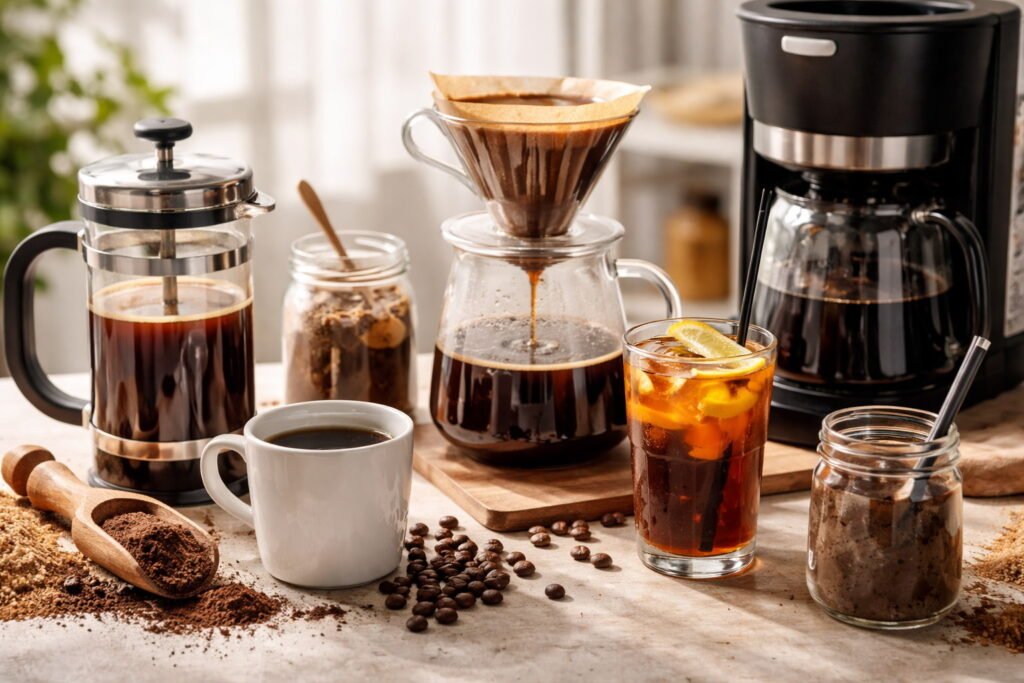
Brewing coffee at home offers unparalleled control over taste, freshness, cost savings, and a personalized ritual that no coffee shop can replicate. It empowers you to craft a consistently perfect cup, tailored precisely to your preferences, while significantly reducing your daily expenditure on an essential morning boost.
Americans love their coffee, and for many, that daily trip to the local coffee shop is a cherished ritual. However, a growing number of coffee lovers across the United States are discovering that the most satisfying, flavorful, and budget-friendly cup of coffee isn't found at a drive-thru or bustling cafe, but rather in the comfort of their own kitchen. Shifting your coffee routine to home brewing isn't just a trend; it's a strategic move that enhances your daily life, elevates your palate, and puts more money back in your pocket.
The Unbeatable Taste and Quality Control
For many Americans, that first sip of coffee sets the tone for the day. But what if that sip could be consistently perfect, tailored precisely to your preference? Brewing coffee at home grants you complete command over every variable, leading to a taste experience a coffee shop often can't match.
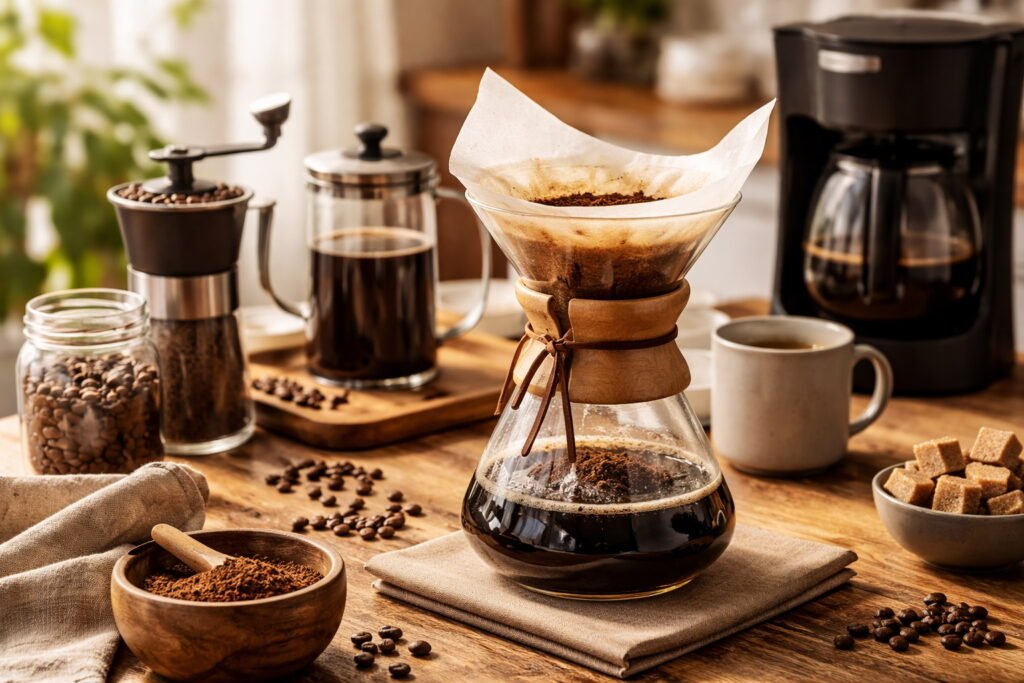
At the heart of exceptional coffee is freshness. When you brew at home, you dictate the age of your beans, often buying them whole and grinding them moments before brewing. This preserves the delicate oils and aromatics that quickly dissipate once coffee is ground, a level of freshness rarely guaranteed at a commercial establishment where pre-ground coffee might sit for hours. You also control the grind size, a critical factor influencing extraction. A French press needs a coarse grind, while an espresso machine demands a fine one. Getting this right at home ensures your coffee is never under-extracted (sour) or over-extracted (bitter).
Beyond beans and grind, water quality plays a monumental role. Tap water across the U.S. varies significantly in mineral content and additives like chlorine. At home, you can use filtered water, ensuring no off-flavors interfere with your coffee's natural profile. Furthermore, you set the water temperature, which ideally hovers between 195°F and 205°F for optimal extraction. Too hot, and you risk burning the coffee; too cool, and you'll get a weak, underdeveloped flavor. This meticulous attention to detail allows you to consistently achieve a superior, nuanced flavor profile that truly highlights the unique characteristics of your chosen beans.
Significant Savings That Add Up
In the current economic climate across the USA, every dollar counts. That daily coffee run, while convenient, can quietly drain your budget, often without you realizing the cumulative impact. Brewing your coffee at home presents one of the most straightforward and effective ways to boost your personal finances.
Let's do some quick math, which often surprises folks. A specialty coffee drink in the U.S. can easily range from $4 to $7 or more. If you buy one of these five days a week, that's $20 to $35 weekly, or roughly $80 to $140 a month. Over a year, this can amount to an astonishing $960 to $1,680! Compare that to brewing at home. High-quality whole beans might cost around $12 to $18 for a 12-ounce bag, yielding approximately 24 standard cups. This breaks down to about $0.50 to $0.75 per cup, even for premium beans.
Even factoring in the initial investment for home brewing equipment—a good grinder, a reliable coffee maker, or even a simple pour-over setup—the long-term savings are undeniable. A quality drip machine might cost $50-$150, and a decent burr grinder around $100-$200. These are one-time expenses that pay for themselves within months, especially if you're a regular coffee shop patron. Once your equipment is paid off, your ongoing cost per cup remains incredibly low, making home brewing a financially savvy decision that frees up your disposable income for other priorities.
Craft Your Perfect Brew, Your Way
The American spirit often celebrates individuality and customization. Why should your morning coffee be any different? When you brew at home, the power of choice rests entirely in your hands, allowing you to craft a beverage that perfectly aligns with your mood, preferences, and palate.
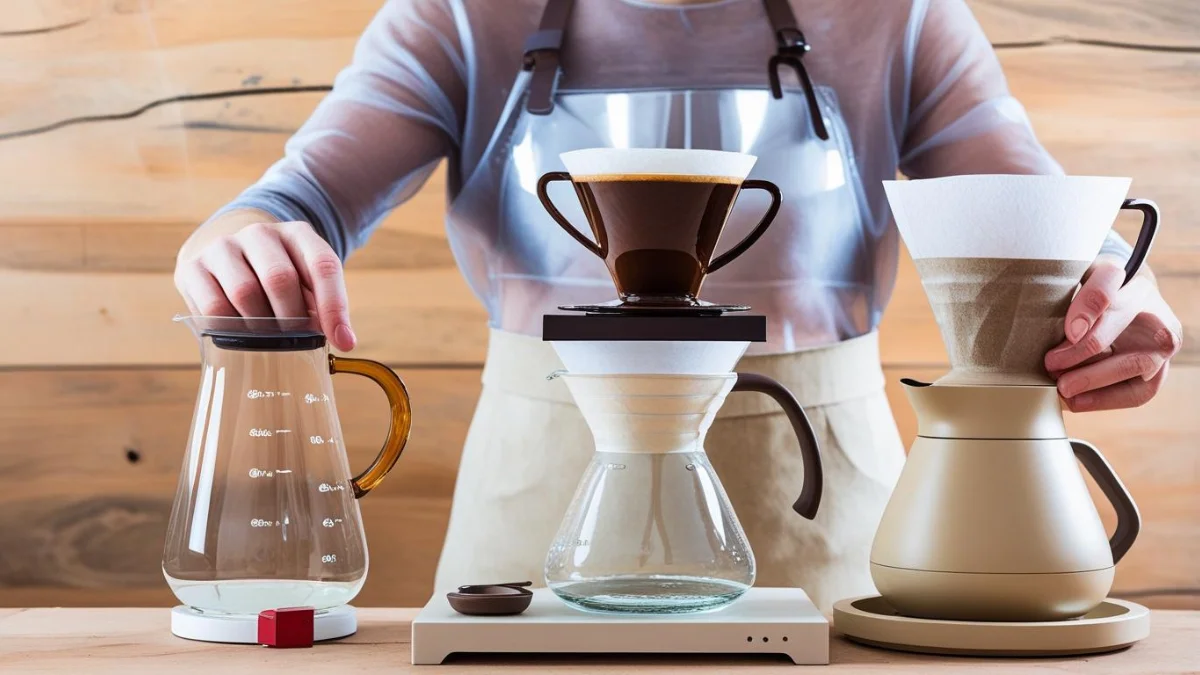
This goes far beyond just choosing "light" or "dark" roast. You select the exact coffee beans, from vibrant single-origin Ethiopian beans with berry notes to rich, dark roasts from Colombia. You can experiment with different brewing methods: the clean clarity of a pour-over, the robust body of a French press, the quick convenience of an AeroPress, or the rich crema of home-pulled espresso. Each method highlights different aspects of the coffee's flavor profile, and you get to be the barista, exploring what you love most.
Furthermore, you control all the additives. If you prefer oat milk, a dash of cinnamon, or just a hint of maple syrup, you can add it precisely to your liking without extra charges or the worry of cross-contamination from shared tools at a cafe. This level of customization ensures that every cup is exactly how you want it, every single time. It transforms your daily coffee from a generic purchase into a personalized, artisanal creation.

Health and Transparency You Can Trust
As Americans become increasingly health-conscious, understanding exactly what goes into our food and drinks is a top priority. Brewing coffee at home offers an unparalleled level of transparency and control over what you consume, safeguarding your health and ensuring purity.
When you prepare coffee at home, you have complete oversight of your ingredients. You choose the specific beans, deciding whether to opt for organic, fair-trade, or locally roasted options. You're also in charge of your water quality, using filtered water that removes impurities and chlorine, which can impact both taste and health. Crucially, you control any additions: the type of milk (dairy, almond, oat), the amount of sweetener (sugar, stevia, honey), and whether to include any syrups or artificial flavorings. This is a stark contrast to many coffee shops, where sweetened drinks can pack a surprising amount of sugar and calories, often without clear nutritional information readily available or easily customizable.
Moreover, home brewing offers peace of mind regarding cleanliness. You know your equipment is regularly cleaned and maintained, preventing the buildup of coffee oils and residues that can harbor bacteria and impart stale flavors. This level of ingredient control and hygienic preparation ensures that every cup you drink is not only delicious but also contributes positively to your overall well-being, aligning with a mindful approach to diet that many Americans now prioritize.

The Joy and Ritual of Home Brewing
Beyond the tangible benefits, there's a unique satisfaction that many Americans find in creating something themselves, especially a daily ritual. Brewing coffee at home transcends a mere act; it becomes a mindful practice, a moment of calm, and a source of quiet joy that enriches your day.
There's a meditative quality to the process: the satisfying whir of the grinder, the gentle pour of hot water, the rising aroma filling your kitchen. It’s an opportunity to slow down, even for a few minutes, before the rush of the day begins. This ritual fosters a sense of accomplishment and a deeper appreciation for the beverage itself. You become connected to the craft, learning about different bean origins, roast levels, and brewing techniques. It transforms you from a consumer into a creator, developing a skill that can be refined and enjoyed for years.
Sharing this experience can also be rewarding. Inviting friends or family to enjoy a cup you've personally brewed, perhaps even explaining the process, adds a personal touch that enhances social connections. The pride in serving a truly excellent cup of coffee you crafted yourself is a unique pleasure, making home brewing a fulfilling part of your lifestyle.

What You Need to Get Started (Simple Steps)
For many folks across the states, the idea of home brewing might seem daunting, but it's simpler than you think to get started. You don't need an elaborate setup or a barista degree to make truly excellent coffee at home. The key is to start with a few fundamental items and master the basics.
To begin, you'll need fresh, whole coffee beans (consider buying from a local roaster or a reputable online supplier). A burr grinder is essential, as it provides a consistent grind size, which is critical for even extraction. While a blade grinder is cheaper, it "chops" beans unevenly, leading to inconsistent results. Next, you'll need a brewer – a simple drip coffee maker, a French press, or a pour-over cone are excellent starting points. Finally, invest in a digital kitchen scale for accurate measurements and good filtered water.
Once you have your essentials, the process is straightforward:
- Heat your filtered water to between 195°F and 205°F.
- Weigh your beans (typically a 1:15 or 1:16 coffee-to-water ratio is a good starting point).
- Grind your beans to the appropriate size for your chosen brewing method (coarse for French press, medium for drip, finer for pour-over).
- Brew! Follow the specific instructions for your chosen method, ensuring proper saturation and extraction time.
- Enjoy your perfectly brewed cup.
Common Misconceptions and Limitations
While the benefits of home brewing are abundant, some common myths or perceived barriers often prevent Americans from taking the plunge. Addressing these can help you overcome initial hesitations and embrace the world of crafting your own perfect cup.
One common misconception is that home brewing is too time-consuming. While some methods like pour-over require more attention, a good automatic drip machine can brew a pot with minimal effort in minutes, often less time than it takes to drive to a coffee shop. Another concern is the initial cost of equipment. While high-end machines can be pricey, excellent entry-level grinders and brewers are surprisingly affordable, often paying for themselves within a few months compared to daily cafe purchases. Finally, some fear a steep learning curve. The truth is, coffee brewing is incredibly forgiving. You can start with simple methods and gradually experiment as your confidence grows. The journey of discovering what you love is part of the fun!
Key Takeaways
- Unrivaled Taste Control: Home brewing allows precise command over bean freshness, grind size, water quality, and temperature for a superior flavor profile.
- Significant Financial Savings: Daily coffee shop purchases add up quickly; home brewing drastically reduces your per-cup cost, saving hundreds, even thousands, annually.
- Personalized Experience: You choose every element, from bean origin and roast to brewing method and additives, tailoring each cup exactly to your preference.
- Enhanced Health & Transparency: Complete control over ingredients ensures you avoid hidden sugars, artificial flavors, and consume pure, freshly prepared coffee.
- Mindful Ritual & Joy: The act of brewing becomes a calming, fulfilling ritual, offering a moment of peace and the satisfaction of creating something yourself.
FAQs
Is it really cheaper to brew coffee at home?
Yes, absolutely. While there's an initial investment in equipment, the cost per cup for home-brewed coffee is significantly lower than buying from a coffee shop. Most estimates suggest you can save anywhere from $2 to $5 per cup, leading to hundreds or even over a thousand dollars in annual savings.
What's the most beginner-friendly brewing method?
For beginners, a drip coffee maker is incredibly easy to use and provides consistent results with minimal effort. The French press is also very forgiving and produces a rich, full-bodied cup, requiring only coarsely ground coffee and hot water.
How do I choose good coffee beans?
Look for whole beans that are freshly roasted (check the roast date on the bag, ideally within 2-3 weeks of purchase). Consider buying from a local roaster or a reputable online source that provides origin information. Experiment with different roast levels (light, medium, dark) and origins (e.g., Ethiopian for fruity notes, Colombian for balanced flavor, Indonesian for earthy tones) to discover what you enjoy most.
Conclusion: Your Best Cup Awaits
Embracing home coffee brewing isn't just about making coffee; it's about reclaiming control, saving money, and elevating a daily ritual into an art form. From the first grind of fresh beans to the final, perfectly tailored sip, the experience of crafting your own cup offers a level of satisfaction, flavor, and financial benefit that ready-made options simply cannot match. For any American coffee lover looking to enhance their morning routine and truly savor their brew, the journey into home brewing promises a rewarding experience. Your best cup of coffee is waiting, and you're the one who gets to create it.