French Press Grind Setting: Perfect Brew Guide
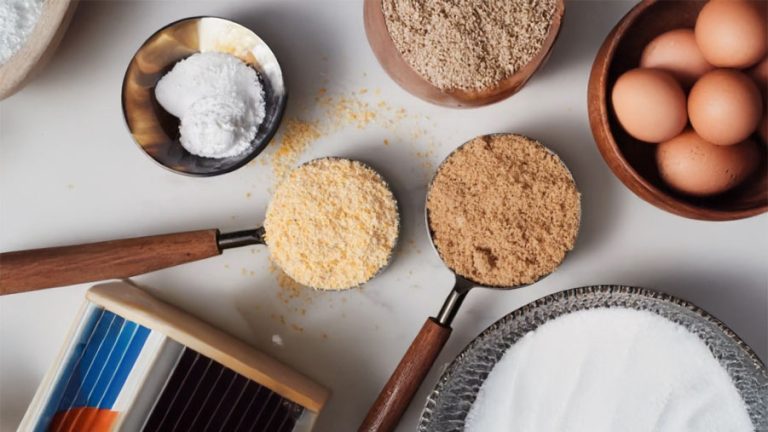
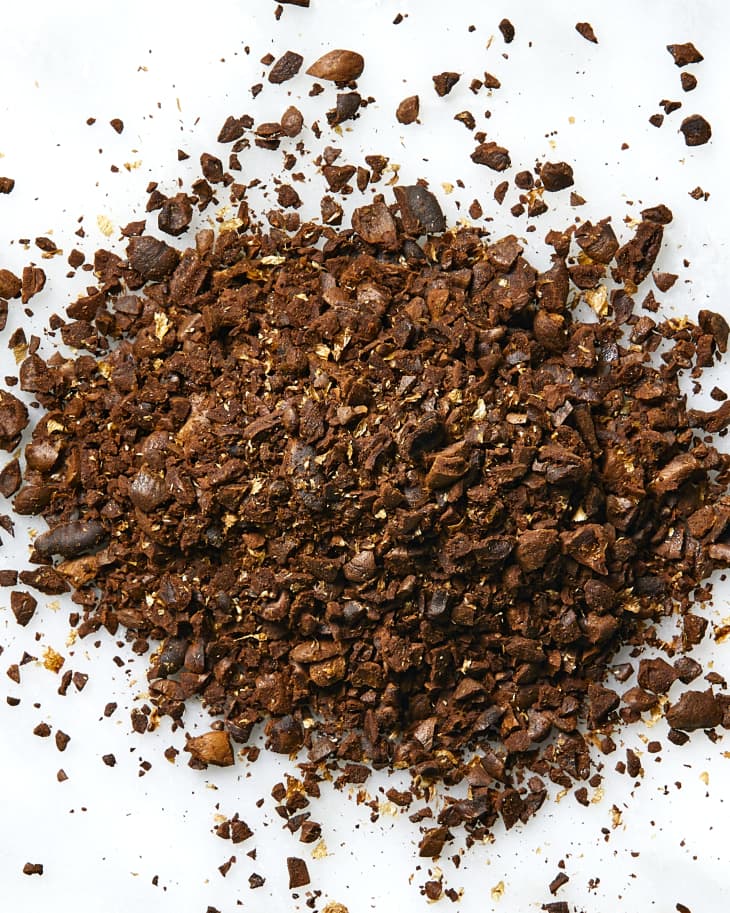
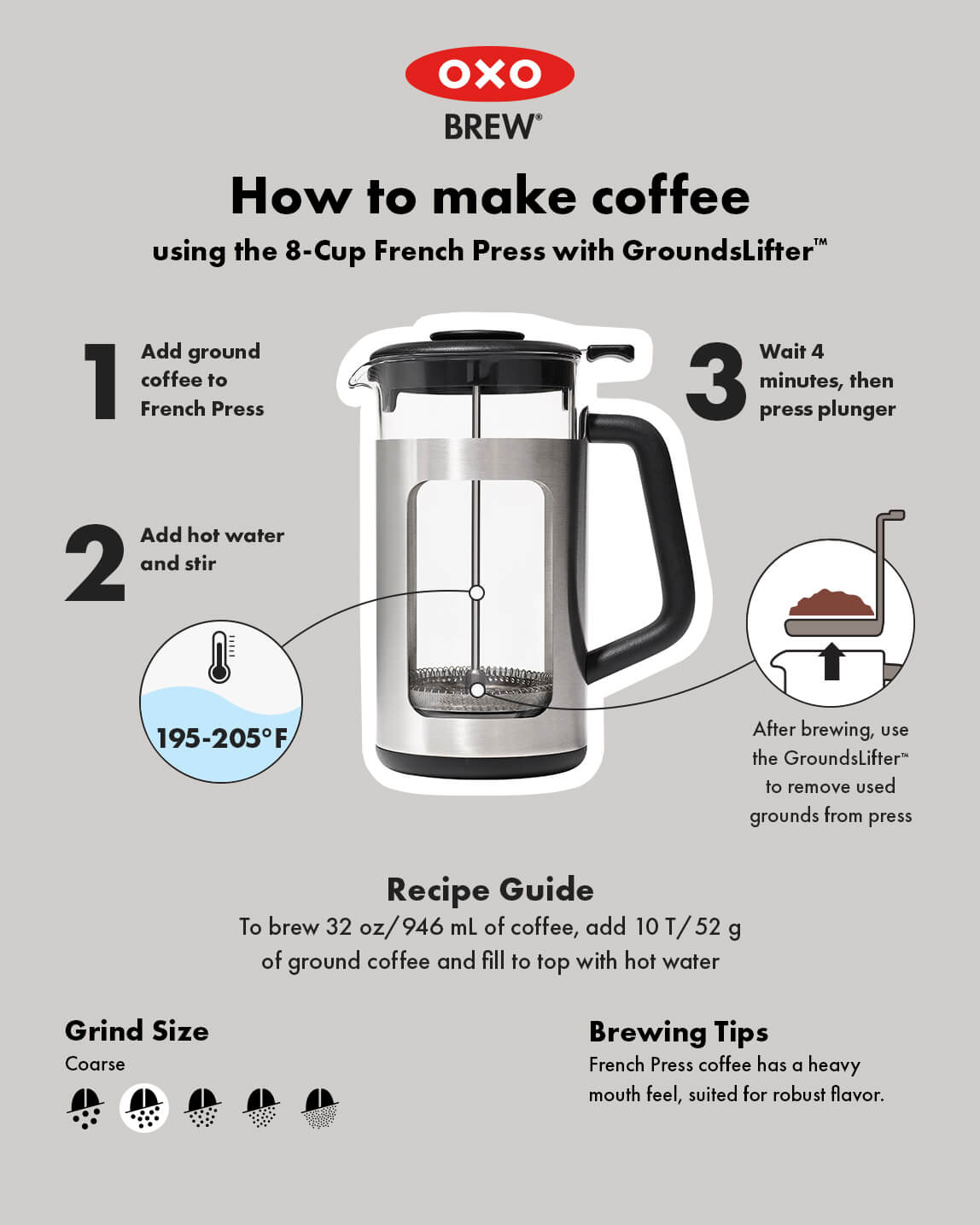
For French press coffee, you need a coarse grind, resembling sea salt or breadcrumbs.
Brewing the perfect cup of French press coffee is a simple pleasure, but many folks stumble at a crucial first step: the coffee grind setting. I've brewed countless cups over the years, experimenting with every variable imaginable, and I can tell you that understanding what grind setting you need for French press coffee is the absolute game-changer. It's not just about preference; it's about science, taste, and avoiding that gritty, over-extracted disappointment. Join me as we dive deep into mastering the French press grind, ensuring your morning cup is always rich, full-bodied, and deliciously clear.

The Gold Standard: Coarse Grind for French Press
When it comes to French press coffee, the magic really happens with a coarse grind. Picture large, distinct particles, similar in size and texture to coarse sea salt or even breadcrumbs. This isn't just a suggestion; it's the foundation for a truly excellent French press brew. A coarse grind is absolutely essential for allowing water to extract the flavors gently without overdoing it.
This particular grind setting prevents over-extraction, which is a common pitfall in French press brewing. Imagine trying to squeeze too much juice from a lemon; you get bitterness. The same principle applies here. The larger particles mean less surface area, which slows down the extraction process, perfectly suiting the longer immersion time typical of a French press. This ensures a clean, full-bodied cup with minimal sediment.
Understanding the "Why": Extraction Science 101
To truly appreciate why a coarse grind is so vital for French press coffee, we need to touch on the basics of coffee extraction. When hot water meets ground coffee, it dissolves soluble compounds – the flavor molecules – from the coffee particles. The rate at which these compounds dissolve is heavily influenced by two main factors: the grind size (which dictates surface area) and the contact time with water.
A finer grind exposes more surface area, allowing for quicker extraction. This is ideal for methods like espresso, where water contact time is very short. However, for a French press, where the coffee steeps for several minutes, a fine grind would extract too quickly, pulling out bitter compounds long before the desired flavors have fully developed. A coarse grind provides the perfect balance, ensuring a slow, controlled release of flavors.

The Perils of a Fine Grind in French Press
Using a grind that's too fine for your French press can lead to several unpleasant outcomes. Firstly, you'll almost certainly end up with over-extracted coffee. This means your cup will taste intensely bitter, perhaps even acrid, lacking the nuanced flavors you expect from a good brew. It's a common mistake, but one that drastically impacts the final taste.
Secondly, a fine grind creates a lot of "fines" – tiny coffee dust particles. These fines easily pass through the French press mesh filter, resulting in a muddy, gritty cup of coffee. Nobody wants a mouthful of coffee grounds! Thirdly, a fine grind makes it incredibly difficult to plunge the filter. The dense bed of fine particles creates significant resistance, making it a struggle to push down, and potentially even squishing the coffee bed and releasing more unwanted bitterness.
When Too Coarse is Also a Problem
While a coarse grind is key, there's also such a thing as too coarse. If your coffee particles are excessively large, looking more like cracked peppercorns than sea salt, you might run into issues with under-extraction. Under-extracted coffee often tastes weak, sour, or even salty, lacking the richness and depth that French press is famous for.
With an overly coarse grind, there isn't enough surface area for the water to fully extract the delicious flavors within the typical French press steep time. You might find your coffee lacking body, feeling thin and unsatisfying on the palate. The goal is a balanced extraction, capturing all the wonderful notes without pulling out the undesirable ones. Finding the perfect grind setting for French press coffee truly is an art.

Achieving the Perfect Grind: Your Grinder Matters
Your choice of grinder plays a massive role in achieving the right grind for French press coffee. For optimal results, a burr grinder is an absolute must. Burr grinders work by crushing coffee beans between two abrasive surfaces, providing a remarkably consistent and uniform grind size. This consistency is critical for even extraction.
Blade grinders, on the other hand, operate more like blenders, chopping the beans with spinning blades. This method creates an inconsistent mix of fine dust and large chunks, which is disastrous for French press. You'll get both over-extraction from the fines and under-extraction from the coarse pieces, leading to a muddled, bitter, and weak brew all at once. Investing in a good burr grinder is one of the best upgrades you can make for your home coffee setup. Adjusting the dial on your burr grinder allows you to precisely control what grind setting you need for French press coffee.

My Personal Journey to French Press Perfection
I still remember my early days of brewing French press coffee. I started with pre-ground coffee, often labeled "drip" or "all-purpose," and wondered why my French press always tasted bitter and sludgy. It was a disheartening experience, to say the least. The plunger would fight me all the way down, and the resulting brew was a muddy mess. I even considered giving up on French press altogether!
It wasn't until a seasoned barista pointed me towards a burr grinder and the importance of a truly coarse grind that everything clicked. The first time I used freshly ground coffee with the correct coarse setting, it was like a revelation. The plunger glided down effortlessly, and the coffee was incredibly clean, rich, and full-bodied. It taught me a valuable lesson: the grind setting isn't just a detail; it's the detail that defines your French press experience. Don't make the same mistakes I did – prioritize getting that grind setting right!

Troubleshooting Your French Press Brew
If your French press coffee isn't tasting quite right, don't despair! It’s all part of the learning curve, and the grind setting is often the first place to look.
- If your coffee tastes bitter or overly strong, with a lot of sediment: Your grind is likely too fine. Try adjusting your grinder to a coarser setting.
- If your coffee tastes weak, sour, or watery: Your grind might be too coarse, or you're under-extracting. Try a slightly finer grind, or ensure your water is hot enough (around 200°F).
- If the plunger is hard to press: This is almost always a sign of a grind that is too fine. The fine particles create too much resistance for the filter.
Remember, brewing coffee is a dance of variables. By understanding what grind setting you need for French press coffee, you gain significant control over the final cup.

Beyond Grind: Other Factors for French Press Success
While the grind setting is paramount, several other elements contribute to an exceptional French press coffee experience. Paying attention to these details will elevate your brew even further.
- Water Temperature: Aim for water just off the boil, ideally between 195°F and 205°F (90°C and 96°C). Too hot, and you risk burning the coffee; too cool, and you'll under-extract.
- Steep Time: A general guideline for French press is 4 minutes. However, this can be adjusted slightly based on your taste preference and the specific beans. Some prefer a shorter 3-minute steep for lighter roasts, while others might go up to 5 minutes for darker, bolder flavors.
- Coffee-to-Water Ratio: A good starting point is a 1:15 ratio, meaning 1 gram of coffee for every 15 grams of water. For example, if you're using 30 grams of coffee, you'll need 450 grams of water. This can be adjusted to your strength preference.
- Bean Quality and Freshness: Even the perfect grind won't save stale or low-quality beans. Always use freshly roasted, whole bean coffee and grind it just before brewing for the best flavor.
Frequently Asked Questions
What happens if my French press grind is too fine?
If your French press grind is too fine, your coffee will likely be over-extracted, resulting in a bitter, acrid taste. You'll also encounter excessive sediment in your cup and difficulty plunging the filter.
Can I use pre-ground coffee for French press?
While technically possible, using pre-ground coffee is generally not recommended for French press. Pre-ground coffee is often too fine, leading to a bitter, sludgy cup, and it stales much faster than whole beans.
How do I know if my grind is coarse enough?
Your grind is likely coarse enough if the particles resemble coarse sea salt or breadcrumbs, and your coffee tastes rich, full-bodied, and clean with minimal sediment. The plunger should also depress with gentle, consistent pressure.
Does water temperature affect grind for French press?
Yes, water temperature indirectly affects the optimal grind for French press. If your water is too cool, you might need a slightly finer grind to aid extraction, but it's generally better to maintain the correct coarse grind and ideal water temperature for best results.
How can I improve my French press coffee's taste?
To improve your French press coffee's taste, focus on a coarse grind, use fresh, quality beans, maintain the correct water temperature (195-205°F), adhere to a good coffee-to-water ratio (e.g., 1:15), and steep for about 4 minutes.
Is a burr grinder necessary for French press?
While not strictly "necessary" to make coffee, a burr grinder is highly recommended for French press. It produces the consistent, coarse grind required for optimal extraction, ensuring a cleaner, more flavorful, and less sludgy cup than what a blade grinder can provide.
Conclusion
Mastering what grind setting you need for French press coffee is arguably the most crucial step toward brewing an exceptional cup every time. By opting for a consistent, coarse grind—like sea salt or breadcrumbs—you unlock the full potential of your beans, preventing bitterness and sediment while ensuring a rich, full-bodied brew. This understanding transforms your daily coffee ritual from a hit-or-miss affair into a consistently delightful experience.
So, don't hesitate to experiment with your grinder. Fine-tune that setting, pay attention to the feel of the plunger, and most importantly, trust your taste buds. The journey to the perfect cup is an enjoyable one. What small adjustment will you make to your French press routine today to elevate your coffee experience? Share your favorite French press tips or questions in the comments below!