Grind Coffee By Weight: Master Precision Brewing
Grinding coffee by weight instead of time ensures unparalleled consistency in your brew, leading to a significantly better-tasting cup every single time.
Have you ever wondered why your morning coffee tastes incredible one day and just "meh" the next, even when you're using the same beans and brewer? The secret to unlocking truly consistent, delicious coffee lies in ditching the guesswork and embracing precision. As someone who has spent years exploring the nuances of coffee brewing, I've seen firsthand the transformative power of a small shift in approach. Moving from grinding coffee by time to grinding by weight isn't just a minor adjustment; it's a fundamental change that elevates your entire coffee experience, bringing a level of control and flavor extraction you might not have thought possible at home. Let's dive into how this simple yet profound technique can revolutionize your daily brew.

Why Grind Coffee by Weight? The Case for Precision
For many home brewers, the default method for preparing coffee grounds is to set a timer on their grinder or simply eyeball a scoop. While convenient, this approach introduces significant variables that can wreak havoc on your final cup. Bean density can fluctuate from batch to batch, and even within the same bag, meaning that a 10-second grind time might yield 20 grams of coffee today and only 18 grams tomorrow. This inconsistency in coffee dose directly impacts extraction, making it nearly impossible to replicate a great cup.
I remember my early days of brewing, constantly frustrated by the unpredictable results. Some mornings, my pour-over was bright and sweet; others, it was weak and sour. It felt like I was chasing a moving target. The moment I started to grind coffee by weight, everything changed. By precisely measuring my coffee dose in grams, I eliminated a major variable, allowing me to fine-tune other aspects like grind size and water temperature with confidence. This shift isn't just about being meticulous; it's about achieving optimal flavor extraction consistently, ensuring every bean contributes its full potential to your morning ritual. It’s about respect for the coffee itself and the craft of brewing.

Understanding the Tools: What You'll Need
Transitioning to weight-based grinding requires a couple of essential tools that will become your best friends in the quest for perfect coffee. These aren't just gadgets; they are foundational elements for achieving the precision we're talking about.
A Quality Coffee Scale
The star of the show for grinding coffee by weight is a reliable digital scale. You'll want one that measures in grams and has a precision of at least 0.1 gram. Many excellent coffee scales are available, often with built-in timers, which can be super handy for brewing as well. The key features to look for are accuracy, responsiveness (how quickly it registers weight changes), and a tare function, which allows you to zero out the weight of your container. This small investment pays dividends in consistency and flavor. I personally found that upgrading from a kitchen scale to a dedicated coffee scale made a noticeable difference in my ability to hit precise weights without fuss.
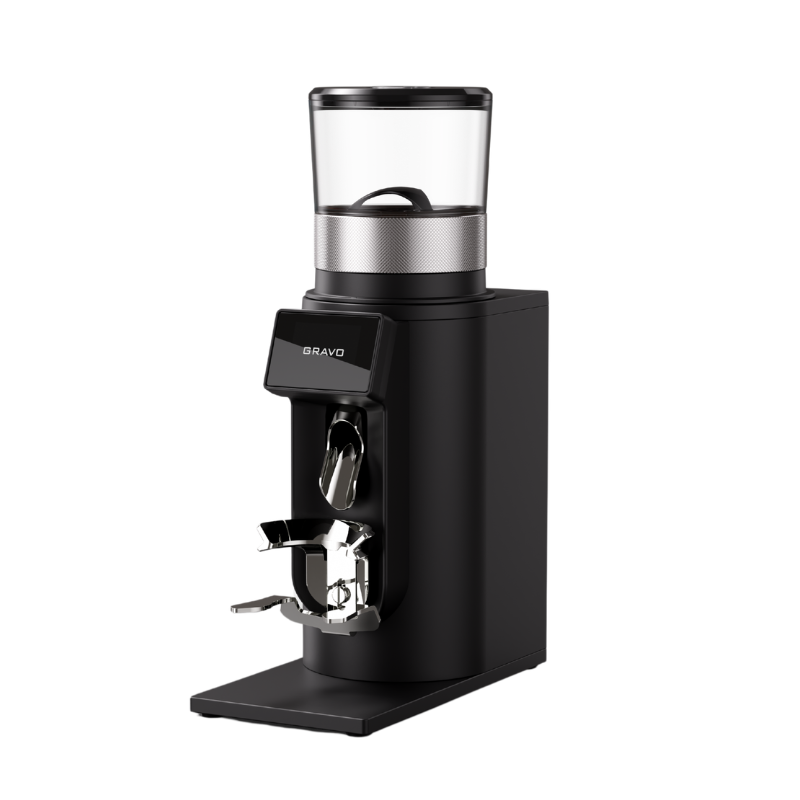
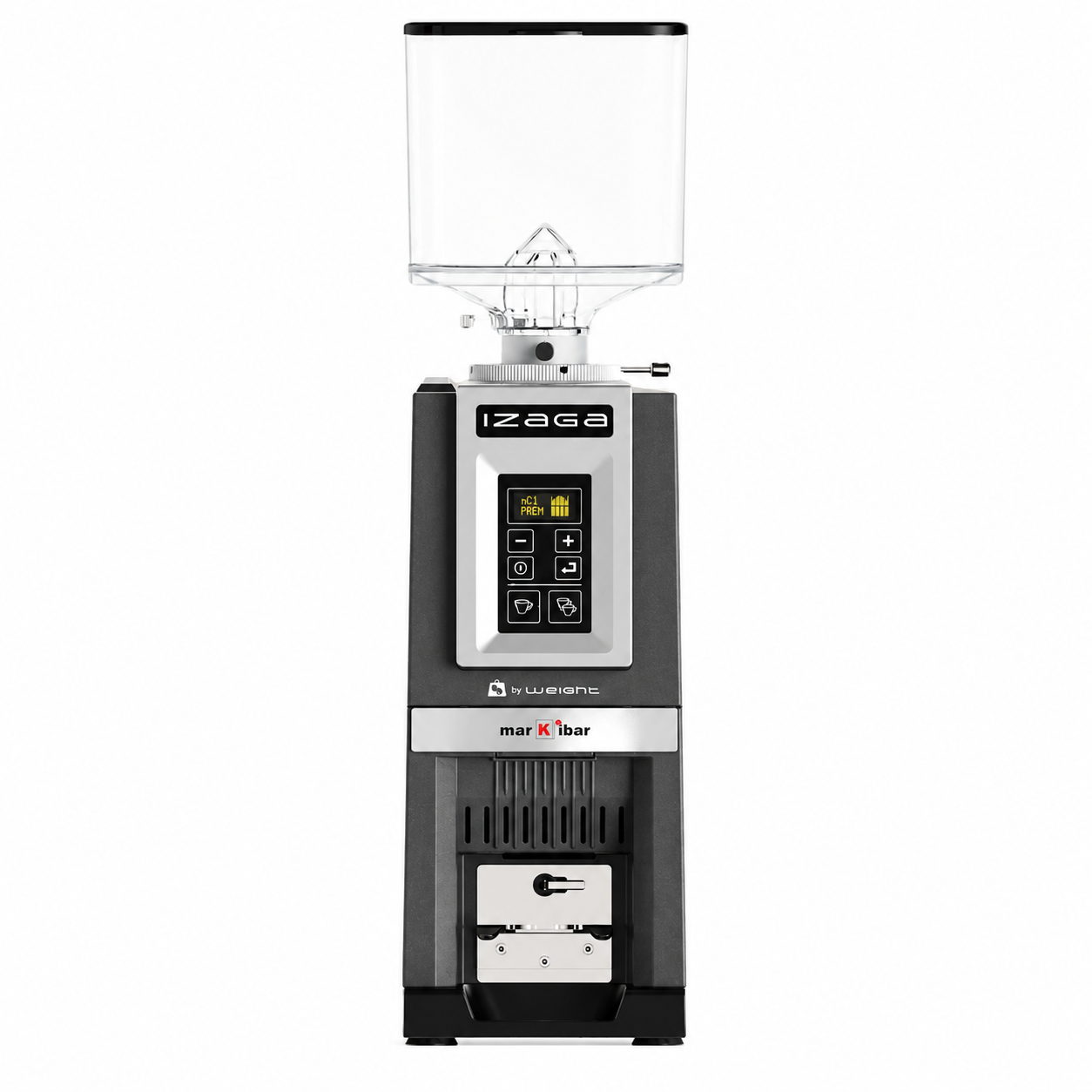
A Good Burr grinder
while any grinder can technically be used, a quality burr grinder is crucial for achieving an even particle size. Blade grinders, which essentially chop coffee beans, produce an inconsistent mix of fine dust and large chunks. This leads to uneven extraction, where some particles over-extract (making your coffee bitter) and others under-extract (making it sour). A burr grinder, on the other hand, crushes the beans between two abrasive surfaces, resulting in a uniform grind. This uniformity is vital because even if you grind coffee by weight, an inconsistent grind size will still undermine your efforts at optimal extraction. Think of your grinder as the foundation of your brew; a solid foundation makes everything else stand strong.

The Step-by-Step Guide to Grinding by Weight
Ready to dive in? Here’s a simple, step-by-step guide to consistently grind coffee by weight, ensuring every cup is as good as the last. This process might seem like an extra step at first, but it quickly becomes second nature, and the rewards are well worth it.
Step 1: Determine Your Desired Ratio
Before you even touch your beans, decide on your coffee-to-water ratio. This is usually expressed as a ratio of grams of coffee to grams of water (e.g., 1:15, 1:16, 1:17). A common starting point for drip or pour-over coffee is 1:16, meaning for every 1 gram of coffee, you'll use 16 grams of water. For example, if you want to brew 320 grams of coffee, you'll need 20 grams of coffee beans (320 ÷ 16 = 20). Understanding your ratio is the foundation of precise brewing.
Step 2: Weigh Your Whole Beans
Place your empty grinder hopper or a small container on your digital scale and hit the tare button to zero it out. Then, add your whole coffee beans until you reach your target weight. If your target is 20 grams, carefully pour beans until the scale reads exactly 20.0 grams. This ensures you're starting with the precise amount of coffee you intend to brew. I like to keep my beans in an airtight container next to my scale, making this step quick and easy each morning.
Step 3: Grind to Your Target Weight
Transfer the weighed beans into your burr grinder. If your grinder has a dosing cup or container, place it back on your scale and tare it. Now, start grinding. Many grinders have a "pulse" function or a short timer setting. Instead of relying on a pre-set time, grind a portion of your beans, then stop and check the weight of the grounds in your dosing cup. Continue grinding in small bursts, checking the weight each time, until you hit your target. If you slightly overshoot, it's usually better to just use that slightly higher weight and adjust your water accordingly, rather than trying to remove grounds. The goal is to get as close as possible without excessive handling.
Step 4: Transfer and Brew
Once you've achieved your desired coffee ground weight, transfer them to your brewing device. Since you've already weighed your grounds, you can proceed directly to heating your water and brewing with confidence, knowing that your coffee dose is perfectly consistent. This method ensures that the only variables left to tweak are grind size and water temperature, making the path to perfect coffee much clearer.

Troubleshooting and Fine-Tuning Your Grind by Weight
Even with the best intentions, you might encounter a few quirks when you start to grind coffee by weight. Don't worry, these are common, and easily managed with a little practice and understanding.
What if I Overshoot or Undershoot?
It happens! If you grind a little too much coffee, don't sweat it. It's often better to just use that slightly increased amount and adjust your water volume accordingly to maintain your desired coffee-to-water ratio. For example, if you aimed for 20g of coffee but ended up with 21g, adjust your water from 320g to 336g (21g x 16). Trying to scoop out a tiny bit of ground coffee can be messy and lead to more inconsistencies. If you consistently overshoot, try grinding in shorter pulses or adjust your grinder's timer down slightly if it has one. If you undershoot, just add a few more whole beans to your grinder, grind them, and add to your existing grounds until you hit your target.
Grinder Retention Explained
Grinder retention refers to the amount of ground coffee that gets stuck in your grinder after you've finished grinding. Some grinders retain more than others. This means that if you weigh 20g of whole beans, you might only get 19g of ground coffee out. This is a crucial factor when you grind coffee by weight. To combat this, some enthusiasts "purge" their grinder by grinding a small amount of old beans before their main dose. Another common practice is to lightly tap the grinder or use a small brush to dislodge any retained grounds. Over time, you'll learn your grinder's personality and retention rate, allowing you to account for it by initially weighing out a slightly larger amount of whole beans.
Adjusting for Different Brew Methods
The beauty of precision when you grind coffee by weight is that it's universally beneficial, no matter your brewing method. Whether you're making espresso, a pour-over, or a French press, the principle remains the same: a consistent dose of coffee is paramount. For espresso, the precise weight of the coffee grounds (your "dose") is absolutely critical for dialing in shots. For pour-overs, consistency ensures you can accurately adjust grind size and pour rate without worrying about dose variability. Even for French press, weighing your coffee will lead to a more repeatable and enjoyable cup. While the grind size and coffee-to-water ratio might change for each method, the act of grinding coffee by weight provides a stable foundation across the board.
The Benefits Beyond the Cup: Why Weight Wins
Switching to grinding coffee by weight offers advantages that extend far beyond simply having a good cup each morning. It's about empowering you to take control of your coffee experience and truly understand what makes a great brew.
Unparalleled Consistency
This is the most immediate and impactful benefit. When you grind coffee by weight, you eliminate the biggest variable in home brewing. No more guessing, no more relying on inconsistent scoops or vague timers. Every single time you brew, you'll start with the exact same amount of coffee, allowing you to reliably replicate delicious results. It means your morning ritual becomes a source of consistent pleasure, not a roll of the dice.
Optimal Flavor Extraction
Coffee flavor is a delicate balance, and precise dosing is key to achieving optimal extraction. When you grind coffee by weight, you ensure that the correct amount of coffee interacts with the water for the right amount of time. Too little coffee, and your brew will be under-extracted, weak, and sour. Too much, and it will be over-extracted, bitter, and harsh. By controlling the dose with precision, you create the ideal conditions for drawing out all the wonderful flavors and aromas locked within your beans.
Reduced Coffee Waste
How many times have you made a batch of coffee that just wasn't right? Maybe you dumped it out, or maybe you powered through a subpar cup. When you grind coffee by weight, you significantly reduce the chances of these wasted brews. Because you're consistent, you're learning and refining, not just guessing. This not only saves you money on beans but also ensures you're always enjoying the coffee you've invested in.
Smarter Coffee Buying
Understanding how much coffee you use by weight helps you become a smarter consumer. You'll know exactly how long a bag of beans will last, allowing you to plan your purchases better and avoid running out or buying too much. It also helps you appreciate the true cost of your coffee and encourages you to invest in quality beans, knowing you'll get the most out of every gram. It’s about building a sustainable and enjoyable coffee habit.
Frequently Asked Questions
Why is weighing coffee more accurate than using scoops?
Scoops measure by volume, which can vary widely depending on bean density, roast level, and even how tightly packed the beans are. Weighing by grams offers a precise, consistent measurement of mass, eliminating these variables for a reproducible dose.
What's the ideal coffee-to-water ratio for home brewing?
A widely accepted starting point for home brewing is a 1:16 ratio (1 gram of coffee to 16 grams of water), but ratios can range from 1:15 to 1:18 based on personal preference and brewing method. Experiment to find what tastes best to you.
Can I grind coffee by weight with any grinder?
Yes, you can grind coffee by weight with any grinder. However, a burr grinder is highly recommended because it produces a consistent particle size, which is essential for optimal flavor extraction, regardless of how accurately you weigh your dose.
How does grind size relate to grinding by weight?
Grind size and weight are both critical variables. Grinding by weight ensures you have the correct amount of coffee, while grind size determines the surface area available for extraction. Both must be dialed in together for a balanced brew.
Is it worth investing in a good coffee scale?
Absolutely. A good digital coffee scale with 0.1-gram precision is a relatively inexpensive tool that offers a monumental improvement in brewing consistency and flavor, quickly becoming one of the most valuable items in a coffee enthusiast's arsenal.
Conclusion
Shifting from grinding coffee by time to grinding by weight is one of the most impactful changes you can make to elevate your home brewing. It's not about being overly fussy; it's about embracing a simple technique that delivers consistent, delicious results every single time. By understanding your coffee-to-water ratio, using a precise scale, and making small adjustments, you unlock a world of flavor and control.
I encourage you to give it a try. Invest in a good coffee scale, experiment with your ratios, and feel the satisfaction of brewing consistently excellent coffee. You'll not only taste the difference in your cup but also gain a deeper appreciation for the craft of coffee making. Share your experiences in the comments below or explore more of our guides to continue your journey toward coffee perfection!