Can You Drink Expired Instant Coffee?: Shelf Life Explained
You can generally drink expired instant coffee without major health risks, but its quality, flavor, and aroma will significantly degrade over time.
It’s a common scenario: you unearth a forgotten jar of instant coffee from the back of your pantry, seeing a “best by” date that’s long past. Immediately, the question pops into your head: Can you drink expired instant coffee? While food safety is always paramount, understanding the nuances of instant coffee’s shelf life can save you from unnecessary waste and help you enjoy your beloved caffeine fix safely. As someone who’s brewed countless cups and explored the ins and outs of coffee preservation, I’m here to guide you through what those dates really mean, the potential risks, and how to keep your instant coffee fresh for as long as possible.

Understanding Instant Coffee’s Shelf Life
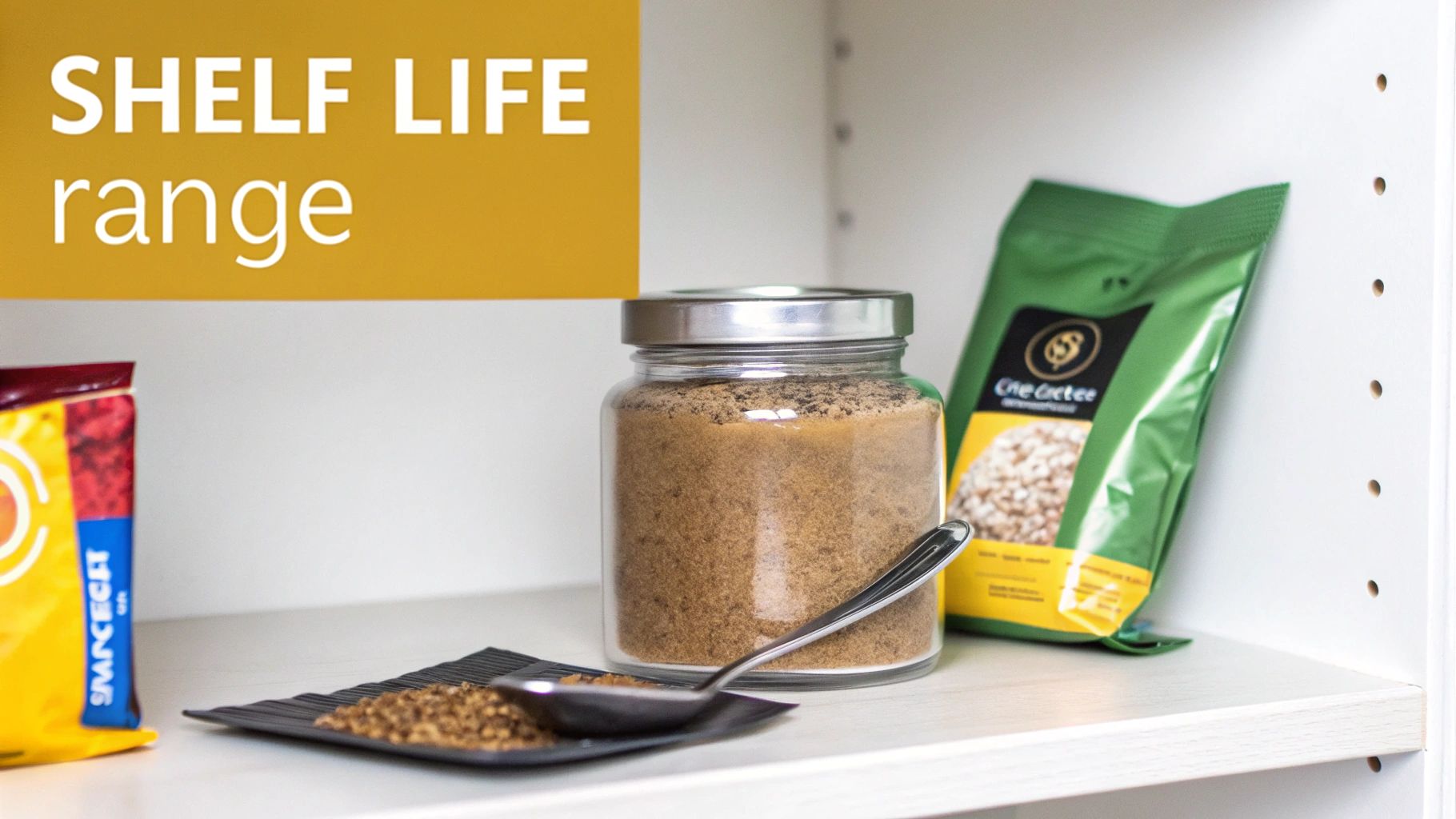
Instant coffee is a fantastic pantry staple, prized for its convenience and long shelf life. Unlike fresh coffee beans or ground coffee, which begin to lose their freshness almost immediately after roasting, instant coffee undergoes a unique processing method that grants it remarkable longevity. Essentially, instant coffee is brewed coffee that has been dehydrated, either through spray-drying or freeze-drying, into soluble crystals or powder. This process removes the moisture, which is a primary factor in spoilage for most food items, thereby greatly extending its usability.
When you’re wondering, “Can you drink expired instant coffee?” it’s crucial to remember that its stability is largely due to this lack of moisture. Because there’s no water for microbes to thrive in, properly stored instant coffee is unlikely to grow mold or harmful bacteria. However, this doesn’t mean it lasts forever without any change. The quality of the coffee, its flavor, and its aroma are still susceptible to degradation over time, even if it remains safe to consume.
Best By vs. Expiration Dates: What They Mean for Instant Coffee
One of the biggest misconceptions when considering if you can drink expired instant coffee lies in understanding the difference between “best by” and “expiration” dates. These terms are often used interchangeably, but they have distinct meanings, especially when it comes to non-perishable goods like instant coffee.
A “best by” or “best if used by” date is a quality indicator. It tells you when the product is expected to be at its peak freshness, flavor, or quality. After this date, the food might not taste as good, but it’s generally still safe to consume. For instant coffee, surpassing the “best by” date usually means a noticeable decline in taste and aroma, not a food safety hazard. On the other hand, an “expiration date” (or “use by” date) is more about food safety. It’s typically found on highly perishable items like dairy or meat, indicating when the product is no longer safe to eat. Instant coffee rarely carries a true expiration date because it’s not a food that spoils in the same way. So, if you’re asking, “Can you drink expired instant coffee?” and you see a “best by” date, the answer is usually yes, with a caveat for quality.
Source: cartographcoffee.com
The Real Risks of Expired Instant coffee
while the primary concern with expired instant coffee isn’t typically severe health risks, there are still aspects to consider. The main issue revolves around diminished quality. Just like that box of crackers that’s been open too long, instant coffee loses its vibrant flavor and robust aroma over time. The delicate compounds that give coffee its characteristic taste begin to oxidize and break down, leading to a flat, stale, or even slightly acrid flavor profile. When I once brewed a cup from a jar I found from a few years back, the taste was surprisingly bland and had lost all its rich notes, which was a real disappointment.
In very rare cases, if instant coffee has been exposed to moisture, it could potentially develop mold. This is why proper storage is so critical. If you see any visible mold, discoloration, or a strange smell, it’s a clear sign that the coffee is compromised and should be discarded. However, this is quite uncommon for instant coffee that has been kept sealed and dry. So, for the most part, the risk isn’t about getting sick from drinking expired instant coffee, but rather being underwhelmed by a lackluster cup.
Source: yourhealthier.com
How to Tell if Your Instant Coffee Has Gone Bad
Determining if your instant coffee is past its prime mostly comes down to sensory checks. Since instant coffee doesn’t typically “expire” in a way that makes it dangerous, you’re looking for signs of quality degradation or, in rare cases, spoilage due to moisture exposure.
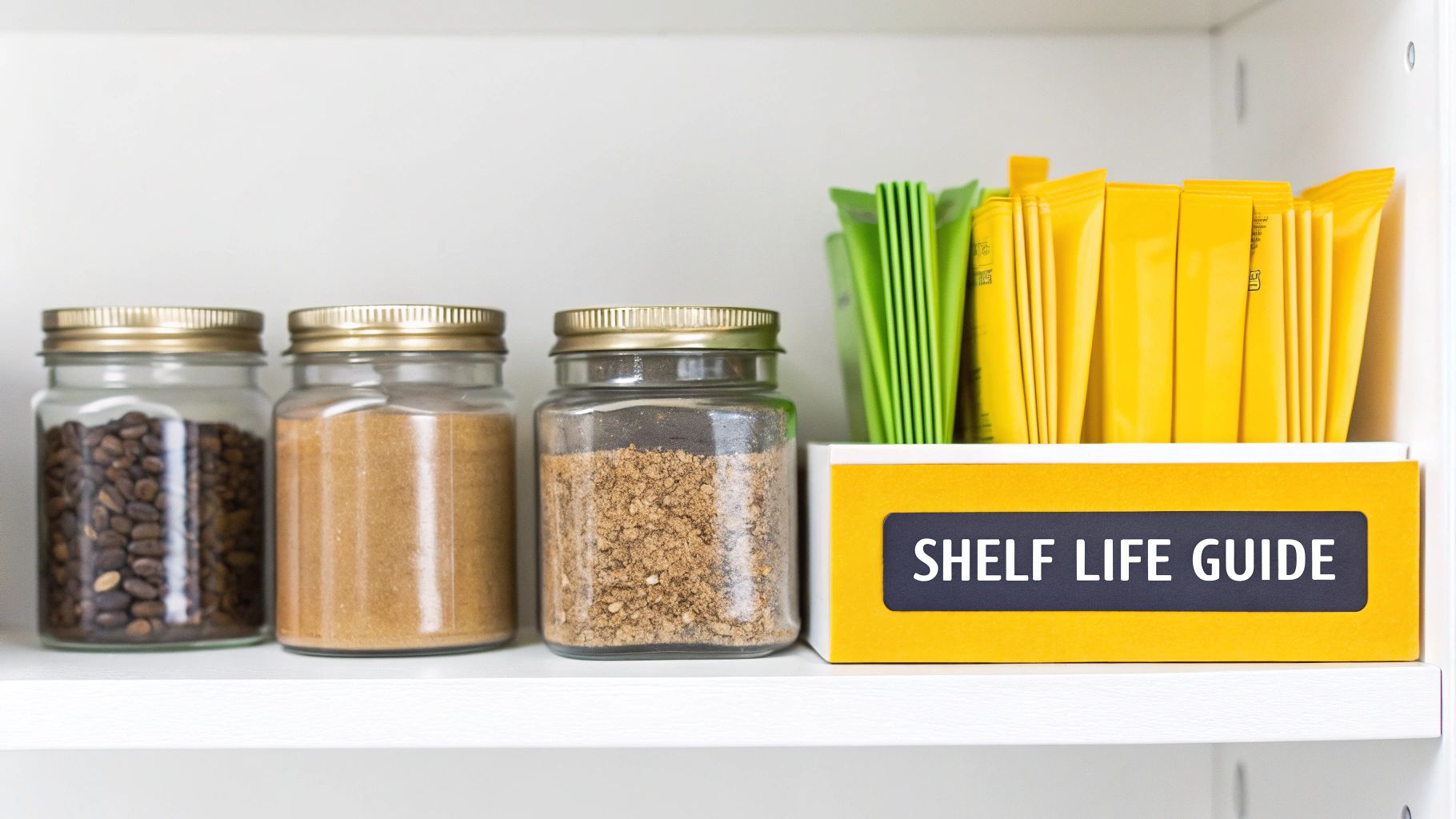
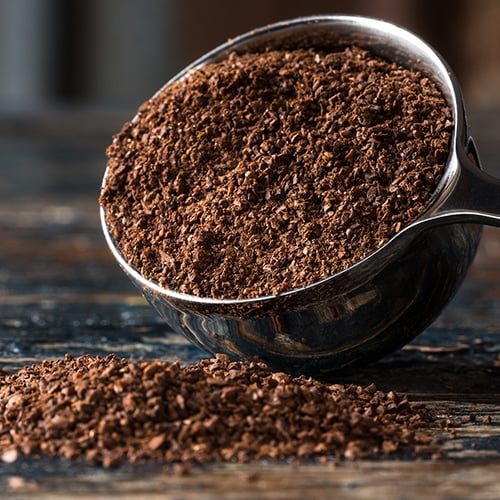
- Visual Inspection: First, take a good look at the coffee crystals or powder. They should have a consistent color and texture. If you notice any clumping that can’t be easily broken up, or if there’s visible mold (fuzzy spots, unusual colors), it’s definitely time to toss it. Also, if the coffee has changed color significantly, becoming much lighter or darker than usual, it might indicate oxidation.
- Smell Test: This is often the most telling sign. Fresh instant coffee has a distinct, often robust aroma. If your coffee smells flat, musty, or has no discernible coffee scent at all, its flavor has likely degraded. Any sour, chemical, or truly unpleasant odor is a red flag, suggesting it may have absorbed other pantry smells or been exposed to moisture.
- Taste Test (Optional): If the visual and smell tests pass, you can try a small taste. Brew a tiny amount. If it tastes stale, weak, or just “off,” you’ll know the quality has diminished. While generally safe, if the taste is truly foul, don’t force yourself to drink it.
When faced with the question, “Can you drink expired instant coffee?” trust your senses. If it looks fine, smells like coffee, but perhaps just a little weaker, it’s probably safe but won’t offer the best coffee experience.
Source: cartographcoffee.com
Proper Storage for Maximum Freshness
Extending the life of your instant coffee and ensuring it stays at its best quality is all about smart storage. The goal is to protect it from the elements that cause degradation: air, moisture, light, and heat. When I first started brewing, I just left my instant coffee jar on the counter, only to find it quickly losing its zest. I learned the hard way that a little effort in storage makes a huge difference.
- Airtight Containers are Key: The most crucial step is to store your instant coffee in an airtight container. This prevents air and moisture from getting in, which are the primary culprits behind staleness and clumping. Original jars are often okay, but supplementary airtight canisters made of ceramic, opaque glass, or stainless steel are even better.
- Cool, Dark Place: Keep your instant coffee away from direct sunlight and heat sources. A pantry, cupboard, or kitchen cabinet is ideal. Heat can accelerate the breakdown of coffee compounds, and light can also contribute to degradation.
- Avoid the Refrigerator: Surprisingly, storing instant coffee in the refrigerator is often not recommended. The temperature fluctuations and high humidity inside a fridge can cause condensation, introducing moisture to the coffee and potentially leading to clumping or mold growth. It’s counter-intuitive for some, but a cool, dry pantry is superior.
By following these simple storage tips, you can significantly extend how long your instant coffee maintains its quality, making the question “Can you drink expired instant coffee?” less about safety and more about peak enjoyment.
Source: webstaurantstore.com
Extending Instant Coffee’s Shelf Life Further
While proper pantry storage is excellent for daily use, there are ways to extend your instant coffee’s shelf life even further, especially if you buy in bulk or want to preserve it for an extended period. This can be particularly useful for long-term food storage or if you rarely use instant coffee but want it on hand.
The freezer is an instant coffee’s best friend for maximum longevity. When asking, “Can you drink expired instant coffee?” the answer becomes a more resounding “yes” if it’s been frozen. Freezing significantly slows down the chemical reactions that lead to quality degradation. To do this effectively:
- Airtight and Moisture-Proof: Transfer your instant coffee into a heavy-duty, airtight freezer bag or an opaque, freezer-safe container. Vacuum-sealing is even better if you have the equipment. This is paramount to protect it from freezer burn and absorbing odors from other foods.
- Portion Control: If you use instant coffee infrequently, consider dividing it into smaller, single-serving or weekly-use portions before freezing. This way, you only expose a small amount to air and temperature changes when you retrieve it.
- Thawing and Re-sealing: When you need some, take out the desired amount and let it come to room temperature before opening the container. This prevents condensation from forming on the coffee, which can introduce moisture. Reseal the container immediately and return it to the freezer.
Properly frozen instant coffee can maintain its optimal quality for up to two years past its “best by” date, making it a powerful tool in your kitchen for reducing waste and always having a decent cup on hand.
Source: samrinc.com
Frequently Asked Questions of Can You Drink Expired Instant Coffee? A Guide to Shelf Life
How long does instant coffee typically last?
Unopened, instant coffee can last for 2-20 years past its “best by” date if stored correctly due to its low moisture content. Once opened, it’s generally best used within 1-2 years for optimal quality, although it remains safe to consume longer.
Will expired instant coffee make you sick?
Generally, no. Instant coffee is a low-moisture product, which means it’s highly unlikely to grow harmful bacteria or mold if stored properly. The primary consequence of drinking expired instant coffee is a decline in flavor and aroma, not food poisoning.
What does expired instant coffee taste like?
Expired instant coffee typically tastes stale, flat, or weaker than fresh coffee. It may also have a slightly bitter or cardboard-like flavor because the aromatic compounds have oxidized and broken down over time.
Can you store instant coffee in the refrigerator?
It’s generally not recommended to store instant coffee in the refrigerator. The fridge’s humidity and temperature fluctuations can introduce moisture, leading to clumping and potentially reducing the coffee’s quality faster.
Is it safe to use instant coffee that has clumped together?
If the clumping is due to moisture but there are no signs of mold or a foul smell, the coffee is likely safe to consume, though its quality will be degraded. If the clumps are hard and cannot be broken up, or if there’s any visible mold, it’s best to discard it.
Conclusion
So, can you drink expired instant coffee? The clear answer is yes, in most cases, without any significant health risks. While it might not deliver that rich, invigorating flavor you crave, a “best by” date is primarily a guide for peak quality, not a hard stop for safety. Instant coffee’s unique processing gives it a remarkable resilience, often lasting years beyond its labeled date. Remember, the key is always proper storage—keeping it airtight, cool, and dry will ensure your instant coffee stays as fresh as possible for as long as possible.
Don’t let a past date intimidate you. Trust your senses: if it looks and smells good, it’s probably fine to brew. Embrace smart storage practices to make the most of your instant coffee, and next time you find an old jar, you’ll know exactly how to assess its fate. Share your own experiences with expired instant coffee in the comments below, or explore our other guides for more coffee wisdom!