
Coffee Concentrates vs Instant Coffee: Why Concentrates Are Growing
Coffee concentrates are rapidly gaining ground over traditional instant coffee due to their remarkably superior taste, unparalleled convenience, and greater versatility.
As someone who’s spent countless mornings brewing, tasting, and even crafting coffee, I’ve seen firsthand how the coffee landscape is constantly evolving. Today, we’re witnessing a fascinating shift: the humble instant coffee, a long-time staple for quick caffeine fixes, is increasingly being challenged by a more sophisticated contender – coffee concentrates. This isn’t just a fleeting trend; it’s a testament to innovation meeting modern demands for quality and convenience. Join me as we explore why coffee concentrates are stepping into the spotlight and why they might just become your new favorite brew, fundamentally reshaping our understanding of what a quick cup can be.
Understanding Coffee Concentrates and Traditional Instant Coffee
To truly appreciate the rise of coffee concentrates, it’s essential to understand what sets them apart from their instant predecessors. Traditional instant coffee is made by brewing a large batch of coffee, then either spray-drying or freeze-drying the liquid until only soluble coffee solids remain. This process, while incredibly efficient for creating a shelf-stable product, often involves high heat that can strip away delicate aromas and flavors, leading to that characteristic “instant” taste some find lacking.
Coffee concentrates, on the other hand, are a different beast entirely. They are typically made by brewing coffee with specialized methods, often cold brewing or a carefully controlled hot brewing process, and then extracting and reducing the liquid to a highly concentrated form. This gentle extraction and concentration usually happen at lower temperatures or with less aggressive processing, which means more of the original coffee’s complex flavor profile and aromatic compounds are preserved. Think of it like reducing a sauce to intensify its flavor; coffee concentrates are the essence of a great brew, ready to be rehydrated. The fundamental difference in their creation is a huge part of why coffee concentrates deliver such a different, and often superior, experience.
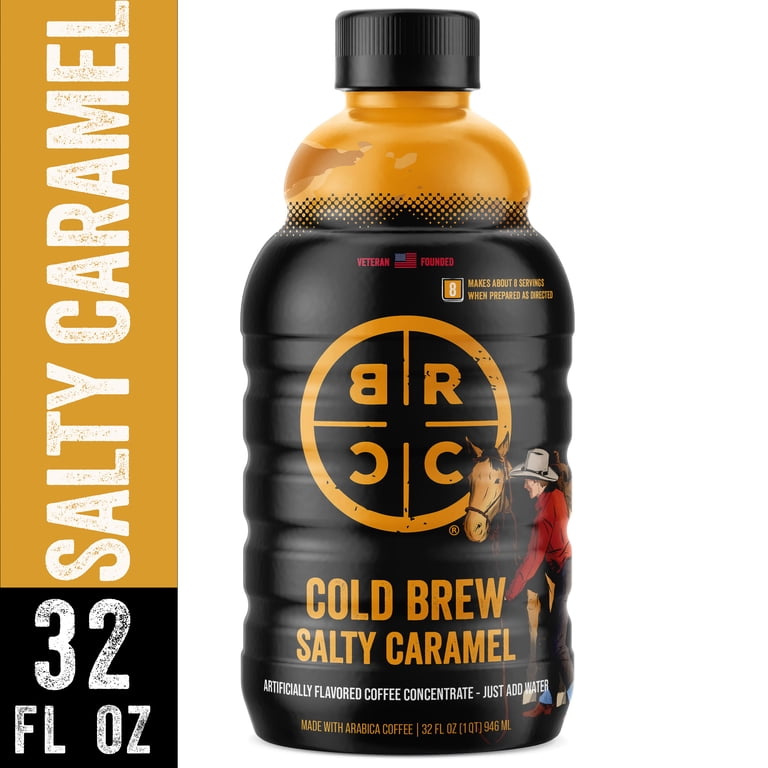
Source: walmart.com
The Superior Taste Experience: A Game Changer
When it comes to coffee, taste is king, and this is where coffee concentrates truly shine. Traditional instant coffee often carries a reputation for being bitter, thin, or having a somewhat “burnt” or artificial aftertaste. This is largely due to the intense processing methods that can degrade the coffee’s natural oils and volatile compounds. I remember my first time trying a high-quality coffee concentrate; it was a revelation. I was expecting the usual instant coffee experience, but what I got was a rich, smooth, and surprisingly nuanced cup that tasted remarkably close to a fresh brew.
Why does coffee concentrate taste more like freshly brewed coffee? The answer lies in their production. By using gentler extraction methods, often akin to cold brewing, and minimizing heat during the concentration process, coffee concentrates preserve more of the natural acidity, sweetness, and distinct varietal notes found in specialty coffee beans. This means you get a fuller body, a more aromatic experience, and a cleaner finish without that tell-tale instant coffee bitterness. Many brands are now using high-quality single-origin or ethically sourced beans for their coffee concentrates, further elevating the flavor profile and offering a true specialty coffee experience right from your pantry.

Source: amazon.com
Unmatched Convenience and Versatility
Beyond taste, the sheer convenience and versatility of coffee concentrates are powerful motivators for their growing popularity. In today’s fast-paced world, time is a precious commodity, and while a traditional drip brew or espresso machine offers a ritual, sometimes you just need a great cup now. Coffee concentrates deliver on this perfectly. Forget waiting for water to boil, grinding beans, or dealing with filters; with coffee concentrates, you simply add a small amount to hot or cold water or milk, stir, and you’re done. It’s literally seconds from craving to sipping.
Can I use coffee concentrate for cold brew? Absolutely! Many coffee concentrates are designed to be instantly mixed with cold water or milk, making them perfect for quick cold brews and iced beverages. This is where their versatility truly comes into its own. I’ve personally used coffee concentrates for everything from quick morning lattes, both hot and iced, to making coffee-flavored cocktails for guests. They’re fantastic for baking too, adding a rich coffee depth to brownies or cakes without diluting the batter. Their compact size also makes them highly portable, ideal for travel, camping, or keeping at the office without needing bulky equipment. This ease of use across various applications makes coffee concentrates an incredibly appealing option for diverse lifestyles.

Source: prestocoffee.com
Beyond the Basics: Purity and Health Considerations
For many conscious consumers, understanding what goes into their food and drink is paramount. This is another area where coffee concentrates often gain an edge. A quick look at the ingredient list for many high-quality coffee concentrates will often show just one or two items: coffee and water. This simplicity appeals to those who prefer fewer additives and a more “pure” product. While traditional instant coffee is also primarily just coffee, there can be variations in processing that some find less appealing.
The minimalist ingredient list of coffee concentrates speaks to a desire for clean eating and drinking. Furthermore, because coffee concentrates are typically brewed and then concentrated, you have direct control over the strength of your final cup. You can easily adjust the amount of concentrate to water or milk to suit your personal preference, from a mild morning sip to a robust, energizing shot. This level of customization allows you to create your ideal cup every time, something that can be trickier to achieve with pre-portioned instant coffee packets.

Source: walmart.com
Cost-Effectiveness and Sustainability in the Long Run
At first glance, a bottle of coffee concentrate might seem a bit pricier than a jar of instant coffee. However, when you break it down by cost per serving, especially for specialty drinks, coffee concentrates often offer a surprising economic advantage. Because they are so potent, a single bottle can yield many cups, making the individual serving cost quite competitive, particularly if you’re comparing it to daily trips to a coffee shop.
Are coffee concentrates more expensive than instant coffee? While the initial bottle might cost more, coffee concentrates often offer a lower per-serving cost, especially for specialty drinks, making them surprisingly economical. From a sustainability perspective, coffee concentrates can also be a greener choice. The concentrated format means less packaging material per serving compared to individual instant coffee packets. It also reduces the need for coffee grounds, filters, and excess water often associated with traditional brewing methods, leading to less waste overall. Many brands producing coffee concentrates are also committed to sustainable sourcing of their beans, aligning with an eco-conscious consumer base looking for high-quality, convenient, and responsible coffee options.

Source: prestocoffee.com
Addressing Concerns: Limitations and What to Look For
While the rise of coffee concentrates is compelling, it’s also important to address any potential limitations and guide you on making the best choice. One initial hurdle might be the price point; while often more cost-effective per serving, the upfront cost of a good quality coffee concentrate can be higher than a jar of budget instant coffee. Another factor is availability; while growing rapidly, the selection of coffee concentrates might still be narrower than the ubiquitous traditional instant coffee found in every grocery store aisle.
Choosing the right coffee concentrate is key to a great experience. Look for brands that clearly state their sourcing and brewing methods. Pay attention to whether it’s a “cold brew concentrate” or an “espresso concentrate,” as this can impact flavor and recommended use. Read ingredient labels to ensure it’s primarily just coffee and water, avoiding unnecessary additives. Don’t be afraid to experiment with different brands and roasts to find what suits your palate best. My personal advice is to start with a reputable brand that focuses on specialty coffee beans; you’ll notice the difference immediately and understand why coffee concentrates are truly changing the game.
Frequently Asked Questions of The Rise of Coffee Concentrates: Why They Are Replacing Traditional Instant
What is the main difference between coffee concentrate and instant coffee?
The main difference lies in their production and resulting flavor profile. Coffee concentrates are typically brewed and then gently reduced to a liquid concentrate, preserving more complex flavors, while instant coffee is brewed and then dehydrated (spray-dried or freeze-dried) into soluble crystals, which can sometimes diminish delicate notes.
How do I store coffee concentrate?
Most coffee concentrates are shelf-stable before opening, but once opened, they generally need to be refrigerated. Always check the specific product label for storage instructions to ensure optimal freshness and taste.
Can coffee concentrate be used in baking or cooking?
Yes, absolutely! Coffee concentrates are excellent for adding a robust coffee flavor to baked goods like cakes, brownies, and cookies, as well as savory dishes and glazes, without adding excess liquid.
Is coffee concentrate stronger than regular brewed coffee?
Yes, coffee concentrate is significantly more potent than regular brewed coffee. It’s designed to be diluted with water or milk, so a small amount provides the same caffeine and flavor intensity as a much larger volume of traditionally brewed coffee.
What types of coffee beans are used in concentrates?
Many coffee concentrate brands, especially those in the specialty market, use high-quality, ethically sourced Arabica beans, often from specific regions or single origins, to create diverse and nuanced flavor profiles.
Conclusion
The shift from traditional instant coffee to the burgeoning world of coffee concentrates isn’t just a fleeting trend; it represents a genuine evolution in how we enjoy convenient coffee. With their superior taste, unmatched versatility, and a cleaner, often more sustainable profile, coffee concentrates are clearly demonstrating why they are replacing their instant predecessors as the go-to for a quick, quality brew. It’s an exciting time to be a coffee lover, with innovation bringing café-quality beverages right into our homes and on the go. If you’re ready to elevate your coffee game and discover a world of rich, delicious possibilities, give coffee concentrates a try. Share your favorite concentrate brands or recipes in the comments below, and let’s explore this flavorful revolution together!