How to Brew Advanced-Processed Coffee: Achieve Clarity and Body
Brewing advanced-processed coffee requires precision in grind, water, and technique to unlock its unique flavors for exceptional clarity and body.
Welcome, fellow coffee enthusiasts, to a deep dive into the fascinating world of advanced-processed coffees! If you've ever found yourself captivated by the vibrant, often exotic notes of a carbonic maceration Geisha or the creamy richness of an anaerobic natural, you understand the magic these beans hold. But unlocking their full potential in your mug—achieving that perfect balance of crystal-clear flavor definition and luxurious mouthfeel—can feel like a delightful puzzle. As someone who has spent countless hours experimenting with these extraordinary beans, I’m excited to share insights on how to brew advanced-processed coffee, ensuring you get the very best clarity and body in every cup.

Understanding Advanced Coffee Processing
Advanced coffee processing methods are revolutionizing the specialty coffee landscape, pushing boundaries beyond traditional washed or natural approaches. These innovative techniques are designed to amplify certain characteristics, creating profiles that are often intensely fruity, florally aromatic, or strikingly complex with unique fermentation notes. Understanding what goes into these beans is the first step toward knowing how to brew advanced-processed coffee effectively.
What are Advanced Processes?
These methods often involve controlled fermentation environments, where factors like temperature, oxygen levels, and microbial activity are carefully managed. For instance, anaerobic fermentation involves depulping coffee cherries and fermenting them in sealed, oxygen-deprived tanks, which can result in vibrant fruit and wine-like flavors. Carbonic maceration, inspired by winemaking, ferments whole cherries in a CO2-rich environment, leading to juicy, sweet, and often tropical notes. Honey processes (red, yellow, black) involve leaving varying amounts of mucilage on the bean during drying, contributing to sweetness and body. Each process is a deliberate craft, yielding distinct flavor profiles that demand a thoughtful brewing approach to highlight their inherent clarity and body.
How Do They Impact Flavor?
The impact on flavor is profound. Unlike traditional methods that aim for clean, classic coffee notes, advanced processes can introduce a spectrum of new aromas and tastes. You might encounter notes of strawberry, mango, jasmine, or even bourbon, alongside a noticeably enhanced sweetness and often a more pronounced, luxurious mouthfeel. These processes essentially "pre-develop" the flavor within the bean, meaning your brewing technique needs to be about extraction and presentation, rather than flavor creation from scratch. My personal experience has shown that these coffees, when brewed correctly, offer an unparalleled sensory journey, revealing layers of complexity you simply won't find in conventionally processed beans.
Essential Brewing Principles for Clarity and Body
No matter the processing method, certain fundamental brewing principles remain paramount for achieving excellent clarity and body. These are the cornerstones of great coffee, especially when you're learning how to brew advanced-processed coffee and want to truly showcase its unique attributes.
Water Quality: The Unsung Hero
It’s easy to overlook, but water makes up over 98% of your coffee. Poor water quality can completely obscure the nuanced flavors of advanced-processed coffee, making it taste dull, bitter, or flat. Ideal brewing water isn't just filtered; it has a balanced mineral content that aids in optimal flavor extraction. Too many minerals can over-extract, leading to bitterness, while too few can result in under-extraction and a thin, watery cup. I've personally experienced the dramatic difference using filtered water with a TDS (Total Dissolved Solids) between 100-150 ppm makes; it allows the coffee's inherent characteristics, including its clarity and body, to truly shine through.
Grind Consistency: Precision is Key
Consistency in your grind is non-negotiable for superior clarity and body. A good burr grinder ensures uniform particle size, which promotes even extraction. If your grind is inconsistent, you'll have a mix of fine particles that over-extract (leading to bitterness) and coarser particles that under-extract (resulting in sourness). This leads to a muddy, unbalanced cup lacking both clarity and the intended body. For advanced-processed coffees, I often find myself dialing in the grind size very carefully, making minor adjustments to ensure every particle is extracting at the same rate, which is crucial for highlighting their delicate flavors.
Brewing Equipment: Your Tools of the Trade
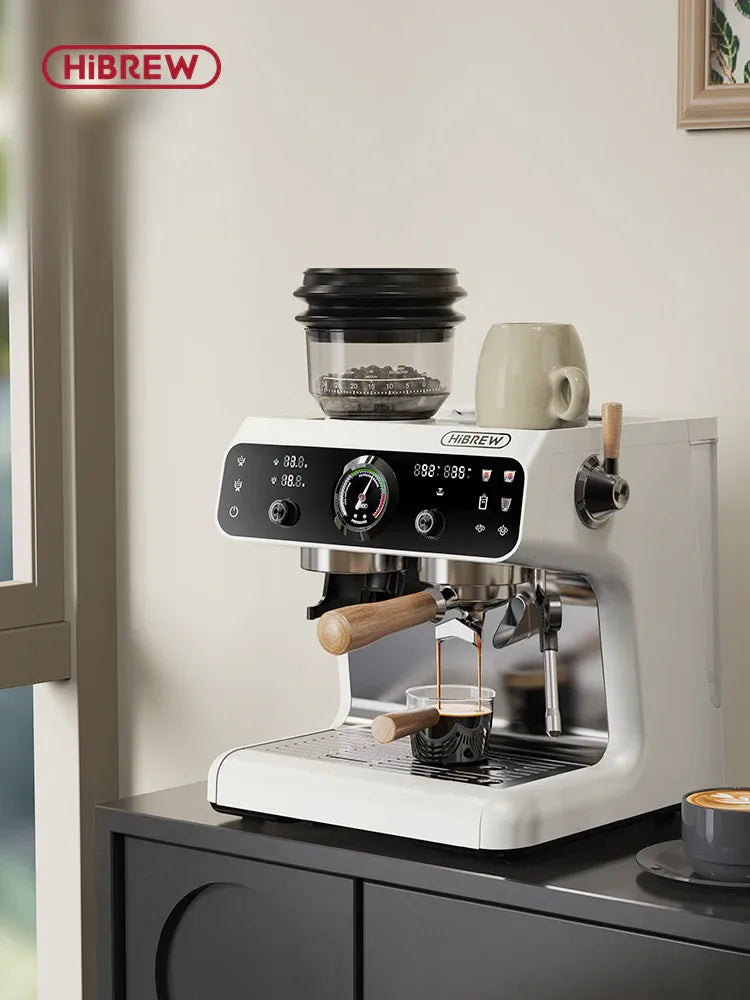
While the specific method will vary, having the right equipment is crucial. High-quality pour-over drippers like a Hario V60 or Chemex are excellent for maximizing clarity, allowing sediment-free brewing. Immersion brewers such as an AeroPress or French Press excel at building body and capturing the oils that contribute to mouthfeel. For these complex beans, having access to accurate scales for precise measurements, a temperature-controlled gooseneck kettle for even water distribution, and a reliable grinder will significantly elevate your brewing game. My personal toolkit for how to brew advanced-processed coffee always includes a good pour-over setup and an AeroPress for versatility.
Brewing Methods Tailored for Advanced-Processed Coffee
Choosing the right brewing method is critical to highlighting the specific qualities of advanced-processed coffee. Each method brings out different aspects, so selecting wisely can mean the difference between a good cup and a truly exceptional one that fully displays its clarity and body.
Pour-Over for Clarity: Unveiling Nuances
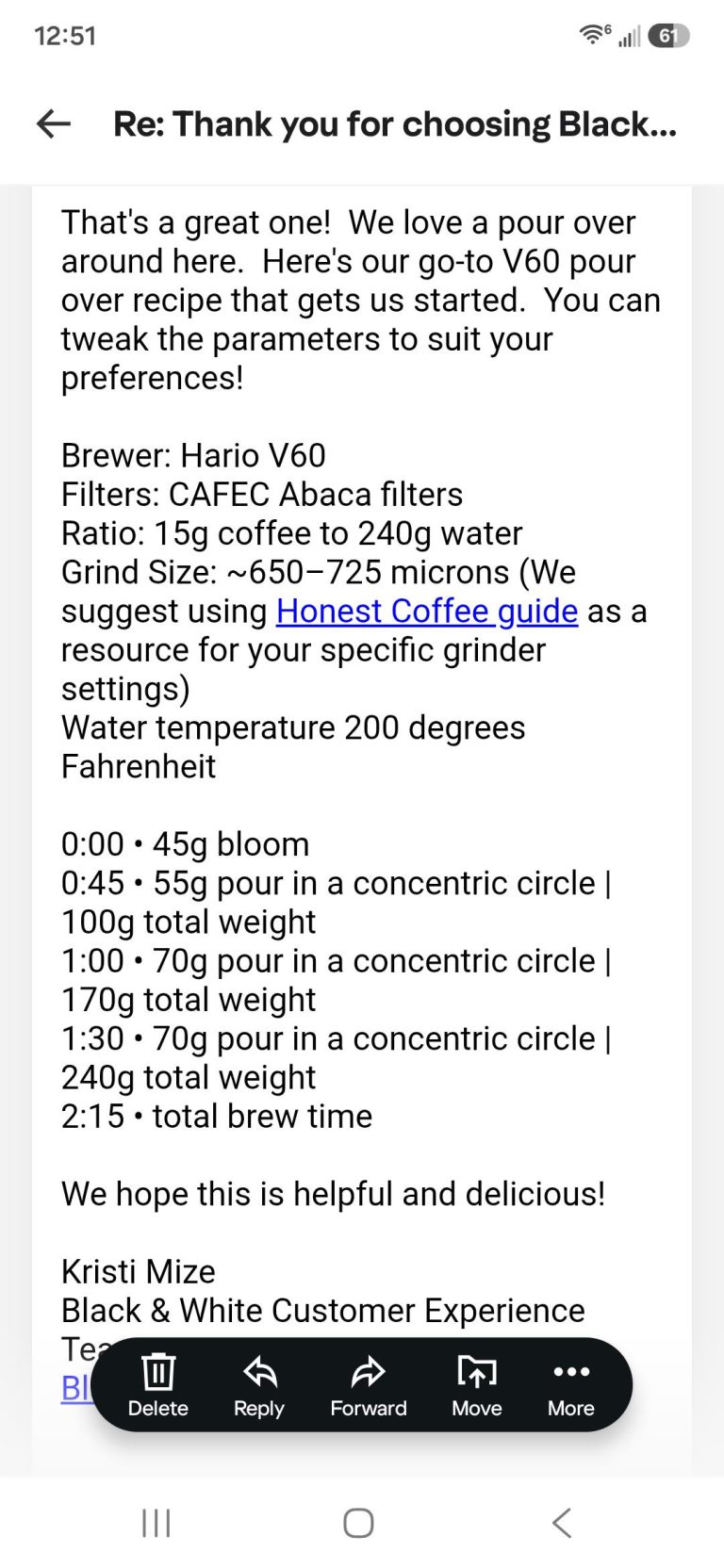
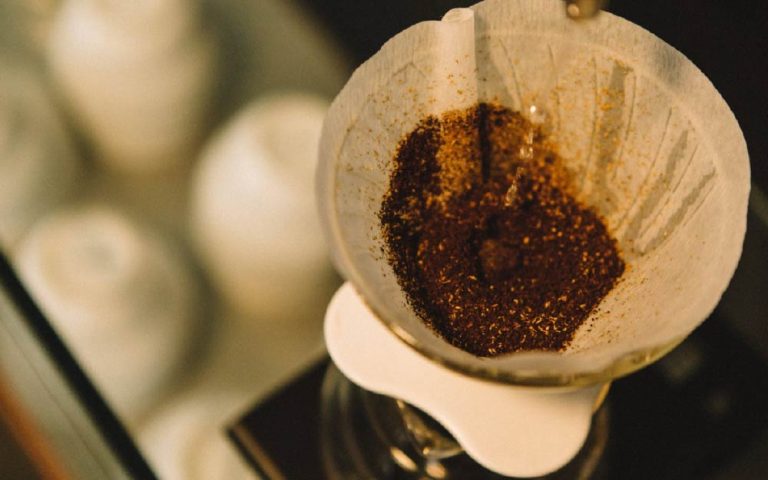
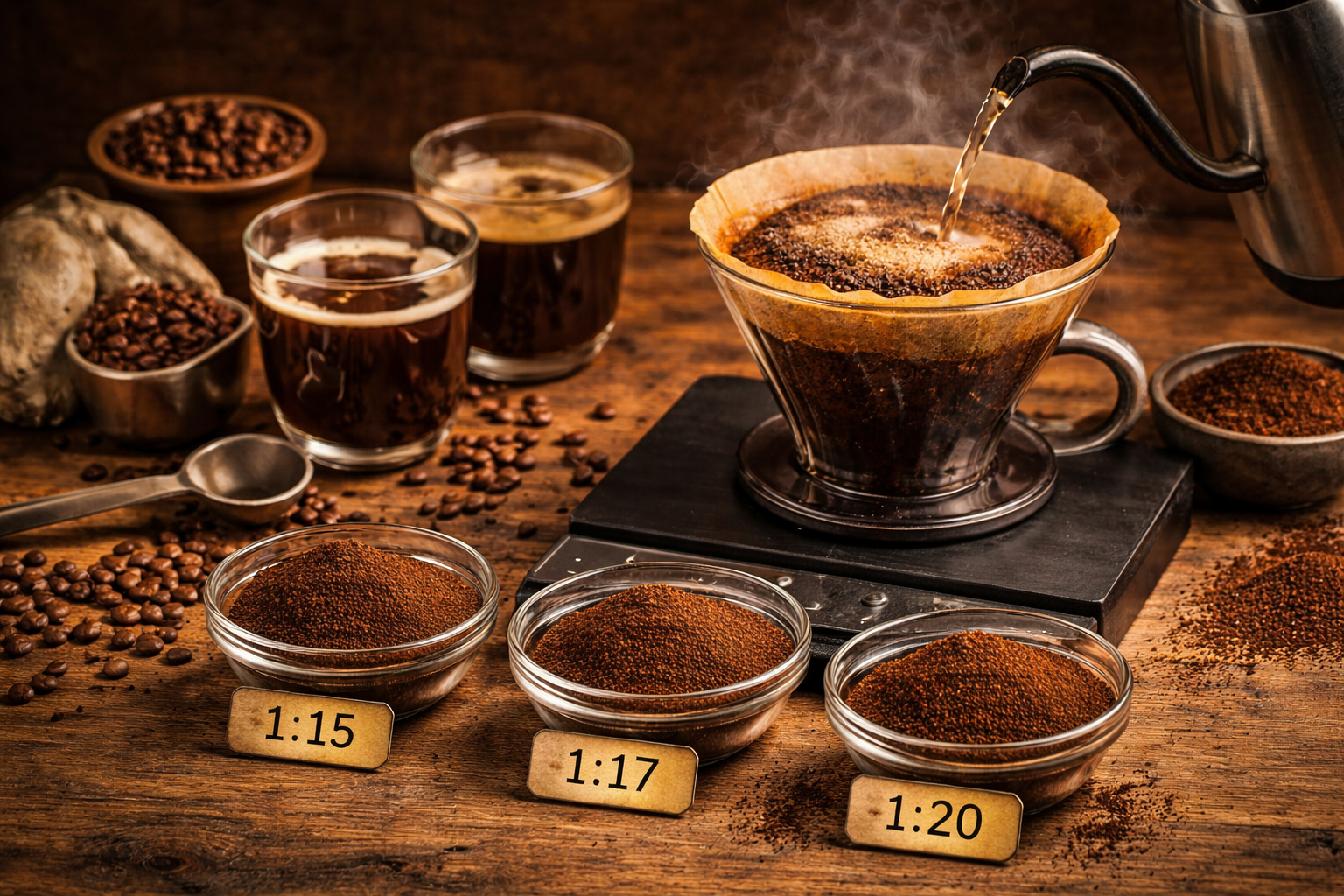
When the goal is to reveal every intricate flavor note and achieve maximum clarity, a pour-over method like the Hario V60 or Chemex is often my first choice. The paper filter effectively removes most fines and oils, resulting in a clean, bright cup that allows the unique acidity and delicate floral or fruit notes of these advanced beans to sparkle. I typically use a slightly coarser grind than for espresso, a 1:15 to 1:16 brew ratio (coffee to water), and a brewing temperature between 195-205°F (90-96°C). The technique involves a precise bloom, followed by slow, controlled pours to ensure even saturation and extraction. This method is particularly adept at showcasing the delicate complexities of a washed anaerobic or carbonic maceration coffee, emphasizing its inherent clarity.
Immersion for Body: Richness and Depth
If you're looking to emphasize the rich mouthfeel, sweetness, and a more robust body, immersion methods are your friend. The French Press, or an AeroPress used in an inverted fashion, allows the coffee grounds to steep fully in water for an extended period, extracting more oils and soluble solids. This results in a fuller-bodied cup with a velvety texture. For a French Press, a coarse grind and a longer steep time (around 4-5 minutes) work well. With an AeroPress, I often use a medium-fine grind, a lower temperature (around 185-195°F or 85-90°C) for less bitterness, and a total steep and press time of 1-2 minutes. These methods are fantastic for advanced-processed naturals or honeys, where the processing often enhances sweetness and a heavier body, which these techniques beautifully capture. It truly helps to brew advanced-processed coffee when you know what attributes you want to highlight.
Hybrid Approaches: Best of Both Worlds
Sometimes, you want both clarity and body, and that’s where hybrid brewing techniques come into play. A popular example is using a metal filter in a pour-over brewer or a French Press with a finer mesh screen than standard. Another approach I’ve explored is a brief immersion phase followed by a pour-over drip. For example, blooming the coffee in a V60 with all the brew water, letting it steep for 30-60 seconds, and then opening the bottom to drain. This offers a balance, capturing some of the soluble solids for body while still providing a relatively clean finish. Experimenting with these combinations can be incredibly rewarding, allowing you to fine-tune your brew to perfectly match the profile of specific advanced-processed coffee beans.

My Journey: Learning to Master the Brew
Diving into advanced-processed coffees wasn't just about learning new techniques; it was a transformative journey that deepened my appreciation for coffee. It really taught me how to brew advanced-processed coffee, not just technically, but with intuition.
Early Struggles and Lightbulb Moments
When I first started experimenting with exotic anaerobic naturals and honey-processed beans, my initial attempts were, to put it mildly, inconsistent. I’d get cups that were either overwhelmingly sour, aggressively bitter, or disappointingly bland. I remember one particular Geisha, a carbonic maceration, that I brewed through my standard pour-over method, expecting magic. Instead, I got something thin and sharp, completely missing the promised tropical notes. It was a frustrating experience, wondering why this expensive, highly-regarded coffee tasted so… meh.
The lightbulb moment came when I started thinking less about "brewing coffee" and more about "extracting a specific flavor profile." I realized that these beans aren't meant to be tamed by a single method. For that particular Geisha, after some research, I tried a slightly lower brew temperature and a more aggressive, shorter extraction with an AeroPress. The result was astounding: a burst of juicy passionfruit and a delicate floral aroma I hadn't detected before. It was like finally hearing the music the coffee was trying to play. This experience solidified my understanding that how to brew advanced-processed coffee demands a nuanced, tailored approach.
The Importance of Experimentation
That single experience taught me the invaluable lesson of experimentation. With advanced-processed coffees, there's no single "best" recipe. Each bean, each roast, and each processing method presents its own unique challenge and opportunity. I learned to embrace the process of making small, iterative changes: adjusting grind size by a click, varying water temperature by a degree or two, or altering the pour rate. I started keeping detailed notes, tracking every parameter and the resulting taste.
This meticulous approach, though time-consuming, has been the key to consistently achieving remarkable clarity and body in these complex coffees. It's about being a detective, listening to what the coffee is telling you, and making adjustments based on its feedback. Don't be afraid to try something different; often, the most surprising results come from stepping outside your usual brewing comfort zone.

Troubleshooting Common Brewing Challenges
Even with the best beans and equipment, brewing advanced-processed coffee can present some unique hurdles. Understanding these common challenges and how to address them is crucial for consistently achieving exceptional clarity and body.
Why is My Coffee Muddy?
A muddy cup typically points to excessive fines in your grind or an issue with your filtration. When brewing advanced-processed coffee, which often has a more delicate flavor profile, fines can quickly lead to an over-extracted, murky taste and appearance. To combat this, ensure you're using a high-quality burr grinder that produces a uniform grind with minimal fines. If using a pour-over, pre-wetting your paper filter thoroughly can also help rinse away any paper taste and compact the fibers for better filtration. For immersion methods, consider sifting your grounds with a fine mesh sieve to remove fines before brewing, a small step that can significantly enhance clarity.
Lacking Sweetness or Acidity?
If your advanced-processed coffee tastes flat, dull, or lacks its expected sweetness or vibrant acidity, it's often a sign of under-extraction. These complex beans are designed to offer a spectrum of flavors, and under-extraction means you're not pulling enough of those delicious solubles out of the grounds. Try making your grind slightly finer, increasing your brew temperature by a few degrees, or extending your contact time with the water. For pour-overs, ensure your pours are even and the entire coffee bed is saturated. For immersion, extend the steep time slightly. Remember that advanced-processed coffee thrives on full extraction to reveal its intricate profile.
Balancing Clarity with Body
This is often the trickiest balance to strike when learning how to brew advanced-processed coffee. If you push too hard for clarity (e.g., very fine grind, fast pour-over), you might end up with a thin body. Conversely, aiming solely for body (e.g., coarse grind, long immersion) can sacrifice some of the delicate clarity. The solution lies in careful calibration. For a pour-over, experiment with filter types; a thicker Chemex filter offers more clarity but can reduce body, while a thinner V60 filter allows more body to pass through while maintaining good clarity. For immersion, adjusting the grind size is key; a slightly finer grind will contribute to more body, but too fine will introduce muddiness. Sometimes, a hybrid method or simply accepting a slight compromise in one area to maximize the other is the best approach.
Advanced Tips for Optimizing Your Brew
Once you've mastered the fundamentals, these advanced tips can help you further optimize your brewing of advanced-processed coffee, pushing the boundaries of clarity and body.
Pre-infusion and Bloom Techniques
The bloom phase is incredibly important, especially for advanced-processed coffees. A proper pre-infusion, where you saturate the grounds with a small amount of hot water and let it sit for 30-45 seconds, allows the coffee to "degas." This releases trapped CO2, preventing it from interfering with subsequent extraction and ensuring more even water flow. For these intricate coffees, I sometimes experiment with varying bloom water temperatures or quantities to see how it impacts the final cup's clarity and sweetness. It's a small step that yields significant returns in revealing the coffee's true character.
Agitation Control and Stirring
Agitation during brewing can significantly impact extraction. For pour-overs, minimizing agitation often leads to greater clarity and a cleaner cup, as it prevents fines from migrating and clogging the filter. However, controlled agitation can also be beneficial, especially early in the brew, to ensure all grounds are evenly saturated. With immersion methods, a gentle stir after pouring all the water can ensure even extraction. My advice for how to brew advanced-processed coffee is to be intentional with agitation: use it sparingly and purposefully to achieve specific results, whether that's enhancing body or maximizing clarity.
Temperature Profiling
While most brewers stick to a single brew temperature, experimenting with temperature profiling can unlock new dimensions in advanced-processed coffees. Lower temperatures (190-195°F or 88-90°C) can often highlight delicate floral notes and subtle sweetness, reducing bitterness. Higher temperatures (200-205°F or 93-96°C) can enhance body and extract more robust flavors, but beware of over-extraction. Consider varying your water temperature based on the roast level and processing method. A lighter roasted anaerobic coffee might sing at a slightly lower temperature, while a medium-roasted honey process might benefit from a bit more heat to extract its rich body.
Frequently Asked Questions of How to Brew Advanced-Processed Coffee: Tips for Clarity and Body
How do advanced processing methods affect coffee?
Advanced processing methods, like anaerobic or carbonic maceration, introduce controlled fermentation environments that significantly alter the coffee's flavor profile, often resulting in enhanced fruitiness, unique acidity, increased sweetness, and a more complex body compared to traditionally processed beans.
What's the best grind size for clarity in advanced-processed coffee?
For maximum clarity, a medium-fine to medium grind size is generally recommended for pour-over methods, ensuring proper filtration and even extraction while minimizing fines that can lead to muddiness. Adjust based on your specific brewer and desired flow rate.
Can I use a French Press for advanced-processed coffee if I want clarity?
While French Press excels at body, it's not ideal for clarity due to its coarser mesh filter. If you want more clarity with an immersion brew, consider an AeroPress with a paper filter, or a hybrid method combining immersion with a pour-over.
Why is water quality so important for brewing advanced coffee?
Water quality is paramount because it directly influences flavor extraction; balanced mineral content helps dissolve coffee solids optimally, allowing the nuanced flavors of advanced-processed coffee to shine without dullness or bitterness.
How often should I experiment with brewing parameters?
With advanced-processed coffee, consistent experimentation is key. Make small, incremental changes to your grind, temperature, and ratio with each new bag of beans, diligently noting the results to discover the optimal brewing method for each unique coffee.
What are some common mistakes to avoid when brewing these coffees?
Avoid using inconsistent grind sizes, neglecting water quality, or treating all advanced-processed coffees with a "one-size-fits-all" brewing recipe. These errors can mask the coffee's unique characteristics and lead to a disappointing cup lacking true clarity and body.
Conclusion
Mastering how to brew advanced-processed coffee for exceptional clarity and body is a journey of discovery, precision, and passion. It's about respecting the intricate work that goes into cultivating and processing these extraordinary beans, then applying thoughtful techniques to bring their full potential to your cup. From understanding the impact of anaerobic fermentation to perfecting your pour-over technique and ensuring pristine water quality, every step contributes to a more exquisite brewing experience. Don't be afraid to experiment, tweak, and taste; that’s where the true magic happens. Keep honing your craft, and you'll consistently unlock the vibrant flavors and luxurious textures that make advanced-processed coffees so incredibly rewarding. Continue exploring the nuances of specialty coffee by delving into various brewing guides and processing insights available online.