
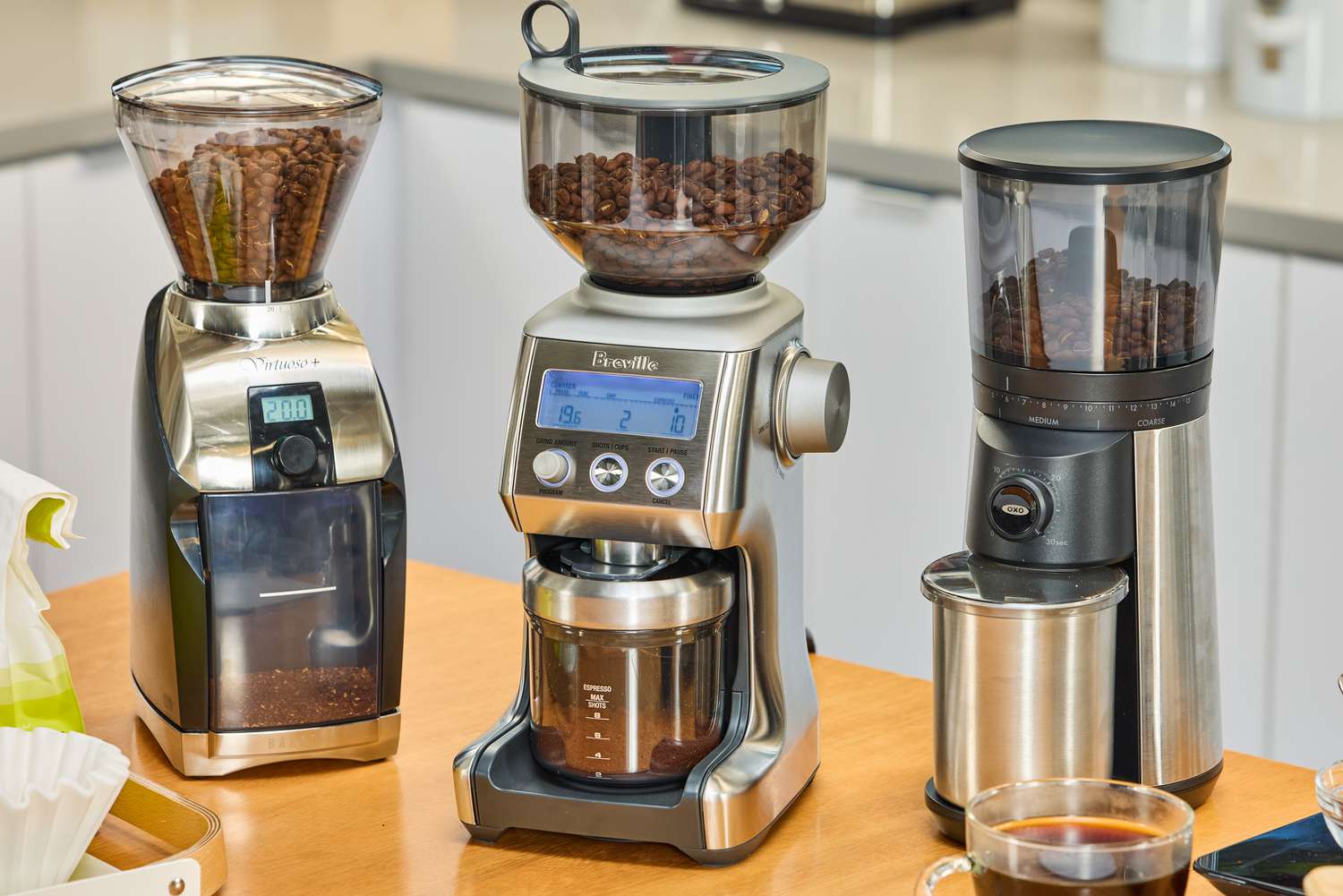
When Should You Upgrade Your Coffee Grinder for a Business?
You should upgrade your coffee grinder for a coffee business when grind inconsistency, slow service, or frequent breakdowns impact quality and profit.
As someone deeply immersed in the world of coffee and business operations, I’ve witnessed firsthand the transformative power of the right equipment. The decision to upgrade your coffee grinder for a coffee business isn't just about getting a shiny new machine; it's a strategic move that directly impacts everything from your espresso's flavor profile to your daily operational efficiency and, ultimately, your bottom line. Understanding when to make this crucial upgrade can mean the difference between thriving and merely surviving in a competitive market. Let’s dive into the signs, benefits, and considerations to help you make the smartest choice for your coffee business.

Signs Your Current Grinder is Holding You Back
Recognizing the subtle (and not-so-subtle) indicators that your existing coffee grinder is no longer serving your coffee business optimally is the first step toward a necessary upgrade. These signs often manifest in various aspects of your daily operations and product quality. Ignoring them can lead to consistent frustration for your baristas and, more importantly, a decline in customer satisfaction.
Inconsistent Grind Quality
This is arguably the most critical sign. If your grinder produces an uneven particle size – some too fine, some too coarse – you’re going to struggle with extraction. Imagine pulling shots where one coffee particle over-extracts and another under-extracts in the same puck; the result is a muddled, unbalanced flavor. For a coffee business, consistency is king, and if your grinder can't deliver a uniform grind, it's time to consider an upgrade your coffee grinder for a coffee business. This inconsistency also makes dialing in espresso incredibly difficult, leading to wasted beans and time.
Slow Production
In a bustling coffee shop, speed is essential. If your grinder takes too long to dispense the required dose, or if it frequently clogs, it creates bottlenecks during peak hours. A sluggish grinder means longer wait times for customers, which can quickly lead to dissatisfaction and lost sales. We’ve all been in that line that moves too slowly; don’t let your grinder be the reason your customers walk away.
Frequent Breakdowns and Maintenance
Constant calls to technicians or an ever-growing pile of replacement parts are clear red flags. While some wear and tear are normal, a grinder that frequently malfunctions signifies it’s past its prime. The cumulative cost of repairs, coupled with lost revenue during downtime, can quickly outweigh the investment in a new machine. It’s often more cost-effective in the long run to upgrade your coffee grinder for a coffee business than to continuously patch up an old one.
Increased Noise and Vibration
Older grinders, especially those with worn burrs or motors, often become noticeably louder and vibrate more intensely. This isn't just an annoyance for staff; it contributes to a less pleasant atmosphere for your customers. A professional coffee business strives for an environment that is both efficient and inviting, and excessive noise can detract from that experience. A new, well-maintained grinder typically operates more quietly and smoothly.
Compromised Flavor Profile
Ultimately, the quality of your coffee is your core product. If your shots are consistently tasting bitter, sour, or flat, despite using high-quality beans and a skilled barista, your grinder could be the culprit. Inconsistent grind or excessive heat generated during grinding can degrade the delicate aromatics and flavors of the coffee. If you notice a general decline in your coffee's taste that can’t be attributed to other variables, it's a strong indicator that you need to upgrade your coffee grinder for a coffee business.
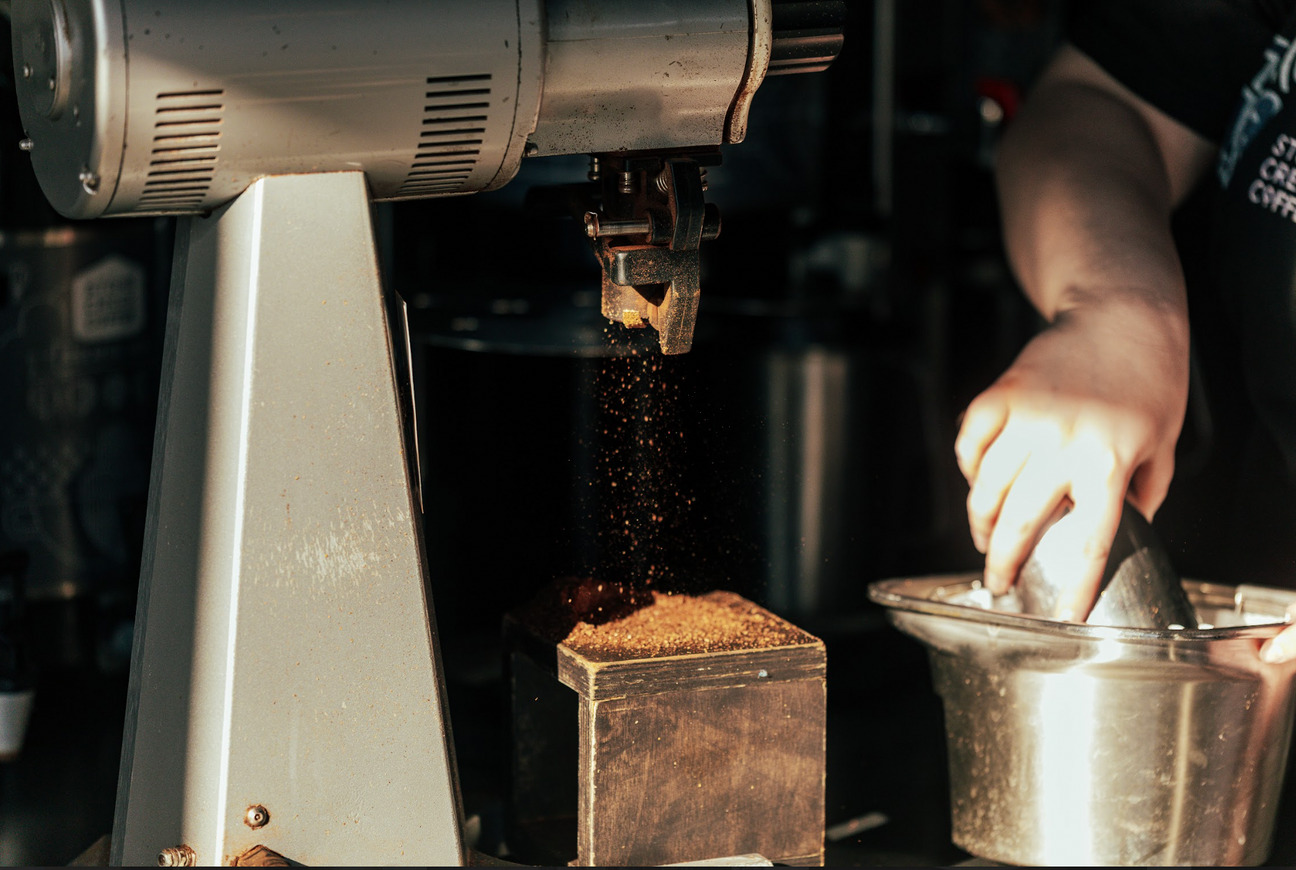
The Impact of Grind Quality on Your Coffee Business
The quality of your coffee grind isn't just a technical detail; it's a foundational element that underpins every aspect of your coffee business. From the sensory experience of each cup to the operational efficiency of your staff, an optimal grind quality touches everything. It’s an investment that pays dividends across the board.
Flavor Extraction and Consistency
The size and uniformity of your coffee grounds directly influence how water flows through the coffee bed and, consequently, how flavors are extracted. An inconsistent grind leads to uneven extraction, where some particles are over-extracted (producing bitterness) and others under-extracted (resulting in sourness). A precision grinder ensures uniform particles, allowing for a balanced, predictable extraction that highlights the desired notes of your specialty beans. This consistency is paramount for specialty coffee businesses aiming to deliver a consistently excellent product.
Customer Satisfaction and Reputation
In today's competitive coffee landscape, customers expect high-quality, consistent beverages every time. A fantastic cup of coffee builds loyalty and generates positive word-of-mouth. Conversely, an inconsistent or poorly extracted drink can quickly erode trust and damage your reputation. By ensuring peak grind quality, you safeguard your brand's image and keep customers coming back for that perfect cup. Your reputation is built one cup at a time, and a reliable coffee grinder is key.
Efficiency and Waste Reduction
Poor grind quality or a malfunctioning grinder leads to significant waste. Baristas spend more time trying to "dial in" espresso shots that are just not extracting correctly, throwing away shot after shot. This wastes valuable coffee beans, milk, and staff labor. An accurate, reliable grinder streamlines the process, reduces the need for constant adjustments, and minimizes product waste, saving your coffee business money and improving overall operational flow. You'll find yourself wasting fewer expensive beans, which directly boosts your profitability.
Key Factors to Consider When Upgrading Your Coffee Grinder
Deciding to upgrade your coffee grinder for a coffee business is a significant step, and there are several critical factors to weigh before making your investment. Choosing the right grinder involves understanding your specific operational needs and long-term goals. It's not just about getting the most expensive model, but the one that best suits your unique workflow and volume.
Burr Type (Flat vs. Conical)
This is a fundamental choice. Flat burrs, often found in high-end grinders, consist of two parallel rings that grind coffee as it passes between them. They are known for producing very consistent particle sizes and are excellent for espresso, often yielding a cleaner, brighter flavor profile. Conical burrs, shaped like cones, often run at lower RPMs, generating less heat, which is beneficial for preserving volatile aromatics. They are versatile and can be great for both espresso and filter coffee, often producing a fuller-bodied cup. Consider your primary coffee offerings and volume when making this choice.
Grind Speed and Heat Generation
High-volume coffee businesses need fast grinders, but speed can come at a cost: heat. Excessive heat during grinding can "cook" the coffee, degrading its delicate flavors and aromas. Look for grinders designed to minimize heat transfer, especially during continuous use. Grinders with larger burrs or those operating at lower RPMs tend to generate less heat, preserving the quality of your expensive specialty beans. If you're running a busy shop, this factor is non-negotiable for maintaining beverage quality.
Dosing Mechanism
Grinders come with different dosing mechanisms:
- On-demand (grind-on-demand): Grinds fresh coffee directly into the portafilter for each shot. This is highly recommended for freshness and minimizes waste. Most modern coffee businesses opt for this.
- Doser grinders: Grind coffee into a chamber, which is then dispensed in pre-set doses. While some still use these, they can lead to stale coffee if the doser isn't emptied frequently.
Choose an on-demand system to ensure the freshest coffee and greatest control over your dosing.
Durability and Build Quality
A coffee grinder for a coffee business is a workhorse, running for many hours a day. Invest in a machine built with robust, commercial-grade materials like stainless steel and durable motors. High-quality construction ensures longevity, reduces the likelihood of frequent breakdowns, and stands up to the rigors of a busy environment. Read reviews and look for brands known for their reliability in commercial settings.
Ease of Cleaning and Maintenance
Regular cleaning is vital for maintaining grind quality and extending the life of your grinder. A grinder that is difficult to clean will likely not be cleaned as often as it should, leading to stale coffee residue contaminating fresh grounds. Look for designs that allow for easy access to burrs and grinding chambers for quick, thorough cleaning. Simplifying maintenance tasks means less downtime and a more hygienic operation.
Capacity and Workflow Integration
Consider your daily volume and how the new grinder will fit into your existing workflow. Do you need multiple grinders for different roasts or brew methods? Will its footprint fit comfortably on your counter? Ensure the hopper size is adequate for your busiest periods to minimize constant refilling. A well-integrated grinder enhances efficiency rather than hindering it.
The Return on Investment of a New Coffee Grinder
Investing in a high-quality coffee grinder for a coffee business isn't just an expense; it's a strategic investment that yields tangible returns. Many business owners initially hesitate due to the upfront cost, but the long-term benefits in quality, efficiency, and customer loyalty often far outweigh the initial outlay. When you upgrade your coffee grinder for a coffee business, you're investing in the very heart of your product.
Enhanced Coffee Quality
A premium grinder provides superior grind consistency and minimizes heat, translating directly into better-tasting coffee. This improvement in quality can differentiate your coffee business in a crowded market. Customers are often willing to pay more for a consistently excellent cup, and superior grind quality helps you deliver that. This enhanced flavor profile builds your reputation and encourages repeat business, directly impacting your sales volume.
Improved Workflow Efficiency
A reliable, efficient grinder reduces bottlenecks, especially during peak hours. Baristas spend less time battling inconsistent grinds or waiting for slow machines. This improved workflow means faster service, which translates into shorter queues and higher customer throughput. My own experience showed that upgrading from a sluggish doser grinder to a rapid, on-demand model cut average espresso prep time by nearly 20 seconds, leading to a significant increase in the number of drinks served per hour and happier staff.
Reduced Downtime and Repair Costs
As discussed, an old, failing grinder can incur substantial repair costs and cause unexpected downtime, leading to lost sales and customer frustration. A new, high-quality grinder comes with a warranty and is built for durability, significantly reducing the likelihood of breakdowns. This reliability ensures consistent operation, giving you peace of mind and protecting your revenue stream. Over time, the savings on repairs and lost sales can easily justify the initial investment to upgrade your coffee grinder for a coffee business.
Attracting and Retaining Customers
Ultimately, a superior coffee experience is what attracts new customers and keeps existing ones loyal. When your coffee consistently tastes amazing, word spreads. Customers appreciate the effort put into quality, and they notice the difference a professional setup makes. A new, reliable coffee grinder is a critical component in delivering that exceptional experience every single day, strengthening your brand and securing your place in the community.

My Personal Journey: Learning from Grinder Upgrades
Throughout my career in the coffee industry, I’ve navigated the exhilarating highs and frustrating lows of coffee equipment, and grinder upgrades stand out as pivotal moments. I remember vividly the early days of my first coffee business, a small cafe trying to make a name for itself. We started with what seemed like a decent entry-level grinder, but within months, the cracks began to show.
The biggest lesson I learned early on was that you cannot scrimp on your grinder. We were using incredible, ethically sourced beans, but our grinder simply couldn't do them justice. Shots were inconsistent, tasting sour one minute and bitter the next, despite our baristas' best efforts. Our customers, discerning coffee lovers, started to notice. I saw it in their eyes, even if they didn’t always articulate it. That’s when I realized the grinder wasn’t just a piece of equipment; it was the heart of our espresso program. We made the jump to a higher-end flat burr grinder, and the difference was instantaneous and profound. Our espresso consistency soared, and the nuanced flavors of our beans finally shone through. It wasn't just me; customer feedback improved dramatically, and sales saw a noticeable bump. It truly solidified the argument that when you upgrade your coffee grinder for a coffee business, it's an investment, not an expense.
Another mistake I initially made was underestimating the impact of speed and workflow. In another bustling location, our grinder, while producing good quality, was simply too slow for our peak rush. The queue would build, tension would rise, and eventually, customers would walk away. We upgraded to an even faster, more robust on-demand grinder designed for high-volume cafes, and it felt like unlocking a new level of efficiency. Our baristas were less stressed, service times improved significantly, and we could serve more customers without compromising quality. This taught me that evaluating your grinder isn't just about taste; it’s about understanding your operational demands. The practical tip here is to always consider your anticipated busiest hours and choose a grinder that can comfortably keep up, preserving both your coffee quality and your sanity. Making the decision to upgrade your coffee grinder for a coffee business will always pay off in the long run.

Frequently Asked Questions
How often should a coffee grinder be calibrated?
A commercial coffee grinder should ideally be calibrated daily, especially for espresso, to account for changes in environmental factors like humidity and the aging of the coffee beans themselves. Filter grinders may require less frequent calibration, perhaps weekly.
What is the lifespan of commercial coffee grinder burrs?
The lifespan of commercial coffee grinder burrs varies significantly based on material, usage, and maintenance, but generally, flat steel burrs might last for 500-1000 kg of coffee, while conical burrs can last for 1500-2000 kg or more. Regular cleaning and grinding only whole beans extend their life.
Can a worn-out grinder affect the taste of coffee?
Absolutely. Worn-out burrs produce an inconsistent grind with varying particle sizes, leading to uneven extraction and a muddled, unbalanced flavor profile (often bitter or sour). They can also generate excessive heat, further degrading the coffee's delicate aromatics.
Is it necessary to have separate grinders for espresso and filter coffee?
While not strictly necessary for every coffee business, having separate grinders for espresso and filter coffee is highly recommended for optimal results. Each brew method requires a specific grind size, and dedicated grinders ensure consistency and prevent constant adjustments that can disrupt workflow.
What are the signs that my grinder burrs need replacing?
Key signs your grinder burrs need replacing include increased grind time, inconsistent grind size despite proper adjustment, a noticeable change in coffee flavor (e.g., more fines leading to bitterness), and visible dullness or nicks on the burrs themselves.
Conclusion
The decision to upgrade your coffee grinder for a coffee business is a critical one that can profoundly impact your product quality, operational efficiency, and overall profitability. By paying close attention to the signs your current grinder is struggling—like inconsistent grind quality, slow service, or frequent breakdowns—you can proactively address issues before they significantly affect your reputation or bottom line. Investing in a new, high-quality grinder isn't just an expense; it's a strategic move that enhances flavor extraction, boosts customer satisfaction, and streamlines your workflow, ultimately delivering a substantial return on investment.
Take a moment to evaluate your current setup: Are your baristas struggling with dialing in espresso? Are customers waiting too long during peak hours? If so, it might be time to explore the benefits of a modern, efficient coffee grinder. Research your options, consider your specific needs, and make an informed decision that will elevate your coffee business to new heights. The perfect cup of coffee begins with a perfect grind, and your customers will thank you for it.
4 Comments