
Do Coffee Grounds Go Bad? Shelf Life and Storage Tips
Coffee grounds can go bad, especially if left wet; they typically develop mold within days.
Many of us enjoy that morning cup of joe, but what happens to those spent coffee grounds once the brewing is done? It’s a common question I get asked, and one that often leads to a bit of confusion: do coffee grounds go bad if you don't use them right away? As someone who’s brewed countless cups and explored every nook and cranny of coffee’s life cycle, from bean to garden additive, I can tell you that understanding the shelf life of coffee grounds is more important than you might think. Whether you're a keen gardener looking for a natural fertilizer or simply curious about waste, let's dive deep into what makes coffee grounds spoil and how you can manage them effectively.

The Science Behind Coffee Grounds and Spoilage
Understanding why coffee grounds go bad starts with a little bit of science. When you brew coffee, you extract many soluble compounds, but you leave behind a wealth of organic material. This material, still damp and nutrient-rich, creates a perfect environment for microorganisms to thrive if not properly managed. It’s a natural process, but it can quickly turn your useful coffee grounds into a moldy mess.
What are Coffee Grounds Made Of?
Coffee grounds are primarily composed of cellulose, hemicellulose, lignin, proteins, lipids, and a small percentage of residual caffeine and other compounds that weren't fully extracted during brewing. This organic composition makes them highly biodegradable. They are essentially plant matter, and like any other plant matter, they are subject to decomposition. Think of it like a slice of bread; leave it out, and given the right conditions, mold will find it. This natural composition is what makes coffee grounds go bad eventually.
Factors Affecting Shelf Life
Several key factors determine how quickly coffee grounds go bad:
- Moisture Content: This is the big one. Wet coffee grounds are a breeding ground for mold and bacteria. The more moisture present, the faster spoilage will occur. This is why you often see mold on grounds left in a coffee maker filter.
- Temperature: Warmer temperatures accelerate microbial growth. Leaving wet coffee grounds in a warm kitchen will speed up their deterioration compared to cooler environments.
- Air Exposure: While some air is needed for aerobic decomposition, excessive exposure to uncontrolled air can introduce more spores and contaminants, contributing to faster spoilage.
- Contaminants: Any food particles or other residues mixed in with the coffee grounds can also provide additional nutrients for mold and bacteria, hastening their decay.
The interplay of these factors means that while fresh coffee grounds might smell robust, unattended used coffee grounds can rapidly transform.
Signs Your Coffee Grounds Have Gone Bad
It's pretty easy to tell if your coffee grounds have gone bad. Just like with most food items, your senses are your best tools. I've certainly had my share of "oops" moments, discovering a forgotten container of grounds that had clearly passed its prime. Knowing what to look for can save you from an unpleasant surprise.
Visual Cues
The most obvious sign that your coffee grounds have gone bad is mold growth. You might see:
- Fuzzy Patches: These can be white, green, blue, or black, appearing as fuzzy, cotton-like growths on the surface or throughout the grounds.
- Discoloration: Beyond mold, the grounds might appear unusually discolored, perhaps a very dark, almost slimy black, or an unhealthy greenish tint that isn't mold but rather a precursor to it.
- Slime or Gunk: If the grounds become extremely wet and sit for too long, they can develop a slimy texture or even clump together into an unappealing, gooey mass.
Smell Test
Your nose knows! Even before visible mold appears, a change in smell is a strong indicator that coffee grounds go bad.
- Sour or Rancid Odor: Instead of the pleasant, earthy aroma of fresh coffee, you'll notice a distinctly sour, musty, or even rancid smell. It's usually quite pungent and unmistakable.
- Ammonia-like Smell: In some advanced cases of decomposition, particularly if anaerobic bacteria are at work, you might detect an ammonia-like scent.
Texture Changes
Beyond sight and smell, the texture can also give you clues.
- Clumping and Stickiness: Fresh, used coffee grounds are usually somewhat crumbly, even when damp. If they become excessively sticky, clumpy, or develop a jelly-like consistency, they've likely started to decompose in an undesirable way.
- Slimy Feel: As mentioned before, a slimy texture is a definite red flag.
If you observe any of these signs, it's best to discard the coffee grounds, especially if you planned to use them for anything other than a dedicated compost pile where robust decomposition is the goal.
Best Practices for Storing Used Coffee Grounds
So, you've brewed your coffee, and you want to save those grounds for gardening or scrubbing. Great idea! But the question remains: how do you prevent your coffee grounds from going bad prematurely? Proper storage is key, and it's simpler than you might think. From my own kitchen experiments and garden endeavors, I've learned that a little effort upfront saves a lot of hassle later.
Drying is Key
This is the most critical step to prevent coffee grounds from going bad. Mold loves moisture, so removing it is your first line of defense.
- Spread Them Out: After brewing, spread the used coffee grounds in a thin layer on a baking sheet, newspaper, or a clean, flat surface.
- Air Dry: Let them air dry completely. This can take a few hours to a day, depending on humidity and how thinly they are spread. You can place them in a sunny spot or near a fan to speed up the process.
- Oven Drying (Optional): For a quicker method, you can gently dry them in a low oven (around 200°F or 93°C) for 10-15 minutes, stirring occasionally. Just be careful not to bake or roast them further.
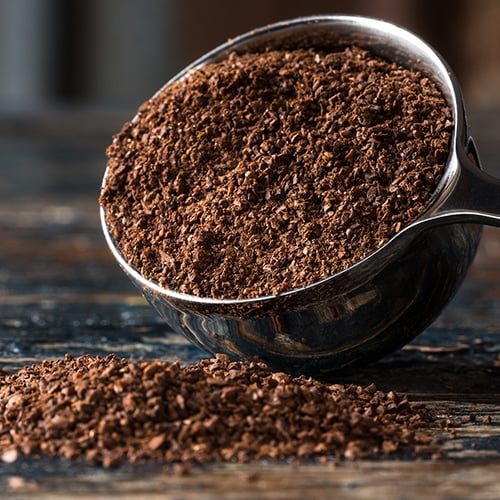
Once they're thoroughly dry, they should feel gritty and crumbly, with no noticeable dampness.
Airtight Containers
Once your coffee grounds are dry, proper storage will keep them fresh for longer.
- Glass Jars: These are excellent because they don't absorb odors and you can easily see the contents.
- Plastic Containers: Any clean, airtight plastic container will work. Just ensure it seals well to keep moisture and contaminants out.
- Ziploc Bags: For short-term storage, heavy-duty freezer bags can also be used, squeezing out as much air as possible.
The goal is to protect them from humidity and airborne mold spores.
Location, Location, Location
Where you store your dried coffee grounds also matters.
- Cool, Dark Place: A pantry, cupboard, or even the back of a closet is ideal. Avoid direct sunlight or areas prone to temperature fluctuations.
- Avoid Humidity: Keep them away from steamy kitchen areas or bathrooms.
My Personal Experience
I once learned the hard way about the importance of drying. I had just started composting and, eager to add "nitrogen-rich" coffee grounds, I simply dumped the wet grounds from my French press into a plastic container with a lid. Within two days, the entire container was covered in a thick, bluish-green mold. It was a smelly, slimy mess! From then on, I religiously spread my grounds on an old baking sheet right after brewing. I'd leave them on the counter for a day or two, turning them once, until they were completely dry and crumbly. Now, I store them in a large glass jar, and they stay fresh for weeks, sometimes months, until I have enough for my garden. It's a small extra step that makes a huge difference in ensuring my coffee grounds don't go bad before I can use them. This method truly extends their usability.

Practical Uses for Leftover Coffee Grounds
Don't let those valuable coffee grounds go bad! Beyond just brewing, spent coffee grounds are incredibly versatile and can be repurposed in numerous beneficial ways around your home and garden. Utilizing them is a fantastic way to practice sustainability and get more mileage out of your daily brew.
Gardening Gold
Coffee grounds are a favorite among gardeners, and for good reason. They are packed with nitrogen, phosphorus, and potassium, essential nutrients for plant growth.
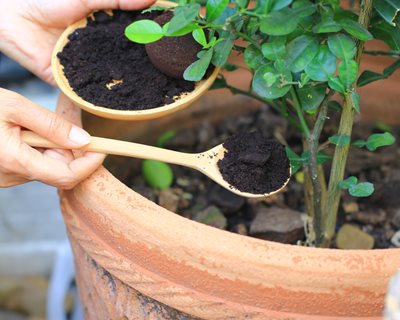
- Soil Amendment: Mix dried coffee grounds directly into your garden soil or potting mix. They help improve soil structure, drainage, and aeration.
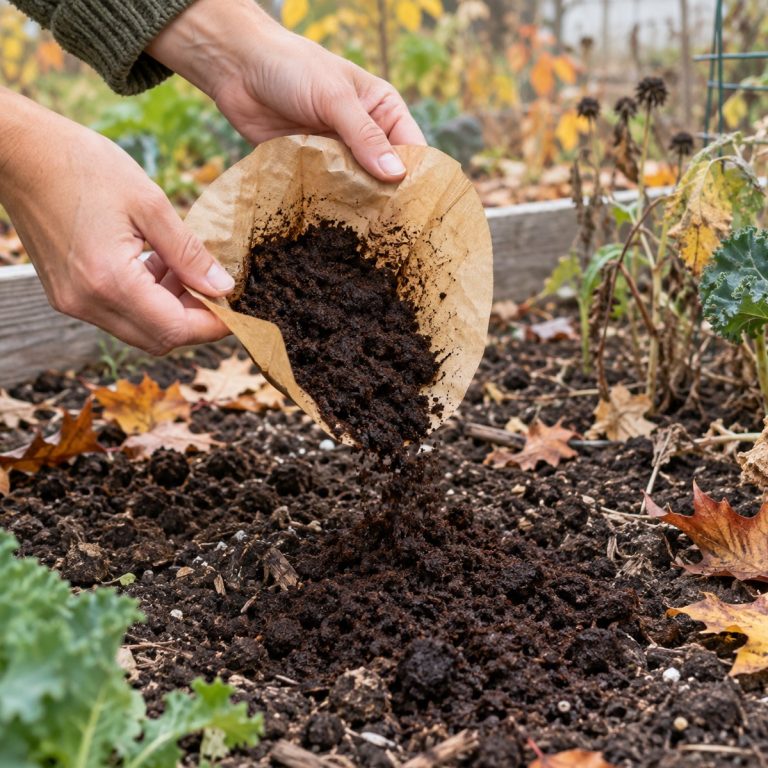
- Compost Booster: Add them to your compost pile. They are considered a "green" material, providing a nitrogen boost that helps the decomposition process. They also help balance the carbon-to-nitrogen ratio.
- Pest Repellent: Some gardeners find that sprinkling coffee grounds around plants can deter slugs, snails, and even some insects like ants, as they dislike the texture and acidity.
- Acid-Loving Plants: Use them around plants like blueberries, azaleas, rhododendrons, and roses, which thrive in slightly acidic soil. Just use them in moderation to avoid making the soil too acidic.
Household Helpers
Coffee grounds aren't just for the garden; they can be handy inside your home too.
- Odor Neutralizer: Place a bowl of dried coffee grounds in your fridge or freezer to absorb unpleasant odors. You can also rub them on your hands after chopping garlic or onions to neutralize the smell.
- Cleaning Scourer: The gritty texture makes them an excellent natural abrasive. Mix them with a little dish soap and use them to scrub stubborn grime off pots, pans, or surfaces (test on an inconspicuous area first to ensure no scratching).
- Fireplace Cleaner: Before scooping out ashes from your fireplace, sprinkle damp coffee grounds over them. This weighs down the fine ash, preventing it from puffing up into the air.
Beauty Boosters
Believe it or not, coffee grounds can even find a place in your beauty routine.
- Exfoliating Scrub: Mix dried grounds with a little coconut oil or olive oil for an invigorating body scrub. The caffeine can temporarily tighten skin and reduce the appearance of cellulite.
- Hair Rinse: Some people use a diluted coffee ground rinse in their hair to add shine or gently darken brown hair.
With so many uses, it's a shame to let coffee grounds go bad! Properly stored, they offer a sustainable solution for many common household needs.

Common Misconceptions About Coffee Grounds
There's a lot of chatter online about coffee grounds, and while many tips are helpful, some common misconceptions can lead to wasted grounds or ineffective practices. Separating fact from fiction helps us make the most of this versatile byproduct and ensures our coffee grounds don't go bad unnecessarily.
Myth 1: They Last Forever
One common belief is that since coffee grounds are organic material, they essentially last indefinitely, especially if dried. While drying significantly extends their shelf life, it doesn't make them immortal. Dried coffee grounds, even in an airtight container, can eventually lose their potency, and given enough time, might still be susceptible to mold if even a tiny bit of moisture gets in or if they weren't thoroughly dried in the first place. Their beneficial compounds, like nitrogen, can also degrade over extended periods.
- Reality: While drying is crucial, it's best to use dried coffee grounds within a few months for optimal benefit. If they start to smell stale or musty even when dry, their utility might be diminished.
Myth 2: Just Leave Them Wet
I've heard people say they just leave their wet coffee grounds in the coffee filter or a container on the counter, assuming they'll dry out or that the coffee itself prevents spoilage. This is a surefire way to have your coffee grounds go bad very quickly. The warmth and moisture create a perfect incubator for mold and bacteria, sometimes within 24-48 hours.
- Reality: Wet coffee grounds are highly perishable. For any use beyond immediate composting, they absolutely need to be dried out thoroughly to prevent rapid spoilage and mold growth. If you're not using them immediately, dry them or put them directly into an active compost pile.
Myth 3: Coffee Grounds Are Always Good for All Plants
While beneficial for many plants, the slightly acidic nature of coffee grounds isn't ideal for every type of plant. Using too much, or on plants that prefer alkaline soil, can potentially harm them. Similarly, direct application of large quantities of fresh, wet grounds can sometimes lead to nitrogen depletion in the short term as microorganisms use available nitrogen to break down the grounds, or even "coffee ground burn" due to their concentrated nutrients.
- Reality: Use coffee grounds in moderation and observe your plants. They are best used as part of a balanced soil amendment, composted, or spread in thin layers. For specific plants, a quick check on their preferred soil pH is always a good idea.
Understanding these points ensures you're using coffee grounds effectively and preventing them from becoming an unpleasant, moldy problem.

Frequently Asked Questions
Can you reuse coffee grounds for brewing?
No, it's generally not recommended to reuse coffee grounds for brewing another cup. Most of the desirable flavor compounds have already been extracted in the first brew, leading to a weak, bitter, and unpleasant second cup.
How long do dry used coffee grounds last?
Thoroughly dried used coffee grounds, stored in an airtight container in a cool, dark place, can last for several weeks to a few months. Their potency might diminish over time, but they remain usable for gardening or household purposes.
Is it okay to put moldy coffee grounds in the compost?
Yes, moldy coffee grounds are generally fine to add to a well-maintained compost pile. The composting process relies on microorganisms to break down organic matter, and the mold will simply become part of that decomposition.
Do unused, fresh coffee grounds expire?
Unused, fresh coffee grounds don't "expire" in the same way food does, but they do lose their freshness and flavor potency over time. Stored in an airtight container, they can last for several months, though their aromatic qualities will diminish.
What happens if you use old coffee grounds?
If you use old, moldy coffee grounds for purposes other than composting, you risk introducing harmful mold spores to your plants or home, and they may carry an unpleasant odor. If they are just old and dry but not moldy, their effectiveness might be reduced.
Conclusion
So, do coffee grounds go bad if you don't use them right away? The clear answer is yes, they absolutely can, especially if left wet and neglected. However, with a little knowledge and a few simple steps, you can easily prevent spoilage and harness their incredible potential. From enriching your garden soil to neutralizing odors in your home or even creating a DIY body scrub, spent coffee grounds are a valuable resource that deserves a second life.
Don't let those aromatic remnants of your morning brew end up as forgotten, moldy waste. Embrace the simple practice of drying and proper storage, and you'll unlock a world of sustainable benefits. Give it a try this week: dry out your used coffee grounds and see how many creative ways you can repurpose them. Share your favorite tips in the comments below, and let's keep those coffee grounds out of the landfill and working wonders around our homes!