Starbucks Coffee Grinder: What Grinders Does Starbucks Use?
Starbucks primarily uses industrial-grade, often branded as Mahlkönig, Bunn, or Ditting, flat burr grinders in their retail stores for consistent, high-volume operations.
Ever wondered about the secret behind Starbucks' consistently delicious coffee? It’s not just the beans or the baristas; a significant part of the magic happens before the brewing even begins, specifically with their coffee grinders. As someone who's spent years exploring the nuances of coffee preparation, I can tell you that understanding what coffee grinder Starbucks actually uses offers a fascinating glimpse into the world of professional coffee and what it takes to deliver a consistent product on a massive scale. We’ll dive deep into the specific types of grinders they employ and why these choices are crucial for the Starbucks experience, helping you understand the importance of a quality grind whether you're a home brewer or just a curious coffee lover.

The Secret Behind Starbucks' Consistent Grind: It's Not Just One Grinder
When you walk into a Starbucks, the aroma of freshly ground coffee is unmistakable, and that consistency isn't by accident. It’s the result of highly specialized equipment designed for volume and precision. While a definitive, single "Starbucks coffee grinder" model might not exist across all 30,000+ locations globally, there's a strong pattern in the types and brands they favor. They rely on robust, commercial-grade burr grinders built to withstand continuous use throughout the day, ensuring every batch of coffee has the ideal grind for optimal extraction. These aren't your average home grinders; they are workhorses built for speed, durability, and most importantly, consistency, which is paramount for maintaining the Starbucks brand standard.

Delving Deeper: The Retail Store Grinder
In the bustling environment of a Starbucks retail store, efficiency and precision are key. The primary grinders you’ll encounter are typically large, commercial flat burr grinders. Brands like Mahlkönig, Bunn, and Ditting are commonly seen in high-volume coffee operations, including many Starbucks locations. These companies are renowned for producing grinders that offer exceptional grind consistency, minimal heat transfer to the beans (which can affect flavor), and high output.
From my personal experience managing coffee programs, choosing a commercial grinder is a major investment and a critical decision. You need something that can perform reliably for hundreds of grinds a day, maintain calibration, and be easy for baristas to operate. The flat burrs in these machines ensure a uniform particle size, which is essential for consistent extraction and taste across different brew methods, from drip coffee to pour-overs. If the grind is too inconsistent, you end up with some particles over-extracting (making it bitter) and others under-extracting (making it sour), leading to a muddy, unbalanced cup. So, when people ask, "What coffee grinder does Starbucks actually use?", the answer points to these industrial powerhouses. They prioritize consistent results above all else, making sure your latte tastes the same whether you're in Seattle or Sydney.
Beyond the Counter: Starbucks' Roasting Plants and Home Grinding
While we often focus on the retail experience, it's worth remembering that Starbucks operates vast roasting plants. Here, they use even larger, more sophisticated industrial grinders designed to process tons of coffee beans daily before packaging. These machines are a marvel of engineering, capable of grinding enormous volumes with incredible precision, preparing coffee for shipment to stores worldwide. This level of operation is far removed from the individual store, but it underscores the company's commitment to large-scale quality control.
Starbucks also sells whole bean coffee directly to consumers, encouraging us to grind at home. This practice subtly implies that the best coffee experience starts with fresh grinding. While Starbucks doesn't explicitly endorse a specific home grinder, their emphasis on freshness and consistency for their own operations suggests that a quality home burr grinder is essential for anyone trying to replicate that "Starbucks taste" at home. My advice? If you're serious about your home brew and want a grinder that comes close to the consistency achieved by the commercial units, investing in a good quality burr grinder, rather than a blade grinder, is a game-changer. It makes a significant difference in the final cup.

Why a Quality Coffee Grinder is Paramount for Starbucks
The choice of what coffee grinder Starbucks actually uses isn't arbitrary; it's a strategic decision rooted in delivering a premium, consistent product. A quality grinder is the cornerstone of great coffee for several reasons:
- Consistent Taste Profile: Uniform grind size ensures even extraction. This means every cup of coffee, whether brewed in Seattle or Singapore, adheres to Starbucks' strict taste standards, providing the familiar flavor customers expect.
- Optimal Extraction Efficiency: Different brew methods require specific grind sizes. A precise grinder allows baristas to achieve the perfect grind for each preparation, maximizing flavor extraction without over or under-extracting. This leads to less waste and a better-tasting beverage.
- Enhanced Customer Experience: Customers associate Starbucks with quality. The rich aroma of freshly ground coffee and the consistently delicious taste contribute significantly to the overall experience, fostering loyalty and trust in the brand.
- Brand Reputation: Starbucks is a global brand built on consistency. Their reliance on high-quality coffee grinders is a testament to their commitment to maintaining that reputation across all touchpoints, ensuring that their coffee stands out in a competitive market.
Choosing Your Own Starbucks-Level Grinder: Tips for Home Baristas
Inspired by Starbucks' commitment to grind quality, many home baristas wonder how to achieve similar results. While you might not need a commercial Mahlkönig, understanding the principles is key. Here's what I've learned from countless hours of brewing and testing different grinders:
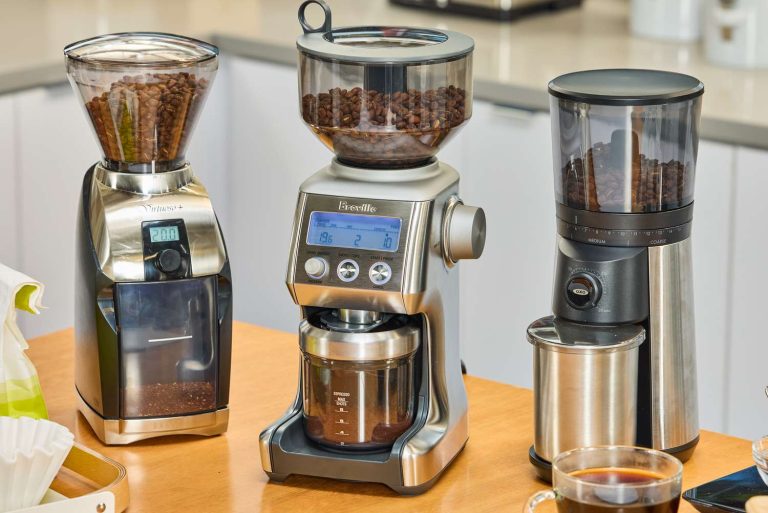
- Burr Grinders vs. Blade Grinders: This is the most crucial distinction. Blade grinders "chop" coffee beans inconsistently, creating a mix of fine dust and large chunks. This leads to uneven extraction and a poor-tasting cup. Burr grinders, on the other hand, mill the beans between two abrasive surfaces, producing a uniform particle size. Always opt for a burr grinder. When you ask yourself, "What coffee grinder does Starbucks actually use?", it's always a burr grinder, and you should aim for the same.
- Flat vs. Conical Burrs: Commercial grinders like those at Starbucks often use flat burrs. For home use, both flat and conical burrs can provide excellent results. Conical burrs are often found in quieter, more compact home grinders, while flat burrs can offer exceptional consistency but might be pricier.
- Grind Settings for Different Brew Methods: Your grinder should offer a wide range of settings. Espresso requires a very fine grind, pour-overs need a medium-fine, and French press a coarse grind. Experimenting with settings is part of the fun of home brewing!
- Maintenance is Key: Just like Starbucks baristas regularly clean their grinders, you should too. Coffee oils can build up and become rancid, affecting the flavor of your fresh coffee. Regular cleaning with specialized grinder cleaning tablets or a brush will keep your grinder performing its best.
- Consider Your Budget and Needs: While a top-tier home grinder can be an investment, many excellent options exist at various price points. Look for features like precise grind adjustment, durability, and ease of cleaning. From my experience, a good entry-level electric burr grinder is often around $100-$200, but you can find fantastic manual grinders for less if you don't mind the arm workout.

Frequently Asked Questions about Starbucks Coffee Grinders
What type of grinder does Starbucks use for grinding beans for customers?
Starbucks uses commercial-grade flat burr grinders in their stores, often from brands like Mahlkönig, Bunn, or Ditting, to ensure a consistent and precise grind for every customer order. These machines are built for high volume and durability.
Can I buy the exact coffee grinder that Starbucks uses for my home?
While you technically could purchase a commercial grinder like Starbucks uses, they are very expensive and oversized for home use. They require significant counter space and electrical output not typically found in a home kitchen.
Why is grind consistency so important for Starbucks coffee?
Grind consistency is crucial for Starbucks because it ensures even extraction during brewing. This uniformity guarantees that every cup of coffee maintains the brand's expected taste profile and quality standards, regardless of location.
Does Starbucks offer grinding services for whole bean coffee purchased elsewhere?
Generally, Starbucks stores offer to grind whole bean coffee purchased from their own stores. Policies may vary by location, but they typically do not grind coffee purchased from other retailers due to potential contamination or quality control issues.
What's the main difference between a commercial Starbucks grinder and a good home grinder?
The main differences are volume capacity, speed, and durability. Commercial grinders are built to run continuously for hours and grind large quantities quickly, while home grinders are designed for smaller batches and intermittent use, focusing on quality and user-friendliness for the home barista.
Conclusion
Understanding what coffee grinder Starbucks actually uses reveals a lot about the meticulous process behind their global consistency. Their reliance on high-quality, commercial-grade burr grinders like those from Mahlkönig, Bunn, or Ditting isn't just about grinding coffee; it's about upholding a brand promise of consistent flavor and quality. For us, the home baristas and coffee enthusiasts, this knowledge underscores the undeniable importance of a good grinder in our own brewing journey. So, whether you're enjoying a meticulously prepared latte at your local Starbucks or perfecting your pour-over at home, remember that the journey to a perfect cup often starts with the humble, yet powerful, coffee grinder. Invest in a quality burr grinder and transform your daily coffee ritual. Share your favorite home grinder tips in the comments below!