Room Temperature vs Fridge Cold Brew: Best Brewing Method
Choosing between room temperature and fridge cold brew largely depends on your desired flavor profile and brew time.
Diving into the world of cold brew offers a delightful escape from the bitterness often associated with hot coffee. For many coffee aficionados, mastering the art of cold brew is a journey, and a crucial fork in that road is deciding whether to brew at room temperature or in the fridge. As someone who has spent countless hours perfecting various cold brew techniques, I can tell you that understanding the nuances of Room Temp vs. Fridge Cold Brew is essential for crafting that perfect, smooth, and low-acid concentrate. This article will unravel the mysteries behind each method, offering expert tips to elevate your cold brew game, no matter your preference.

Understanding Cold Brew Basics
Cold brew coffee isn't just iced coffee; it's a completely different brewing method that involves steeping coffee grounds in cold or room-temperature water for an extended period. This process extracts the coffee's flavor compounds gently, resulting in a concentrate that is inherently less acidic and smoother than conventionally brewed coffee. The magic lies in the temperature: without heat, the solubles that impart bitterness and acidity are extracted much more slowly, leading to a naturally sweeter and richer brew. When discussing Room Temp vs. Fridge Cold Brew, we're primarily talking about controlling the rate of this extraction.

The Room Temperature Cold Brew Method
Brewing cold brew at room temperature is often seen as the expedited route to a bold, flavorful concentrate. It leverages the slightly warmer environment to speed up the extraction process.
What it is
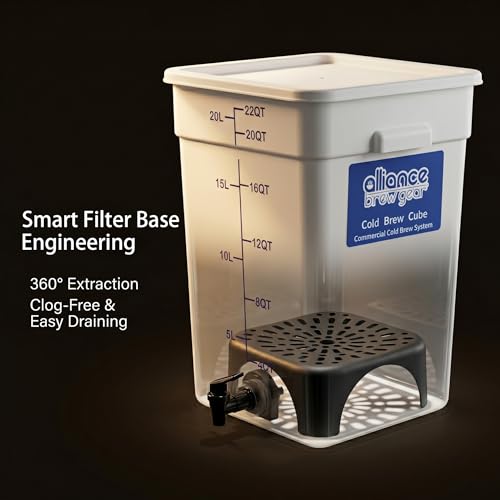
The room temperature method involves combining coarse coffee grounds with cold water and letting the mixture steep on your countertop. Typically, this process takes between 12 to 18 hours, depending on your desired strength and the ambient temperature of your kitchen.
Pros of Room Temp Cold Brew
One of the biggest advantages of the room temp approach is its efficiency; you get your cold brew faster. I often find that room temperature cold brew yields a noticeably richer and bolder flavor profile. The slightly warmer conditions encourage a more robust extraction of aromatic compounds, leading to a full-bodied concentrate that stands up well to dilution. My personal experience shows that for those who love a strong, pronounced coffee taste, this method truly shines.
Cons of Room Temp Cold Brew
While faster, room temperature brewing comes with its own set of challenges. There's a higher risk of over-extraction, which can lead to a slightly bitter or astringent taste if left to steep for too long. Consistency can also be tricky, as fluctuating room temperatures can impact the brewing time. Additionally, because it's less stable, it's crucial to filter and refrigerate the concentrate promptly after brewing to maintain freshness.
Expert Tips for Room Temp
For the best room temp cold brew, start with a coarse grind, similar to sea salt, to prevent over-extraction. Aim for a steep time of 12-16 hours, tasting periodically after 10 hours to find your sweet spot. A common water-to-coffee ratio is 1:5 (one part coffee to five parts water by weight), but don't hesitate to adjust based on your desired strength. Always use filtered water for the cleanest taste.

The Fridge Cold Brew Method
The fridge cold brew method is the slow and steady approach, known for its forgiving nature and exceptionally smooth results. It's often the go-to for beginners and those who prioritize mildness.
What it is
This method involves placing your coffee and water mixture directly into the refrigerator to steep at colder temperatures. The significantly lower temperature drastically slows down the extraction process, requiring a much longer brewing period.
Pros of Fridge Cold Brew
The primary benefit of fridge cold brew is its unparalleled smoothness and low acidity. Because the extraction is so gradual, it's far more forgiving, making it difficult to over-extract. For those who prefer a more mellow cup, a less intense coffee flavor, or struggle with coffee acidity, this method is a game-changer. I’ve found that fridge cold brew consistently produces a clean, sweet, and incredibly palatable concentrate.
Cons of Fridge Cold Brew
The main drawback is the time commitment. Fridge cold brew typically requires a steep time of 18-24 hours, sometimes even longer, which demands patience and foresight. If you're looking for a quick cold brew fix, this isn't it. The slower extraction can also result in a slightly less intense flavor compared to its room-temperature counterpart, which might not appeal to everyone.
Expert Tips for Fridge Cold Brew
Like room temp, a coarse grind is crucial here. Given the longer steep time, you can often push the steep duration to 20-24 hours without significant risk of bitterness. Maintain that 1:5 coffee-to-water ratio as a starting point. The beauty of fridge cold brew is its low-maintenance nature once it's steeping; just set it and forget it until it’s time to filter.
Room Temp vs. Fridge Cold Brew: A Side-by-Side Comparison
When it comes to Room Temp vs. Fridge Cold Brew, the choice often boils down to personal preference and what you prioritize in your morning cup. Each method offers distinct characteristics that cater to different palates.
Flavor Profile
Room temperature cold brew generally boasts a bolder, more pronounced coffee flavor, often with deeper chocolatey or nutty notes. This robust character is due to the slightly more efficient extraction of certain compounds at warmer temperatures. In contrast, fridge cold brew tends to be incredibly smooth, clean, and often sweeter, with subtle fruity or floral undertones. Its low acidity is particularly notable, making it a favorite for those with sensitive stomachs. Does temperature really affect cold brew flavor? Absolutely, as it dictates the rate and type of compounds extracted.
Steep Time
Here's where the most obvious difference lies. Room temp cold brew is typically ready in 12-18 hours. Fridge cold brew requires significantly more patience, usually taking 18-24 hours, sometimes even up to 36 hours for extra smoothness. This longer steep is key to its mellow profile.
Acidity and Smoothness
Both methods produce a less acidic brew than hot coffee, but fridge cold brew takes the crown for ultimate smoothness and lowest acidity. The slow, cold extraction minimizes the release of acidic compounds, resulting in a remarkably gentle beverage. Room temperature brewing, while still smooth, might retain a hint more brightness or acidity.
Consistency and Control
Fridge cold brew offers greater consistency and control due to its slower, more stable extraction environment. It's much harder to "mess up" a batch. Room temperature cold brew, while offering a faster result, requires closer monitoring to prevent over-extraction, as ambient temperature fluctuations can impact the outcome. For someone new to brewing, I often recommend starting with the fridge method for its forgiving nature.
Optimizing Your Cold Brew Batch: Advanced Tips
Beyond the fundamental choice of Room Temp vs. Fridge Cold Brew, several factors can significantly impact the quality of your final product. Fine-tuning these elements is where true cold brew mastery lies.
Bean Selection and Grind Size
The quality of your coffee beans is paramount. Always opt for fresh, whole beans and grind them just before brewing. A coarse grind is non-negotiable for cold brew, regardless of temperature. Too fine a grind will lead to over-extraction, bitterness, and a muddy concentrate. Think of it like coarse sea salt or breadcrumbs – visible particles are key. I once tried to save time using pre-ground coffee and ended up with a bitter, sludgy mess. Lesson learned: invest in a good burr grinder!
Water Quality Matters
Coffee is 98% water, so the quality of your water directly impacts the taste. Filtered water is always superior to tap water, which can contain chlorine, minerals, or off-flavors that detract from your cold brew. Using pure, clean water allows the true flavors of your coffee beans to shine through, whether you’re making Room Temp vs. Fridge Cold Brew.
Experimentation is Key
There's no single "perfect" cold brew recipe because taste is subjective. Experiment with different coffee origins, roast levels (medium to dark roasts usually work best), and water-to-coffee ratios. Adjust your steep times by an hour or two to see how it affects the flavor. Keep a small log of your experiments – you'll be surprised how quickly you find your ideal brew. This journey of discovery is part of the fun!
Post-Brew Storage and Dilution
Once brewed, filter your cold brew concentrate thoroughly. Store it in an airtight container in the refrigerator. Cold brew concentrate can last for up to two weeks, though it's usually best within the first week. Remember, it's a concentrate, so dilute it with water, milk, or ice to your liking. A good starting point is a 1:1 ratio of concentrate to water/milk, but adjust to your taste.

Frequently Asked Questions of Room Temp vs. Fridge Cold Brew: Expert Tips for a Better Batch
Is cold brew safe to make at room temperature?
Yes, it is generally safe to make cold brew at room temperature as long as the brewing period is kept within 12-18 hours and the concentrate is refrigerated immediately after filtering. Prompt refrigeration inhibits bacterial growth.
How long does cold brew last in the fridge?
Cold brew concentrate, when stored in an airtight container in the refrigerator, typically lasts for up to two weeks. Its peak flavor is usually enjoyed within the first week.
Can I use pre-ground coffee for cold brew?
While you technically can, it is highly recommended to use fresh, coarsely ground whole beans for the best cold brew. Pre-ground coffee is often too fine, leading to over-extraction and a muddy, bitter taste.
What's the ideal water-to-coffee ratio for cold brew?
A common starting point for cold brew is a 1:5 ratio of coffee to water by weight (e.g., 200g coffee to 1000ml water). This produces a concentrate that can be diluted later to your preference.
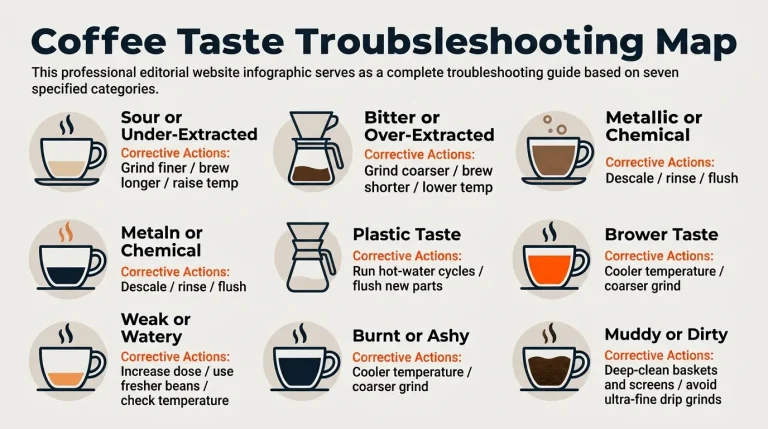
Why does my cold brew taste bitter?
Cold brew often tastes bitter due to using too fine a grind, over-steeping the coffee grounds, or using water that isn't filtered. Adjusting your grind size and steep time can usually resolve this issue.
Conclusion
The journey through Room Temp vs. Fridge Cold Brew reveals that both methods offer unique advantages, catering to different preferences in flavor, time, and convenience. Whether you prefer the bold intensity of a faster room temperature brew or the silky smoothness of a patiently steeped fridge cold brew, the keys to success lie in high-quality beans, precise grinding, and good water. Embrace the spirit of experimentation; play with steep times and ratios to discover your perfect cold brew. Don't be afraid to try both methods and compare the results side-by-side! Share your favorite cold brew recipes and discoveries in the comments below – happy brewing!