Why Does Your Coffee Grinder Make So Much Noise: Solutions
Your coffee grinder makes so much noise because of powerful motors, grinding mechanisms, and the friction of breaking down hard coffee beans.
That jarring, sometimes startling sound from your kitchen isn't just a rude awakening; it's the symphony of a complex process at work. We've all experienced it – the anticipation of a fresh cup of coffee quickly followed by the distinct, often loud, whirring or grinding sound. As someone who has owned, tested, and relied on numerous coffee grinders over the years, I've come to appreciate the science behind that morning racket. It's not just random noise; it's an indicator of your machine working hard to transform whole beans into the perfect grounds for your brew. Let's explore exactly why your coffee grinder makes so much noise and what those sounds truly mean for your daily coffee ritual.

Understanding the Grinding Process
At its heart, a coffee grinder’s job is straightforward: break down hard, roasted coffee beans into smaller, uniform particles. This transformation is crucial for brewing, as it increases the surface area of the coffee, allowing water to extract its flavorful compounds efficiently. Think of it like a tiny, high-speed demolition crew working on miniature boulders. The method of demolition – whether it's crushing, chopping, or a combination – significantly influences both the final grind quality and, you guessed it, the amount of noise your coffee grinder makes.
This process involves considerable mechanical force and friction. The beans themselves are quite hard, and the machinery required to pulverize them needs to be robust. Understanding this fundamental operation helps us see why some level of noise is inevitable, and why your coffee grinder making a racket is often just a sign of it doing its job effectively.
The Main Culprits: Why Your Coffee Grinder Screams
When your coffee grinder makes so much noise, it’s usually a combination of several factors working in concert. From the type of grinder you own to the physical properties of the beans themselves, each element contributes to the overall decibel level. Let's break down the primary reasons for that morning cacophony.
Motor Power and Speed
The engine behind your grinder's performance is its motor. More powerful motors, especially in high-speed blade grinders or certain commercial-grade burr grinders, generate significant noise simply due to their operational mechanics. These motors spin components at incredibly high RPMs, creating vibrations and air movement that translate into sound. A robust motor is essential for grinding tough coffee beans efficiently, so while it contributes to the noise, it's also a sign of a capable machine.
Burr vs. Blade Grinders
The type of grinding mechanism is a major determinant of noise levels.
- Blade Grinders: These operate more like blenders, with a spinning blade chopping at the beans. This method is incredibly fast but also incredibly violent, creating a lot of impact noise as the blades hit the hard beans. The uneven chopping also means beans ricochet off the sides, adding to the racket.
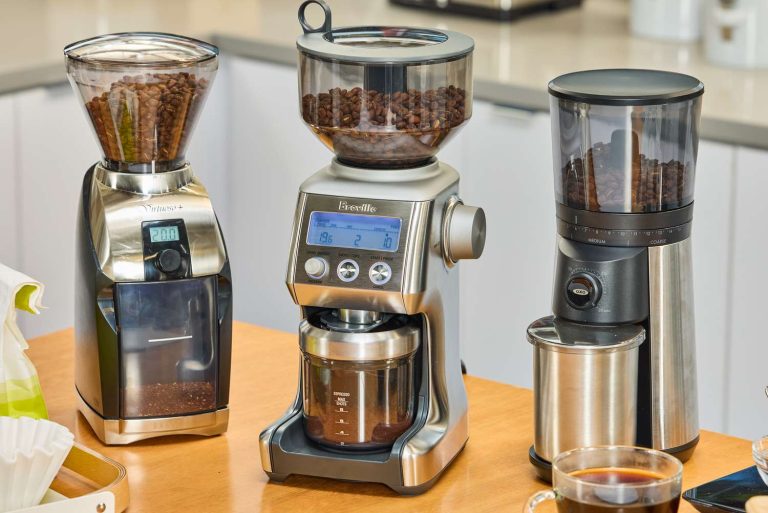
- Burr Grinders: These are generally preferred for quality, as they crush and shear beans between two abrasive surfaces (burrs). While burr grinders offer a more consistent grind, they still generate substantial noise. The friction of the burrs against the beans, plus the motor's effort to power through, produces a distinct grinding sound that can be quite loud, especially with harder, darker roasted beans.
From my experience, the difference in sound is like comparing a frantic chopping session to a steady, powerful crunch. Both are loud, but for different reasons.
The Anatomy of Coffee Beans
Believe it or not, the coffee beans themselves play a role in how much noise your coffee grinder makes. Harder, denser beans – often lighter roasts – require more force and effort to break down. This increased resistance means the motor has to work harder, and the grinding elements create more friction, leading to a louder operation. Darker roasts, being more brittle, might grind a bit more easily but can still contribute to noise through the sheer act of being pulverized.
Wear and Tear: A Grinder's Aging Voice
Like any mechanical device, coffee grinders experience wear and tear over time. Worn-out burrs can become less efficient, forcing the motor to work harder and potentially creating more friction noise. Loose components, like the housing or bean hopper, can vibrate excessively, adding an unpleasant rattling to the usual grinding sound. Regular cleaning and occasional burr replacement can mitigate this, ensuring your coffee grinder doesn't start making unusual noise as it ages.
Improper Usage and Maintenance
Sometimes, the culprit isn't the grinder itself but how it's used or maintained. Overfilling the hopper can put excessive strain on the motor, leading to louder operation. Neglecting to clean out old grounds can cause blockages and force the grinder to strain. Similarly, using the wrong grind setting for your beans or brewing method can make the machine work harder than necessary, increasing the noise level. A little tender loving care goes a long way in keeping your coffee grinder sounding healthy.

Is All Grinder Noise "Bad Noise"?
It's natural to wonder if a loud coffee grinder is always a sign of trouble. The short answer is: not necessarily. As we've discussed, the inherent mechanics of breaking down coffee beans mean that some level of noise is unavoidable, especially in powerful machines. A consistent, strong whirring or grinding sound is often just your grinder doing its job.
However, distinguishing between normal operational noise and a problem sound is key. If your coffee grinder suddenly starts making new, unusual noises – a high-pitched whine, a grinding that sounds like metal-on-metal, or an erratic rattling – then it's time to investigate. These could indicate issues like worn-out burrs, a foreign object jammed inside, or loose components. Trust your ears; if something sounds "off" compared to its usual soundtrack, it probably is.

Taming the Roar: Tips for a Quieter Grind
While you can't eliminate all noise from your coffee grinder, there are practical steps you can take to make your morning ritual a little less jarring. These tips come from years of personal experimentation and working with various grinder models.
- Choose a Quality Burr Grinder: While burr grinders aren't silent, they generally produce a more consistent and often less grating noise than blade grinders. Higher-end burr grinders often have more robust construction and quieter motors.
- Grind in Bursts, Not Continuously: If you have a blade grinder, grinding in short, one-second pulses can reduce the overall impact noise and prevent overheating. For burr grinders, this is less critical, but avoiding continuous, prolonged grinding sessions can still help.
- Place on a Dampening Mat: Placing your coffee grinder on a rubber mat, silicone mat, or even a thick towel can absorb some of the vibrations that transfer to your countertop, reducing resonant noise. It's a simple trick that makes a noticeable difference.
- Keep Your Grinder Clean: Regularly brush out old coffee grounds from the burrs and housing. Accumulated grounds can hinder the grinding mechanism, forcing the motor to work harder and potentially creating more noise.
- Check for Loose Components: Periodically inspect your grinder for any loose screws or parts in the hopper or base. Tightening them can eliminate rattles and vibrations that add to the overall noise.
- Don't Overfill the Hopper: Only put the amount of beans you need for your immediate grind. Overfilling can put unnecessary strain on the motor and burrs, leading to louder operation and potentially shortening the grinder's lifespan.
- Consider Grinder Placement: Grinding near an open window or in a room with soft furnishings (like curtains or rugs) can help absorb some of the sound waves, making the experience feel a bit quieter.
Frequently Asked Questions of Why Does Your Coffee Grinder Make So Much Noise?
Why is my coffee grinder suddenly louder than usual?
A sudden increase in noise usually indicates an issue such as worn-out burrs, a foreign object (like a small pebble) caught in the mechanism, or loose internal components. It's a good idea to clean it thoroughly and inspect the burrs.
Do quieter coffee grinders exist?
Yes, some manufacturers design grinders with noise reduction in mind, often using heavier, more robust housings, quieter motors, or specialized burr designs. Generally, higher-end burr grinders tend to be quieter than their budget counterparts.
Does the type of coffee bean affect how loud the grinder is?
Absolutely. Harder, denser beans, especially light roasts, require more effort from the grinder and can lead to louder operation due to increased friction and motor strain. Darker roasts, being more brittle, might be slightly less noisy.
Is a loud coffee grinder a sign of a bad quality machine?
Not necessarily. Many powerful and effective coffee grinders are inherently loud due to the physics of grinding hard beans. However, excessively shrill or rattling noises might indicate lower build quality or wear and tear.
How can I make my coffee grinder quieter?
You can try several methods, including placing the grinder on a dampening mat, ensuring it's clean and free of blockages, not overfilling the hopper, and checking for any loose parts that might be vibrating. Choosing a quality burr grinder can also help.
Conclusion
The noisy symphony of your coffee grinder is, more often than not, a natural byproduct of its powerful work. Understanding why your coffee grinder makes so much noise – from the motor's grunt to the beans' resistance – helps us appreciate the engineering behind our daily brew. It's a testament to the effort required to transform whole beans into that perfect, aromatic foundation for your morning cup. By recognizing the difference between normal operational sounds and indicators of trouble, and by implementing simple maintenance and usage tips, you can ensure your coffee grinder continues to provide fresh grounds efficiently and, perhaps, a little less jarringly. So, embrace the roar, care for your machine, and continue to enjoy the unparalleled taste of freshly ground coffee. If you're looking to upgrade or learn more about optimizing your grind, dive into more resources on coffee equipment to enhance your brewing experience.