
How to Get Consistent Pour Over Coffee Extraction
Mastering your pour-over technique ensures a consistently delicious cup of coffee every time.
Welcome, fellow coffee enthusiasts! If you've ever dreamt of brewing the perfect cup with a pourover, you've come to the right place. As someone who's spent countless hours perfecting my own pourover extraction, I know the magic that happens when every element aligns. This guide isn't just about making coffee; it's about unlocking the nuanced flavors, aromatic delights, and satisfying consistency that make pourover an art form. We’ll dive deep into the techniques that transform a good cup into an extraordinary one, ensuring your pourover extraction is always on point.

Understanding the Fundamentals of Pourover Extraction
At its heart, pourover extraction is about carefully saturating coffee grounds with hot water, allowing gravity to pull the brewed coffee through a filter. But it's much more precise than simply pouring water. We're aiming for even saturation, controlled contact time, and optimal flavor development. Think of it as a dance between water, coffee, and gravity, where your every move influences the final taste. Getting this right is key to consistent pourover extraction.
What is Pourover Extraction?
Pourover extraction refers to the process where hot water is slowly and evenly poured over a bed of ground coffee, held in a filter within a cone. The water then extracts soluble compounds from the coffee grounds as it drips through, resulting in a brewed coffee. The goal is to achieve a balanced extraction, pulling out the desirable flavors without over-extracting (leading to bitterness) or under-extracting (resulting in sourness or thinness).
Why Consistency Matters
Imagine brewing a fantastic cup one day, only for the next to be mediocre. That inconsistency can be frustrating! Achieving consistent pourover extraction means every cup meets your desired standard. It's about reliability, enabling you to replicate that perfect brew and understand what variables impact the taste. This allows you to fine-tune your process and enjoy excellent coffee, day in and day out.

The Essential Gear for Perfect Pourover
Before we dive into the pouring techniques themselves, let's make sure you have the right tools. Just like a painter needs good brushes, a brewer needs quality equipment. Having the correct gear significantly impacts the ease and consistency of your pourover extraction.
Grinder: The Unsung Hero
The most critical piece of equipment, in my opinion, is a good burr grinder. Blade grinders "chop" coffee, creating an inconsistent mix of fine dust and coarse chunks, which leads to uneven extraction. A quality burr grinder, on the other hand, produces uniform particles, ensuring your water extracts evenly from all the coffee grounds. This evenness is paramount for consistent pourover extraction.
Kettle: Precision is Key
A gooseneck kettle is non-negotiable for pourover. Its slender spout gives you unparalleled control over the water flow, allowing you to direct precisely where and how much water hits the coffee bed. This control is vital for achieving the even saturation needed for optimal pourover extraction. You can manage the speed and target specific areas, leading to a much more consistent brew.
Brewer and Filter
Your choice of brewer (like a Hario V60, Chemex, or Kalita Wave) will influence the flow rate and contact time. Each has its own geometry and filter type that affect pourover extraction. Always use fresh, good-quality filters specific to your brewer. Pre-rinsing your filter is also a small but crucial step; it removes any paper taste and pre-heats your brewer.
Scale and Timer
These two go hand-in-hand. A digital scale ensures you're using the correct coffee-to-water ratio every time, removing guesswork. The timer tracks your total brew time, helping you identify if your pourover extraction is running too fast or too slow. Together, they provide the data points you need to replicate successful brews and troubleshoot inconsistent ones.

Mastering Your Grind: The Foundation of Flavor
I can't stress this enough: the grind size is perhaps the single most impactful variable for your pourover extraction. It dictates how quickly water flows through the coffee bed and how efficiently flavors are extracted.
Finding the Sweet Spot
For most pourover methods, you're looking for a medium-fine to medium grind, similar to table salt or slightly coarser. If your coffee tastes sour or watery, it might be under-extracted, possibly due to a grind that's too coarse. If it tastes bitter or astringent, it could be over-extracted, perhaps from a grind that's too fine, slowing the water flow too much.
PAA-style question: How does grind size affect pourover extraction?
Answer: Grind size dictates the surface area of the coffee grounds exposed to water; a finer grind increases surface area, leading to faster extraction and slower flow, while a coarser grind reduces surface area, resulting in slower extraction and faster flow.
Adjusting for Different Brewers
Different pourover brewers require slightly different grind sizes. A Chemex, with its thicker filter and larger capacity, often benefits from a slightly coarser grind than a Hario V60, which typically uses a medium-fine grind. Experimentation is key here. Start with a recommended setting for your brewer, then adjust incrementally based on taste and flow rate. This fine-tuning is what truly elevates your pourover extraction.

Water Quality and Temperature: The Silent Heroes
You might think water is just water, but it makes up over 98% of your coffee! Its quality and temperature play a huge role in the chemical reactions during pourover extraction.
The Importance of Filtered Water
Tap water often contains minerals, chlorine, or other impurities that can negatively affect the taste of your coffee. Using filtered water, or even bottled spring water, ensures a clean canvas for your coffee's flavors to shine. Water that's too soft or too hard can also hinder optimal pourover extraction.
Ideal Water Temperature
The general consensus for pourover water temperature is between 195°F and 205°F (90°C to 96°C). Water that's too cool will under-extract your coffee, leading to a weak, sour brew. Water that's too hot can over-extract, resulting in a bitter, burnt taste. A temperature-controlled kettle is a fantastic investment for maintaining this consistency in your pourover extraction.
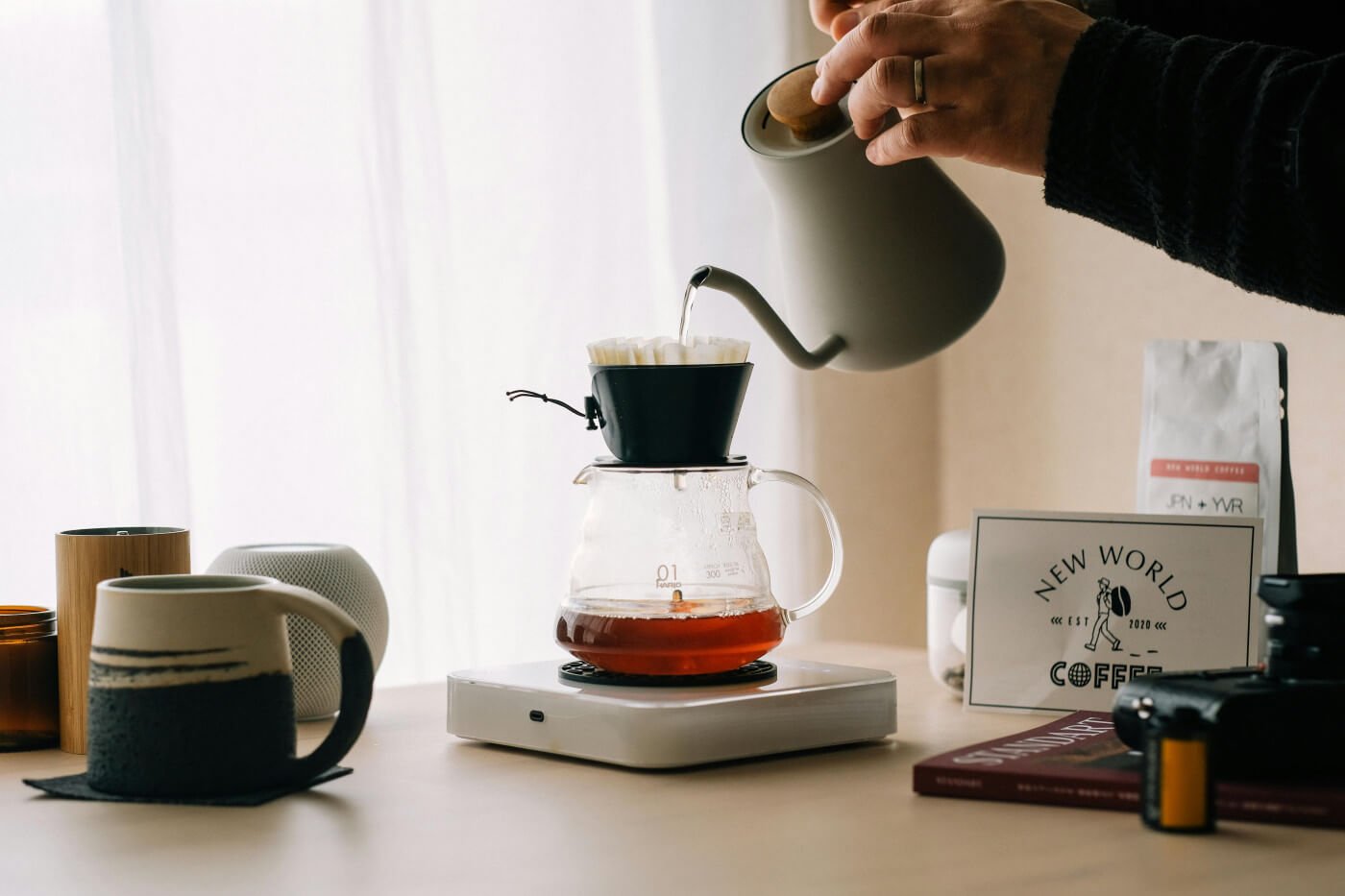
The Pouring Ritual: Techniques for Consistent Pourover Extraction
Now for the main event! This is where you bring all the elements together. Each pour serves a purpose, and mastering them is crucial for consistent pourover extraction.
1. The Bloom (Pre-Infusion)
After adding your freshly ground coffee to the pre-rinsed filter, the first step is the "bloom." This involves pouring just enough hot water (usually about twice the weight of your coffee grounds) to saturate all the grounds. Start in the center and spiral outwards.
- Purpose: The bloom allows the coffee to "degas," releasing trapped carbon dioxide. This gas can repel water, hindering even extraction. By allowing it to escape, subsequent pours can more effectively saturate the grounds.
- Technique: Gently pour for 5-10 seconds, ensuring all grounds are wet. Let it sit for 30-45 seconds. You'll see the coffee "puff up" as the gas escapes – a good sign! This initial saturation is foundational for even pourover extraction.
2. The Main Pours: Slow and Steady
After the bloom, you'll continue pouring the remaining water in stages, usually 2-3 additional pours. The key here is consistency in your pour rate and pattern.
- Pouring Pattern: Start in the center and move in concentric circles outwards, then spiral back inwards. Avoid pouring water directly onto the filter paper; always aim for the coffee bed.
- Flow Rate: Maintain a slow, steady, controlled stream. If you pour too fast, you risk creating channels in the coffee bed, leading to uneven pourover extraction. If you pour too slowly, your brew time might extend too much, causing bitterness.
- Target Weights: Use your scale to hit specific water weight targets for each pour. For example, after the bloom at 50g, you might do a second pour up to 150g, a third up to 250g, and a final pour to your total target (e.g., 300g).
3. Agitation: A Controlled Variable
While the pouring technique itself creates some agitation, some brewers like to gently stir the coffee bed during the bloom or at the start of a main pour.
PAA-style question: Should I stir my pourover coffee during brewing?
Answer: A gentle stir during the bloom can help ensure all grounds are evenly saturated and degassed, but excessive stirring during main pours can disrupt the coffee bed, potentially leading to uneven extraction and sediment.
Generally, I recommend sticking to controlled pouring for most consistent pourover extraction, as excessive agitation can lead to over-extraction or clog the filter with fine particles. However, a gentle swirl of the brewer after a pour can sometimes help level the coffee bed.
My Personal Brew Routine for Consistent Pourover Extraction
Let me share a routine that works wonders for me, based on my Hario V60:
- Prep: Grind 20g of coffee to a medium-fine consistency. Boil filtered water to 200°F (93°C). Place filter in V60, rinse thoroughly, and discard water. Place V60 on scale with server below.
- Bloom: Add 20g of ground coffee. Start timer. Pour 40g of water, ensuring all grounds are saturated. Swirl gently. Let bloom for 45 seconds.
- First Main Pour: At 45 seconds, begin pouring in a circular motion, from center outwards, aiming for 120g total water weight. Finish this pour by 1:15.
- Second Main Pour: At 1:45, begin pouring again, aiming for 200g total water weight. Finish by 2:15.
- Final Pour: At 2:45, pour remaining water, aiming for 300g total water weight. Finish by 3:15.
- Drawdown: Allow the water to fully drip through. The total pourover extraction time should be between 3:30 and 4:00.
- Serve: Remove V60, gently swirl server, and enjoy your perfectly brewed coffee!
This structured approach, with specific timing and weight targets, has been my secret to consistent pourover extraction for years.

Troubleshooting Common Pourover Issues
Even with the best techniques, sometimes things go awry. Here’s how to diagnose and fix common problems with your pourover extraction.
Sour or Under-Extracted Coffee
- Taste Profile: Thin, watery, bright, sharp, sometimes acidic like unripe fruit.
- Possible Causes:
- Grind is too coarse: Water flows too quickly, not enough time for extraction.
- Water temperature is too low: Not enough energy to extract flavors efficiently.
- Insufficient contact time: Brew time is too short.
- Uneven pourover extraction: Some grounds are under-saturated.
- Solutions: Try a finer grind. Increase water temperature. Extend bloom time or pour more slowly. Ensure all grounds are thoroughly wet during the bloom.
Bitter or Over-Extracted Coffee
- Taste Profile: Harsh, astringent, dry finish, sometimes like burnt toast or dark chocolate.
- Possible Causes:
- Grind is too fine: Water flow is restricted, leading to excessive contact time.
- Water temperature is too high: Extracts undesirable compounds too aggressively.
- Too much agitation: Excessively stirring can over-extract.
- Excessive contact time: Brew time is too long.
- Solutions: Try a coarser grind. Decrease water temperature. Reduce agitation. Speed up your pour slightly (without compromising evenness) to shorten brew time.
PAA-style question: Why does my pourover taste weak?
Answer: A weak pourover often indicates under-extraction, likely due to a grind that is too coarse, water that is too cool, or insufficient coffee-to-water ratio.
Frequently Asked Questions about Consistent Pourover Extraction
How do I know if my pourover extraction is "good"?
A good pourover extraction should taste balanced, showcasing the coffee's inherent flavors without excessive bitterness or sourness, and have a pleasant body and aroma.
What is the ideal coffee-to-water ratio for pourover?
A common starting point is a 1:15 to 1:17 ratio of coffee to water (e.g., 20g coffee to 300g-340g water), but this can be adjusted to personal preference.
How often should I clean my pourover equipment?
You should rinse your brewer and server after every use. A deeper clean with soap and water every few days or weekly helps prevent oil buildup that can impart off-flavors.
Can I reuse pourover filters?
No, for optimal taste and hygiene, always use a fresh paper filter for each pourover extraction. Reusing filters can lead to off-flavors and slower flow.
Is pourover coffee stronger than drip coffee?
Pourover coffee typically offers a cleaner, more nuanced cup due to precise control over extraction variables, which can make it feel stronger or more flavorful, though drip machines can be calibrated for similar strength.
Conclusion
Achieving consistent pourover extraction is a journey, not a destination. By understanding the fundamentals, investing in the right gear, and meticulously practicing your technique, you'll unlock a world of incredible coffee experiences. Remember, every variable, from grind size to water temperature and pouring method, plays a role. Don't be afraid to experiment, taste, and adjust until you find your perfect brew. Embrace the process, savor the nuances, and enjoy the rich rewards of mastering your pour.
Ready to elevate your daily coffee ritual? Start experimenting with these techniques tomorrow morning, and share your favorite pourover tips in the comments below!

2 Comments