Coffee Grinder Not Working: Instant Fixes To Try
Your coffee grinder is suddenly not working due to power issues, clogs, motor problems, or engaged safety mechanisms.
There’s nothing quite like the jolt of disappointment when you’re ready for your morning brew, beans loaded, and your trusty coffee grinder decides to take an unannounced vacation. That sudden silence, or perhaps a whirring without any grinding action, can be incredibly frustrating. If you're standing there wondering, "Why is my coffee grinder suddenly not working?" you’re not alone. As someone who has spent years perfecting my coffee routine and troubleshooting countless kitchen gadgets, I understand that sinking feeling. Let's dive deep into the common reasons behind this coffee catastrophe and get your grinder back in action, ensuring your path to a perfect cup remains uninterrupted.

Common Culprits Behind a Sudden Grinder Failure
When your coffee grinder suddenly stops working, it often boils down to a few core issues, ranging from simple oversight to a more complex mechanical snag. Understanding these common culprits is the first step toward diagnosis and getting your morning ritual back on track.
Power Issues: Simple Fixes Often Overlooked
It sounds incredibly basic, but sometimes the answer to "Why is my coffee grinder suddenly not working?" is as simple as checking the power supply. Is the grinder plugged in? Is the outlet working? I can’t tell you how many times I’ve seen friends (and even myself, in a groggy morning haze) forget the most obvious check. A tripped circuit breaker is another common, easily rectifiable issue. Sometimes, the grinder's internal fuse might have blown, protecting the motor from an overload.
Clogged Burrs or Blades: The Silent Killer
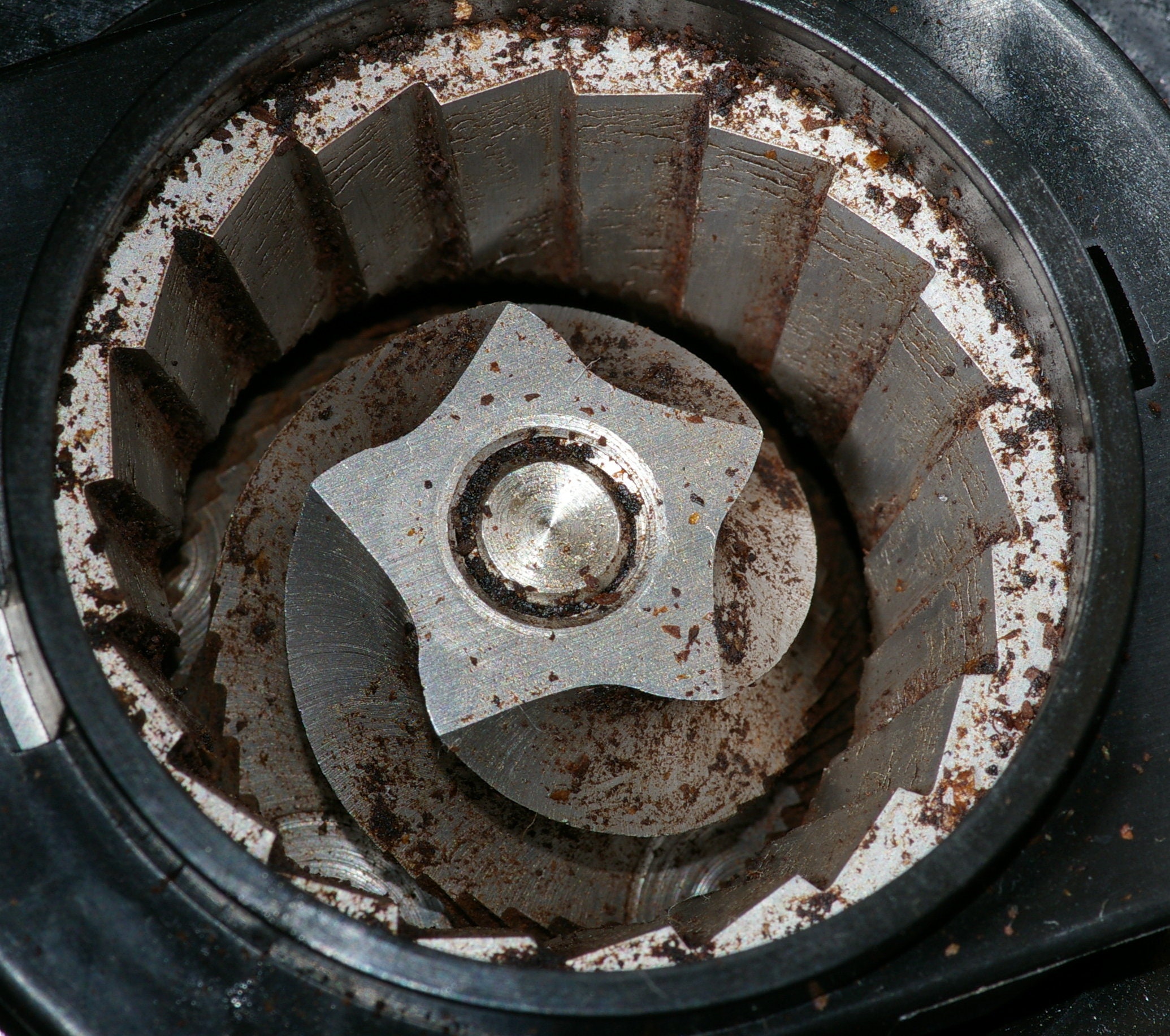
This is a remarkably common reason why your coffee grinder suddenly stops working, especially for those of us who love oily, dark roast beans. Over time, coffee residue, oils, and finely ground particles can build up, forming a dense clog around the burrs or blades. This can prevent them from spinning freely, causing the motor to seize or just hum without grinding. My first grinder met an early demise because I didn't realize the importance of regular cleaning until it was too late and the burrs were practically cemented together.
Motor Overload or Burnout: A Deeper Problem
If your coffee grinder suddenly stops working and you hear a distinct burning smell or the motor just sounds weak, it could be facing an overload or even a burnout. This often happens if you're trying to grind too many beans at once, grinding them for too long, or if the beans are particularly dense. Most household grinders aren't designed for continuous heavy-duty use. Over time, consistent overloading can lead to the motor's premature failure, making it a critical consideration when asking, "Why is my coffee grinder suddenly not working?"
Broken Components: From Fuses to Gearing
Beyond the motor itself, internal components can fail. A small internal fuse might blow to protect the larger electrical system. In burr grinders, the gearing mechanism that drives the burrs can strip or break, especially if foreign objects accidentally get into the grinding chamber. While less common, these mechanical failures are a definite reason why your coffee grinder suddenly decides to quit.
Safety Mechanisms Engaged: A Feature, Not a Bug
Many modern coffee grinders, especially those with removable hoppers or grounds bins, have safety interlock switches. These switches prevent the grinder from operating if the parts aren't correctly assembled. This is a crucial safety feature, but it can be frustrating if you're unaware of it. If your coffee grinder suddenly stops working after you've cleaned it, double-check that all components are securely locked into place.
Diagnosing the Problem: A Step-by-Step Approach
When your coffee grinder suddenly stops working, a methodical approach to troubleshooting can save you time, money, and frustration. Think of yourself as a coffee detective, meticulously examining every clue.
Initial Checks: Power and Placement
Start with the absolute basics. First, confirm the grinder is securely plugged into a live outlet. Try plugging another small appliance into the same outlet to ensure it's functioning. If not, check your circuit breaker. Next, for grinders with removable parts, ensure the hopper and grounds bin are correctly seated and locked. Many grinders won't activate if these safety mechanisms aren't engaged, often a primary reason why your coffee grinder suddenly isn't working after a cleaning.
Visual Inspection: What Can You See?
Open up your grinder and take a good look. Are there any visible obstructions? Sometimes a stray bean, a small rock (yes, it happens!), or even a piece of debris can get lodged in the burrs or blades. For blade grinders, check if the blades are bent or broken. For burr grinders, inspect the burrs for excessive wear, damage, or most commonly, a thick build-up of coffee grounds and oils. This visual check is crucial for identifying a potential clog, a major factor contributing to why your coffee grinder suddenly isn't grinding.
Listening for Clues: Sounds and Silence
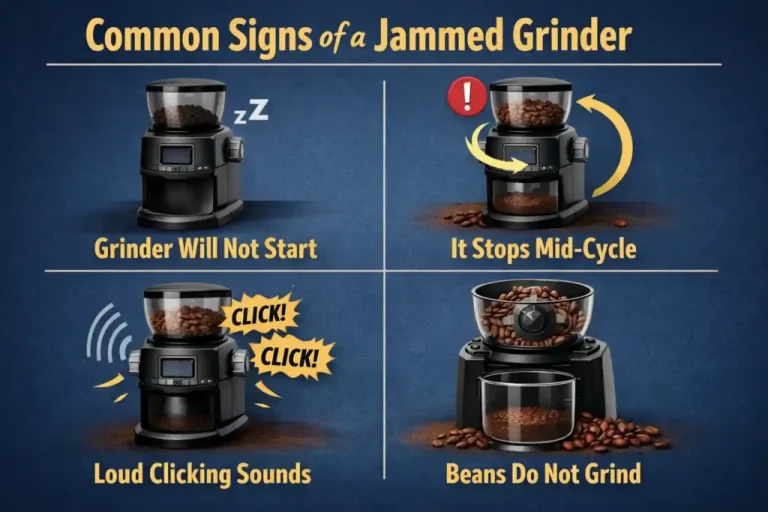
The sound your grinder makes (or doesn't make) can tell you a lot.
- Complete Silence: This often points to a power issue, a blown internal fuse, or a failed safety interlock switch.
- Humming but No Grinding: This usually indicates that the motor is receiving power but the grinding mechanism is jammed. This could be due to severely clogged burrs, a foreign object, or a stripped gear. This is a classic symptom when your coffee grinder suddenly stops working due to a mechanical block.
- Weak or Strained Sound: The motor might be struggling, suggesting an overload, a partial clog, or an impending motor failure.
- Burning Smell: Immediately unplug the grinder. This is a strong indicator of motor burnout or an electrical short, and it means your coffee grinder suddenly isn't working for a serious reason.
Manual Tests: Turning the Burrs
With the grinder unplugged, try to manually turn the burrs or blades.
- Burr Grinders: If your burrs are accessible, try to gently rotate the upper burr or the central shaft. If it's completely stuck, you likely have a significant clog. If it moves but feels gritty, there might be smaller debris or excessive build-up.
- Blade Grinders: Carefully try to spin the blades. If they're stiff or won't move, a clog of fine particles or a motor issue is probable. This simple manual test often reveals why your coffee grinder suddenly feels jammed.

Preventive Measures to Keep Your Grinder Grinding
Nobody wants to deal with a sudden grinder breakdown, especially not during those precious morning hours. By implementing a few simple preventive measures, you can significantly extend the life of your appliance and avoid the frustration of asking, "Why is my coffee grinder suddenly not working?"
Regular Cleaning: The Golden Rule
This is, hands down, the most important preventive step. Coffee beans release oils, and these oils, combined with fine coffee dust, will eventually gum up your grinder's internal mechanisms. I make it a point to give my grinder a quick brush-out once a week and a deeper clean every month or so. For burr grinders, specialized grinder cleaning tablets can help break down oil residue without disassembly. For blade grinders, a quick grind of plain white rice (uncooked, of course) can absorb oils and help dislodge stubborn particles. Regular cleaning is key to preventing the clogs that often cause your coffee grinder suddenly to stop working.
Using the Right Beans: Avoiding Trouble
While it's tempting to explore all sorts of exotic beans, very oily dark roasts or those with flavorings can be particularly tough on grinders. The oils can build up faster, leading to more frequent clogs. If you love these types of beans, just be extra diligent with your cleaning routine. Also, ensure your beans are free from any foreign objects. Occasionally, a small stone or piece of debris can accidentally get mixed in during processing, and these can wreak havoc on your grinder's burrs or blades.
Respecting Capacity: Don't Overload
Your grinder has a limit, and pushing it beyond that limit is a sure way to invite trouble. Overfilling the hopper or attempting to grind large quantities of beans for too long can overheat the motor, leading to an overload or even burnout. If you need a lot of coffee, grind in smaller batches with short breaks in between. This allows the motor to cool down and prevents it from struggling, which often leads to the issue of your coffee grinder suddenly not working.
Proper Storage: Protecting Your Investment
Where you keep your coffee grinder matters. Avoid storing it in extremely humid environments, as moisture can potentially affect the electrical components over time. Also, ensure it's on a stable, flat surface where it won't be knocked over. Protecting it from physical damage and environmental stressors is a small step that contributes to its longevity. A well-cared-for grinder is much less likely to suddenly stop working.

When to DIY vs. Call a Professional
When your coffee grinder suddenly stops working, it's natural to wonder if you can fix it yourself or if it's time to seek expert help. Knowing your limits can save you from further damage or even injury.
Simple Fixes You Can Tackle
Many common grinder issues are surprisingly easy to fix without any special tools or expertise. These include:
- Checking the power source: Re-plugging, checking the outlet, or resetting a circuit breaker.
- Ensuring proper assembly: Making sure all parts, especially safety interlocks, are correctly seated.
- Clearing basic clogs: Often, a brush or a small vacuum can remove visible coffee grounds and debris from the burrs or blades.
- Minor jams: If you hear humming but no grinding, unplugging and manually clearing a visible jam with a non-metallic tool can often resolve the issue.
I’ve personally fixed countless grinders for friends just by doing these basic checks. Sometimes, the issue of "Why is my coffee grinder suddenly not working?" has a very straightforward answer.
Recognizing When It's Time for Expert Help
There are situations where attempting a DIY fix is either beyond your skill level or potentially dangerous. If you encounter any of the following, it’s best to consider a professional repair or replacement:
- Burning smell or smoke: This indicates a serious electrical problem or motor failure. Unplug immediately and do not attempt to use it.
- Internal electrical issues: If you suspect a faulty wire, a blown internal fuse (that's not easily accessible), or a motor problem that's not just an overload.
- Stripped gears or broken internal components: These often require specialized tools and parts.
- You're uncomfortable with the repair: If you're not confident in your abilities, don't force it. Electrical appliances can be dangerous.
- Warranty implications: Attempting a repair yourself might void your warranty.
Considering a Replacement
Sometimes, the cost of repair outweighs the cost of a new unit, especially for entry-level grinders. If your coffee grinder suddenly stops working and it's an older model or a relatively inexpensive one, it might be more economical to invest in a new grinder with improved features and a fresh warranty. Weigh the repair cost against the price of a comparable new grinder before making a decision.

Frequently Asked Questions of Why Is Your Coffee Grinder Suddenly Not Working?
Why does my coffee grinder hum but not grind?
This usually means the motor is receiving power, but the grinding mechanism is jammed. Common causes include severely clogged burrs, a foreign object lodged inside, or stripped gears preventing the burrs from spinning freely.
Can I use rice to clean my coffee grinder?
Yes, grinding a small amount of uncooked white rice (about a quarter cup) can help clean blade grinders by absorbing residual coffee oils and dislodging stuck coffee particles. However, it's not recommended for burr grinders as the hard rice grains can potentially damage the burrs over time.
How often should I clean my coffee grinder?
For optimal performance and longevity, a quick brush-out of grounds should be done weekly, and a deeper clean to remove oil residue and finer particles should be performed monthly. If you use oily dark roasts, more frequent cleaning is advisable.
What kind of beans should I avoid using in my grinder?
While most beans are fine, very oily, dark roast beans can cause quicker residue build-up and clogs. Flavored beans can also leave sticky residues and artificial scents in your grinder. Also, always ensure beans are free from small stones or debris.
Is it worth repairing an old coffee grinder?
It depends on the grinder's original cost, the nature of the repair, and its age. For high-end burr grinders, repairs can often be cost-effective. However, for inexpensive blade grinders or older models with significant issues, buying a new one might be more practical than spending on repairs.
Conclusion
Encountering a sudden grinder malfunction can definitely throw a wrench in your morning routine, but it doesn't have to be a permanent setback. By understanding the common reasons why your coffee grinder suddenly stops working—from simple power issues and stubborn clogs to more complex motor problems or engaged safety features—you're better equipped to diagnose the situation. Remember, a little preventive care, especially regular cleaning and mindful usage, goes a long way in ensuring your coffee grinder remains a reliable part of your daily ritual. Don't let a minor hiccup keep you from that perfect cup; take a moment to troubleshoot, and you'll likely have your grinder happily whirring again. If you've got a favorite troubleshooting tip or a success story, share it in the comments below!