
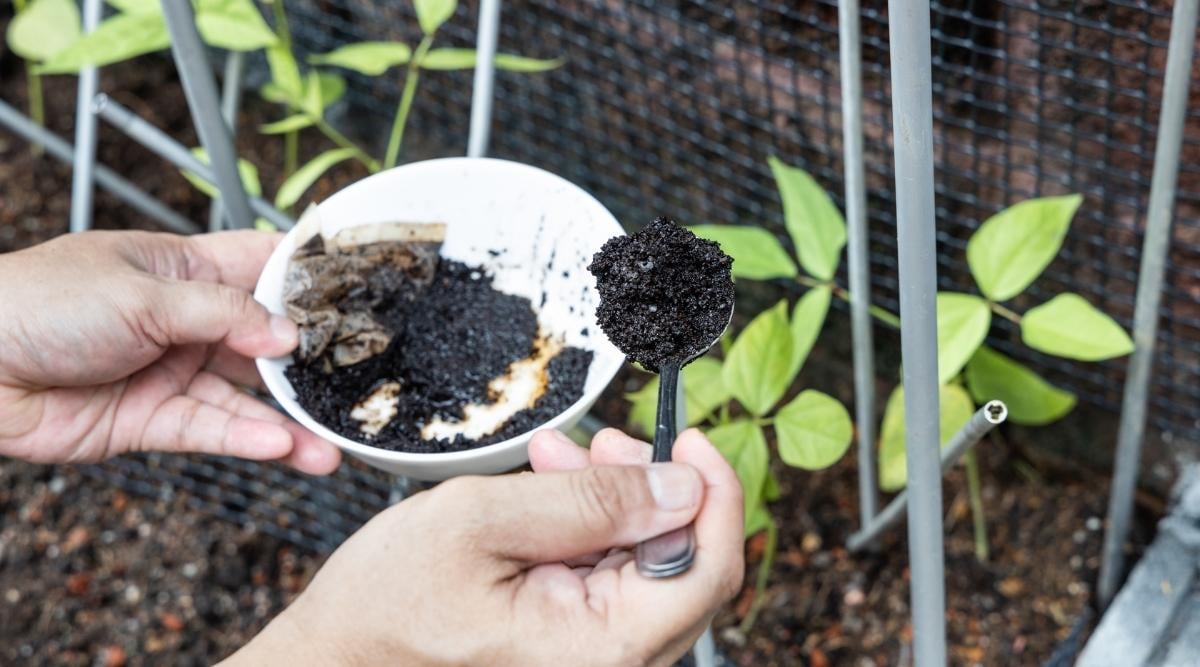
Coffee Grounds Tomato Plants: Fact Or Fiction?
Putting coffee grounds on tomato plants can be beneficial if done correctly, providing nutrients and improving soil structure, but improper use can lead to issues like acidity or nitrogen imbalance.
The debate over using coffee grounds on tomato plants is a common one among home gardeners, often sparking passionate discussions in community forums and garden clubs. As someone who has spent years nurturing various crops, including countless tomato varieties, I've had my fair share of experiments and observations with organic amendments. Understanding the science behind this practice, along with practical application methods, is crucial for anyone hoping to boost their tomato harvest safely and effectively. Let's delve into whether this popular kitchen waste truly holds the key to healthier, more robust tomato plants.

The Basics: What Are Coffee Grounds and Why Tomatoes Love Nutrients?
Coffee grounds, the leftover residue from brewing your favorite cup of joe, are far more than just waste; they're packed with organic matter and essential nutrients. Many gardeners are eager to use these readily available resources to enrich their soil, especially for nutrient-hungry plants like tomatoes. Tomatoes are heavy feeders, requiring a steady supply of macronutrients like nitrogen, phosphorus, and potassium, as well as various micronutrients, to produce those juicy, ripe fruits we all crave.
What nutrients do coffee grounds offer?
Spent coffee grounds contain approximately 2% nitrogen by volume, along with smaller amounts of phosphorus, potassium, and trace minerals such as calcium, magnesium, and copper. Nitrogen is particularly vital for vigorous leafy growth, which is essential for healthy tomato plant development before fruiting. These nutrients are released slowly as the coffee grounds break down, providing a gentle, sustained feeding for your plants.
pH balance: A critical factor
One of the most talked-about aspects of using coffee grounds on tomato plants is their pH. While fresh coffee grounds are acidic, spent coffee grounds are surprisingly close to neutral, typically ranging from 6.5 to 6.8 pH. This makes them less of a concern for significantly altering soil pH than many gardeners might assume, especially when used in moderation. Tomatoes generally thrive in slightly acidic to neutral soil, with an ideal pH range of 6.0 to 6.8. Understanding this balance is key to deciding if coffee grounds are a good fit for your specific garden soil.

Benefits of Coffee Grounds for Tomato Plants
When applied thoughtfully, coffee grounds can offer several advantages for your tomato plants, contributing to a more vibrant and productive garden. My own experiences have shown that incorporating them can lead to noticeable improvements in soil health and plant vigor.
Nutrient enrichment
As mentioned, coffee grounds are a good source of nitrogen, which supports lush green foliage, crucial for photosynthesis. They also contribute phosphorus for root development and flowering, and potassium for overall plant health and fruit quality. This slow-release nutrient profile means your tomato plants get a consistent supply, reducing the need for synthetic fertilizers. Using coffee grounds on tomato plants can effectively supplement their nutritional needs.
Soil structure improvement
The granular texture of coffee grounds can significantly improve soil aeration and drainage, especially in heavy clay soils. For sandy soils, they help to retain moisture and nutrients. This improved structure promotes healthier root growth, allowing tomato plants to access water and nutrients more efficiently. I've observed firsthand how a soil amended with organic matter like coffee grounds feels lighter and more crumbly, which is ideal for robust root systems.
Pest deterrence
Some gardeners report that coffee grounds can act as a natural deterrent against certain garden pests. The abrasive texture might deter slugs and snails from crossing directly to your tomato plants. Additionally, the odor of coffee can be unappealing to some soft-bodied insects and even cats that might otherwise dig in your garden beds. While not a foolproof solution, it can be a helpful component of an integrated pest management strategy when putting coffee grounds on tomato plants.
Weed suppression
Applying a thin layer of coffee grounds can also help suppress weed growth around your tomato plants. This acts as a light mulch, blocking sunlight from reaching weed seeds and preventing them from germinating. Less weeding means more time to enjoy your flourishing tomatoes! This benefit is especially noticeable when grounds are incorporated into a broader mulching strategy.

Potential Downsides and Risks
While the benefits are appealing, it's equally important to be aware of the potential drawbacks of using coffee grounds on tomato plants. Over-enthusiasm or incorrect application can sometimes do more harm than good.
Acidity concerns
Although spent coffee grounds are largely neutral, adding a very large quantity directly to soil that is already acidic could potentially push the pH lower than ideal for tomatoes. An overly acidic environment can lock up essential nutrients, making them unavailable to the plant roots, leading to deficiencies. It’s always a good idea to test your soil pH periodically to ensure it remains within the optimal range for your tomato plants before applying large amounts of coffee grounds.
Over-application and nitrogen overload
Too much of a good thing can be detrimental. Excessive amounts of coffee grounds, especially if they are still somewhat fresh or applied in thick layers, can lead to nitrogen overload. This can cause an imbalance, promoting excessive leafy growth at the expense of fruit production—known as "all greens, no beans." I once saw a fellow gardener's tomatoes become incredibly bushy but rarely set fruit, which we later attributed to an abundance of high-nitrogen amendments. Moderation is key when using coffee grounds on tomato plants.
Fungal growth and mold
When applied in thick, undigested layers, especially in damp conditions, coffee grounds can become matted and promote the growth of mold or fungi. This can hinder air circulation to the soil and roots, potentially leading to root rot or other fungal diseases that can harm your tomato plants. It's crucial to apply coffee grounds thinly or compost them first to avoid creating a breeding ground for undesirable microorganisms.
Compaction issues
A common mistake is applying coffee grounds in a thick, wet, undigested layer. As they dry, they can form a crust that becomes impervious to water and air, preventing both from reaching the plant roots. This can lead to soil compaction, suffocating the roots and causing stress to your tomato plants. Always mix them into the soil or compost them to prevent this issue.

How to Safely and Effectively Use Coffee Grounds on Tomato Plants
Knowing the potential pitfalls, how can you responsibly integrate coffee grounds into your tomato care routine? The key lies in preparation and application technique.
Composting is key
The safest and most effective way to use coffee grounds on tomato plants is to add them to your compost pile. Composting allows the grounds to break down, neutralizing any residual acidity, balancing nutrient ratios, and preventing compaction or mold issues. I've found that a good compost blend, rich with decomposed coffee grounds, works wonders for seedling starts and mature tomato beds alike. Aim for a mix where coffee grounds make up no more than 15-20% of your total compost volume.
Direct application: When and how?
If you opt for direct application, use coffee grounds sparingly and correctly.
- Mix into soil: Before planting your tomato plants, gently mix a small amount of dried coffee grounds (about 1/2 cup per plant) into the top 6 inches of soil. This helps improve soil structure and provides slow-release nutrients without forming a crust.
- Top dressing: For established tomato plants, sprinkle a very thin layer (no more than 1/4 inch) of dried coffee grounds around the base, keeping them a few inches away from the stem. Lightly scratch them into the soil surface or cover with a thin layer of regular mulch to prevent caking. Reapply every 4-6 weeks, if needed, always observing your plants for any signs of stress.
Brewing a "coffee tea"
Another method is to make a "coffee tea" or liquid fertilizer. Steep 1 cup of spent coffee grounds in 5 gallons of water for 24-48 hours. Strain the liquid and use it to water your tomato plants. This provides a mild nutrient boost without the risk of compaction or mold. It's a gentle way to deliver some beneficial elements directly to the roots.
Monitoring your plants
No matter which method you choose, always pay close attention to your tomato plants. Observe their leaf color, growth patterns, and overall vigor. If you notice yellowing leaves, stunted growth, or signs of stress, stop applying coffee grounds and investigate other potential causes. Your plants will tell you what they need!
My personal experience and tips
Through my years of gardening, I've learned that consistency and observation are paramount. When I first started gardening, I was overly enthusiastic about using coffee grounds on tomato plants, scattering thick layers directly on the soil. I quickly learned my lesson when I saw mold patches forming and water struggling to penetrate. Now, I always dry my coffee grounds thoroughly and incorporate them into my compost. When I do use them as a top dressing, I ensure they're a very light sprinkle, almost like a dust, and I mix them into the very top layer of soil or cover them with some straw mulch. This approach has led to healthier soil, happier worms, and ultimately, more bountiful tomato harvests without any of the drawbacks. My best advice is to start small, observe, and adjust.

Alternative and Complementary Fertilizers
While coffee grounds can be a useful soil amendment, they are not a complete fertilizer. For optimal tomato growth, consider incorporating other organic options that provide a broader spectrum of nutrients.
Balanced organic fertilizers
Commercial organic tomato fertilizers are formulated to provide a balanced array of macro and micronutrients specifically tailored for fruiting plants. These often contain ingredients like bone meal, kelp meal, and alfalfa meal, which support robust growth and fruit development. Using these in conjunction with composted coffee grounds ensures your tomato plants receive comprehensive nutrition.
Compost and worm castings
High-quality compost is perhaps the best all-around soil amendment. It improves soil structure, aeration, drainage, and water retention, while also providing a slow release of a wide range of nutrients. Worm castings, produced by composting worms, are another gold standard for organic gardening. They are rich in beneficial microbes and readily available nutrients, making them an excellent booster for your tomato plants. Mixing these into your soil alongside coffee grounds creates a powerhouse growing environment.
Mulching with other materials
Beyond just adding nutrients, a good mulch layer is crucial for tomato plants. Materials like straw, shredded leaves, or wood chips help retain soil moisture, regulate soil temperature, and suppress weeds. These mulches also break down over time, contributing organic matter to the soil. Using coffee grounds on tomato plants can be part of a multi-faceted mulching strategy, layered thinly beneath or mixed with other organic materials.

Frequently Asked Questions
Do coffee grounds acidify soil for tomato plants?
While fresh coffee grounds are acidic, spent coffee grounds are largely neutral, with a pH typically between 6.5 and 6.8. When used in moderation, they are unlikely to significantly alter your soil's pH for tomato plants.
How often can I put coffee grounds on tomato plants?
If applying directly, use dried coffee grounds as a thin top dressing every 4-6 weeks, being careful not to over-apply. Composting them first allows for more frequent and generous application as part of your regular compost routine.
Can coffee grounds deter pests from tomato plants?
Yes, some gardeners find that the abrasive texture and odor of coffee grounds can help deter slugs, snails, and even some digging pests like cats. It's not a complete solution but can be a useful part of integrated pest management for your tomato plants.
What are the signs of too much coffee grounds on tomato plants?
Signs of over-application can include excessive leafy growth with poor fruit set (nitrogen overload), mold or fungal growth on the soil surface, or soil compaction making it hard for water to penetrate. Always observe your tomato plants closely.
Should coffee grounds be dried before using on tomato plants?
Yes, it is highly recommended to dry coffee grounds before applying them directly to soil. Wet, clumped coffee grounds can form a crust, impede water penetration, and encourage mold growth around your tomato plants.
Conclusion
The journey of growing delicious tomatoes is incredibly rewarding, and like many aspects of gardening, it often involves a blend of traditional wisdom, scientific understanding, and a touch of personal experimentation. Using coffee grounds on tomato plants can certainly be a valuable tool in your gardening arsenal, offering a gentle boost of nutrients and improving soil structure. However, it's not a magic bullet and requires careful application. Remember to prioritize composting them, or if applying directly, do so sparingly and ensure they are dried and mixed into the soil.
By understanding the benefits and potential risks, and by always listening to what your plants are telling you, you can successfully incorporate coffee grounds into your tomato care routine. So, the next time you brew your morning coffee, consider giving those grounds a second life in your garden. Start with a small section of your tomato patch, observe the results, and enjoy the process of nurturing your plants. Do you have your own tips for using coffee grounds on tomato plants, or perhaps another organic amendment you swear by? Share your experiences in the comments below – happy gardening!