Coffee Grinder For Spices: Pros, Cons & How-To Guide
Yes, you can absolutely use your coffee grinder to grind spices, but with some important caveats.
Many home cooks, myself included, have looked at that trusty coffee grinder and wondered if it could pull double duty, saving space and money in the kitchen. The allure of freshly ground spices for robust flavors in your cooking is strong, and understanding how your coffee grinder can or cannot fit into that picture is key to culinary success. As someone who has experimented extensively with various kitchen gadgets for both coffee and spices, I can tell you there's a practical and flavorful approach to making this work without ruining your morning brew.

The Appeal of a Dual-Purpose Grinder
The idea of using one appliance for multiple tasks is incredibly appealing, especially in a kitchen where counter space is often at a premium. A coffee grinder sitting idle for most of the day could seemingly be put to good use, transforming whole spices into aromatic powders. This dual functionality offers several compelling benefits that resonate with home cooks everywhere.
First, there's the undeniable convenience. Instead of investing in a separate spice grinder, you can leverage an existing tool. This not only saves money upfront but also reduces clutter. For many of us, the decision to grind whole spices at home often comes down to the promise of superior flavor. Pre-ground spices lose their potency quickly, oxidizing and fading into dull echoes of their former selves. Grinding spices fresh, just before use, unleashes their full aromatic potential, infusing your dishes with unparalleled depth and vibrancy. My early attempts at Indian curries were revolutionized once I started grinding my own cumin and coriander, and my trusty coffee grinder was the gateway to that flavor revelation. It truly makes a noticeable difference in the final taste of a meal.

Blade Grinders vs. Burr Grinders: What's the Difference?
Before you toss a handful of cardamom pods into your grinder, it's crucial to understand the two main types: blade grinders and burr grinders. Each operates differently and has distinct implications for grinding spices.
Blade grinders, often the more affordable option, work by spinning a propeller-like blade at high speeds. This blade doesn't truly "grind" anything; instead, it chops and shatters the beans or spices through impact. Think of it more like a mini food processor. For spices, a blade grinder can work reasonably well for creating a coarse powder, but it often results in an inconsistent grind, with some pieces finely pulverized and others barely touched. You also generate a lot of heat, which can release volatile oils too quickly, diminishing the spice's aroma and potentially "cooking" it slightly. My very first coffee grinder was a blade model, and when I first tried grinding whole nutmeg, I ended up with a mix of dust and chunks, and the grinder smelled strongly of nutmeg for days!
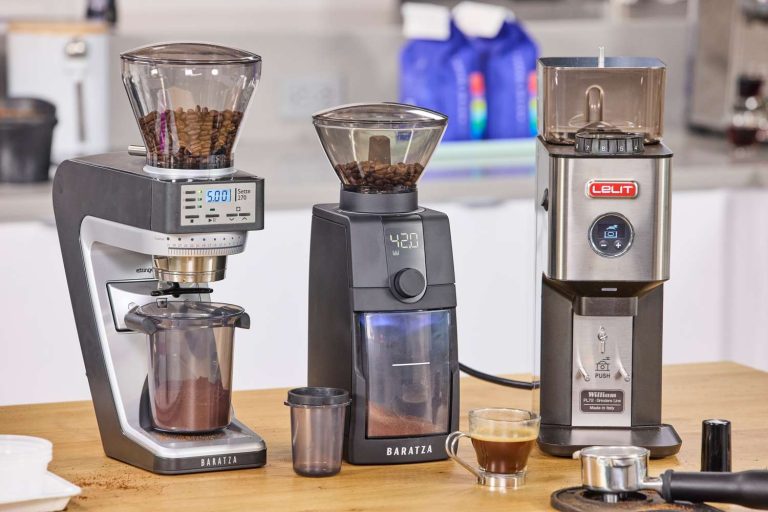
Burr grinders, on the other hand, use two abrasive surfaces (burrs) that grind ingredients between them. You can adjust the distance between these burrs, allowing for a much more consistent and precise grind, from coarse to very fine. They operate at a lower speed, generating less heat and thus preserving the delicate flavors and aromas of both coffee and spices. For coffee aficionados, burr grinders are a must for an even extraction. For spices, this consistency is also a huge advantage, as it ensures all pieces release their flavor uniformly into your dish.

The Flavor Cross-Contamination Conundrum
The biggest challenge when using a single coffee grinder for both coffee and spices is the dreaded flavor cross-contamination. Coffee beans are porous and readily absorb aromas, while many spices, especially pungent ones like cumin, cardamom, or cloves, leave behind strong, lingering scents and oils.
If you don't thoroughly clean your grinder after grinding spices, your next batch of coffee might have an unexpected hint of garam masala. Believe me, a morning cup of coffee that tastes faintly of curry is not the ideal way to start your day. I learned this the hard way after grinding some star anise and then trying to make my morning pour-over. The coffee had an odd, sweet-licorice note that was anything but pleasant. Conversely, if you grind a delicate spice like saffron after a batch of dark roast coffee, the coffee oils can overpower or even muddy the saffron's subtle aroma. This transfer of essential oils and microscopic particles can compromise the integrity of both your coffee and your spices, leading to a less enjoyable culinary experience overall.
To minimize this, rigorous cleaning is paramount. There are several methods you can employ to try and remove lingering odors and oils. One common suggestion is to grind a small amount of plain white rice after grinding spices. The rice acts as an abrasive, helping to dislodge particles and absorb some of the residual oils. After grinding, wipe down the grinder interior with a slightly damp cloth, followed by a dry one. For burr grinders, disassembling and brushing out the burrs is essential for a truly clean slate.

Best Practices for Grinding Spices in Your Coffee Grinder
If you've decided to use your coffee grinder to grind spices, adopting best practices will significantly improve your results and minimize issues. This approach will help you get the most out of your multi-purpose tool.
First, choose the right grinder for the task. While blade grinders are often more common, a dedicated blade grinder is generally better for spices than a burr grinder you use for coffee. A burr grinder will offer a more consistent grind for spices, but cleaning it thoroughly enough to prevent flavor transfer to your coffee can be a painstaking process. If you have an old blade grinder lying around, that's often the perfect candidate for a spice-only role.
Next, prepare your spices properly. Ensure they are completely dry. Any moisture can cause clumping and make grinding difficult. For some spices like cumin seeds or coriander seeds, a quick toast in a dry pan before grinding can significantly enhance their flavor profile, making them more aromatic and easier to grind into a fine powder.
When grinding, use a pulsing technique rather than holding down the button continuously. Short bursts prevent the spices from overheating, which can degrade their delicate oils and lead to a less vibrant flavor. This also helps you achieve a more even grind, especially with blade grinders, as it allows the spices to settle and redistribute between pulses. I've found that grinding in small batches also helps, as it allows for better control over the consistency.
Finally, and perhaps most importantly, clean your coffee grinder rigorously after every spice-grinding session. As mentioned, grinding a small amount of plain white rice (about a quarter cup) can help absorb oils and dislodge particles. Follow this by wiping the interior with a paper towel or a dry brush. For a blade grinder, you can wipe the blades and cup with a cloth dampened with a little rubbing alcohol, then wipe dry. If you own a burr grinder, you'll need to disassemble the burrs and brush them clean to ensure no spice residue remains. This dedication to cleaning is what allows me to sometimes use my older blade grinder for spices without fear of tainting my morning brew.

Spices That Work Well (and Not So Well)
Not all spices are created equal when it comes to coffee grinder compatibility. Knowing which ones to tackle and which to avoid can save you frustration and maintain your grinder's integrity.
Good candidates for a coffee grinder are typically dry, hard, and non-oily spices. Think whole peppercorns (black, white, green), coriander seeds, cumin seeds, fennel seeds, dried chilies, star anise, and whole nutmeg. These spices tend to break down easily and leave behind less residue, making cleanup more manageable. When I need a fresh batch of Garam Masala, I reach for my dedicated spice grinder (which is actually an old blade coffee grinder) to pulverize cinnamon sticks, cardamom pods, and cloves with excellent results.
However, there are also challenging spices that might not fare so well. Oily seeds, such as flax seeds or sesame seeds, can quickly turn into a paste and clog your grinder, making cleanup a nightmare. Their oils can also coat the blades or burrs, trapping flavors and making subsequent cleaning even harder. Fibrous spices, like large pieces of dried ginger or galangal, can also be difficult, sometimes jamming the grinder or leaving behind stringy bits that are hard to process into a fine powder. Another one to be cautious with is whole cinnamon sticks; while they can be ground, they are very hard and can put a strain on less powerful grinders. For these tricky spices, I usually opt for a mortar and pestle or a different method to ensure I get the desired texture without damaging my equipment.

Beyond the Coffee Grinder: Alternative Grinding Methods
While your coffee grinder can certainly pinch-hit for grinding spices, it's not always the optimal tool. For specialized needs or to avoid cross-contamination entirely, several dedicated alternatives offer superior performance.
The mortar and pestle is a timeless tool, perfect for smaller batches and for gently bruising spices to release their aromatics before grinding. It provides unparalleled control over texture, allowing you to go from coarse to fine powder. For a truly authentic paste, a good quality stone mortar and pestle is indispensable, and it’s what I reach for when making something like a fresh Thai curry paste.
Spice-specific grinders are purpose-built machines designed to handle the unique characteristics of various spices. These often come with features like stronger motors, easy-to-clean components, and designs that prevent residue buildup. Investing in one of these can be a game-changer if you frequently grind a wide variety of spices and want to avoid any flavor mix-ups. There are also pepper mills and salt mills designed specifically for those ingredients, providing fresh grinding on demand.
For larger quantities or more fibrous spices, a food processor or a powerful blender can also be effective. While they might not achieve the super-fine consistency of a dedicated spice grinder, they can handle larger volumes and tougher ingredients with ease. Just be sure to pulse the ingredients to avoid overheating and to achieve a more consistent grind. Using a small mini food processor attachment for spices is a popular and effective alternative if you want to keep your main grinder pristine.

Frequently Asked Questions of Can You Use Your Coffee Grinder to Grind Spices Too?
Will grinding spices ruin my coffee grinder?
No, grinding spices typically won't permanently ruin your coffee grinder, especially a blade grinder. However, it can leave behind strong odors and oily residues if not cleaned properly, which can affect the flavor of your coffee.
How do I clean my coffee grinder after grinding spices?
To clean your grinder, grind a small amount of plain white rice, about a quarter cup, to absorb odors and dislodge particles. Then, wipe the interior thoroughly with a dry cloth or paper towel.
Can I use a burr grinder for spices?
While a burr grinder provides a more consistent grind for spices, it's generally not recommended for dual use with coffee due to the difficulty in thoroughly cleaning the burrs and preventing flavor cross-contamination.
Which spices are best to grind in a coffee grinder?
Dry, hard, and non-oily spices like whole peppercorns, coriander seeds, cumin seeds, fennel seeds, and whole nutmeg are good choices for a coffee grinder.
What about oily spices like flaxseeds or sesame seeds?
Oily spices like flaxseeds, sesame seeds, or cloves are not ideal for coffee grinders as they can turn into a paste, clog the grinder, and leave behind stubborn, difficult-to-clean residues.
Should I get a separate grinder for spices?
If you frequently grind spices or are concerned about flavor cross-contamination with your coffee, investing in a separate, dedicated spice grinder (even an inexpensive blade grinder) is highly recommended.
Conclusion
The question of whether you can use your coffee grinder to grind spices often boils down to a balance of convenience, desired results, and careful maintenance. While it's certainly possible, particularly with a blade grinder, the key to success lies in understanding the limitations of your equipment and committing to thorough cleaning. From my own culinary adventures, I've learned that a dedicated (even if it's an old coffee grinder repurposed) spice grinder is a true kitchen asset, ensuring your morning brew remains pure and your culinary creations burst with unadulterated spice flavors. So go ahead, experiment, but remember to clean diligently or consider a separate appliance for the best of both aromatic worlds. Elevate your cooking by embracing fresh spices, and perhaps give your trusty grinder a new lease on life as your dedicated spice-grinding companion!