Coffee Grinder Blades Dull? How to Tell & What to Do
Yes, coffee grinder blades absolutely get dull over time, impacting your brew quality significantly.
As a dedicated coffee enthusiast who's spent countless mornings perfecting my grind, I can tell you firsthand that the performance of your coffee grinder blades is paramount to a truly exceptional cup. Understanding why these blades lose their edge and what it means for your daily ritual is key to unlocking the full potential of your beans. It's a common oversight, yet one that profoundly affects the flavor, aroma, and overall enjoyment of your coffee. If you've ever wondered why your morning brew isn't quite hitting the mark anymore, the secret might just lie in the sharpness of those essential coffee grinder blades.

The Unavoidable Truth: Yes, They Do!
Just like any cutting tool, the blades in your coffee grinder are subject to wear and tear. Every time those stainless steel blades spin at high speeds, pulverizing hard coffee beans, they experience friction and microscopic abrasion. This isn't a sudden process; it's a gradual degradation that slowly diminishes their effectiveness. Over hundreds, or even thousands, of grinding cycles, those sharp edges designed to precisely chop beans into uniform particles become rounded, battered, and less efficient. It’s an unavoidable aspect of using any mechanical kitchen appliance, especially one that deals with tough materials like roasted coffee.
What Exactly Happens?
On a microscopic level, the sharp cutting edges of the coffee grinder blades are slowly worn down. Instead of making clean, precise cuts, a dull blade starts to smash, tear, and pulverize the beans. Imagine trying to slice a tomato with a dull knife versus a sharp one – the difference in the result is stark. A sharp knife glides through, creating clean slices, while a dull one tears the skin and squishes the tomato. Similarly, dull coffee grinder blades produce a much less consistent grind, creating a mix of larger chunks and an excessive amount of very fine powder, often referred to as "fines." This inconsistency is the root of many coffee brewing problems.
Burr Grinders vs. Blade Grinders
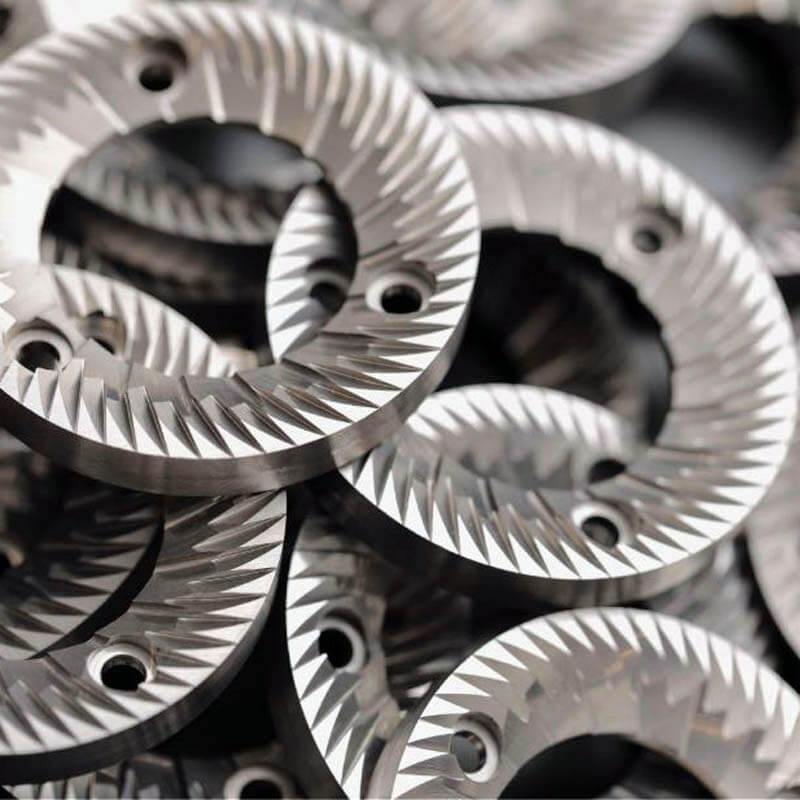
It's important to clarify that when we talk about coffee grinder blades getting dull, we're primarily referring to blade grinders. These are the more affordable, propeller-style grinders that essentially chop coffee beans with spinning blades, similar to a blender. Burr grinders, on the other hand, use two abrasive surfaces (burrs) that grind coffee beans between them, which also wear down over time but in a different manner and often last much longer or can be replaced more easily. For the purpose of this discussion, our focus is squarely on the common, convenient, but ultimately wear-prone coffee grinder blades found in blade grinders.

Signs Your Coffee Grinder Blades Are Dull
Recognizing when your coffee grinder blades are losing their edge is crucial for maintaining your coffee quality. Over my years of brewing, I’ve learned to spot these tell-tale signs, often before the taste of my coffee completely suffers. Paying attention to these indicators can save you from many frustrating cups.
Inconsistent Grind Size
This is perhaps the most significant indicator. When your coffee grinder blades are sharp, they can create a relatively consistent particle size (though never as uniform as a burr grinder). As they dull, they struggle to chop evenly, resulting in a wide range of particle sizes. You'll notice chunky bits mixed with a lot of very fine powder. This inconsistency is a disaster for brewing, leading to uneven extraction, where some particles are over-extracted and others are under-extracted, creating a muddy or unpleasant flavor profile.
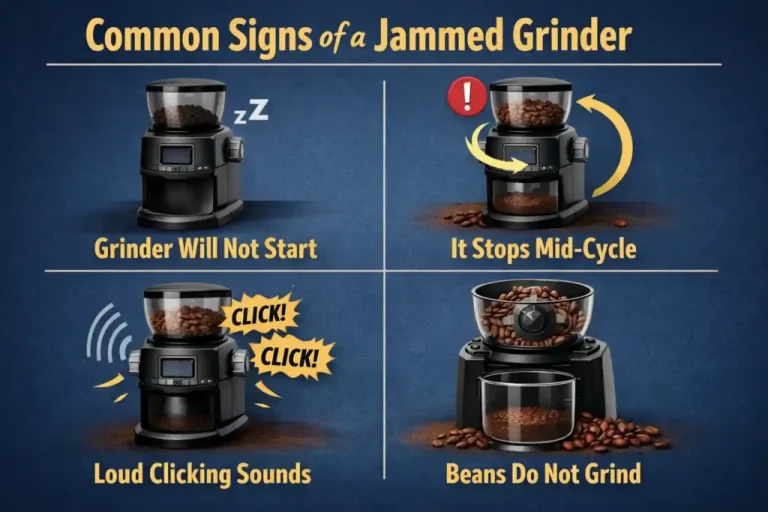
Increased Grinding Time & Noise
Have you noticed your grinder sounding more strained or taking longer to achieve the desired "fineness"? That's a classic sign. Dull coffee grinder blades have to work harder to break down the beans. They might spin for longer, producing more heat and a different, often higher-pitched or more labored sound, as they struggle to cut through the beans efficiently. This extra effort not only puts strain on the motor but also increases the risk of overheating the beans, which can subtly alter their flavor even before brewing.
Change in Coffee Flavor
This is the ultimate consequence. If your coffee starts tasting bitter, sour, or just generally "off" without any changes to your brewing method or beans, dull coffee grinder blades are a prime suspect. The inconsistent grind leads to uneven extraction. The fine particles over-extract quickly, releasing bitter compounds, while the larger chunks under-extract, contributing sourness. This imbalance creates a muddled, less vibrant cup that lacks the clarity and nuance you expect from quality coffee. I can't tell you how many times I've troubleshooted a "bad" batch of coffee only to realize my grinder was the real culprit.
Excessive Fine Dust
When your coffee grinder blades are dull, they don't cleanly cut the beans; they essentially smash and pulverize them. This action creates a much higher proportion of very fine dust or "fines" compared to a sharper blade. You might notice more powdery residue sticking to the inside of the grinder or a visible cloud of dust when you open the lid. These fines are problematic because they clog filters, lead to sludge in your cup, and, as mentioned, are notorious for causing over-extraction and bitterness.

Factors Accelerating Blade Dullness
While dullness is inevitable for coffee grinder blades, certain factors can speed up the process. Being aware of these can help you manage the lifespan of your grinder and maintain better coffee quality for longer. It's like understanding how to maintain a good kitchen knife; recognizing what stresses the blade helps you prolong its sharpness.
Frequency of Use
This one is fairly straightforward: the more you use your blade grinder, the faster its coffee grinder blades will dull. If you're a daily coffee drinker, especially multiple times a day, your blades will naturally wear out more quickly than someone who only grinds occasionally. Every use introduces friction and impact, contributing to the gradual dulling process. For a busy household, this wear can be quite significant over a year.
Type of Coffee Beans
The hardness and density of the coffee beans you grind also play a significant role. Darker roasted beans tend to be more brittle and oily, making them somewhat easier to break down, though the oil can contribute to residue buildup. Lighter roasted beans, on the other hand, are often denser and harder. Grinding these harder beans puts more strain on the coffee grinder blades, accelerating their wear. Additionally, any small stones or debris that might occasionally be present in low-quality beans can cause immediate damage to the blades.
Blade Material & Quality
Not all coffee grinder blades are created equal. Most blade grinders use stainless steel blades, but the specific grade and hardness of that steel can vary significantly. Higher-quality, harder stainless steel blades will naturally resist dulling for longer than cheaper, softer alternatives. Unfortunately, for most budget blade grinders, the specific material quality isn't always advertised, making it hard to judge without personal experience or research.
Cleaning Habits
Neglecting to clean your coffee grinder can also hasten the dulling of its blades. Over time, coffee oils and fine particles accumulate on the blades and inside the grinding chamber. This residue can create a sticky, abrasive layer that increases friction during grinding, forcing the coffee grinder blades to work harder and dulling them faster. Regular cleaning not only preserves blade sharpness but also prevents rancid oils from tainting the flavor of your fresh coffee.

Extending the Life of Your Coffee Grinder Blades
While you can't prevent dullness entirely, there are several practical steps you can take to slow the process down and keep your coffee grinder blades sharper for longer. From my own experience, these simple habits make a noticeable difference in both grinder longevity and coffee quality.
Regular Cleaning
This is perhaps the most effective way to extend the life of your coffee grinder blades. After each use, or at least every few days, give your grinder a quick clean. Disconnect it from power, then use a small brush (a dedicated coffee brush or even an old toothbrush works wonders) to sweep out all remaining coffee grounds and fines. For a deeper clean, occasionally wipe the blades and chamber with a slightly damp cloth, then immediately dry it thoroughly. You can also run a small amount of uncooked rice (about a tablespoon) through the grinder; the rice will absorb oils and help dislodge stubborn particles, but remember to clean out the rice dust afterward.
Grinding Wisely
Avoid overfilling your grinder. Overloading the chamber forces the coffee grinder blades to struggle through too many beans at once, leading to more impacts and less efficient cutting. Instead, grind in smaller batches. Also, avoid continuously running the grinder for extended periods. A quick pulse technique (several short bursts rather than one long grind) can be more effective for achieving consistency and reduces heat buildup, which can also stress the blades and motor.
Considering an Upgrade
Ultimately, if you're serious about your coffee and find yourself frequently frustrated by dull coffee grinder blades and inconsistent grinds, it might be time to consider upgrading to a burr grinder. While a higher initial investment, burr grinders provide a far more consistent and precise grind, which is fundamental to superior coffee extraction. Many burr grinders also have replaceable burrs, meaning you can easily swap them out when they wear down, rather than needing a whole new unit. It's a game-changer for any home barista.
The Impact on Your Brew: Why it Matters
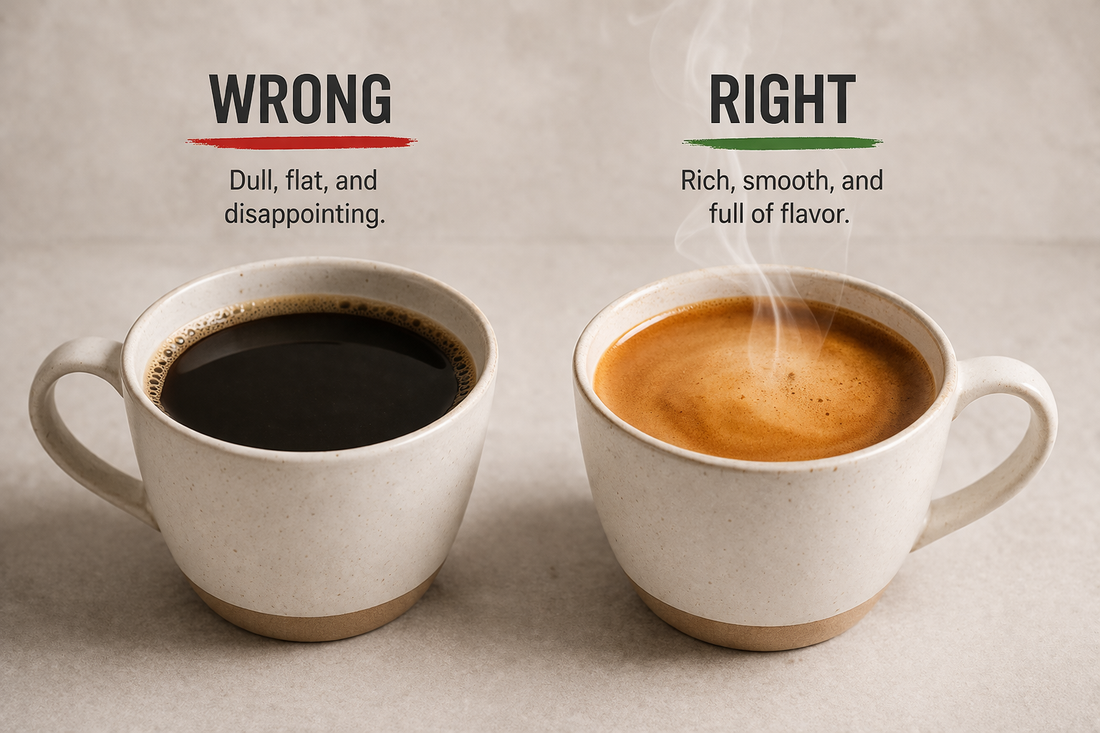
The integrity of your coffee grinder blades isn't just a technical detail; it directly affects the sensory experience of your coffee. For anyone who truly cherishes their morning cup, understanding this connection is vital. A dull blade isn't just an inconvenience; it's a barrier to a truly great brew.
Extraction Issues
As we discussed, dull coffee grinder blades lead to an inconsistent grind – a mix of boulders and fines. When you brew, water will extract very differently from these various particle sizes. The fines will over-extract rapidly, releasing bitter and astringent flavors, while the larger chunks will under-extract, contributing sourness and a lack of body. This uneven extraction means you can never achieve a balanced, full-flavored cup. It’s like trying to cook different foods in the same pan at the same temperature and expecting them all to be perfectly done.
Flavor Degradation
Beyond extraction issues, dull coffee grinder blades can cause broader flavor degradation. The heat generated by overworked, dull blades can prematurely cook delicate aromatic compounds in the coffee, stripping away its nuanced flavors and aromas even before brewing. The resulting brew often tastes flat, muddy, or one-dimensional, losing the vibrant notes and complex character that make specialty coffee so enjoyable. From my personal brewing journey, this subtle but significant loss of flavor is the most heartbreaking consequence of neglecting blade maintenance.
Frequently Asked Questions of Do Coffee Grinder Blades Get Dull Over Time?
How often should I replace coffee grinder blades?
It's generally not feasible to replace the blades in most standard blade grinders; the entire unit typically needs replacement when the blades become too dull. Depending on frequency of use and bean hardness, this could range from 1-3 years for daily users, or even longer for occasional grinders.
Can I sharpen coffee grinder blades myself?
While theoretically possible, sharpening coffee grinder blades at home is generally not recommended or practical. They are typically small, irregularly shaped, and difficult to sharpen evenly without specialized tools, which could lead to an even more inconsistent grind.
What's the best way to clean blade grinders?
The best way is to use a small brush (like a stiff paint brush or old toothbrush) to sweep out all grounds and then wipe the inside with a dry cloth. For deeper cleaning, you can grind a small amount of uncooked rice to absorb oils, followed by brushing out the rice dust thoroughly.
Do all coffee grinders have blades?
No, not all coffee grinders have blades. There are two main types: blade grinders, which chop coffee with spinning blades, and burr grinders, which mill coffee between two abrasive surfaces (burrs). Burr grinders are generally preferred for superior grind consistency.
Is a dull blade dangerous?
A dull coffee grinder blade itself isn't inherently dangerous in terms of causing injury, as it's enclosed during operation. However, a dull blade can cause the grinder motor to work harder, potentially leading to overheating or premature failure of the appliance over time.
Conclusion
The truth is, coffee grinder blades do get dull over time, and this natural wear and tear significantly impacts the quality of your coffee. From producing inconsistent grinds that lead to uneven extraction to subtly degrading your coffee's delicate flavors, dull blades are a silent saboteur of your brewing efforts. By understanding the signs of dullness and adopting simple maintenance habits like regular cleaning and wise grinding practices, you can certainly extend the effective life of your grinder and enjoy better coffee for longer. However, for those truly seeking to elevate their coffee experience, considering an upgrade to a quality burr grinder remains the most impactful step you can take. Don't let a dull blade stand between you and your perfect cup; take action today to ensure your coffee is always at its best! If you're curious about different grinder types or maintenance tips, feel free to explore our other resources on optimal coffee preparation!