Coffee Grind Size Chart: Find the Right Grind for Every Brew
A coffee grinder grind size chart is your essential guide to matching specific grind textures with various brewing methods for optimal flavor and extraction.
Ever wondered why your homemade coffee doesn't quite hit the mark compared to your favorite coffee shop? Often, the secret lies not just in the beans or the brew method, but in the precise grind size. Mastering the intricacies of the coffee grinder grind size chart is a game-changer for any coffee enthusiast. In this comprehensive guide, we'll dive deep into what setting for what brew, ensuring your next cup is perfectly balanced and bursting with flavor. We'll explore the spectrum of grind sizes, from extra coarse to super fine, and reveal how each one unlocks the unique potential of different brewing techniques, drawing on years of personal brewing triumphs and tribulations to help you achieve coffee perfection.
Why Grind Size Matters for Your Coffee
Understanding the impact of grind size is fundamental to brewing exceptional coffee. Think of it this way: coffee extraction is all about water interacting with coffee particles to dissolve desirable flavors and aromas. If your grind is too fine for a particular brew method, the water has too much surface area to interact with in too short a time, leading to over-extraction. This results in a bitter, astringent, and often hollow-tasting cup. Conversely, a grind that's too coarse for the brew time will lead to under-extraction, producing a sour, weak, and watery coffee because not enough flavor compounds have been dissolved.
I learned this lesson the hard way early in my coffee journey. My first French press attempts were consistently muddy and bitter until a barista friend explained the concept of proper grind size. It was an "aha!" moment that completely transformed my home brewing. The goal is to find that perfect balance where the water spends just the right amount of time extracting the delicious oils and soluble solids from the coffee, without pulling out the undesirable ones. This is why a thorough understanding of the coffee grinder grind size chart is so crucial.

Understanding the Coffee Grinder Grind Size Chart
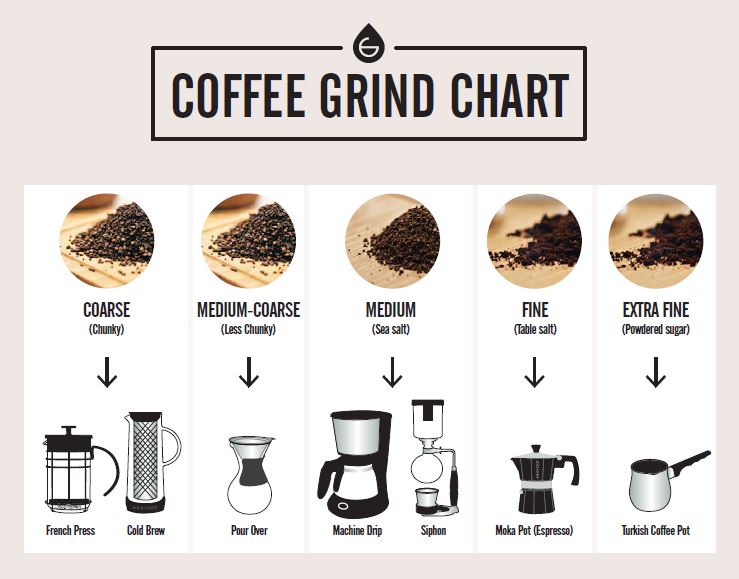
The coffee grinder grind size chart serves as a visual and tactile reference, guiding you through the various textures of ground coffee and their corresponding brewing applications. From chunky to powdery, each grind has a purpose. Generally, the longer the contact time between water and coffee, the coarser the grind should be to prevent over-extraction. Conversely, shorter contact times or methods relying on pressure require a finer grind to ensure adequate extraction.
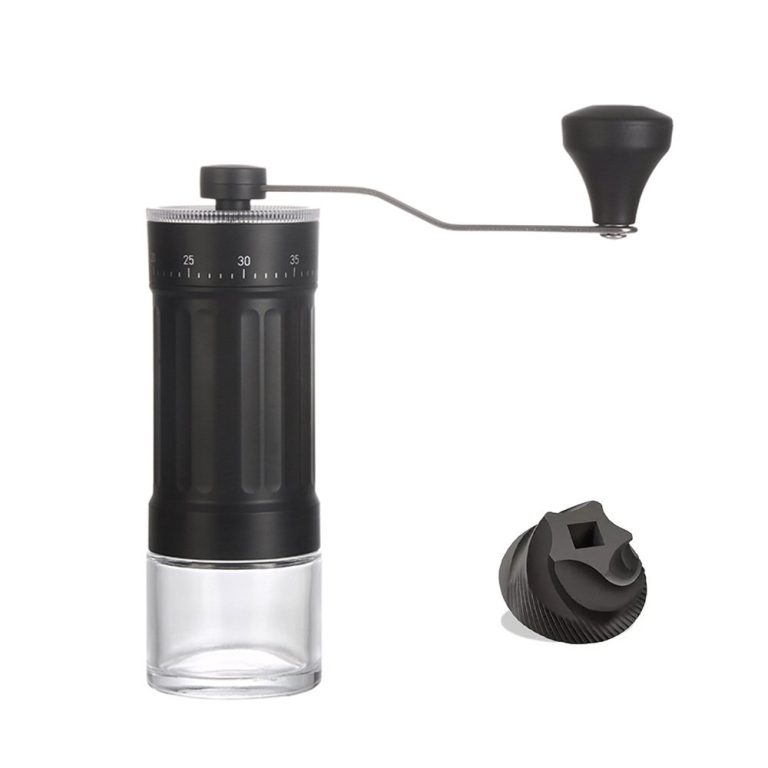
When considering a coffee grinder grind size chart, it's vital to differentiate between types of grinders. Burr grinders, whether flat or conical, are superior because they crush beans uniformly, producing consistent particle sizes. Blade grinders, on the other hand, chop the beans unevenly, leading to a mix of fines and coarse particles that results in an inconsistent extraction and a less refined cup. Investing in a good burr grinder is perhaps the single most impactful upgrade you can make to your coffee setup.
What is the primary difference between a burr grinder and a blade grinder?
A burr grinder crushes coffee beans into consistently sized particles using two abrasive surfaces, while a blade grinder chops beans unevenly with a spinning blade, producing an inconsistent mix of grind sizes.

Extra Coarse Grind: For Cold Brew and Cowboy Coffee
An extra coarse grind is characterized by large, distinct particles, often resembling cracked peppercorns or coarse sea salt. You can easily see the individual pieces of coffee bean. This is the largest setting you'll typically find on a coffee grinder grind size chart.
This grind size is ideal for brewing methods that involve a very long steeping time, such as cold brew and traditional cowboy coffee. For cold brew, the extended contact time (12-24 hours) with cold water requires a large particle size to prevent over-extraction and the development of bitterness. Using a finer grind for cold brew would result in an unpleasantly strong and bitter concentrate. Similarly, for cowboy coffee, where grounds are simply added directly to boiling water and steeped, an extra coarse grind helps the grounds settle at the bottom of the pot, making for a cleaner sip. I've found that getting this grind just right for cold brew makes all the difference for a smooth, sweet concentrate that's perfect for summer mornings.

Coarse Grind: Perfect for French Press and Percolator
Moving slightly finer on the coffee grinder grind size chart, a coarse grind has the consistency of coarse sea salt or breadcrumbs. The particles are still distinct and visible, but noticeably smaller than an extra coarse grind.
This grind is the go-to for French press and percolator brewing methods. The French press, with its full immersion and 4-minute steep time, benefits from a coarse grind because it allows the water to fully saturate the grounds without over-extracting bitter notes. A coarser grind also prevents too many fine particles from passing through the mesh filter, leading to a cleaner, less sludgy cup. When I first started perfecting my French press, I realized how much the coarse grind contributes to that rich, full-bodied experience without the grit. For percolators, a coarse grind helps prevent the grounds from being carried up into the brewing chamber and allows for the repetitive cycling of water without over-extraction.

Medium-Coarse Grind: The Sweet Spot for Chemex and Drip Coffee
A medium-coarse grind feels like rough sand to the touch. It's a noticeable step down from coarse but still clearly distinct from finer grinds on the coffee grinder grind size chart.
This grind size finds its sweet spot with brewing methods like the Chemex and some pour-over drippers that use thick paper filters, as well as certain automatic drip coffee makers. The Chemex, with its unique filter, offers a slightly slower flow rate, and a medium-coarse grind provides the perfect balance for extraction over its typical brew time (around 4-5 minutes). It allows for a clean, sediment-free cup with bright flavors. I often recommend this grind for pour-over newcomers because it's forgiving while still allowing for excellent flavor development.
Can I use a medium-coarse grind for a standard automatic drip coffee maker?
Yes, a medium-coarse grind is often suitable for standard automatic drip coffee makers, especially those with flat-bottom filters, as it allows for proper extraction during the typical brewing cycle without clogging or over-extracting.

Medium Grind: The Versatile All-Rounder for Drip and Pour-Over
A medium grind resembles regular sand in texture. It's the most common and versatile grind size on the coffee grinder grind size chart, making it an excellent starting point for many brewers.
This grind is ideal for most automatic drip coffee makers that use cone-shaped filters, as well as popular pour-over devices like the Hario V60 (though some prefer medium-fine for V60) and standard AeroPress methods (especially inverted ones where contact time can be controlled). The medium grind strikes a balance, offering sufficient surface area for good extraction during moderate brew times (3-5 minutes) while not slowing down the water flow excessively. When advising friends on their first grinder, I usually suggest aiming for a medium grind first, as it's the most forgiving and provides a good baseline for most everyday brewing needs.

Medium-Fine Grind: Ideal for Pour-Over and Aeropress
A medium-fine grind has a texture that's finer than sand but still retains a slight grit, much like table salt. This position on the coffee grinder grind size chart is where things start to get more nuanced for pour-over enthusiasts.
This grind size truly shines for specific pour-over techniques, such as the standard Hario V60 method, where a slightly faster extraction is desired due to the cone's design. It also works wonderfully for the AeroPress when brewing a more concentrated shot or using a standard upright method with a shorter steep. The increased surface area of a medium-fine grind allows for efficient flavor extraction in these methods, which often have shorter contact times than, say, a French press. I personally lean towards a medium-fine grind for my V60, finding it consistently produces a bright, clean, and nuanced cup. It's all about matching the coffee grinder grind size chart to your specific brewer.

Fine Grind: Espresso and Moka Pot's Best Friend
A fine grind feels smooth to the touch, like table salt or sugar. It's noticeably finer than sand and a critical point on the coffee grinder grind size chart for pressure-based brewing.
This grind size is indispensable for espresso machines and Moka pots. Both methods rely on pressure and short contact times to force water through densely packed coffee grounds. For espresso, a fine grind creates the necessary resistance for the hot water, building pressure to extract a concentrated shot with crema in about 25-30 seconds. If the grind is too coarse, the water rushes through, leading to under-extraction and a weak shot. Conversely, if it's too fine, the water chokes the machine, resulting in a bitter, over-extracted shot. Getting the grind for espresso "dialed in" is an art form that requires careful adjustment to your coffee grinder grind size chart. Moka pots also benefit from a fine grind, though perhaps not as fine as espresso, to ensure proper pressure builds for its unique brewing process.
Why is a consistent fine grind so crucial for espresso?
A consistent fine grind is crucial for espresso because it creates the necessary resistance for high-pressure water extraction in a short timeframe, ensuring proper pressure buildup and uniform extraction of flavors to produce a balanced shot with crema.
Extra Fine/Turkish Grind: Beyond the Usual
An extra fine grind, often referred to as a Turkish grind, is powder-like, akin to flour or powdered sugar. It's the absolute finest setting on the coffee grinder grind size chart and cannot be achieved by most home grinders.
This specific grind size is exclusively used for traditional Turkish coffee. In this method, the incredibly fine coffee grounds are brewed directly in a cezve (a special pot) and consumed along with the coffee, settling at the bottom of the cup. The powder-like consistency is essential for this unique experience, as it allows for maximum contact and a very strong, unfiltered brew. Attempting to use such a fine grind for any other method would lead to severe over-extraction and render the coffee undrinkable. Special grinders are typically required to achieve this extreme level of fineness.
Tips for Mastering Your Coffee Grinder Grind Size Chart
Mastering your coffee grinder grind size chart is an ongoing journey of experimentation and refinement. Here are some practical tips I've gathered over the years to help you get the most out of your grinder and elevate your daily brew:
- Start with Recommendations, Then Adjust: Always begin with the recommended grind size for your chosen brew method. From there, use your taste buds and brew time as guides to make small adjustments. If your coffee tastes sour or weak, go finer; if it's bitter or astringent, go coarser.
- Invest in a Quality Burr Grinder: As mentioned, a good burr grinder is non-negotiable for consistent, delicious coffee. It provides the uniform particle size necessary for predictable extraction, something blade grinders simply cannot achieve.
- Always Grind Fresh: Coffee begins to lose its aromatic compounds minutes after grinding due to oxidation. Grinding your beans just before brewing is the single most impactful way to improve your coffee's flavor.
- Experimentation is Key: Don't be afraid to try different settings around the recommended range. Every coffee bean, roast level, and even ambient humidity can affect how extraction occurs. Keep a small journal to note down your grind settings, brew times, and tasting notes.
- Clean Your Grinder Regularly: Old coffee oils and fines can build up in your grinder, becoming rancid and imparting off-flavors to your fresh beans. Follow your grinder's instructions for regular cleaning to maintain peak performance and flavor integrity.
Frequently Asked Questions of Coffee Grinder Grind Size Chart: What Setting for What Brew
How does grind size affect coffee flavor?
Grind size directly influences extraction; a finer grind increases surface area for quicker extraction, potentially leading to bitterness if over-extracted, while a coarser grind reduces surface area, requiring longer contact time to prevent a sour, under-extracted taste. Matching the grind to the brew method is crucial for balancing flavors.
Can I use the same grind size for all brewing methods?
No, using the same grind size for all brewing methods will result in inconsistent and often unpleasant coffee because each method has different water contact times and pressure requirements that demand a specific grind to optimize extraction.
What's the best way to tell if my grind size is correct?
The best way to tell if your grind size is correct is by tasting your coffee and observing the brew time; a balanced flavor indicates a good grind, while sourness suggests it's too coarse and bitterness means it's too fine.
Should I adjust my grind size based on the type of coffee bean?
Yes, you should adjust your grind size based on the type of coffee bean, as different roasts and densities can affect extraction rates, meaning a lighter roast might need a slightly finer grind than a darker roast for the same brew method.
How often should I clean my coffee grinder?
You should clean your coffee grinder regularly, ideally once a week for daily users, to remove old coffee oils and particles that can become rancid and negatively impact the flavor of your freshly ground beans.
Conclusion
Navigating the coffee grinder grind size chart is a foundational skill for anyone serious about brewing exceptional coffee at home. By understanding how each grind size—from extra coarse for cold brew to extra fine for Turkish coffee—interacts with different brewing methods, you gain precise control over the extraction process. This knowledge empowers you to unlock the full potential of your beans, transforming your daily cup from routine to remarkable. Remember, consistency is key, and experimentation is your best friend in this journey.
Don't be afraid to tweak your settings, taste critically, and learn from every brew. The perfect cup is always within reach when you pay attention to the details of your coffee grinder grind size chart. Share your own grinding adventures in the comments below, or explore our other guides on optimizing your daily brew!