
How to Balance Coffee Extraction: Fix Sour or Bitter Coffee
Balancing coffee extraction means precisely controlling grind size, water temperature, brew time, and coffee-to-water ratio to achieve a sweet, complex flavor without sourness or bitterness.
Ever found yourself staring into a cup of coffee, wondering why it tastes either mouth-puckeringly sour or aggressively bitter? You’re not alone. Mastering the art of coffee brewing can feel like a delicate dance, where a tiny misstep can throw the entire flavor profile off balance. But what if I told you that achieving that perfect, balanced cup isn't just for professional baristas? With a clear understanding of the science behind coffee extraction and a few practical adjustments, you can consistently solve sour vs. bitter cups and unlock the true potential of your beans. Let's dive in and transform your morning ritual into an exceptional coffee experience.

Understanding the Fundamentals of Coffee Extraction
Coffee extraction is the process where hot water dissolves soluble compounds from ground coffee beans. These compounds are what give coffee its flavor, aroma, body, and acidity. It’s a fascinating chemical journey that determines whether your cup will be a delightful treat or a disappointing brew.
What is Extraction?
Imagine coffee grounds like tiny sponges, full of delicious flavors. When hot water hits them, it starts pulling out these flavor molecules. First come the acids, then the sugars, and finally, the more bitter compounds. A balanced extraction means getting the right amount of each, creating a harmonious and enjoyable taste experience.
The Extraction Curve: From Sour to Bitter
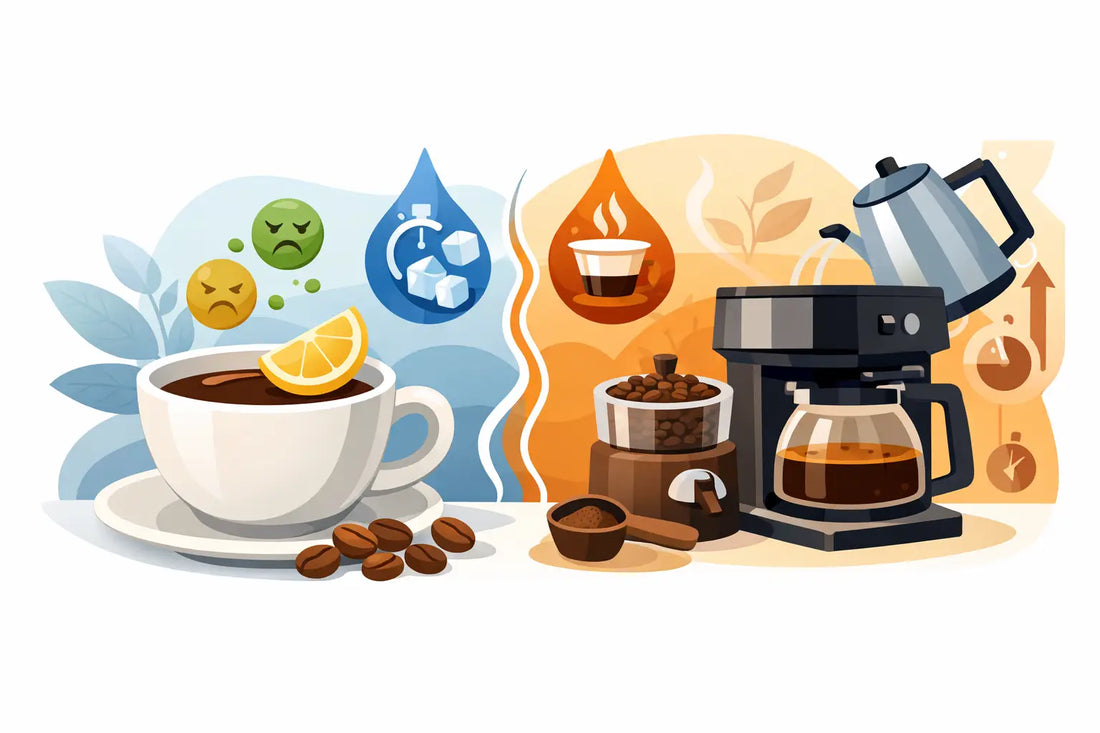
Think of coffee extraction as a journey along a spectrum. If you stop the extraction too soon, you get under-extracted coffee, which is often sour. The water hasn't had enough time to dissolve all the desirable sugars and complex flavors, leaving primarily sharp, unpleasing acids. On the flip side, if you extract for too long, you end up with over-extracted coffee, which is predominantly bitter. Here, the water has dissolved too many of the less desirable bitter compounds and tannins, overwhelming any sweetness or acidity. The sweet spot, the perfectly balanced coffee extraction, lies right in the middle, delivering a harmonious blend of sweetness, acidity, and body.

Diagnosing Your Cup: Why is My Coffee Sour?
A sour cup of coffee is a common frustration, especially when you're aiming for a rich, flavorful brew. It usually signals that your coffee is under-extracted, meaning not enough of those lovely soluble compounds have made it into your cup.
Signs of Under-Extraction
When your coffee is under-extracted, the signs are pretty clear. You'll often taste a sharp, unpleasant acidity that reminds you of unripe fruit or lemon, rather than a pleasant brightness. The flavor might feel weak or thin, lacking body and complexity. Sometimes, you might even notice a salty taste, which is another tell-tale sign of under-extraction. It can be quite disappointing when you've invested in quality beans, only to have them taste underdeveloped.
Common Causes of Sour Coffee
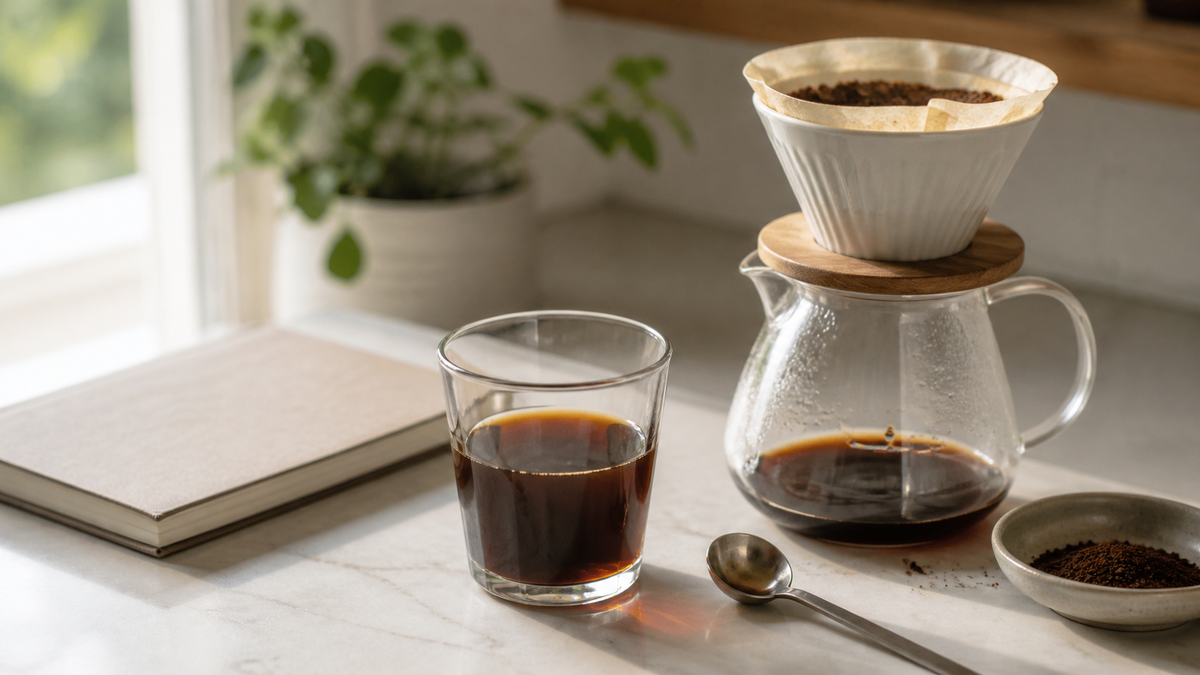
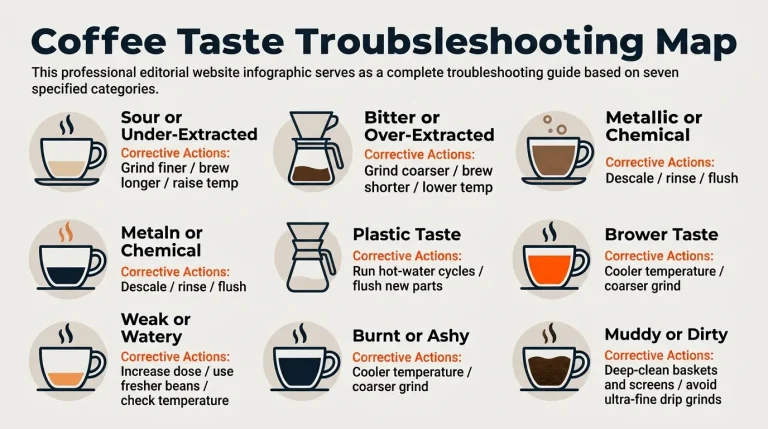
Several factors can lead to sour, under-extracted coffee. Often, the grind size is too coarse, meaning the water flows through too quickly and doesn't have enough time to dissolve sufficient flavors. Water temperature that's too low can also be a culprit, as hotter water is more efficient at extraction. A brew time that's too short, or an insufficient coffee-to-water ratio (too little coffee for the amount of water), can also contribute to this problem. I remember one morning when I was rushing and barely let the water sit on my pour-over. The result was an undeniably sour cup, a quick reminder that patience truly is a virtue in coffee making. Learning how to balance coffee extraction starts with identifying these issues.
Diagnosing Your Cup: Why is My Coffee Bitter?
Just as sourness points to under-extraction, an overly bitter cup screams over-extraction. This happens when the water has pulled out too many undesirable compounds from the coffee grounds, leaving behind a harsh, often burnt taste.
Signs of Over-Extraction
Over-extracted coffee often presents with a range of unpleasant bitter flavors. You might detect notes of ash, rubber, or even burnt toast. The mouthfeel can be dry and chalky, clinging to your palate long after you've swallowed. Unlike a pleasant bitterness found in dark chocolate, this is an acrid, overwhelming bitterness that drowns out any nuanced flavors. It’s the kind of cup that makes you question your life choices, especially early in the morning.
Common Causes of Bitter Coffee
The usual suspects for bitter coffee include a grind size that's too fine, which allows the water to spend too much time in contact with the grounds, pulling out those harsh compounds. Water temperature that's too high can also accelerate over-extraction, as scorching hot water can extract compounds too aggressively. Similarly, an excessively long brew time, or a coffee-to-water ratio that uses too much coffee for the water, can lead to this bitter fate. I once had a new grinder and set it to an espresso-fine grind for a French press, thinking "finer is better." The resulting sludge was so bitter it was undrinkable – a potent lesson in the power of grind size to utterly ruin a brew. This experience taught me the critical importance of how to balance coffee extraction.

Mastering the Variables: How to Balance Coffee Extraction
Achieving that perfect, balanced cup of coffee is all about understanding and controlling the key brewing variables. Think of them as the dials on your flavor machine; adjust them correctly, and you’ll consistently solve sour vs. bitter cups.
Grind Size: The Foundation
Grind size is arguably the most crucial variable for coffee extraction. It dictates the surface area of the coffee grounds exposed to water, directly affecting how quickly compounds dissolve. A coarser grind means less surface area and slower extraction, ideal for methods like French press. A finer grind means more surface area and faster extraction, perfect for espresso. If your coffee is sour, try a finer grind. If it’s bitter, go a little coarser. This simple adjustment often makes the biggest difference in how to balance coffee extraction.
Water Temperature: The Catalyst
Water temperature plays a vital role in the efficiency of coffee extraction. Ideally, water should be between 195°F and 205°F (90°C to 96°C) for most brewing methods. Water that’s too cool won't extract enough flavor, leading to sourness. Water that’s too hot can over-extract, resulting in bitterness or even scorching the coffee, bringing out harsh notes. Consistency here is key; a good temperature-controlled kettle can be a game-changer for achieving a balanced brew.
Brew Time: The Director
Brew time, or contact time, is how long the water interacts with the coffee grounds. This is a critical factor that needs to be synchronized with your grind size and water temperature. For a French press, brew times might range from 4-6 minutes, while a pour-over could be 2.5-4 minutes, and espresso typically 25-30 seconds. If your coffee is sour, extend the brew time slightly. If it's bitter, reduce it. Experimenting with brew time is a direct way to fine-tune your coffee extraction and hit that sweet spot.
Coffee-to-Water Ratio: The Blueprint
The coffee-to-water ratio dictates the strength and concentration of your brew. A widely accepted starting point is the "golden ratio" of 1:15 to 1:18 (e.g., 1 gram of coffee to 15-18 grams of water). If your coffee tastes weak and sour, you might need more coffee relative to your water. If it’s overwhelmingly strong and bitter, try using a little less coffee. Adjusting this ratio can significantly impact the overall balance and enjoyment of your cup.
Agitation and Turbulence: The Unsung Heroes
While often overlooked, agitation and turbulence during brewing also affect coffee extraction. Stirring, swirling, or the force of water hitting the grounds can increase extraction efficiency by ensuring all grounds are evenly wetted and compounds are consistently dissolved. Too much agitation can sometimes lead to over-extraction, especially with finer grinds. Finding the right level for your brew method helps ensure an even and complete extraction, which is essential for how to balance coffee extraction.

Practical Steps to Achieve a Balanced Brew
Now that we understand the variables, let's put it into practice. Getting to that perfectly balanced cup doesn’t happen by accident, but it also isn’t rocket science. It’s a methodical approach to observation and adjustment.
Start with a Baseline
Whenever you get new beans or try a new brewing method, start with a recommended baseline. Most coffee roasters provide brewing guidelines for their beans, which is a great place to begin. Use a consistent coffee-to-water ratio, a grind size appropriate for your method (e.g., medium-fine for pour-over, coarse for French press), and water at the ideal temperature. This gives you a known starting point from which to make informed adjustments.
Adjust One Variable at a Time
This is the golden rule of troubleshooting your coffee. If you change multiple variables at once, you won't know which adjustment made the difference. For instance, if your coffee is sour, try making your grind slightly finer first. If it's still sour, then consider a small increase in brew time. This systematic approach allows you to isolate the impact of each variable on your coffee extraction.
Taste, Learn, Repeat
The most important tool you have is your palate. After each adjustment, taste your coffee critically. Is it still sour? Is it now bitter? Is it getting closer to that sweet, full-bodied, complex flavor you crave? Keep a mental note, or even a small journal, of your adjustments and their effects. This iterative process of tasting, learning, and repeating is how you truly master how to balance coffee extraction and solve sour vs. bitter cups.
Equipment Matters
While you don't need to break the bank, good equipment certainly helps with consistency. A quality burr grinder provides an even grind, essential for consistent extraction. A kettle with temperature control ensures you hit the right water temperature every time. And a reliable scale for measuring both coffee and water guarantees you're maintaining your chosen ratio. Investing in these tools reduces variability and makes the journey to a balanced brew much smoother.
Troubleshooting Common Brewing Scenarios
Different brewing methods present unique challenges and require specific adjustments to achieve optimal coffee extraction. Let's look at some common scenarios.
Espresso
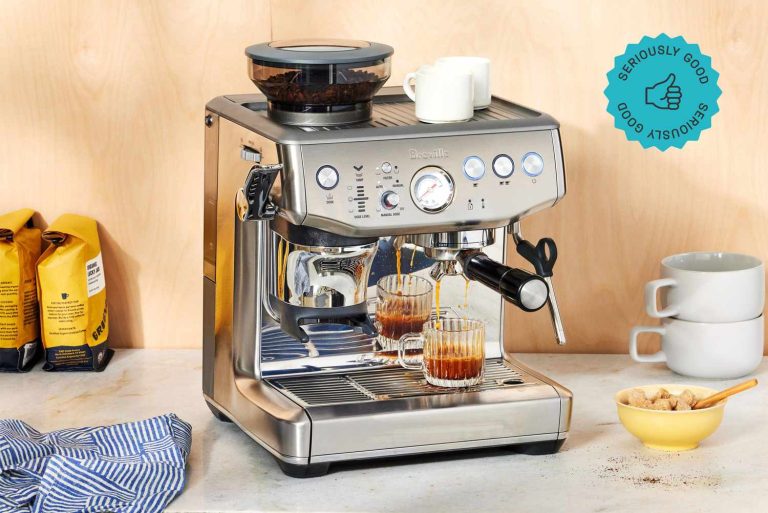
Espresso is notoriously finicky. If your espresso is spurting and tastes sour, your grind is likely too coarse, leading to under-extraction and a fast shot. Try making it finer. If it’s dripping slowly, tasting bitter, and has a dark, thin crema, your grind might be too fine, causing over-extraction. Adjust to a slightly coarser grind. The key for espresso is finding that perfect grind that allows for a smooth, even flow with a rich, tiger-striped crema in about 25-30 seconds, indicating how to balance coffee extraction for this intense brew.
Pour Over
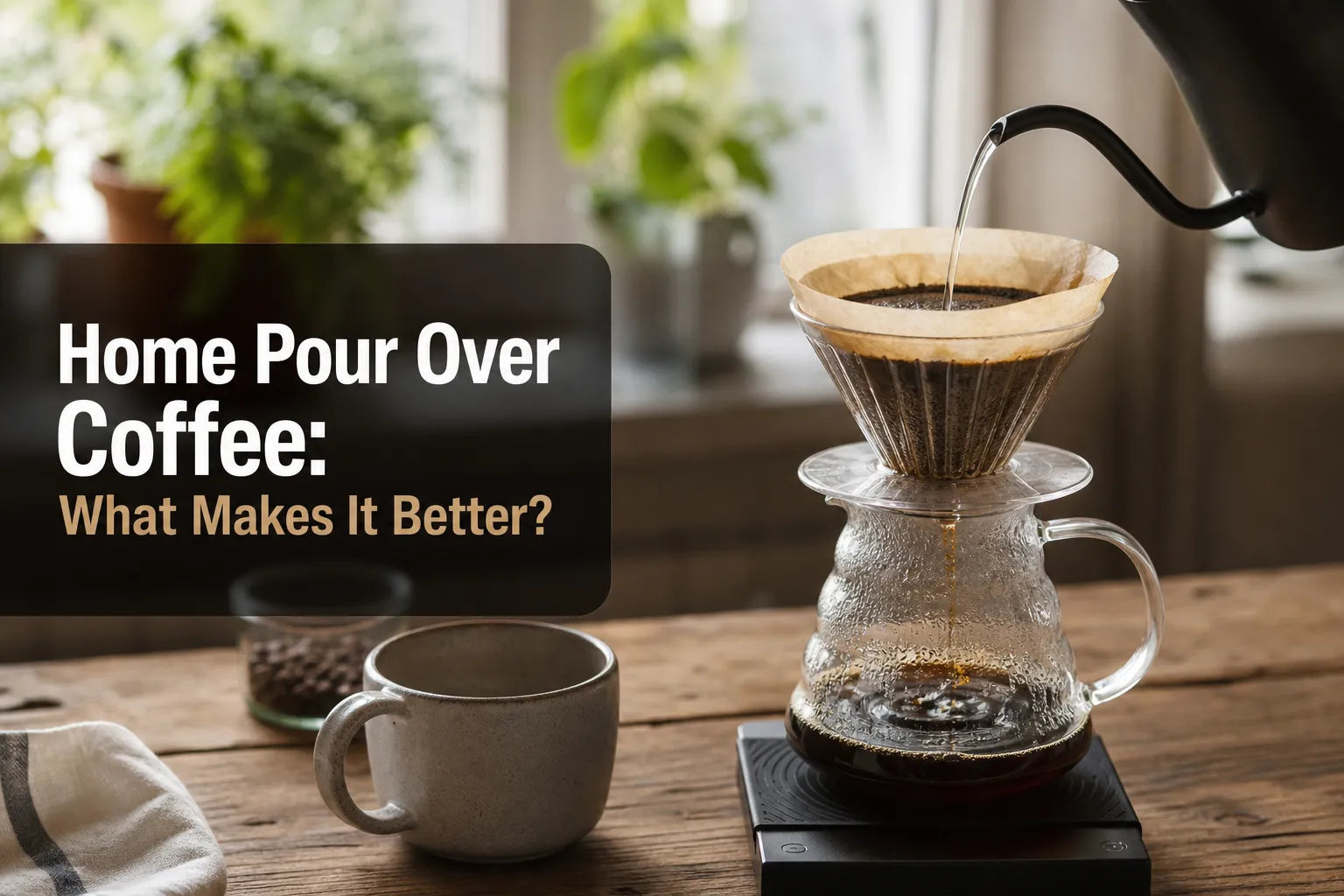
For pour-over methods like a Hario V60 or Chemex, uneven extraction is a common issue, often leading to a mix of sour and bitter notes. If your pour-over tastes sour, your grind might be too coarse or your pour speed too fast, not allowing sufficient contact time. Try a finer grind or a slower, more deliberate pour. If it's bitter, your grind might be too fine, or your water flow too slow, leading to over-extraction. Adjusting your pour technique and grind can dramatically improve your how to balance coffee extraction efforts here.
French Press
French press coffee is forgiving but can still go awry. If your French press tastes sour, it’s usually due to a grind that's too coarse or a brew time that’s too short. Increase your brew time (e.g., from 3 to 4 minutes) or slightly fine-tune your grind. If it’s bitter, your brew time might be too long, or your grind too fine, leading to over-extraction. Try reducing the steep time or using a slightly coarser grind. Remember to plunge slowly and consistently to avoid disturbing the coffee bed too much, which can create fines that contribute to bitterness.
Frequently Asked Questions of How to Balance Coffee Extraction: Solving Sour vs. Bitter Cups
Why does my coffee taste sour even when I use hot water?
Sourness often indicates under-extraction, even with hot water. This could be due to a grind that's too coarse, a brew time that's too short, or an insufficient coffee-to-water ratio.
Can old coffee beans cause my coffee to taste bitter?
Yes, old coffee beans can contribute to bitterness. As beans age, they lose desirable volatile compounds, and the remaining compounds can lead to a flat, sometimes bitter, or overly harsh taste.
What is the ideal coffee-to-water ratio for a balanced cup?
A common starting point, often called the "golden ratio," is between 1:15 and 1:18, meaning 1 gram of coffee to 15-18 grams of water. Adjusting this ratio helps achieve how to balance coffee extraction to your preference.
How do I know if my grind size is correct without special tools?
You can tell by taste: sour means too coarse, bitter means too fine. Visually, for pour-over, it should resemble table salt; for French press, coarse sea salt; for espresso, very fine sand.
Does the type of water I use affect coffee extraction?
Absolutely. Water quality, including its mineral content, significantly impacts extraction. Hard water can sometimes hinder extraction, leading to sourness, while overly soft water might over-extract, causing bitterness.
Conclusion
The journey to consistently brew a delicious, balanced cup of coffee is a rewarding one, transforming a simple beverage into an everyday pleasure. By understanding the core principles of coffee extraction and how variables like grind size, water temperature, and brew time interact, you're empowered to troubleshoot common issues and move beyond merely "making coffee" to truly "crafting coffee." Remember, solving sour vs. bitter cups is an iterative process of experimentation and keen observation. Don't be afraid to adjust one small thing at a time, taste critically, and learn from every brew.
The next time you brew, approach it with curiosity and confidence. Pay attention to the subtle cues your coffee provides, and apply the insights you've gained today to fine-tune your process. You’ll soon be enjoying remarkably balanced cups that highlight the true potential of your beans. Want to dive deeper into specific brewing methods or explore advanced techniques? Leave a comment below with your biggest coffee challenge, and let's keep the conversation brewing!
2 Comments