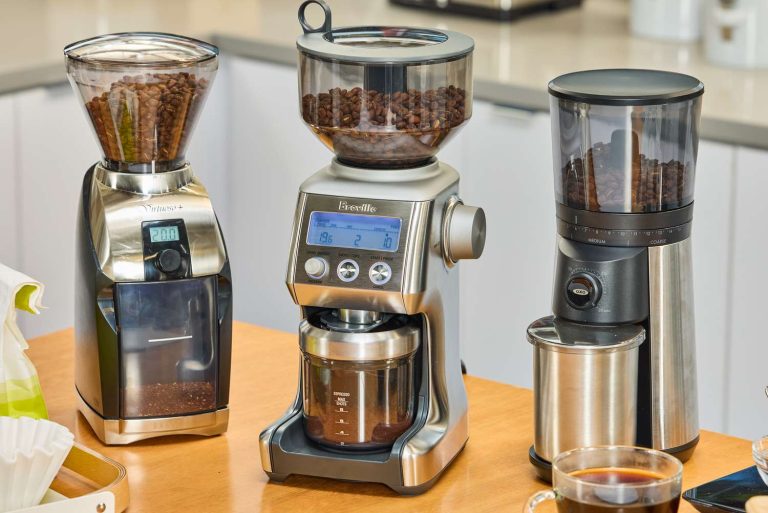
Coffee Grinders: Do They Make Espresso Or Just Grind?
No, coffee grinders themselves don't actually make espresso; they solely prepare the coffee beans by grinding them to a specific fineness required for espresso extraction. As a coffee enthusiast and someone who's spent countless hours perfecting home espresso, I can tell you that understanding the distinct roles of your grinder and your espresso machine is fundamental to crafting that perfect shot. Many newcomers to the world of specialty coffee often wonder if their powerful new coffee grinder is the key to producing rich, creamy espresso, but the truth is a bit more nuanced. Let's delve into why the grinder is indispensable, yet not the sole creator of your beloved espresso.

The Fundamental Role of a Coffee Grinder in Espresso Production
At its core, a coffee grinder’s job is to take whole coffee beans and break them down into smaller particles. For espresso, this isn't just any grind; it's an incredibly fine, consistent grind, resembling powdered sugar or flour. This specific fineness is absolutely critical because espresso is defined by a rapid extraction process where hot, pressurized water is forced through a compact bed of coffee grounds (often called a "puck").
Think of it this way: if your grounds are too coarse, the water will rush through too quickly, resulting in an "under-extracted" shot that tastes weak, sour, and lacks body. If they're too fine, the water will struggle to pass through, leading to an "over-extracted" shot that's bitter, astringent, and thick. The magic balance, the "sweet spot" for espresso, relies heavily on having grounds that offer just the right resistance to the pressurized water – and that all starts with a quality coffee grinder. Without the precise particle size and uniformity delivered by a good grinder, even the most expensive espresso machine will struggle to produce a decent shot.
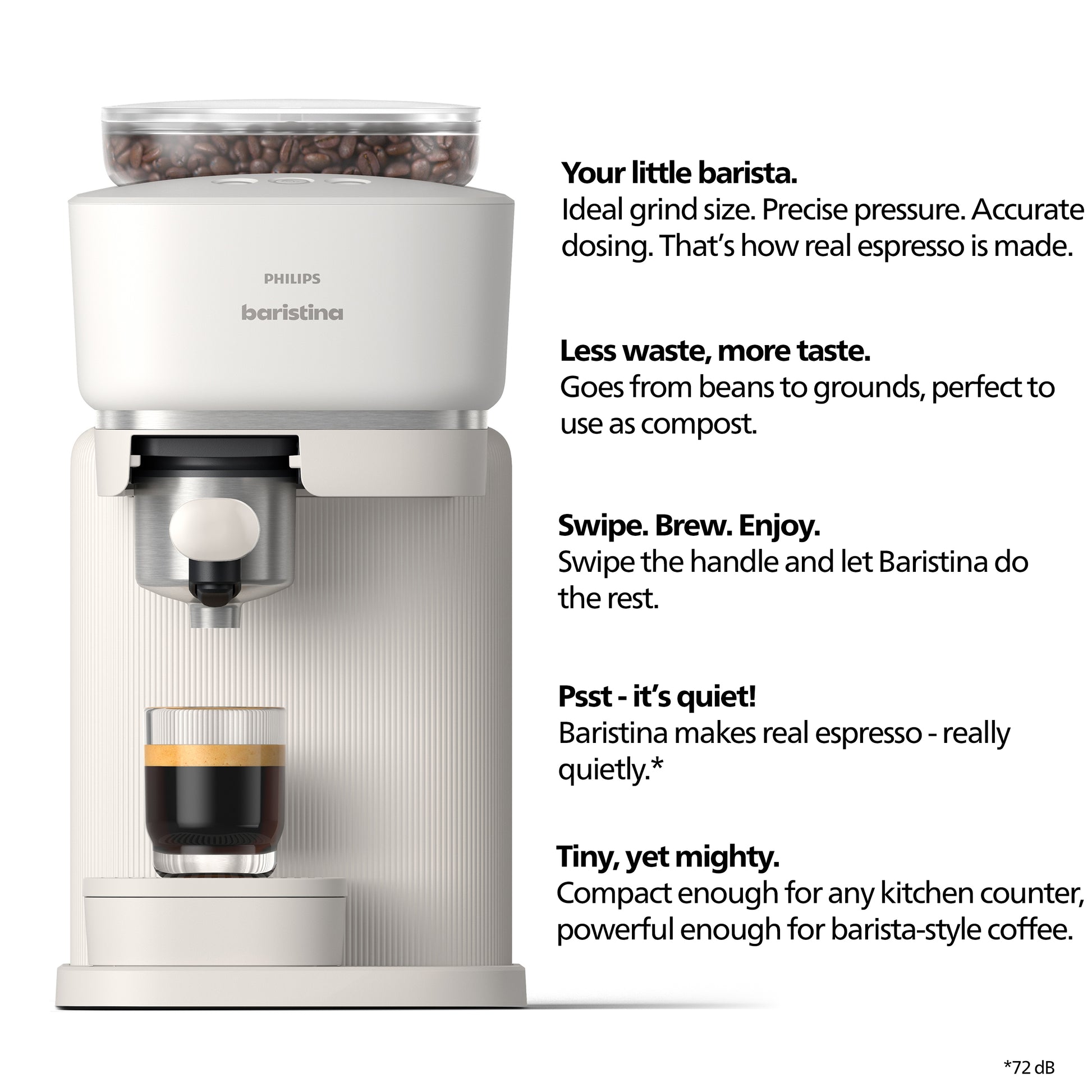
The Espresso Machine: Where the Magic Truly Happens
While the grinder sets the stage, it's the espresso machine that performs the actual alchemy of turning ground coffee into espresso. This sophisticated piece of equipment does several crucial things:
- Heats Water: It brings water to the optimal temperature, usually between 195-205°F (90-96°C), which is essential for proper flavor extraction.
- Generates Pressure: This is the defining characteristic of espresso. The machine uses a pump to generate approximately 9 bars of pressure (about 130 PSI) to force the hot water through the compacted coffee puck. This high pressure rapidly extracts soluble solids, oils, and aromas from the finely ground coffee.
- Controls Flow: Modern machines also allow for pre-infusion (a low-pressure soak before full pressure) and precise control over the shot volume, further refining the extraction.
So, while your coffee grinder provides the essential raw material in the correct form, the espresso machine uses heat, pressure, and precise timing to extract the concentrated, flavorful beverage we know and love as espresso. One cannot exist without the other for a true espresso experience.

Why Grind Consistency Matters So Much for Espresso
I've learned firsthand that grind consistency isn't just a buzzword; it's the bedrock of good espresso. When you have a uniform grind, every single particle of coffee is roughly the same size. This allows for an even extraction, meaning that water can flow through the entire coffee puck at a consistent rate, dissolving flavors uniformly.
Imagine trying to extract flavor from a mix of large boulders and fine sand. The water would bypass the boulders, extracting everything from the sand too quickly, leading to a muddled and uneven taste. The same principle applies to coffee. A poor grinder produces a lot of "fines" (super tiny particles) and "boulders" (larger chunks). The fines can over-extract and clog the filter, while the boulders under-extract, leading to a shot that's simultaneously bitter and sour – a truly unpleasant combination I've experienced more times than I care to admit early in my espresso journey. A high-quality burr grinder minimizes this particle size variation, ensuring a cleaner, more balanced extraction every time.

Types of Grinders and Their Suitability for Espresso
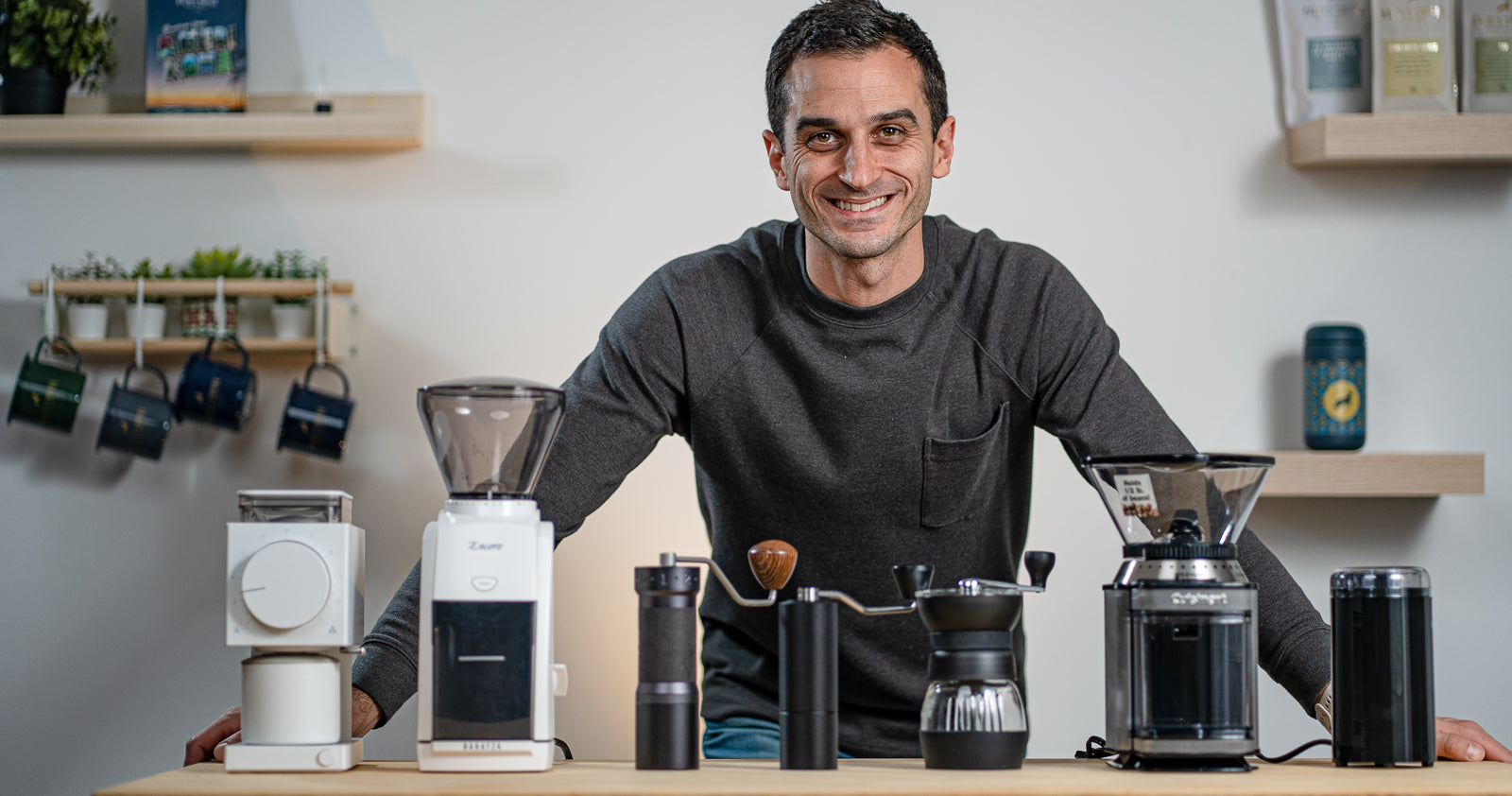
Not all coffee grinders are created equal, especially when it comes to the demanding requirements of espresso.
- Blade Grinders: These are essentially blenders with spinning blades that chop and shatter coffee beans. They produce a highly inconsistent grind with a wide range of particle sizes, making them completely unsuitable for espresso. You'll end up with those dreaded fines and boulders, leading to unpredictable and often terrible shots. From personal experience, using a blade grinder for espresso is a surefire way to waste good beans.
- Burr Grinders: These are the only type of grinder you should consider for espresso. They work by grinding beans between two abrasive surfaces (burrs).
- Conical Burr Grinders: These have two cone-shaped burrs, one inside the other. They are generally quieter, produce fewer fines, and are excellent for a consistent espresso grind. Many home espresso enthusiasts, myself included, start with and stick to conical burr grinders due to their reliability and relatively quiet operation.
- Flat Burr Grinders: These have two flat, parallel burrs. They often produce a very uniform grind, favored by some professional baristas for their precision and ability to extract different flavor nuances. However, they can be louder and sometimes retain more coffee.
Investing in a good quality burr grinder, ideally one designed specifically for espresso, is as important as the espresso machine itself.
The Symbiotic Relationship: Grinder and Espresso Machine
Think of your coffee grinder and espresso machine as a dynamic duo, each playing a critical, non-interchangeable role. The grinder prepares the canvas – the precisely ground coffee. The espresso machine then applies its artistry – the perfect blend of heat and pressure – to create the masterpiece. If either component is subpar, the final product suffers.
My own journey into espresso making taught me this vividly. I started with a decent entry-level espresso machine but paired it with a mediocre grinder. No matter how much I adjusted or experimented, my shots were always inconsistent and frustrating. It wasn't until I upgraded my coffee grinder to a high-quality conical burr model that my espresso truly transformed. Suddenly, I was pulling shots with beautiful crema, balanced flavors, and a consistent taste profile. It was a revelation, proving that a grinder doesn't make espresso, but it enables great espresso. You can't have one without the other for the best results.

Frequently Asked Questions about Coffee Grinders and Espresso
Can any coffee grinder make espresso?
No, not just any coffee grinder can make espresso. You need a high-quality burr grinder capable of producing a very fine and consistent grind, which is crucial for proper espresso extraction.
What is the ideal grind size for espresso?
The ideal grind size for espresso is extremely fine, resembling powdered sugar or flour, allowing the pressurized water to extract flavors effectively without passing through too quickly or slowly.
How does grind quality affect espresso taste?
Poor grind quality, with inconsistent particle sizes, leads to uneven extraction, resulting in espresso that can taste both sour (under-extracted) and bitter (over-extracted) simultaneously.
Is an expensive grinder necessary for good espresso?
While you don't always need the most expensive grinder, investing in a reputable burr grinder specifically designed for espresso is highly recommended, as it's a foundational component for delicious shots.
Can I use pre-ground coffee for espresso?
You can use pre-ground coffee, but it's generally not recommended for optimal espresso quality because it quickly stales and its grind size is often not ideal for precise espresso extraction.
Conclusion
So, to definitively answer the question: no, coffee grinders do not make espresso. They perform the indispensable task of grinding coffee beans to the precise fineness and consistency that allows an espresso machine to do its job. The grinder is the silent architect, laying the foundation, while the espresso machine is the skilled artisan, building the final product with heat and pressure. My personal experience has repeatedly shown that a great espresso shot is a direct result of this powerful partnership.
If you're serious about your home espresso, investing in a high-quality burr grinder should be as high a priority as your espresso machine. Explore the world of grinders, experiment with different settings, and taste the difference a truly consistent grind makes. Your taste buds, and your morning routine, will thank you.